Monty Python's "Spam Song": A Satirical Feast of Repetition and Cultural Commentary

Song overview
- Featuring Artist: Fred Tomlinson Singers
- Producer: Michael Palin, Terry Jones
- Writer: Michael Palin, Terry Jones, Fred Tomlinson
- Release date: 8 September 1972
- Label: Charisma
- Musical Genre: Comedy
- Album: Another Monty Python Record
- Track #: Not specified
- Language: English
- Mood: Satirical, Humorous
- Tags: Satire, Repetition, Cultural Commentary
Lyrics analysis and meaning

The "Spam Song" is a satirical piece that humorously critiques the ubiquity of spam in British cuisine post-World War II. The song's repetitive nature and absurdity serve as a metaphor for the monotonous and inescapable presence of spam in daily meals during that era.
History and Inspiration
First aired in 1970 on the television series "Monty Python's Flying Circus," the sketch was written by Terry Jones and Michael Palin. It reflects the British public's weariness of spam, a canned meat product that became a staple during wartime rationing. The sketch's exaggerated repetition of the word "spam" satirizes the over-saturation of the product in British diets.
Composition and Structure
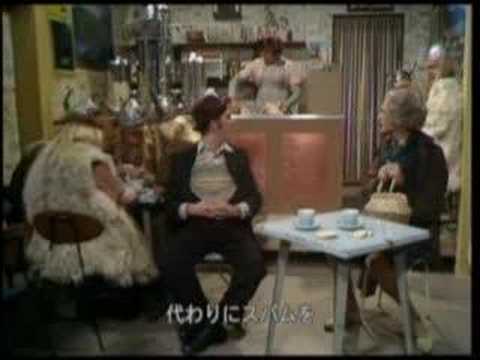
The song is structured around a dialogue between a customer and a waitress in a café where nearly every menu item contains spam. The inclusion of a choir of Vikings chanting "Spam! Spam! Spam!" adds to the absurdity and emphasizes the inescapable nature of spam in the setting.
Instrumentation and Style
Musically, the song employs a simple melody with choral backing, characteristic of Monty Python's comedic style. The use of a choir adds a grandiose feel to the otherwise mundane subject matter, enhancing the satirical effect.
Key Imagery and Metaphors
The relentless repetition of "spam" serves as a metaphor for the overwhelming presence of the product in British cuisine. The absurdity of the menu items, such as "Spam, spam, spam, spam, spam, spam, baked beans, spam, spam, spam and spam," highlights the lack of variety and the public's frustration with limited food options during rationing.
Similar songs
- "Every Sperm Is Sacred" by Monty Python: This song satirizes religious attitudes towards reproduction. Like the "Spam Song," it uses a choir and grand musical arrangement to mock serious subjects, highlighting the absurdity through exaggerated reverence.
- "Poisoning Pigeons in the Park" by Tom Lehrer: Lehrer's song shares the "Spam Song's" blend of cheerful melody with dark humor. Both songs juxtapose light-hearted tunes with morbid or absurd topics, creating a comedic dissonance that critiques societal norms.
- "Fat" by "Weird Al" Yankovic: This parody of Michael Jackson's "Bad" uses humor to address issues of body image. Similar to the "Spam Song," it employs repetition and exaggeration to satirize cultural obsessions, in this case, with weight and appearance.
Questions and answers
- Why is spam used so repetitively in the song?
- The repetition emphasizes the overabundance and monotony of spam in British diets post-WWII, serving as a satirical critique of limited food options during rationing.
- What is the significance of the Vikings in the sketch?
- The Vikings' enthusiastic chanting of "Spam" adds to the absurdity and highlights the inescapable presence of spam, symbolizing how deeply ingrained it had become in British culture.
- How did this sketch influence the term "spam" in digital communication?
- The sketch's portrayal of spam as repetitive and unwanted led to the term being adopted to describe unsolicited electronic messages, emphasizing their intrusive nature.

Awards and chart positions
While the "Spam Song" did not achieve significant chart success, it became one of Monty Python's most iconic sketches. Its cultural impact is evident in its contribution to the English lexicon and its enduring popularity in comedy circles.