Soundtracks:  A B C D E F G H I J K L M N O P Q R S T U V W X Y Z #


Little Martha Lyrics — The Allman Brothers Band

Album: Dreams  
Little Martha by The Allman Brothers Band
You're coming back into my life
After all this time apart
After my heart has been broken in two
Now you wanna turn around and go back through
All the hurt, all the pain
I'm not sure it could ever be the same

'Cause two rights can't make up for one wrong
I've spend so many nights alone
One kiss can't make it disappear
Even though you're here tonight
Baby two rights can't make up for hurting someone

I guess you think it's all a game
Someone gets hurt, someone gets blamed
You don't seem to realize
There's someone else
In my eyes

'Cause two rights can't make up for one wrong
I've spend so many nights alone
One kiss can't make it disappear
Even though you're here tonight
Baby two rights can't make up for hurting someone

You're the one who wanted to play the field
Now you can't find a love that's real
It's your game, but it's no fun
When you end up the lonely one

'Cause two rights can't make up for one wrong
I've spend so many nights alone
One kiss can't make it disappear
Even though you're here tonight
Baby two rights can't make up for hurting someone


Exploring the Instrumental Beauty of "Little Martha" by The Allman Brothers Band
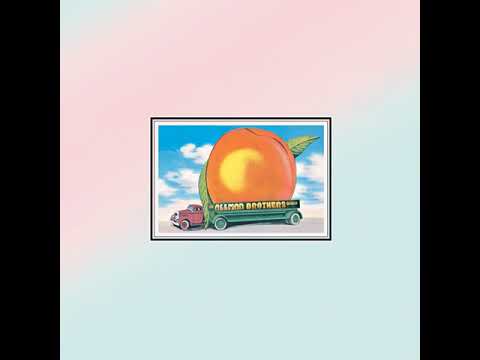
Little Martha instrumental by The Allman Brothers Band
The Allman Brothers Band performing 'Little Martha' in the music video.

Song Details:

  • Featuring Artist(s): Duane Allman, Dickey Betts
  • Producer(s): Tom Dowd
  • Composer: Duane Allman. Engineer: Howie Albert. Engineer: Ron Albert. Recordingarranger: The Allman Brothers Band. Composer Lyricist: Howard Duane Allman
  • Release Date: February 12, 1972
  • Label: Capricorn Records
  • Musical Genre: Folk
  • Album: Eat a Peach
  • Track #: Final studio track
  • Language(s): Instrumental
  • Mood: Serene, Reflective

Origin and Significance
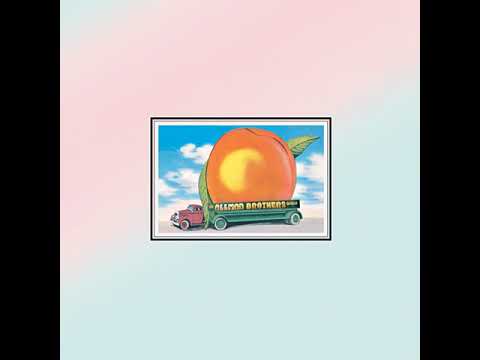
Duane Allman and Dickey Betts performing Little Martha
Duane Allman and Dickey Betts during the recording of 'Little Martha'.
Duane Allman left behind plenty of goose-bump moments, yet “Little Martha” feels like the quiet jewel everyone discovers sooner or later. Tucked at the very end of *Eat a Peach* (1972), the airy two-minute instrumental is the only tune in the Allman Brothers catalogue that bears Duane’s name alone—and it somehow says more about his melodic instinct than any marathon slide solo ever could. Legend has it the whole thing arrived in a dream. Allman supposedly dozed off, saw Jimi Hendrix tapping a hotel-sink faucet the way you might fret a guitar neck, and woke up with the winding melody still ringing in his head. True or not, the story fits the song’s half-awake charm; every note feels like it might float away if you breathe too hard. As for the title, fans argue over its muse. One camp points to Martha Ellis, a Victorian-era child whose tiny marble angel marks a corner of Macon’s Rose Hill Cemetery—the band’s preferred late-night hangout. Others swear Duane meant it for his girlfriend Dixie Meadows, whom he jokingly called “Martha” because her vintage wardrobe evoked, well, Martha Washington. Both tales blur fact and folklore, but that’s part of the Allman mythology: a little truth, a little moonlight, stirred together until nobody’s sure where the line is. Technically, “Little Martha” is just two acoustics—Duane and Dickey Betts—tuned to open E and weaving around each other like front-porch fireflies. No overdubs, no studio pyrotechnics, just clean fingerpicking that turns folk simplicity into something almost hymn-like. Guitar sage Leo Kottke once dubbed it “the most perfect guitar song ever written,” and you can hear why: every phrase resolves exactly where your ear hopes it will, yet nothing feels predictable. Listen closely and you’ll notice a kind of gentle symmetry—like two friends trading the same secret back and forth. It’s a modest piece, but in that humility lies the magic. Duane Allman, gone months before *Eat a Peach* hit the shelves, signed off not with a roar but with a lullaby. And sometimes, as “Little Martha” reminds us, the softest goodbye echoes the longest.

Similar Instrumental Compositions

Thumbnail from Little Martha instrumental video by The Allman Brothers Band
A screenshot from the 'Little Martha' video, capturing the essence of the instrumental.
Several instrumental tracks share the serene and intricate qualities of "Little Martha," reflecting the band's Southern rock roots and their ability to blend genres seamlessly.
  1. "Jessica" by The Allman Brothers Band: Composed by Dickey Betts, this instrumental from the album Brothers and Sisters showcases the band's ability to create uplifting melodies without lyrics. The interplay between guitars and piano offers a joyful listening experience.
  2. "Bron-Yr-Aur" by Led Zeppelin: This acoustic instrumental track from the album Physical Graffiti shares a similar delicate and intricate guitar work as "Little Martha." Both compositions evoke a sense of tranquility and showcase the artists' proficiency with acoustic instrumentation.
  3. "Embryonic Journey" by Jefferson Airplane: An acoustic instrumental that captures a similar essence of melodic beauty and simplicity, resonating with the reflective mood found in "Little Martha."

Fan and Media Reactions
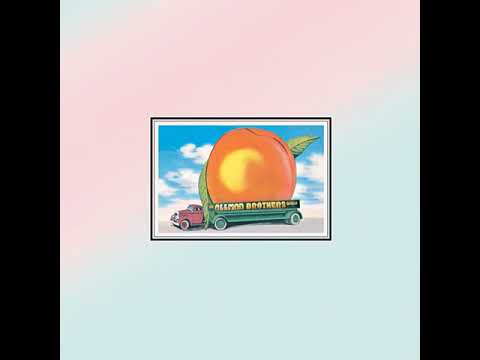
Scene from Little Martha instrumental by The Allman Brothers Band
Visual representation of 'Little Martha' enhancing the instrumental's experience.
Duane Allman’s career is littered with spine-tingling highs—think the molten slide solos on “Statesboro Blues” or that marathon with Derek & the Dominos—yet “Little Martha” remains his quiet masterpiece. Nestled at the very end of *Eat a Peach* (1972), the two-minute instrumental is the lone Allman Brothers track credited solely to Duane, and somehow it whispers more about his melodic instincts than a dozen roaring jams ever could. According to band lore, the tune materialized in a dream. Allman drifted off in a New York hotel, saw Jimi Hendrix tapping a sink faucet like a fretboard, and jolted awake with the melody half-formed but urgent. Whether that story is gospel or bar-room myth hardly matters—the music feels dream-lit, as if any sudden movement might send it floating out an open window. The title has its own competing origin tales. One points to Martha Ellis, a Victorian-era child whose cherubic marble statue watches over Macon’s Rose Hill Cemetery, a favored midnight haunt for the band. Another credits Duane’s girlfriend, Dixie Meadows, whom he teasingly called “Martha” because her thrift-store gowns conjured images of Martha Washington. Those contradictions are part of the Allman mystique: a little fact, a little moonlight, stirred until you can’t separate the two. Technically, “Little Martha” is pure porch music—Duane and Dickey Betts on acoustics tuned to open E, trading lines the way old friends swap secrets after midnight. No overdubs, no studio fireworks. Guitar sage Leo Kottke once called it “the most perfect guitar song ever written,” and he wasn’t being cute: every phrase lands exactly where your ear hopes it will, yet nothing feels predictable. Listen closely and you can almost see the smiles between takes. Over the decades the track has earned near-mythic status among players and listeners alike. Fans describe its unhurried two minutes as a kind of sonic chamomile: soothing, precise, impossible to rush. Guitar forums teem with careful transcriptions, while YouTube overflows with covers—some hesitant, others flawless, all delivered with visible reverence. In an era when flash often trumps feel, “Little Martha” still serves as a quiet litmus test: can you let the notes breathe? Critics haven’t been shy either. Music historians routinely cite the piece as proof of the Allman Brothers’ range: a band famous for thunderous dual-lead epics closing an album with little more than wood, wire, and hush. It’s also become shorthand for Duane’s legacy. That he wrote something so unassuming, then left the planet before he could watch it ripple outward, adds a bittersweet tinge—a reminder that grace sometimes arrives dressed in brevity. Half a century on, “Little Martha” continues to resonate with players who chase tone more than speed and with listeners who crave a pause amid the barrage. It is, in the end, a lullaby disguised as a guitar exercise, proof that the softest farewells often echo the longest.


A-Z Lyrics Universe

Lyrics / song texts are property and copyright of their owners and provided for educational purposes only.