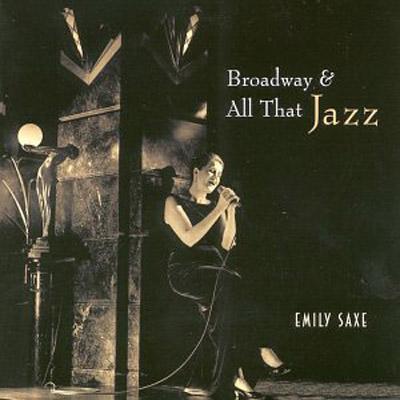
"All That Jazz" Soundtrack Lyrics
Musical • 1990
Track Listing
›TAKE OFF WITH US
›AFTER YOU'VE GONE
›THERE'LL BE SOME CHANGES MADE
›WHO'S SORRY NOW
›SOME OF THESE DAYS
›BYE BYE LIFE
"All That Jazz" Soundtrack Description
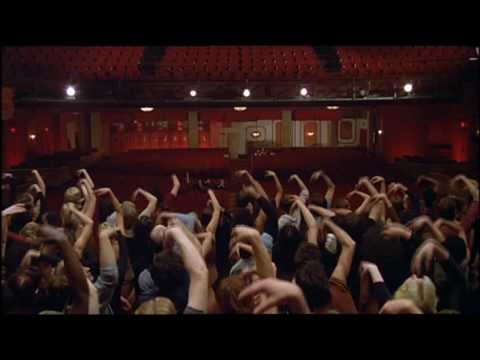
What this 1990 reissue actually is
It’s the soundtrack that refuses to sit in a glass case. Yes, the music comes from Bob Fosse’s 1979 film—the fever-dream chronicle of Joe Gideon burning his candle at all the ends—but this is the 1990 reissue era, when Casablanca/PolyGram dusted the master and put it back in circulation for a generation discovering Fosse on VHS and late-night TV. The bones are the same: Ralph Burns’ Oscar-winning music direction weaving standards, showtunes, and orchestral cues into something that feels like a backstage heartbeat. The mix breathes. Horns crackle. The tape hiss is part perfume, part warning sign.Background & Context
The title echoes a Kander & Ebb showtune, but the soundtrack’s personality is a mosaic: Vivaldi’s “Concerto alla rustica” spliced into morning routines, pop and jazz standards refitted for a director’s spiraling days, and stage razzle cooked down to something almost confessional. Fosse’s world isn’t tidy. Neither is the album. That’s the hook. It nods to Broadway craft and then lets sweat stain the cuffs.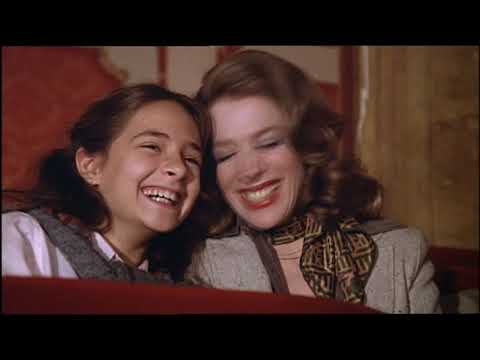
Production
Ralph Burns served as the connective tissue—arranger, adapter, the quiet hand marrying classic songs to cigarette-scarred choreography. The band charts lean hot: brass that smirks, reeds that sigh late-night. Studio polish meets nightclub grime; the 1990 issue keeps the edges intact, which is key. You can hear the floorboards in those big numbers, the stomp-and-snap cadence of dancers hitting marks. Also present: that sly editorial rhythm—cues that start on a joke and end like a eulogy. It’s Fosse, translated to sound.Track Highlights & Scene Pairings
I still remember the first time the needle hit “On Broadway.” Not just a needle-drop—an entrance. Gideon’s morning ritual swirls across jump cuts, the song turning into caffeine. Then there’s the showbiz hymn, “There’s No Business Like Show Business,” weaponized into irony; joy on the surface, gallows underneath. “Everything Old Is New Again” arrives like a lounge curtain suddenly pulled—campy, affectionate, then, if you’re listening closely, a little cruel. And toward the end, the “Bye Bye Life” finale is glitter as therapy session: a big number that’s also a goodbye note, the brass laughing so it won’t cry.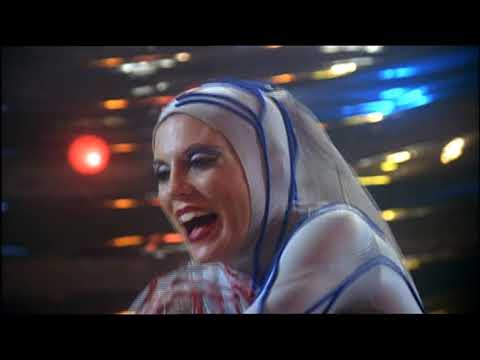
Musical Styles & Themes
Call it showbiz collage. The album swings through:- Classic pop and jazz standards, repurposed for character psychology rather than cabaret comfort.
- Adaptation score logic—familiar melodies cut with percussive edits and theatrical vamping.
- Orchestral cues that behave like choreography: phrases pivot, hold, and hit a pose.
Film Plot & Characters
Strong coffee version: Joe Gideon, a choreographer-director trying to mount a new Broadway show while editing his last movie, lives on dexedrine, flirting, and denial. The soundtrack mirrors that pace—tender one minute, manic the next, then brutally sincere without warning.Character Breakdown
Joe Gideon
A workaholic auteur who can stage the truth but struggles to live it. The music frames him as both ringmaster and trapped animal—brassy fanfares for bravado, hushed strings for the 3 a.m. reckoning.Angelique (the Angel of Death)
Not a villain—more like an elegant auditor. Her presence threads through reflective cues; you can feel the temperature drop in those orchestral textures.Kate Jagger
A dancer and partner who sees the man inside the showman. Listen for the moments where a chorus vamp softens into intimacy—those are Kate’s measures.Audrey Paris
Ex-wife, creative equal, unblinking mirror. The arrangements tilt classic when she’s near, as if the music itself remembers the original melody of his life.Victoria, Michelle, and the Ensemble
They carry the city’s pulse. Their numbers—big, witty, perfectly timed—tell the truth Joe keeps trying to choreograph around.Cast (selected)
- Roy Scheider as Joe Gideon
- Jessica Lange as Angelique
- Ann Reinking as Kate
- Leland Palmer as Audrey
- Ben Vereen as the grinning emcee of denial
- Cliff Gorman, Erzsébet Földi, and a lethal chorus of dancers
Behind the Scenes
Fosse famously braided his own history into the film: mounting a Broadway musical while finishing a movie, then a health scare that made the showbiz metaphors uncomfortably literal. The album catches that duality—the high of creating something electric; the low hum of mortality right under the snare. Editor Alan Heim’s cutting style is baked into the musical flow: songs that arrive mid-breath and exit on a beat that feels like a blackout. And Ralph Burns’ win (for the adaptation score) wasn’t a courtesy; it was for threading this needle without losing the showtune sparkle.Reviews & Social Proof
Critics have long called the film audacious; the soundtrack inherits that badge. Dancers love it because the groove is honest—less postcard, more rehearsal floor. Filmmakers praise how the cues carry narrative, not just mood. And every few years, a new wave discovers the finale and goes: wait, you’re allowed to do that? Yes. If you’re brave.“It’s showtime, folks.” Joe Gideon
“The best film I have ever seen.” Stanley Kubrick
Why the 1990 issue matters
Because the timing fits the culture: home video rewatchers, cassette-walkman kids turning into CD buyers, choreographers sampling the old Broadway grammar for new bodies. The reissue kept the master’s warmth and let the punch land. It’s not just nostalgia—it’s usability. You can rehearse to this. You can write to this. You can make peace to this, on a good day.Technical Info
- Soundtrack Name: All That Jazz
- Type: musical (original motion picture soundtrack, 1990 reissue)
- Original Film Release: 1979
- Reissue Year: 1990
- Music Direction/Adaptation: Ralph Burns
- Label (1990 issue): Casablanca Records / PolyGram
- Notable Accolades (film): Palme d’Or (shared), 4 Academy Awards including adaptation score
- Standout Numbers: “On Broadway,” “Everything Old Is New Again,” “There’s No Business Like Show Business,” a valedictory finale that still stings
FAQ
- Is this a brand-new recording from 1990?
- No, it’s a 1990-era issue of the original film soundtrack materials—same core performances, restored and repackaged.
- Do I need to have seen the film to enjoy the album?
- Helpful, not required. The arrangements tell their own story: hustle, romance, confession, curtain call.
- Why does the soundtrack blend standards with score?
- Because the film is about show business as a state of mind; familiar songs become interior monologues when set against Fosse’s edits.
- Is the finale as devastating on album as on screen?
- Different kind of devastation. Without the visuals, you hear every choice—the triumphant brass, the smile that’s really a sigh.
- Best way to listen?
- Front to back. Let the cues stack; the payoffs depend on the pacing.
Meta & Credits
Date: 23 September 2025September, 23rd 2025
A-Z Lyrics Universe
Popular lyrics
Defying Gravity
Cynthia Erivo Popular
Ariana Grande Horsepower
Post Malone Ain't No Love in Oklahoma
Luke Combs Good Riddance (Time of Your Life)
Green Day Bye Bye Bye
*NSYNC You're the One That I Wan
John Travolta & Olivia Newton-John I Always Wanted a Brother
Braelyn Rankins, Theo Somolu, Kelvin Harrison Jr. and Aaron Pierre The Power of Love
Frankie Goes to Hollywood Beyond
Auli’i Cravalho feat. Rachel House MORE ›
Cynthia Erivo Popular
Ariana Grande Horsepower
Post Malone Ain't No Love in Oklahoma
Luke Combs Good Riddance (Time of Your Life)
Green Day Bye Bye Bye
*NSYNC You're the One That I Wan
John Travolta & Olivia Newton-John I Always Wanted a Brother
Braelyn Rankins, Theo Somolu, Kelvin Harrison Jr. and Aaron Pierre The Power of Love
Frankie Goes to Hollywood Beyond
Auli’i Cravalho feat. Rachel House MORE ›
New soundtracks
GOAT
Supergirl
Avatar: Fire and Ash
Nativity 2: Danger in the Manger!
How to Train Your Dragon (Movie)
Wicked: For Good. The Original Score
Wicked: For Good
Candyman
From the World of John Wick. Ballerina
Kiss of the Spider Woman (Movie)
Sinners
TRON: Ares
F1 The Album
Red Clay
Zootopia 2
ZOMBIES 4: Dawn of the Vampires
KPop Demon Hunters
MORE ›
Lyrics / song texts are property and copyright of their owners and provided for educational purposes only.