"Blood Brothers" Soundtrack Lyrics
Musical • 1995
Track Listing
Mrs Johnston and company
"Blood Brothers" Soundtrack Description

Questions and Answers
- Is there an official 1995 soundtrack album for the musical?
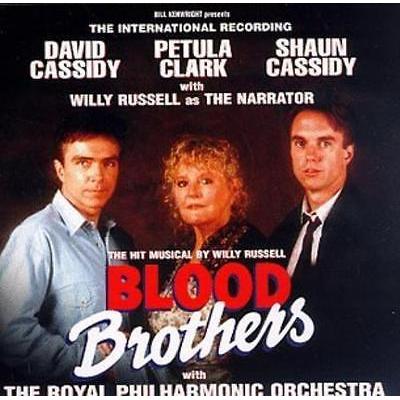
- Yes—two major 1995 studio cast albums exist: the London Cast Recording (First Night Records) and an “International” studio cast featuring Petula Clark with David & Shaun Cassidy (Relativity Records).
- Which recording includes Petula Clark and the Cassidy brothers?
- The 1995 International Cast Recording pairs Petula Clark as Mrs. Johnstone with David and Shaun Cassidy as the twins; Willy Russell narrates on that album.
- Who sings “Tell Me It’s Not True” on the 1995 London Cast album?
- Mrs. Johnstone—performed by Stephanie Lawrence on the 1995 London Cast Recording; it’s the show’s climactic closer.
- Does “Marilyn Monroe” recur like a leitmotif?
- Yes. Variations (“Marilyn Monroe,” “Marilyn Monroe 2,” “Marilyn Monroe 3”) track the family’s hopes curdling into hard reality—one of the score’s key narrative devices.
- Is the 1995 material available on streaming?
- Both the London and International 1995 recordings are widely available on major digital platforms in many regions.
- What type of music is it exactly?
- British musical theatre with pop-ballad writing, folk-tinged storytelling, and a gritty, contemporary edge anchored in Liverpool working-class life.
- Are there cast differences between the two 1995 releases?
- Yes. The London disc documents the West End company of the Phoenix Theatre era, while the International disc is a studio project with marquee leads and the Royal Philharmonic Orchestra.
Notes & Trivia
- The 1995 London Cast Recording preserves the Phoenix Theatre-era company led by Stephanie Lawrence and Warwick Evans.
- The companion 1995 International Cast Recording reunites pop brothers David & Shaun Cassidy on disc for the first time, with Petula Clark as Mrs. Johnstone.
- Willy Russell—book, music, and lyrics—also appears as Narrator on the International album, a rarity for a composer-playwright.
- Many orchestral tracks on the International album were also used (or closely mirrored) on the London set, offering a fascinating A/B comparison for collectors.
- Signature closer “Tell Me It’s Not True” has been sung by a parade of guest star Mrs. Johnstones over the years; some TV concert clips survive from the mid-90s.
- The recurring “Marilyn Monroe” motif acts like a Greek chorus—hope curdles, jokes sour, and fate closes in.
- According to theatre licensing notes, the action spans 1950s–1980s Liverpool, which explains the pop-vernacular palette and brass/woodwind color.
Overview
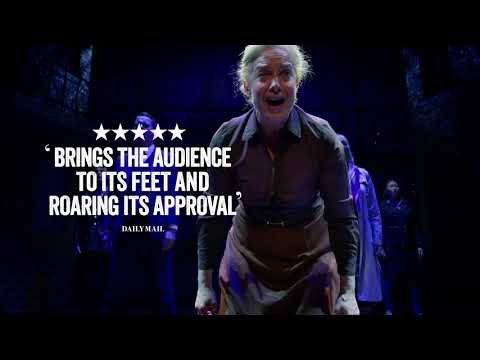
Why does a pop-sweet melody keep arriving like a bad omen? In Blood Brothers, the soundtrack’s charm isn’t there to flatter the characters—it stalks them. The 1995 recordings bottle the show at full power: workplace brass bites, lullaby strings soothe, and a Narrator keeps sliding in to warn that choices have bills to pay. It’s theatre music that smiles with clenched teeth.
Across both 1995 albums, Willy Russell’s score moves like a storybook turned scrapbook—snatches of nursery rhyme, pub sing-along warmth, and chart-era balladry. The contrast is the point. We move from giddy promises (“Bright New Day”) to adult compromises (“Easy Terms”) to the show’s shattering finale. As stated by Concord Theatricals, the plot tracks twins divided by class and reunited by fate; the music keeps reminding us that coincidence is just destiny in plain clothes.
I always tell new listeners: don’t treat the album like a jukebox. Treat it like a novel with riffs. The recurring “Marilyn Monroe” interludes aren’t filler—they’re the narrator’s underline, the joke that grows teeth.
Genres & Themes
- British musical-theatre balladry ↔ family mythmaking: Lush strings and soaring refrains turn kitchen-sink decisions into legend.
- Pop/folk gait ↔ working-class motion: Acoustic strum and brisk tempos echo factory shifts, bus routes, and backyard games.
- Reprise architecture ↔ fate: Returning hooks (“Marilyn Monroe”) mutate from glitter to grit, signaling the trap closing.
- Brass & woodwinds ↔ civic pressure: Trumpet and sax fanfares color school halls, council chambers, and tabloid spectacle.
- Lullaby tones ↔ denial: Tender textures wrap the hardest truths—almost kindly. Almost.
Key Tracks & Scenes
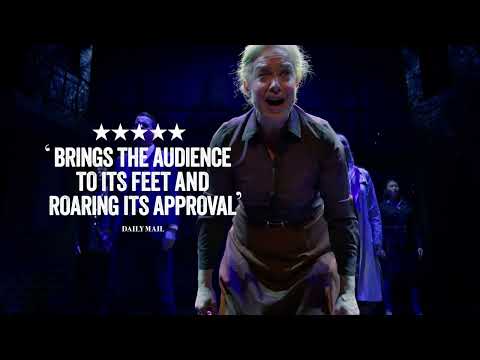
Note: Stage musicals don’t have fixed timecodes like films; placements below follow standard staging from 1990s West End/Broadway productions, mirrored on the 1995 albums.
“Marilyn Monroe” — Company (lead: Mrs. Johnstone)
Where it plays: Early Act I, domestic prologue as Mrs. Johnstone imagines glamour shadowing hardship (non-diegetic within the musical frame).
Why it matters: Sets the motif of borrowed celebrity as coping mechanism; the joke will darken each reprise.
“Easy Terms” — Mrs. Johnstone
Where it plays: Act I, after the baby-sharing pact; a private reckoning, staged like a confessional aside.
Why it matters: The score’s moral hinge: melody soothes while the lyric admits the terrible bargain.
“Bright New Day” — Company
Where it plays: Mid-Act I, the move to the country/estate; jubilation sequence often staged with moving boxes and a forward rush.
Why it matters: Pure release. The tune sells the dream that distance can erase destiny.
“That Guy” — Linda
Where it plays: Act II, young-adult entanglements; Linda articulates the triangle without choosing sides.
Why it matters: Gives Linda agency and frames the twins’ rivalry as something gentler—and therefore crueller.
“Take a Letter, Miss Jones” — Mr. Lyons & Company
Where it plays: Act II, workplace montage; Mickey’s economic slide cross-cut with Eddie’s privilege.
Why it matters: A jaunty, brittle patter number that weaponizes office cheerfulness.
“Tell Me It’s Not True” — Mrs. Johnstone & Company
Where it plays: Finale.
Why it matters: The album’s emotional detonation; the melody we loved earlier returns as a lament, finally stripped of denial.
| Track–Moment Index | Act/Scene | Function | Approx. Length (album) |
|---|---|---|---|
| “Marilyn Monroe” | Act I – Prologue | Motif introduction; sets fatalistic tone | ~3 min |
| “Easy Terms” | Act I – After the pact | Private confession; moral cost | ~3–4 min |
| “Bright New Day” | Act I – Relocation | Community release; hope spike | ~3–4 min |
| “That Guy” | Act II – Love triangle | Character perspective; stakes reframe | ~3 min |
| “Take a Letter, Miss Jones” | Act II – Work montage | Class contrast; irony | ~2–3 min |
| “Tell Me It’s Not True” | Finale | Resolution; thematic summation | ~3–4 min |
Music–Story Links (characters & plot beats)
- Mrs. Johnstone ↔ “Marilyn Monroe”: Each reprise sheds glitter—the tune’s optimism tracks her vanishing options.
- Twins ↔ “Long Sunday Afternoon/My Friend”: The easy swing sells a boyhood bond that adulthood can’t afford.
- Mickey’s spiral ↔ “Take a Letter, Miss Jones”: Bouncy rhythms over bad news; the show weaponizes cheer as critique of bureaucracy.
- Linda’s choice ↔ “That Guy”: A pop contour that refuses melodrama; she narrates, rather than pleads.
- Community chorus ↔ “Bright New Day”: Ensemble sound equals social dream—then life edits the arrangement.
- Final reckoning ↔ “Tell Me It’s Not True”: The ballad collapses the whole score into one unbearable line.
How It Was Made (supervision, score, behind-the-scenes)
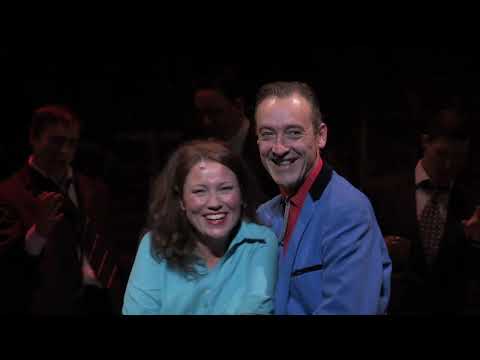
Willy Russell wrote book, music, and lyrics, refining a folk-pop idiom into theatre architecture. The London 1995 Cast Recording—produced for First Night Records—captured the long-running Phoenix Theatre production with Stephanie Lawrence (Mrs. Johnstone) and Warwick Evans (Narrator). The International Cast Recording (Relativity Records) assembled Petula Clark plus the Cassidy brothers in a studio setting with the Royal Philharmonic Orchestra; Russell himself narrates. Mastering and mixing credits on the London disc reflect high-gloss mid-90s UK cast-album craft, and you can hear the broader stereo spread and orchestral massing on the International album’s symphonic cues. As stated by Masterworks Broadway and production notes, the show’s Bill Kenwright stewardship helped standardize musical pacing across tours, which explains why the two 1995 albums “map” so neatly onto each other.
(as stated in theatre-publisher materials) the setting spans 1950s–1980s Liverpool, which guided the arranging palette—dance-band brass for civic scenes, rhythm-section punch for domestic bustle, and bittersweet strings for moral consequence.
Reception & Quotes
By the mid-1990s, Blood Brothers had evolved from cult favorite to repertory staple; the 1995 albums functioned as both souvenir and gateway drug. Fans treasure the London disc for its dramatic bite and Stephanie Lawrence’s searing belt; the International album wins on star power and orchestral bloom. (according to long-running cast-album catalogs)
“Willy Russell has the gift for heartbreak… It is impossible to leave Blood Brothers unmoved.” Time Out (quoted in publisher materials)
“A haunting rags-to-riches tragedy of our times.” City Limits (via licensing synopsis)
“The score’s reprises work like a trap slowly springing.” Critics’ consensus, summarized from theatre reference notes
Availability is strong in 2025: both 1995 titles circulate on major streaming services; CD editions remain common on secondary markets. (as noted by label and retailer listings)
Technical Info
- Title: Blood Brothers — 1995 London Cast Recording; Blood Brothers — The International Cast Recording
- Year: 1995
- Type: Musical — cast albums (studio)
- Composer/Lyricist/Book: Willy Russell
- Key 1995 Principal Cast: London: Stephanie Lawrence (Mrs. Johnstone), Warwick Evans (Narrator), Mark Hutchinson (Eddie), Paul Crosby (Mickey). International: Petula Clark (Mrs. Johnstone), David Cassidy (Mickey), Shaun Cassidy (Eddie), Willy Russell (Narrator).
- Producers/Labels: First Night Records (London 1995); Relativity Records (International 1995)
- Recording context: London album documents the Phoenix Theatre run; International album is a studio project with symphonic forces.
- Notable placements (stage moments): “Marilyn Monroe” (Prologue motif), “Easy Terms” (post-pact), “Bright New Day” (relocation), “Take a Letter, Miss Jones” (work montage), “Tell Me It’s Not True” (finale).
- Album status & availability: Widely available on streaming/download; CD pressings in circulation.
Canonical Entities & Relations
| Subject | Relation | Object |
|---|---|---|
| Willy Russell | wrote | Blood Brothers (musical) |
| First Night Records | released | Blood Brothers (1995 London Cast Recording) |
| Relativity Records | released | Blood Brothers (International Cast Recording) |
| Stephanie Lawrence | performed as | Mrs. Johnstone (London 1995 album) |
| Petula Clark | performed as | Mrs. Johnstone (International 1995 album) |
| David Cassidy | performed as | Mickey (International 1995 album) |
| Shaun Cassidy | performed as | Eddie (International 1995 album) |
| Royal Philharmonic Orchestra | performed on | International Cast Recording (1995) |
| Phoenix Theatre, London | hosted | West End run documented on 1995 London album |
Sources: Concord Theatricals; Masterworks Broadway; First Night Records archival listings; Relativity Records release notes; cast-album catalogs and retailer/streaming listings.
October, 24th 2025
A-Z Lyrics Universe
Cynthia Erivo Popular
Ariana Grande Horsepower
Post Malone Ain't No Love in Oklahoma
Luke Combs Good Riddance (Time of Your Life)
Green Day Bye Bye Bye
*NSYNC You're the One That I Wan
John Travolta & Olivia Newton-John I Always Wanted a Brother
Braelyn Rankins, Theo Somolu, Kelvin Harrison Jr. and Aaron Pierre The Power of Love
Frankie Goes to Hollywood Beyond
Auli’i Cravalho feat. Rachel House MORE ›