
"Candide" Soundtrack Lyrics
Musical • 1997
Track Listing
Candide Cast
Candide Cast
Candide Cast
Candide Cast
Candide Cast
Candide Cast
Candide Cast
Candide Cast
Candide Cast
Candide Cast
Candide Cast
Candide Cast
Candide Cast
Candide Cast
Candide Cast
Candide Cast
"Candide" Soundtrack Description
Questions and Answers
- Is there an official cast album for the 1997 Broadway revival?
- Yes. Candide (New Broadway Cast Recording) was issued July 29, 1997 on RCA Victor/BMG, drawn from the Harold Prince revival at the Gershwin Theatre. (as listed on Apple Music and cast-album catalogs)
- Who are the principal singers on this 1997 recording?
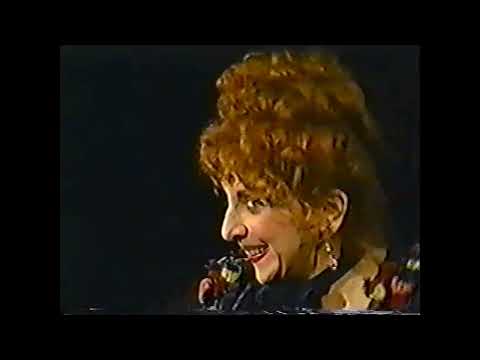
- Jason Danieley (Candide), Harolyn Blackwell (Cunegonde), Jim Dale (Voltaire/Dr. Pangloss et al.), Andrea Martin (Old Lady), with Brent Barrett (Maximilian). (per IBDB credits and the album metadata)
- Who wrote the music and lyrics used here?
- Music by Leonard Bernstein; primary lyrics by Richard Wilbur with additional lyrics by Stephen Sondheim and John La Touche (among others, depending on number). (according to Masterworks/IBDB notes)
- How does the 1997 revival differ from earlier versions?
- It uses Hugh Wheeler’s book (Prince’s version) with revised continuity/orchestrations, and restores/reshapes numbers like “Auto-da-Fé” and “We Are Women” to fit the Prince staging. (as summarized by Masterworks Broadway and the Sondheim Guide)
- Is this a “complete” Candide?
- It’s a full representation of the 1997 revival, but Bernstein’s Candide exists in many editions; song orders and inclusions vary by production. (as discussed in discography overviews)
- Where can I hear it today?
- Streaming services host the 24-track album credited to the “New Broadway Cast of Candide (1997).” (see Apple Music/Spotify listings)
Notes & Trivia
- The revival ran at Broadway’s Gershwin Theatre from April 29 to July 27, 1997, with Harold Prince directing and Patricia Birch choreographing. (according to IBDB)
- The cast album was recorded at The Hit Factory (NYC) in May 1997 and released by RCA Victor (BMG). (as documented by the Sondheim Guide discography)
- Costume designer Judith Dolan won the 1997 Tony Award for this production. (per the operetta’s production history summaries)
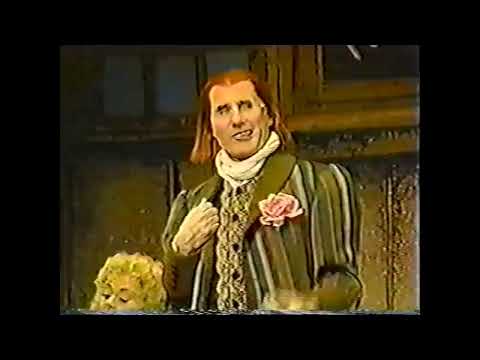
- Jim Dale doubles as Voltaire and Dr. Pangloss on stage and album, a Prince-era hallmark. (as noted by Playbill’s archival feature)
- Because Candide has multiple authorized versions, song lists differ between the 1956 original, the 1974 Wheeler/Prince edition, the 1997 revival, and later concert versions. (as Masterworks Broadway’s notes outline)

Overview
How do you bottle optimism and still make it sting? The 1997 Broadway revival of Leonard Bernstein’s Candide answers with a pit-band blaze and razor-bright comic timing. On the New Broadway Cast Recording, the show’s DNA—Bernstein’s brassy overture, Wilbur’s diamond-cut rhymes, and Prince’s carnival-of-catastrophes staging—comes through like a traveling show that set up inside a grand opera house. You hear innocence, then irony, then a hard-won hymn.
Harolyn Blackwell’s Cunegonde turns “Glitter and Be Gay” into vocal fireworks; Jason Danieley’s title character holds the line between guileless and gallant; Jim Dale’s Pangloss/Voltaire keeps the patter nimble; Andrea Martin’s Old Lady steals scenes with a wink you can hear. It’s a recording that plays as a complete night out—curtain up to “Make Our Garden Grow.” (according to Playbill’s cast profile and Masterworks Broadway’s album page)
Genres & Themes
- Operetta sparkle + Broadway brass: Viennese pastiche collides with show-tune swagger; optimism gets a big-band grin.
- Satirical patter: Wilbur/Sondheim wordplay lands like stand-up in 6/8—charm as a delivery system for critique.
- Orchestral color as geography: Lisbon quakes, Paris waltzes, Eldorado glows—Bernstein paints every port of call.
- Earned catharsis: The finale abandons “best of all possible worlds” for “tend your garden”—music tightening into resolve.
Tracks & Scenes
“Overture” — Orchestra
Where it plays: Curtain-up blitz; Bernstein’s greatest three-minute calling card.
Why it matters: A kaleidoscope of themes that previews comedy, chaos, and color.
“The Best of All Possible Worlds” — Pangloss, Cunegonde, Candide & Chorus
Where it plays: Westphalia lesson scene as Pangloss teaches blithe philosophy.
Why it matters: Sets up the operating irony—sunny doctrine before the storm. (as staged in the Prince/Wheeler version)
“Oh, Happy We” — Candide & Cunegonde
Where it plays: Young lovers’ duet immediately after class, still in Westphalia.
Why it matters: A bliss bubble you can pop with a pin; the album keeps it feather-light.
“Auto-da-Fé” — Company
Where it plays: Lisbon’s public spectacle of punishment after the earthquake.
Why it matters: Martial satire; pomp, parade, and a flogged hero.
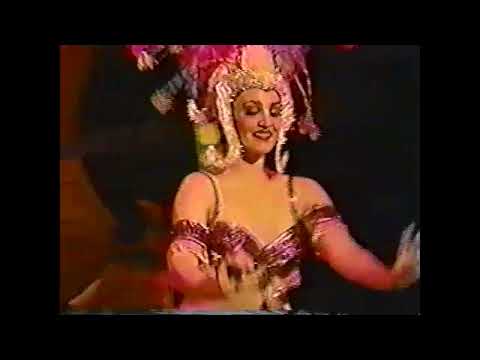
“Glitter and Be Gay” — Cunegonde
Where it plays: Paris; Cunegonde justifies survival with high-wire coloratura.
Why it matters: The showstopper—Blackwell’s top-note sparkle sells moral whiplash. (as noted in album write-ups)
“I Am Easily Assimilated” — Old Lady & Ensemble
Where it plays: On the road; the Old Lady’s pragmatic anthem of reinvention.
Why it matters: Comedy with a cosmopolitan shrug; Andrea Martin milks every aside.
“We Are Women” — Cunegonde & Old Lady
Where it plays: Sisterly survival duet during their grifter phase.
Why it matters: Glitter meets grit—two playbooks, same results.
“Bon Voyage” — Company (led by Pangloss/Voltaire)
Where it plays: Departure flourish before another misadventure.
Why it matters: A carnivalesque reset button; 1997’s staging turned it into a crowd-rouser. (see the number’s 1997 Tony performance references)
“Make Our Garden Grow” — Company
Where it plays: Finale in the new homestead.
Why it matters: The moral lands in harmony: less Pangloss, more planting.
Music–Story Links (characters & plot beats)
- Pangloss’s lesson (“Best of All Possible Worlds”) supplies the thesis the plot keeps disproving; each reprise or echo arrives a little more dented.
- “Glitter and Be Gay” reframes Cunegonde’s arc as survival with style—virtuosity weaponized against circumstance.
- The Old Lady’s “Easily Assimilated” and the duet “We Are Women” turn hardship into gallows wit; comedy becomes armor.
- The finale trades metaphysics for praxis: “Make Our Garden Grow” makes the moral audible—community over cosmology.
How It Was Made (supervision, score, behind-the-scenes)
Prince’s 1997 Broadway edition uses Hugh Wheeler’s adaptation of Voltaire, with musical direction by Eric Stern and orchestrations credited to Leonard Bernstein and Hershy Kay, plus continuity/additional orchestrations by John Mauceri. The album itself was produced for RCA Victor at The Hit Factory in May 1997. (as Masterworks/IBDB/Sondheim Guide records detail)
Lyric credits in this version primarily read “Richard Wilbur, with additional lyrics by Stephen Sondheim and John La Touche,” reflecting decades of revisions. The revolving-door nature of Candide is the point: you can adjust form while aiming the same satirical arrow. (as noted in Sondheim-centric resources)
Reception & Quotes
The revival was noted for its pageant-like staging and for Andrea Martin’s scene-stealing Old Lady, while Judith Dolan’s costumes earned a Tony. Album-wise, listeners still cite Blackwell’s “Glitter and Be Gay” and the roof-raising company finale. (according to Playbill and production histories)
“The cast is headed by Jim Dale… Harolyn Blackwell as Cunegonde… Jason Danieley as Candide, and Andrea Martin as the Old Lady.” Playbill archive
“Recorded at The Hit Factory… RCA Victor 09026-68835-2.” Sondheim Guide discography
Technical Info
- Title: Candide — New Broadway Cast Recording (1997)
- Year / Type: 1997 / Musical (Broadway revival)
- Music: Leonard Bernstein
- Lyrics: Richard Wilbur (primary); additional lyrics by Stephen Sondheim, John La Touche (and others historically)
- Book (used in this revival): Adapted from Voltaire by Hugh Wheeler
- Director / Choreographer (revival): Harold Prince / Patricia Birch
- Principal cast (album): Jason Danieley; Harolyn Blackwell; Jim Dale; Andrea Martin; Brent Barrett
- Label / Release: RCA Victor (BMG) — July 29, 1997; recorded at The Hit Factory, NYC
- Notable numbers (1997 edition): “The Best of All Possible Worlds,” “Oh, Happy We,” “Auto-da-Fé,” “Glitter and Be Gay,” “I Am Easily Assimilated,” “We Are Women,” “Bon Voyage,” “Make Our Garden Grow”
- Awards context: 1997 Tony Award — Best Costume Design (Judith Dolan)
- Availability: Streaming on major platforms as Candide (New Broadway Cast Recording (1997))
Canonical Entities & Relations
| Subject | Relation | Object |
|---|---|---|
| Leonard Bernstein | composed | Candide (operetta) |
| Richard Wilbur | wrote primary lyrics for | Candide |
| Stephen Sondheim; John La Touche | provided additional lyrics to | Candide |
| Hugh Wheeler | adapted book for | Candide (revival text) |
| Harold Prince | directed | 1997 Broadway revival |
| Patricia Birch | choreographed | 1997 Broadway revival |
| RCA Victor / BMG | released | 1997 New Broadway Cast Recording |
| Jason Danieley | performed as | Candide (1997 cast/album) |
| Harolyn Blackwell | performed as | Cunegonde (1997 cast/album) |
| Jim Dale | performed as | Voltaire / Dr. Pangloss (1997 cast/album) |
| Andrea Martin | performed as | Old Lady (1997 cast/album) |
Sources: Masterworks Broadway; IBDB (production & credits); Playbill archives; SondheimGuide (Candide discography/credits); Apple Music (1997 album page); Spotify listing; Discogs (RCA Victor release details).
October, 26th 2025
A-Z Lyrics Universe
Cynthia Erivo Popular
Ariana Grande Horsepower
Post Malone Ain't No Love in Oklahoma
Luke Combs Good Riddance (Time of Your Life)
Green Day Bye Bye Bye
*NSYNC You're the One That I Wan
John Travolta & Olivia Newton-John I Always Wanted a Brother
Braelyn Rankins, Theo Somolu, Kelvin Harrison Jr. and Aaron Pierre The Power of Love
Frankie Goes to Hollywood Beyond
Auli’i Cravalho feat. Rachel House MORE ›