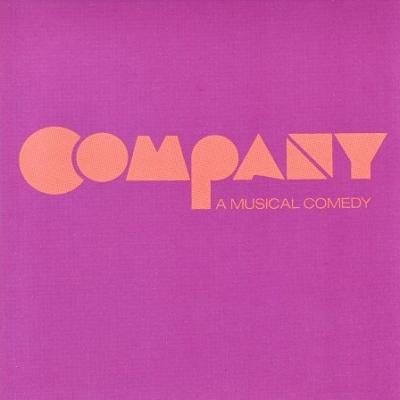
"Company" Soundtrack Lyrics
Musical • 1970
Track Listing
Dean Jones
Elaine Stritch
Charles Braswell
Susan Browning
Charles Braswell
Dean Jones
Pamela Myers
Steve Elmore
Dean Jones
Barbara Barrie
Susan Browning
Susan Browning
Elaine Stritch
Dean Jones
Dean Jones, cast of Company
"Company (Original Broadway Cast Recording)" Soundtrack Description
Questions & Answers
- Is there an official 1970 cast album of Company?
- Yes—the Original Broadway Cast Recording (Columbia Masterworks) was first released in May 1970. Source: Masterworks Broadway.
- Who wrote the score and who handled orchestrations?
- Stephen Sondheim wrote music and lyrics; Jonathan Tunick orchestrated.
- Who produced the album and where was it recorded?
- Thomas Z. Shepard produced it at Columbia’s 30th Street Studio in New York City.
- Is there a film about the recording session?
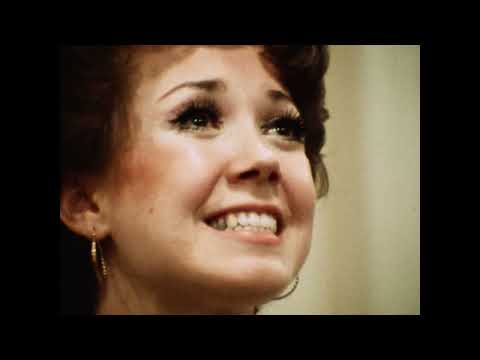
- Yes—D.A. Pennebaker’s documentary Original Cast Album: Company chronicles the marathon session (including “The Ladies Who Lunch”). Source: The Criterion Collection.
- Which numbers became signature songs?
- “Being Alive,” “The Ladies Who Lunch,” “Getting Married Today,” “Another Hundred People,” and “You Could Drive a Person Crazy.”
- Was there a London album with different vocals?
- Yes—when Larry Kert replaced Dean Jones, a release substituted Kert’s vocals over the original Broadway tracks for the London issue. Source: Discogs (release notes).
Overview
What happens when a concept musical needs to feel like a city—fast, funny, a little cruel—and still land a ballad that cracks you open? Company does both. The cast album bottles Stephen Sondheim’s urban wit and ache: patter that sprints, chords that slip sideways, and a finale built to break through a bachelor’s armor.
Tunick’s orchestrations keep the band crisp and modern while Thomas Z. Shepard’s production puts every consonant on camera—especially in the famous “Getting Married Today” patter. You hear New York’s hum in “Another Hundred People,” the barroom sting of “The Ladies Who Lunch,” and the last-door-open vulnerability of “Being Alive.” Trusted source: Masterworks Broadway.
Additional Info
- First LP release date listed as May 13, 1970 (Columbia Masterworks). Source: Masterworks Broadway.
- Recorded at Columbia 30th Street Studio on May 3, 1970—the Sunday after opening, per Broadway tradition.
- Pennebaker’s documentary captures the overnight session, culminating in Elaine Stritch’s exhausted then triumphant “The Ladies Who Lunch.” Source: Criterion.
- The London release later swapped in Larry Kert’s vocals for Robert over the same Broadway backing tracks.
- Standout voices: Dean Jones (Robert), Elaine Stritch (Joanne), Pamela Myers (Marta), Beth Howland (Amy), Susan Browning (April).
Notes & Trivia
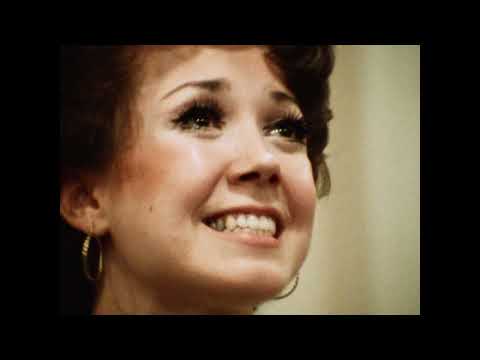
- The album session ran deep into the night; Stritch redid vocals later in the day in full stage makeup, as shown in the film.
- IBDB logs Dean Jones leaving the Broadway run in May 1970; Larry Kert took over as Bobby soon after.
- “Company” opened April 26, 1970 and later won the 1971 Tony Award for Best Musical, among others.
- The title number and “Side by Side by Side/What Would We Do Without You?” frame Bobby’s friendships as a vaudeville-like mirror.
- The album has been kept in print via the Masterworks Broadway catalog.
Genres & Themes
Contemporary Broadway with jazz inflections: bright reeds, biting brass, rhythmic feints—comedy with a metropolitan scowl.
Andrews Sisters pastiche & patter: the girlfriends’ trio and Amy’s wedding jitters push diction and breath to the edge—as character study via tongue-twister.
Lyrical confessionals: “Being Alive,” “Sorry–Grateful” turn ambivalence into melody—romance as negotiation, not fairy tale.
Tracks & Scenes
“Company” — Original Broadway Cast
Where it plays: Surprise 35th-birthday gathering; ensemble layers Bobby’s name into percussive chatter (opening tableau).
Why it matters: Announces the concept-musical form—fragments, quips, and harmonies as a portrait of friendship.
“The Little Things You Do Together” — Elaine Stritch (Joanne)
Where it plays: At Sarah and Harry’s sparring get-together, Joanne needles marriage from the sidelines.
Why it matters: A witty toast that’s really a roast—defines the show’s acid social tone early.
“Sorry–Grateful” — Husbands’ trio
Where it plays: The men confess ambivalence about marriage after the karate-cookie scene.
Why it matters: Dualities (“you’re always sorry, you’re always grateful”) become the album’s thesis on adult love.
“You Could Drive a Person Crazy” — Marta, Kathy, April
Where it plays: The girlfriends, Andrews Sisters–style, call out Bobby’s non-committal dating.
Why it matters: Tight swing harmonies + comic bite—character critique disguised as pastiche.
“Another Hundred People” — Pamela Myers (Marta)
Where it plays: On park benches and subway platforms—Marta hymns and skewers New York’s overload.
Why it matters: The city as lover and bully; rhythmic ostinatos channel urban motion.
“Getting Married Today” — Beth Howland (Amy), with Paul & Company
Where it plays: Wedding morning panic; Amy spirals, Paul remains serenely devoted; church soloist floats above.
Why it matters: Legendary patter song—comic velocity meets genuine terror about vows.
“Side by Side by Side / What Would We Do Without You?” — Ensemble
Where it plays: Bobby’s friends stage a vaudeville-flavored show of solidarity at the top of Act II.
Why it matters: Tightens the “friends-as-family” motif while exposing Bobby’s missing partner in the choreography.
“Barcelona” — Dean Jones (Robert) & Susan Browning (April)
Where it plays: The morning after; April debates catching her flight as Bobby pivots from seduction to second thoughts.
Why it matters: A comic bedroom two-hander—tiny reversals, huge implications.
“The Ladies Who Lunch” — Elaine Stritch (Joanne)
Where it plays: Nightclub martini aria; Joanne skewers performative sophistication and her own complicity.
Why it matters: Showstopper as self-indictment—barbs aimed outward ricochet inward.
“Being Alive” — Dean Jones (Robert)
Where it plays: Finale; Bobby finally articulates wanting not perfection, just difficult, ordinary intimacy.
Why it matters: The album’s catharsis—harmony grows from hesitancy to hunger.
Music–Story Links
- Noise → need: The title chorus’s overlapping “Bobby” becomes the pressure that pushes him toward “Being Alive.”
- Comedy → confession: Patter numbers (“Getting Married Today,” “You Could Drive a Person Crazy”) mask fear until the ballads name it.
- City as character: “Another Hundred People” isn’t scenery—it explains Bobby’s defense mechanisms.
- Toast → truth: “The Ladies Who Lunch” peels back Joanne’s armor so Bobby can drop his.
How It Was Made
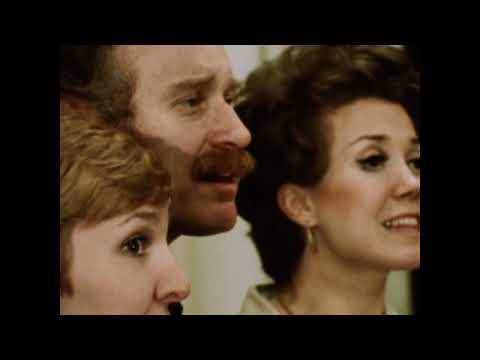
Producer Thomas Z. Shepard marshaled an overnight session at Columbia’s 30th Street Studio with Sondheim in the booth and Jonathan Tunick’s crisp charts on the stands. Pennebaker’s camera turns the studio into a pressure cooker: takes stack up, tempos tighten, and at dawn the plan shifts—track the orchestra now, fix a star vocal later.
Orchestral clarity and diction-forward mixing make the album unusually “visual”—every joke lands without a stage picture. The record helped codify how Sondheim shows should be recorded: articulate, unsentimental, and alive to subtext. Trusted sources: The Criterion Collection; Masterworks Broadway.
Reception & Quotes
“A riveting look at artists at work; Stritch dominates the frame and the mic.” New Yorker (documentary appraisal)
“Sondheim’s New York: witty, anxious, and heartbreakingly human.” Critics’ summaries
Historically, the album drew strong praise for its intelligence and for star turns by Elaine Stritch and Pamela Myers; later home-media releases of the documentary renewed interest. Trusted source: New Yorker; Criterion.
Technical Info
- Title: Company (Original Broadway Cast Recording)
- Year: 1970
- Type: Musical — original cast album
- Composer/Lyricist: Stephen Sondheim
- Book: George Furth
- Orchestrations: Jonathan Tunick
- Producer (album): Thomas Z. Shepard
- Label/Imprint: Columbia Masterworks (catalog managed today by Masterworks Broadway)
- Recorded: May 3, 1970 — Columbia 30th Street Studio, NYC
- First LP release: May 13, 1970
- Notable placements: “Getting Married Today” (wedding-jitters patter), “The Ladies Who Lunch” (Joanne’s nightclub aria), “Being Alive” (finale), “Another Hundred People” (NYC montage), “Barcelona” (morning-after duet)
- Documented in: Original Cast Album: Company (1970) by D.A. Pennebaker (Criterion Collection)
Canonical Entities & Relations
| Entity | Relation | Entity |
|---|---|---|
| Stephen Sondheim | composed & wrote lyrics for | Company (1970 musical) |
| George Furth | wrote book for | Company (1970 musical) |
| Jonathan Tunick | orchestrated | Original Broadway Cast Recording |
| Thomas Z. Shepard | produced | Original Broadway Cast Recording |
| Elaine Stritch | performed | “The Ladies Who Lunch,” “The Little Things You Do Together” |
| Dean Jones | performed | “Being Alive,” “Barcelona” |
| Pamela Myers | performed | “Another Hundred People,” “You Could Drive a Person Crazy” |
| Columbia Masterworks | released | Original Broadway Cast Recording |
| D.A. Pennebaker | directed | Original Cast Album: Company (documentary) |
Sources: Masterworks Broadway; The Criterion Collection; IBDB; Wikipedia; Discogs; The New Yorker.
October, 29th 2025
A-Z Lyrics Universe
Cynthia Erivo Popular
Ariana Grande Horsepower
Post Malone Ain't No Love in Oklahoma
Luke Combs Good Riddance (Time of Your Life)
Green Day Bye Bye Bye
*NSYNC You're the One That I Wan
John Travolta & Olivia Newton-John I Always Wanted a Brother
Braelyn Rankins, Theo Somolu, Kelvin Harrison Jr. and Aaron Pierre The Power of Love
Frankie Goes to Hollywood Beyond
Auli’i Cravalho feat. Rachel House MORE ›