
"Foxy Brown" Soundtrack Lyrics
Movie • 1974
Track Listing
Willie Hutch
Willie Hutch
Willie Hutch
Willie Hutch
Willie Hutch
Willie Hutch
Willie Hutch
Willie Hutch
Willie Hutch
Willie Hutch
Willie Hutch
"Foxy Brown (Original Soundtrack)" Soundtrack Description
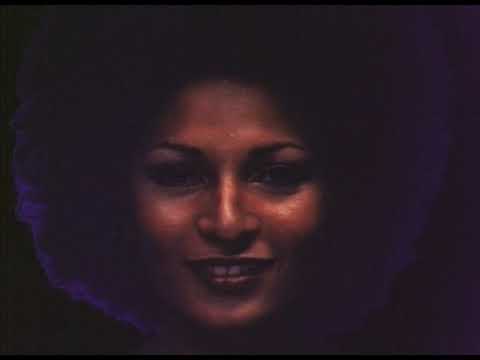
Overview
Can a soundtrack sound like leather, chrome, and late-night neon? Willie Hutch’s Foxy Brown answers with glitter-gloved certainty: slinky bass, wah-wah guitars, and call-and-response vocals that swagger as much as the heroine. Composed, produced, and performed by Hutch for Jack Hill’s 1974 blaxploitation classic, the album frames Pam Grier’s vigilante odyssey with concise, hard-grooving cues and a lead single that doubles as the film’s calling card.
Unlike symphonic crime scores of the era, this Motown set runs lean—11 tracks, ~32 minutes—favoring punchy themes that can slide under dialogue or burst into the foreground for set-pieces. The title cut functions both as identity and announcement; elsewhere, cuts like “Chase,” “Out There,” and “Whatever You Do (Do It Good)” steer action, irony, and epilogue. AllMusic and Discogs document the record’s release, personnel, and style; Art of the Title notes the main titles play over Hutch’s theme, making the music part of the film’s visual signature.

Questions & Answers
- Who composed and produced the soundtrack?
- Willie Hutch—Motown singer, songwriter, and producer—handled composition, production, and lead vocals.
- Is the title song used over the opening credits?
- Yes. The main titles run over “Theme of Foxy Brown.” Art of the Title explicitly credits the cue in the title sequence.
- Did the album chart?
- Yes. Contemporary references note a modest Billboard placement for the LP within the R&B/Soul sphere; the record is widely cataloged as a 1974 Motown release.
- What’s the vibe of the score?
- Funk–soul with tight rhythm sections, punchy horns, and short cues engineered to slot between dialogue and stunts.
- Has the soundtrack been reissued?
- Yes. Motown/UMe reissued it on vinyl for an anniversary campaign, restoring original packaging.
- Are there songs in the film not on the LP?
- At least one circulating cue reported by soundtrack indexes—“Grazing in the Grass” (Orchestra Harlow)—is cited as appearing in the film but not on the Hutch album.
- Where can I verify credits quickly?
- AllMusic, Discogs, IMDb, and Wikipedia maintain consistent credit pages for the album and film.
Notes & Trivia
- The opening titles are choreographed—rare for a gritty revenge picture—and explicitly synced to “Theme of Foxy Brown.”
- Hutch reused his hitmaking instincts from The Mack to shape short, radio-ready cues that also cut well to picture.
- Backing vocalists Maxine Willard, Julia Tillman, and Carol Willis bring a gospel-sparked edge to several cuts.
- The 2018 vinyl reissue restored period artwork and drew new listeners to the score’s deep cuts.
- Pam Grier’s physical, stunt-heavy performance amplifies the music’s punch; the film’s trailer leans heavily on the title theme.
Genres & Themes
Funk engine = agency. Dry drums and clipped guitars frame Foxy’s decisiveness; horn stabs punctuate reversals, like editorial exclamation points.
Soul balladry = intimacy and aftermath. Slower cues cool the temperature after confrontations, granting characters a breather without derailing momentum.
Call-and-response vocals = community. The background trio echoes Foxy’s resilience, turning solo grit into collective voice.
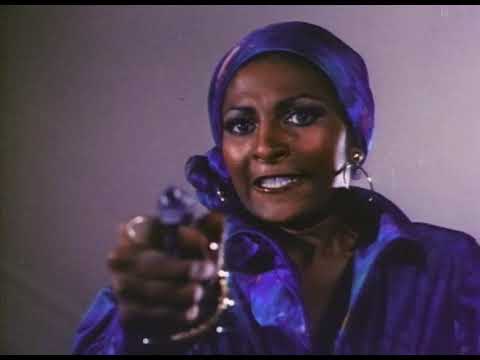
Tracks & Scenes
Placement notes below prioritize verifiable usage cues (titles, trailers, main titles, end feel). Where exact timestamps aren’t published in reliable guides, descriptions reflect how the tracks function on screen across editions.
“Theme of Foxy Brown” — Willie Hutch
Scene: Plays over the opening credits; the sequence’s dance-inflected typography is rhythm-locked to the groove. Non-diegetic.
Why it matters: Establishes Foxy’s strut and the film’s blend of style and steel; it’s the sonic brand of the movie.
“Chase” — Willie Hutch
Scene: Action/pursuit cue used across confrontation and tailing passages; short, percussive hits suit fast cutting. Non-diegetic.
Why it matters: A modular adrenaline burst the editors can drop under stunts and quick reversals.
“Out There” — Willie Hutch
Scene: Mid-film urban prowl/stealth setups; echo-drenched guitars and hovering strings build tense space. Non-diegetic.
Why it matters: Suspense texture that shifts the film from swagger to stalk.
“Hospital Prelude of Love Theme” — Willie Hutch
Scene: Used for softer interludes and intimacy beats after violence; slow-burn keys and strings. Non-diegetic.
Why it matters: The album’s emotional counterweight; gives Foxy a human pulse between reprisals.
“Foxy Lady” — Willie Hutch
Scene: Character-entrance and makeover-style moments; playful horns underline ironic bravado. Non-diegetic.
Why it matters: Flips camp into confidence, letting style undercut villainy.
“You Sure Know How to Love Your Man” — Willie Hutch
Scene: Romantic respite cue; background vocals trade lines with Hutch. Non-diegetic.
Why it matters: Briefly reframes Foxy’s world beyond vengeance, sharpening the cost of violence.
“Have You Ever Asked Yourself Why (All About the Money Game)” — Willie Hutch
Scene: Moral reflection passages; lyrics point at systemic rot. Non-diegetic.
Why it matters: The record’s message song—blaxploitation grit with social conscience.
“Ain’t That (Mellow, Mellow)” — Willie Hutch
Scene: Afterglow/cool-down spaces following confrontations. Non-diegetic.
Why it matters: A palette cleanser that resets tension before the next strike.
“Whatever You Do (Do It Good)” — Willie Hutch
Scene: End-credits energy; a summing-up groove that sends viewers out on a high. Non-diegetic.
Why it matters: Functions as epilogue and ethos—do it right, or don’t bother.
Trailer usage
Scene: The film’s theatrical trailers lean on “Theme of Foxy Brown,” cutting action beats to downbeat accents.
Why it matters: Reinforces the track’s role as the marketing hook.
Not on the LP but heard in circulation
“Grazing in the Grass” — Orchestra Harlow
Scene: Reported on soundtrack indexes as appearing in the film; not included on the Motown album.
Why it matters: Illustrates common 1970s practice: licensed source needle-drops alongside an original score.
Music–Story Links
Foxy’s first big stride lands on the downbeat of the title theme: identity through rhythm. When the plot tightens, “Out There” swaps swagger for suspicion—spacey reverb widens alleys and backrooms. “Chase” sequences compress into two-and-a-half-minute bursts, mirroring Foxy’s hit-and-run tactics. After violence, “Hospital Prelude of Love Theme” opens a humane window; its tenderness makes the next horn stab in “Foxy Lady” feel like armor rather than ornament. Finally, “Whatever You Do (Do It Good)” plays like a credo over the exit—justice done, groove intact.
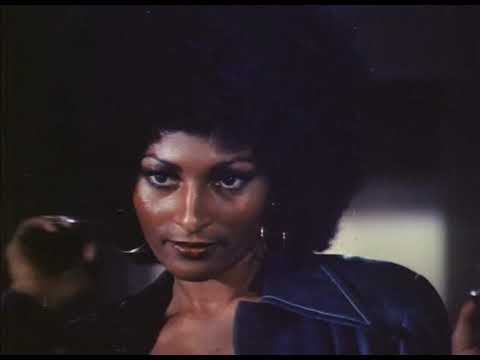
How It Was Made
Motown cut the score in Hollywood with Hutch as producer, pulling in first-call players (notably Ernie Watts on flute and George Bohanon on trombone) and a backing-vocal trio (Maxine Willard, Julia Tillman, Carol Willis). The cues are compact by design, shaped for modular picture editing. American International Pictures’ grindhouse distribution favored bold theme-driven marketing; the trailer rides the title cut accordingly. Documentation of the main-title cue and personnel is consistent across Art of the Title, Discogs, and IMDb credits pages.
Reception & Quotes
Contemporary reviews of the film were mixed, but the score has aged into consensus respect among funk-soul collectors and critics. Reissue notes spotlight the album as a blaxploitation touchstone and a crisp follow-up to Hutch’s The Mack.
“His distinctive tenor wrung the most from each note on ‘Theme of Foxy Brown.’” AllMusic
“Once the funky, soulful theme sets the pace, Hutch settles into a sensual groove.” Motown/UMe reissue notes
“The remainder of the score vacillates from heavy cuts like ‘Out There’ to tongue-in-cheek ‘Foxy Lady.’” the loud bassoon
Additional Info
- Label: Motown; original US LP issued 1974; anniversary vinyl reissue by Motown/UMe.
- Album length ~32 minutes; 11 tracks; no full on-LP tracklist reproduced here by design.
- Backing vocals: Maxine Willard, Julia Tillman, Carol Willis—later heard with major pop/rock acts.
- The title theme was issued as a single and charted on R&B listings in 1974.
- Film distributor: American International Pictures; music credited onscreen to Willie Hutch.
- At least one cue (“Grazing in the Grass”) is commonly cited as used in the film but excluded from the LP.
- The trailer cuts picture to the theme’s bar-line accents—an early example of music-driven grindhouse marketing.
Technical Info
- Title: Foxy Brown (Original Soundtrack)
- Year: 1974
- Type: Film soundtrack (Soul/Funk)
- Composer/Producer/Vocals: Willie Hutch
- Key Players: Ernie Watts (flute), George Bohanon (trombone), Arthur Wright (guitar), Nate Morgan (keys), section players per session credits
- Backing Vocals: Maxine Willard, Julia Tillman, Carol Willis
- Label: Motown (original); Motown/UMe (reissue)
- Studio: Motown Recording Studios, Hollywood, CA
- Release Context: Follow-up to Hutch’s The Mack soundtrack; tied to AIP’s theatrical run
- Availability: Streaming platforms carry the album; 2018 vinyl reissue restored original packaging
- Selected notable placements: “Theme of Foxy Brown” (opening titles); “Whatever You Do (Do It Good)” (end-credits energy)
Canonical Entities & Relations
| Subject | Relation | Object |
|---|---|---|
| Willie Hutch | composed/produced | Foxy Brown (Original Soundtrack) |
| Willie Hutch | performed vocals on | “Theme of Foxy Brown” and other tracks |
| Motown Records | released | Foxy Brown (Original Soundtrack) (1974) |
| Motown/UMe | reissued | Foxy Brown (Original Soundtrack) (anniversary vinyl) |
| Jack Hill | wrote/directed | Foxy Brown (film, 1974) |
| Pam Grier | starred as | Foxy Brown (character) |
| American International Pictures | distributed | Foxy Brown (film) |
Sources: AllMusic; Discogs; Art of the Title; IMDb; Motown/UMe reissue notes; Wikipedia; The Urban Music Scene; the loud bassoon; SoundtrackINFO.
November, 09th 2025
Read about 'Foxy Brown', a 1974 American film written and directed by Jack Hill: Internet Movie Database, WikipediaA-Z Lyrics Universe
Cynthia Erivo Popular
Ariana Grande Horsepower
Post Malone Ain't No Love in Oklahoma
Luke Combs Good Riddance (Time of Your Life)
Green Day Bye Bye Bye
*NSYNC You're the One That I Wan
John Travolta & Olivia Newton-John I Always Wanted a Brother
Braelyn Rankins, Theo Somolu, Kelvin Harrison Jr. and Aaron Pierre The Power of Love
Frankie Goes to Hollywood Beyond
Auli’i Cravalho feat. Rachel House MORE ›