
"Friday the 13th" Soundtrack Lyrics
Movie • 2009
Track Listing
Night Ranger
Bumblebeez
Classic
Living Things
Locksley
Stars
The Hives
Three AM
Lyrics Born
The Kills
Jimmy Gresham
Santogold
Steve Jablonsky
"Friday the 13th (Music from the Motion Picture)" Soundtrack Description
Overview
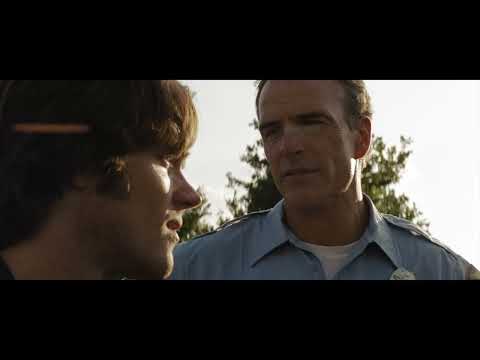
Can a slasher reboot sound both modern and familiar? This one splits the difference: a 13-track songs compilation for the party-and-cabin chaos, plus Steve Jablonsky’s steel-edged score that nods to Harry Manfredini’s classic “ki-ki-ki, ma-ma-ma” DNA. The songs album — issued by WaterTower Music (New Line Records at the time) — frontloads recognizable cuts to energize lake-house antics before the machete drops.
Jablonsky keeps tempos brisk and textures percussive, while the compilation leans into garage rock, indie dance and a few sly catalog picks. The label’s official track roster confirms a clear split between on-screen crowd-pleasers and album-only additions. Variety and later home-video notes underline how the mix prioritizes impact over nostalgia.
Questions & Answers
- What’s the official 2009 songs album?
- Friday the 13th (Music from the Motion Picture), released February 13, 2009 by WaterTower Music/New Line Records (13 tracks).
- Who composed the score?
- Steve Jablonsky. The film also licenses/credits Manfredini’s signature Jason vocal effects from the early entries.
- Is there a separate score release?
- Yes — an Expanded Score From the Motion Picture surfaced later as a separate release for the instrumental cues.
- Are all album songs used on screen?
- No. A few tracks are album-only; key party and boat cues match what you hear in the film.
- Which song drives the infamous lake sequence?
- “Tick Tick Boom” by The Hives underscores the brash, high-energy waterski scene.
- Trailer music?
- Promos mixed catalog rock with stings; the theatrical trailer cut leans on percussive hits rather than a single featured song.
- How faithful is the score to the original films?
- It echoes Manfredini’s language (breaths/whispers, stabbing strings) but favors modern low-end and shock stingers over full leitmotifs.
Notes & Trivia
- The songs compilation landed the same day as the U.S. theatrical release: Friday, February 13, 2009.
- Label credits show WaterTower Music acting as licensee for Warner Bros.; New Line Records branding still appears on some digital pages.
- Harry Manfredini receives a standalone “Jason Vocal Effects” credit in the film’s soundtrack list.
- An expanded score release collects Jablonsky’s instrumental cues beyond the single album track on the compilation.
- Trusted sources referenced in text: WaterTower Music, Apple Music, IMDb, Variety.
Genres & Themes
Garage/indie rock — swagger and motion (“Tick Tick Boom,” “Night Train,” “She Does”) telegraph carefree recklessness before the kills.
Alt/indie pop — flirtation and irony (“I Like It, I Love It,” “My Favourite Book” as album color) soften edges ahead of violence.
Modern score terror — Jablonsky’s low brass, processed hits, and breathy textures mirror sudden, athletic attacks.
Tracks & Scenes
“Sister Christian” — Night Ranger
Where it plays: ~00:10. Wade drifts into the woods with earbuds in; the sugar-sweet power ballad is diegetic (iPod).
Why it matters: Counterpoint. Sentimental ’80s gloss before a brutal first encounter.
“Get ’Em Up” — Classic
Where it plays: ~00:28, arriving at Trent’s family lake house; background source in the car/house chatter.
Why it matters: Stakes look like vibes — the track plants “party weekend” energy.
“She Does” — Locksley
Where it plays: ~00:35, Nolan and Chelsea drive to the boat shed; diegetic car stereo.
Why it matters: Bright, jangly setup before lake trouble.
“Tick Tick Boom” — The Hives
Where it plays: ~00:43, Chelsea waterskis; non-diegetic push bleeding into source feel.
Why it matters: Anthemic propulsion that turns showing-off into disaster fuel.
“I Like It, I Love It” — Lyrics Born
Where it plays: ~00:58, living-room dance as the guys watch Bree; foreground source at the party.
Why it matters: Flirtation dialed up — and so is everyone’s obliviousness.
“Night Train” — The Kills
Where it plays: ~01:02, Trent and Bree on the bed; non-diegetic mood that becomes the scene’s pulse.
Why it matters: Sleek menace that foreshadows a cut-short tryst.
“No Way to Stop It” — Jimmy Gresham
Where it plays: ~01:02, Lawrence smokes, detached from the group; source cue.
Why it matters: An older-soul groove that ironically titles the coming chaos.
“Shove It” — Santogold
Where it plays: ~01:04, Trent/Bree continue behind a locked door; non-diegetic overlay with a club undercurrent.
Why it matters: The swagger hook underlines the film’s tease/punish rhythm.
“Freak Ya Loneliness” — Bumblebeez
Where it plays: First end-credits song.
Why it matters: A jarring tonal crack from panic to post-shock cool.
“Post Millennium Extinction Blues” — Living Things
Where it plays: Second end-credits slot.
Why it matters: Title says it all — apocalypse humor after carnage.
“Crawl” — Breaking Benjamin
Where it plays: Third end-credits song.
Why it matters: Hard-rock coda that keeps adrenaline up even as the lights come up.
“Friday the 13th — Opening Title” — Steve Jablonsky
Where it plays: Title sequence; non-diegetic, motif-driven shock writing with Manfredini nods.
Why it matters: Establishes the reboot’s attack-forward musical language.
Album-only color: “My Favourite Book” by Stars appears on the official compilation but not prominently in the U.S. cut’s film mix.
Music–Story Links
Diegetic party cues sell denial — friends acting like nothing bad could happen at a lake house. When Jason closes in, songs give way to Jablonsky’s percussion hits and breath-driven textures that echo Manfredini’s vocabulary. The contrast is functional: carefree rhythms → tunnel-vision stabs. Even the end-credits sequence staggers three songs to walk the audience down from shock without letting the pulse fully drop.
How It Was Made
Director Marcus Nispel rehired Steve Jablonsky (their Texas Chainsaw Massacre collaborator) and asked for a score you could “whistle” after the movie — but not notice overtly in the moment. Producers cleared rights to use elements of Harry Manfredini’s iconic sound (notably, credited Jason vocal effects), then framed the new film with a contemporary songs album under the New Line/WaterTower banner.
Parallel releases followed: the 13-track compilation for mainstream platforms, and a later expanded score set for fans who wanted the full instrumental architecture.
Reception & Quotes
“Jablonsky’s score is quicker than Manfredini’s, in keeping with the killer’s agility.” Variety
“Aural blasts… the musical equivalent of a train hitting a stalled car.” Fangoria
“Mostly a bunch of drones… the old Manfredini music would make it five times more exciting.” Outlaw Vern
Home-video reviews later praised the mix for clarity and surround placement, noting strong support for music and effects. Apple Music and WaterTower Music document the album’s contents and date; IMDb’s soundtrack page corroborates the film-used selections and the Manfredini credit.
Additional Info
- Release date (album): February 13, 2009 (13 tracks).
- Label credit: WaterTower Music/New Line Records (Warner Bros. entity at the time).
- Score continuity: Manfredini’s Jason vocal effects are credited alongside Jablonsky’s new cues.
- Expanded score: a later release compiles the full instrumental program beyond the single album cue.
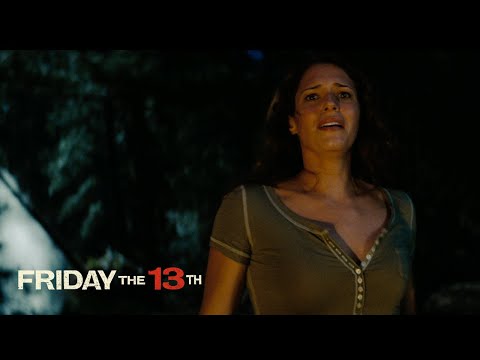
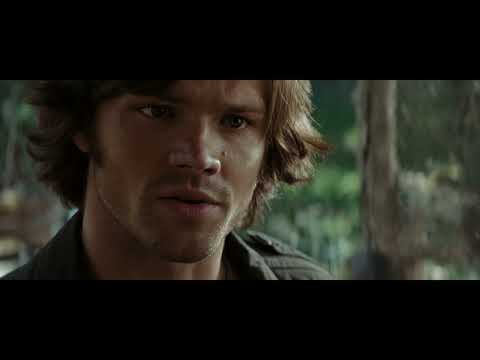
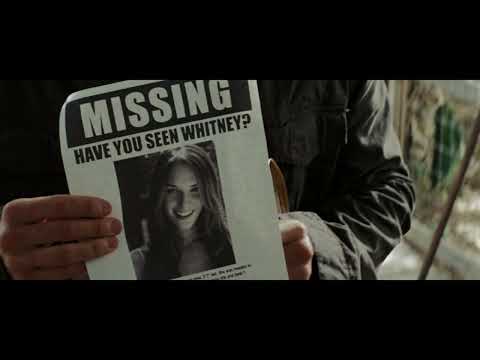
- Trailer ID: official 2009 trailer (YouTube) provides the figure imagery here.
- Album vs. film: not all compilation tracks are foregrounded on screen; conversely, several on-screen placements map directly to key scenes above.
- Name credit note: “Shove It” appears under Santogold (pre-name-change), though later listings may show Santigold.
Technical Info
- Title: Friday the 13th (Music from the Motion Picture)
- Year: 2009
- Type: Various-artists compilation; companion to original score by Steve Jablonsky
- Composer (film score): Steve Jablonsky; legacy elements by Harry Manfredini (credited vocal effects)
- Label: WaterTower Music / New Line Records
- Release context: Film opened February 13, 2009 (U.S.)
- Availability: Digital/streaming widely available; expanded score released separately
- Selected placements (film): “Sister Christian” (00:10); “Get ’Em Up” (00:28); “She Does” (00:35); “Tick Tick Boom” (00:43); “I Like It, I Love It” (00:58); “Night Train” (01:02); “No Way to Stop It” (01:02); “Shove It” (01:04); end credits: “Freak Ya Loneliness” → “Post Millennium Extinction Blues” → “Crawl”.
Canonical Entities & Relations
| Marcus Nispel | directed | Friday the 13th (2009) |
| Steve Jablonsky | composed | Friday the 13th (2009) score |
| Harry Manfredini | originated | Jason vocal effects motif; earlier series scores |
| WaterTower Music / New Line Records | released | Friday the 13th (Music from the Motion Picture) |
| Night Ranger — “Sister Christian” | appears in | Wade’s earbud scene (~00:10) |
| The Hives — “Tick Tick Boom” | underscores | Waterski sequence (~00:43) |
| The Kills — “Night Train” | underscores | Trent & Bree bedroom moment (~01:02) |
| Breaking Benjamin — “Crawl” | plays in | End credits (third slot) |
Sources: WaterTower Music; Apple Music; WhatSong; IMDb; Variety; Wikipedia (film); Discogs; The Digital Bits.
November, 09th 2025
A-Z Lyrics Universe
Cynthia Erivo Popular
Ariana Grande Horsepower
Post Malone Ain't No Love in Oklahoma
Luke Combs Good Riddance (Time of Your Life)
Green Day Bye Bye Bye
*NSYNC You're the One That I Wan
John Travolta & Olivia Newton-John I Always Wanted a Brother
Braelyn Rankins, Theo Somolu, Kelvin Harrison Jr. and Aaron Pierre The Power of Love
Frankie Goes to Hollywood Beyond
Auli’i Cravalho feat. Rachel House MORE ›