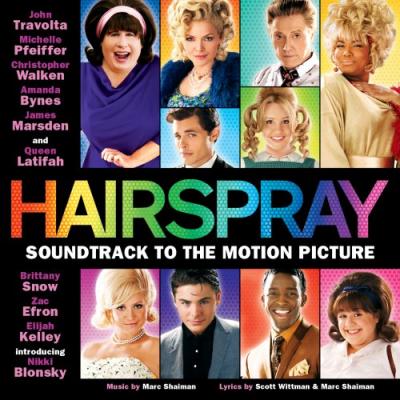
"Hairspray" Soundtrack Lyrics
Musical • 2002
Track Listing
Hairspray Cast
Hairspray Cast
Hairspray Cast
Nikki Blonsky
Michelle Pheiffer
Hairspray Cast
Nikki Blonsky And John Travolta
Hairspray Cast
Queen Latifah
Hairspray Cast
Hairspray Cast
Hairspray Cast
Zac Efron, Nikki Blonski, Amanda Bynes, Elijah Kelley
Hairspray Cast
Hairspray Cast
Hairspray Cast
Hairspray Cast
Hairspray Cast
Brittany Snow
Link / Amber / Velma
Hairspray Cast
"Hairspray: Original Broadway Cast Recording (2002)" Soundtrack Description
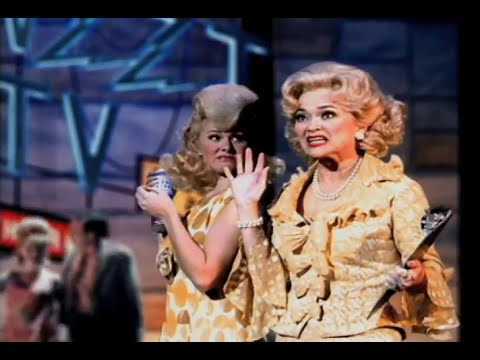
Overview
Can a Broadway album bottle a whole city’s optimism? Hairspray: Original Broadway Cast Recording (released August 13, 2002) does exactly that—sixties-inflected pop-soul, doo-wop shimmer, and R&B drive wrapped around Tracy Turnblad’s Baltimore dream. The score by Marc Shaiman (music) with lyrics by Shaiman and Scott Wittman lands hooks that feel like radio hits yet carry the show’s civil-rights heartbeat.
Produced for Sony Classical, the session captured the original Broadway leads—Marissa Jaret Winokur, Harvey Fierstein, Matthew Morrison, Kerry Butler, Linda Hart, Laura Bell Bundy, Corey Reynolds, Mary Bond Davis, Dick Latessa, Clarke Thorell—just weeks before opening night. The album became a benchmark: the show won 8 Tony Awards in 2003 (including Best Musical), and the cast recording took the 2003 Grammy for Best Musical Theater Album. Trusted sources: IBDB (production/credits), Masterworks Broadway (album personnel), and the album’s discographic entries.
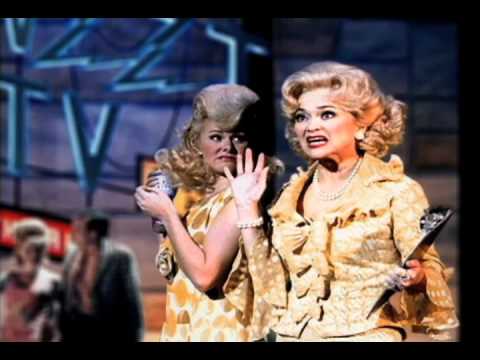
Questions & Answers
- When was the cast album released and by whom?
- August 13, 2002, on Sony Classical (catalog SK 87708); produced by Marc Shaiman with Thomas Meehan.
- Who wrote the score?
- Music by Marc Shaiman; lyrics by Scott Wittman & Marc Shaiman; book by Mark O’Donnell & Thomas Meehan (based on John Waters’ 1988 film).
- Did the album win major awards?
- Yes. It won the 2003 Grammy for Best Musical Theater Album; the show won 8 Tony Awards in 2003 including Best Musical.
- Key musicians and music team behind the sound?
- Orchestrations by Harold Wheeler; musical direction/conducting by Lon Hoyt; session band includes David Spinozza (guitars) and Clint de Ganon (drums).
- Is it the same as the 2007 movie soundtrack?
- No. This is the 2002 Broadway cast. The 2007 film has its own soundtrack.
- Running time and style?
- ~60 minutes; bright 1960s dance pop, R&B, and doo-wop stylings tailored for stage storytelling.
Notes & Trivia
- Recorded June 29–July 1, 2002—fast turnaround to street date the week of Broadway opening.
- Harold Wheeler’s orchestrations won the 2003 Drama Desk Award; his charts are study pieces in period-authentic pop brass.
- Original Broadway opened at the Neil Simon Theatre on August 15, 2002 and ran 2,642 performances.
- The album credits many now-notable names in the ensemble (e.g., Shoshana Bean, Joshua Bergasse).
- Masterworks’ archival page preserves the full pit lineup and session call.
Genres & Themes
Teen-TV dance pop → surface sparkle and media mythmaking: “The Nicest Kids in Town” sells the Corny Collins Show’s glossy segregation—catchy by design, exclusionary by practice.
Girl-group soul & doo-wop → crushes and agency: “I Can Hear the Bells” and “Without Love” take Phil Spector-era tropes and reframe them as Tracy/Penny momentum, not passivity.
Gospel-rooted R&B → community resolve: “I Know Where I’ve Been” grounds Act II in protest lineage and moral clarity.
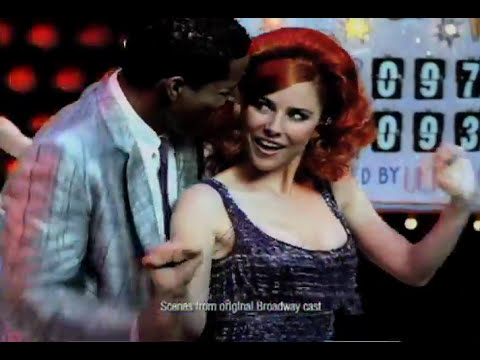
Tracks & Scenes
“Good Morning Baltimore” — Tracy
Where it plays: Act I opener; Tracy’s walk-and-sing through a waking city (non-diegetic for us; in-world bustle bleeds in).
Why it matters: Pins the show’s optimism and establishes Shaiman/Wittman’s hook craft.
“The Nicest Kids in Town” — Corny & Company
Where it plays: Live on The Corny Collins Show (diegetic TV number).
Why it matters: Upbeat branding used to mask the station’s “once-a-month Negro Day” policy—satire that the album lands with pep and bite.
“Mama, I’m a Big Girl Now” — Tracy, Amber, Penny (& moms)
Where it plays: Split-screen style montage of three households (non-diegetic montage form).
Why it matters: Three-way comic counterpoint; character economy in under four minutes.
“I Can Hear the Bells” — Tracy
Where it plays: Hallway fantasy after meeting Link (non-diegetic daydream).
Why it matters: Girl-group pastiche used to score self-invention.
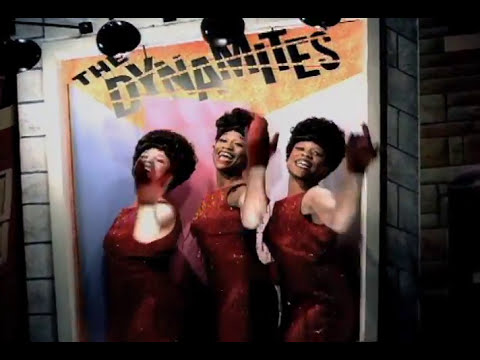
“Welcome to the 60s” — Tracy, Edna, The Dynamites
Where it plays: Mother-daughter makeover and step-into-the-world sequence (street/department store; non-diegetic musicalizing).
Why it matters: Edna’s arc turns; The Dynamites’ vocals lift it into a mini-revue.
“Run and Tell That” — Seaweed
Where it plays: Neighborhood hangout; Seaweed’s swagger lesson for Penny (semi-diegetic—dance leads the scene).
Why it matters: Rhythm section tightness mirrors social ease and cross-clique bridges.
“Big, Blonde and Beautiful” — Motormouth Maybelle
Where it plays: Maybelle’s record shop/party (diegetic performance that spills into rallying cry).
Why it matters: Body-positivity and power; a fuel stop before the protest stakes rise.
“(You’re) Timeless to Me” — Edna & Wilbur
Where it plays: Tender Act I duet on the Turnblad porch (non-diegetic balladizing).
Why it matters: Comic love song that became a show-night audience softener on album and stage.
“Without Love” — Tracy, Link, Penny, Seaweed
Where it plays: Jailbreak/bedroom split-screen montage (non-diegetic).
Why it matters: Two couples, one groove; a perfect Act II propulsion track.
“I Know Where I’ve Been” — Motormouth Maybelle & Company
Where it plays: March preparation and moral center (non-diegetic hymn with in-scene echoes).
Why it matters: Gospel weight; the album’s emotional anchor and often cited as the score’s conscience.
“You Can’t Stop the Beat” — Company
Where it plays: Finale on and around the TV show (partly diegetic, then full company).
Why it matters: A closer that functions like three finales stitched together—once it starts, the album doesn’t let up.
Music–Story Links
Numbers tied to the TV studio are purposely “slick” and diegetic: we’re hearing a show within the show, coded to maintain a segregated status quo. As Tracy’s circle widens, the music shifts—girl-group fantasy gives way to community groove, then to protest gospel. By the finale, diegesis collapses; the beat that sold conformity now powers integration.
How It Was Made
Original Broadway production opened August 15, 2002 (Neil Simon Theatre), directed by Jack O’Brien and choreographed by Jerry Mitchell. Orchestrations by Harold Wheeler; Lon Hoyt conducted and served as music director. The Sony Classical cast album (SK 87708) was recorded June 29–July 1, 2002, with Marc Shaiman’s arrangements and album production; Masterworks Broadway documents the pit and session roster in detail.
Reception & Quotes
Critical response highlighted the album’s pop immediacy and the production’s buoyant craft.
“Harold Wheeler, one of Broadway’s best music men, did the orchestrations; Lon Hoyt is the music director… And this score sparkles.” Playbill On the Record
“At its best, the show creates the genuine emotions that the lower forms of camp often make fun of.” The New Yorker
Accolades snapshot: 8 Tony Awards (2003, including Best Musical, Book, Score) and the Grammy for Best Musical Theater Album (2003).
Additional Info
- Label: Sony Classical; typical U.S. CD catalog SK 87708; runtime ~59:45.
- Original cast highlights: Marissa Jaret Winokur (Tracy), Harvey Fierstein (Edna), Matthew Morrison (Link), Kerry Butler (Penny), Corey Reynolds (Seaweed), Mary Bond Davis (Motormouth), Dick Latesta (Wilbur), Linda Hart (Velma), Laura Bell Bundy (Amber), Clarke Thorell (Corny).
- Masterworks archives include instrument chairs (e.g., David Spinozza on guitar, Clint de Ganon on drums).
- The album sequencing mirrors stage flow but trims dialogue; studio balances keep brass crisp for home listening.
- For full production lineage (Seattle tryout → Broadway), IBDB and Playbill vault entries provide dates and awards.
Technical Info
- Title: Hairspray: Original Broadway Cast Recording
- Year: 2002 (album); Broadway opening August 15, 2002
- Type: Cast album
- Music / Lyrics: Marc Shaiman (music); Scott Wittman & Marc Shaiman (lyrics)
- Book (stage): Mark O’Donnell & Thomas Meehan
- Label / Catalog: Sony Classical — SK 87708
- Recording dates: June 29–July 1, 2002; length ≈ 59:45
- Orchestrations: Harold Wheeler (Drama Desk winner for this score)
- Music Director/Conductor: Lon Hoyt
- Notable placements: “Good Morning Baltimore,” “The Nicest Kids in Town,” “Welcome to the 60s,” “I Know Where I’ve Been,” “You Can’t Stop the Beat.”
- Awards: Tony Awards (8, 2003: Best Musical, Book, Score, Direction, Acting); Grammy (Best Musical Theater Album, 2003).
Canonical Entities & Relations
| Marc Shaiman | composes | Hairspray (score); produces cast album |
| Scott Wittman | co-writes lyrics for | Hairspray |
| Mark O’Donnell & Thomas Meehan | write book for | Hairspray (stage) |
| Harold Wheeler | orchestrates | Hairspray (2002 production/cast album) |
| Lon Hoyt | music directs & conducts | Original Broadway production / album sessions |
| Sony Classical | releases | Hairspray: Original Broadway Cast Recording (2002) |
| Jack O’Brien | directs | Original Broadway production (2002) |
| Jerry Mitchell | choreographs | Original Broadway production (2002) |
Sources: Wikipedia (musical; album); IBDB; Masterworks Broadway; Playbill (vault & column); Discogs; The New Yorker review; Spotify listing.
November, 10th 2025
A-Z Lyrics Universe
Cynthia Erivo Popular
Ariana Grande Horsepower
Post Malone Ain't No Love in Oklahoma
Luke Combs Good Riddance (Time of Your Life)
Green Day Bye Bye Bye
*NSYNC You're the One That I Wan
John Travolta & Olivia Newton-John I Always Wanted a Brother
Braelyn Rankins, Theo Somolu, Kelvin Harrison Jr. and Aaron Pierre The Power of Love
Frankie Goes to Hollywood Beyond
Auli’i Cravalho feat. Rachel House MORE ›