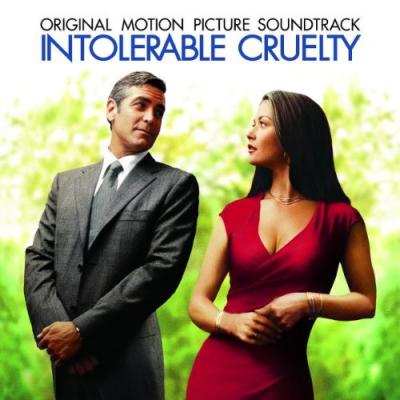
"Intolerable Cruelty" Soundtrack Lyrics
Movie • 2003
Track Listing
Simon And Garfunkel
Carter Burwell
Elvis Presley
Carter Burwell
Melissa Manchester
Chuck Mangoine
Carter Burwell
Colin Linden
Carter Burwell
Tom Jones
Carter Burwell
Edith Piaf
Carter Burwell
Carter Burwell
Big Bill Broonzy
Colin Linden
Steve Winwood
"Intolerable Cruelty (Original Motion Picture Soundtrack)" – Album Guide to Tracks and Key Scenes
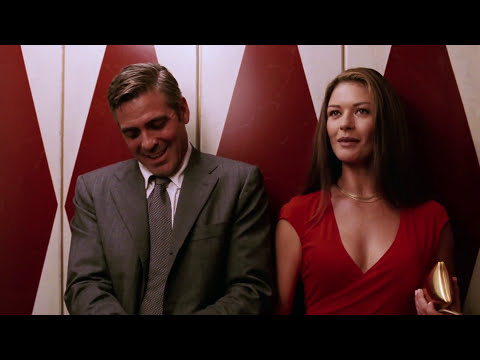
Overview
How do you score a courtroom rom-con about weaponized romance? Carter Burwell answers with champagne-bubbly melodies, sly rhythmic grins, and easy-going swagger. His music nods to 60s jazz-pop—think Mancini polish with Coen-style mischief—while a handful of vintage and pop needle-drops wink at the characters’ delusions. The album folds Burwell’s cues together with Simon & Garfunkel, Elvis Presley, Édith Piaf, Chuck Mangione, Tom Jones, and bluesman Colin Linden.
Release is via Hip-O Records in October 2003 (16 tracks; ~51½ minutes). Recording sessions for the score ran March 13–17, 2003 at Right Track Recording Studio A509 (NYC), with mixing March 19–23. Burwell notes the opening credits run under Simon & Garfunkel’s “The Boxer,” after which his first scene cue was retuned to flag the film’s comedy more overtly. According to Burwell’s production notes and music databases, this album interleaves suave source pieces with leitmotif-driven score cues that tag Miles and Marylin’s gamesmanship.

Questions & Answers
- Who composed the score, and what’s the concept?
- Carter Burwell; he leans into a “Mancini-esque” 60s jazz-pop vibe—light, urbane, and a little ridiculous—to mirror the film’s screwball edge (as explained in Burwell’s notes).
- What label and edition is the official album?
- Hip-O Records (Universal). One standard CD/digital program, 16 tracks, issued October 2003; runtime about 51–52 minutes (music databases and retail listings concur).
- Which non-score songs are on the album?
- Key inclusions: “The Boxer” (Simon & Garfunkel), “Suspicious Minds” (Elvis Presley), “Non, Je Ne Regrette Rien” (Édith Piaf), “If I Only Knew” (Tom Jones), “Feels So Good” (Chuck Mangione), plus Colin Linden covering Paul Simon pieces.
- Does the film use multiple Simon & Garfunkel cuts?
- Yes. The film uses “The Boxer” prominently and features additional Paul Simon material (e.g., Linden’s “April Come She Will” and a brief “Punky’s Dilemma” bit in-film).
- Where was the score recorded?
- Right Track Recording, Studio A509, New York; mid-March 2003 sessions, per Burwell’s production notes.
- What’s the trailer music?
- Marketing used film clips and standard trailer cutting; the album’s “Intolerable Mambo” flavor matches the glossy tone you hear across spots.
Notes & Trivia
- Burwell describes Universal/producer notes steering the first act toward overt comedy—he repurposed a later thematic cue to the Geoffrey Rush opening sequence.
- It’s Burwell’s 10th Coen collaboration—tonally lighter than his noir-ish Coen scores.
- Two versions of “The Boxer” bookend the album: Simon & Garfunkel (opener) and Colin Linden (closer).
- AllMusic lists the album at 51:26; MusicBrainz logs Hip-O Records as the issuing label with an October 2003 U.S. date.
Genres & Themes
60s jazz-pop / lounge cues → urbane facades, courtroom charm offensives, and “battle-of-the-sexes” sparring rendered as feather-light intrigue.
Cruise-control pop standards → Elvis, Piaf, and Simon & Garfunkel act as ironic Greek chorus: big feelings, questionable motives.
Light orchestral scherzos → Burwell’s spry motifs nudge scenes toward farce without puncturing the characters’ vanity.
Tracks & Scenes
“The Boxer” — Simon & Garfunkel
Where it plays: Over the opening credits and into the first sequence as a TV producer barrels toward a marital catastrophe; the sunny melancholy frames the film’s satirical mood (source/album cut).
Why it matters: Sets the ironic register—earnest anthem over petty cruelty; the film then pushes straight into broad comedy.
“Intolerable Mambo” — Carter Burwell
Where it plays: Early legal machinations and Beverly Hills glide-bys; a wink-heavy, dance-inflected cue underscores Miles’s courtroom swagger (non-diegetic).
Why it matters: Burwell’s “Mancini-meets-mambo” tag becomes the film’s calling card—smooth, smug, a half-step from parody.
“April Come She Will” — Colin Linden
Where it plays: Brief, tender interlude tied to a reflective beat between skirmishes (diegetic/low-mix needle-drop).
Why it matters: A fragile breath in a glossy movie; Linden’s acoustic shade throws the self-absorption into relief.
“Punky’s Dilemma” (snippet) — Paul Simon (performed in-film)
Where it plays: A quick comic fragment (“…I wish I was a Kellogg’s Corn Flake…”) surfaces as a joke-y texture rather than a full song (diegetic; not on the album).
Why it matters: The Coens weaponize recognizable fragments; half-remembered comfort food for characters who can’t commit.
“Suspicious Minds” — Elvis Presley
Where it plays: Vegas chapter—whirl of vows, neon, and instant reversals; the lyric’s mistrust fits the film’s marriage-as-maneuver ethos (needle-drop).
Why it matters: On-the-nose and proud; the song’s stop-start arrangement mirrors the whiplash plotting.
“Feels So Good” — Chuck Mangione
Where it plays: Sleek transition material—cocktail-hour gloss under deal-making, toasting, and the next ambush (needle-drop).
Why it matters: Airy flugelhorn = surface pleasure; the film uses it as sonic perfume before the claws come out.
“If I Only Knew” — Tom Jones
Where it plays: Party-energy montage adjacent to Vegas/celebratory beats; Jones’s brassy vocal punctures the film’s polite veneer (needle-drop).
Why it matters: Turns background into punchline—horns swagger while contracts do the real talking.
“Non, Je Ne Regrette Rien” — Édith Piaf
Where it plays: An ironic pledge of no regrets accompanies scheming confidence; the chanson’s absolutism flatters characters who confuse resolve with wisdom (needle-drop).
Why it matters: Pure Coens: grand emotional cloth draped over mercenary choices.
“You Fascinate Me / Fully Exposed / Love Is Good” — Carter Burwell
Where it plays: Late-film turns—romantic feints, speeches, and the fragile truce. These cues soften the satire just enough for a credible rapprochement (non-diegetic).
Why it matters: The score finally chooses kindness, but keeps a smirk; it’s reconciliation with an escape clause.
Trailer note: promotional spots leaned into the album’s sparkly, rhythmic cues rather than outside trailer music.
Music–Story Links
Burwell’s bright “mambo” color codes Miles’s charm as performance; when the sheen drops, quieter cues reveal the cost of all that posing. Simon & Garfunkel frame the film as a sad song about pride; Elvis and Tom Jones then mock the characters by agreeing with them too loudly. By the time Burwell’s “Love Is Good” lands, the music is the only thing being sincere—briefly.

How It Was Made
Composed and conducted by Carter Burwell; orchestrations with Sonny Kompanek; music editor Todd Kasow; scoring mixer Mike Farrow. Sessions at Right Track Recording (NYC) in March 2003. Burwell’s note on tone: less irony than usual for the Coens, more “Mancini-esque” jaunt to signal farce from the top (he explicitly reshaped the first scene’s cue after preview feedback). Album issued by Hip-O Records in October 2003; standard 16-track program.
Reception & Quotes
Reviews often praised the “hip” or “jaunty” music even when divided on the film’s sweetness: AllMusic logs a standard release; Burwell’s page collates trade pull-quotes on the score’s bounce.
“Hip music by Carter Burwell… every technical aspect… super.” Chicago Tribune
“Perhaps under-utilizes Burwell’s jaunty score.” Variety
“Bouncy score… a welcome respite that makes the film fuller and richer.” eFilmCritic
Additional Info
- The opener/closer “The Boxer” appears twice: Simon & Garfunkel (track 1) and Colin Linden (track 16).
- Album timing: ~51:26–51:36 depending on database; U.S. release early October 2003.
- Recording location and exact March 2003 dates are documented by Burwell’s site.
- Region variants exist (e.g., Hip-O catalog numbers differ; South African pressings noted in discographies).
- Right Track A509—the same room used on other Burwell/Coen projects of the era.
Technical Info
- Title: Intolerable Cruelty (Original Motion Picture Soundtrack)
- Year: 2003
- Type: Film soundtrack (score + needle-drops)
- Composer: Carter Burwell
- Label: Hip-O Records (Universal)
- Length: ~51:26–51:36
- Studios: Right Track Recording, Studio A509 (New York)
- Notable tracks: “The Boxer,” “Intolerable Mambo,” “Suspicious Minds,” “Non, Je Ne Regrette Rien,” “Love Is Good.”
- Release context: U.S. theatrical October 2003; album streeted the same month.
Canonical Entities & Relations
| Subject | Relation | Object |
|---|---|---|
| Intolerable Cruelty (film) | music by | Carter Burwell |
| Hip-O Records | released | Intolerable Cruelty (Original Motion Picture Soundtrack) |
| Simon & Garfunkel | performed | “The Boxer” (album track 1) |
| Colin Linden | performed | “April Come She Will” (in-film); “The Boxer” (album closer) |
| Elvis Presley | performed | “Suspicious Minds” (album) |
| Édith Piaf | performed | “Non, Je Ne Regrette Rien” (album) |
| Tom Jones | performed | “If I Only Knew” (album) |
| Chuck Mangione | performed | “Feels So Good” (album) |
Sources: Carter Burwell official notes; MusicBrainz; AllMusic; Wikipedia (film & soundtrack); Hip-O/retail listings; Rotten Tomatoes video clips; Spotify album page; Universal/UPHE overview.
November, 11th 2025
A-Z Lyrics Universe
Cynthia Erivo Popular
Ariana Grande Horsepower
Post Malone Ain't No Love in Oklahoma
Luke Combs Good Riddance (Time of Your Life)
Green Day Bye Bye Bye
*NSYNC You're the One That I Wan
John Travolta & Olivia Newton-John I Always Wanted a Brother
Braelyn Rankins, Theo Somolu, Kelvin Harrison Jr. and Aaron Pierre The Power of Love
Frankie Goes to Hollywood Beyond
Auli’i Cravalho feat. Rachel House MORE ›