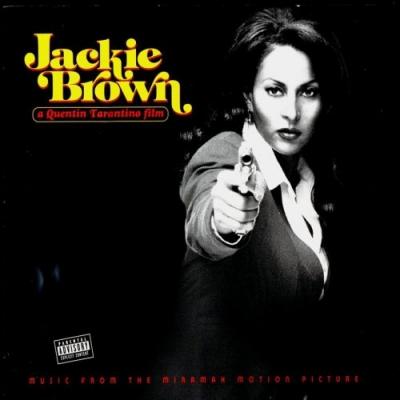
"Jackie Brown" Soundtrack Lyrics
Movie • 1997
Track Listing
Womack, Bobby
Jackson, Samuel L.
Brothers Johnson
Jackson, Samuel L.
Withers, Bill
Johnny Cash
Bloodstone
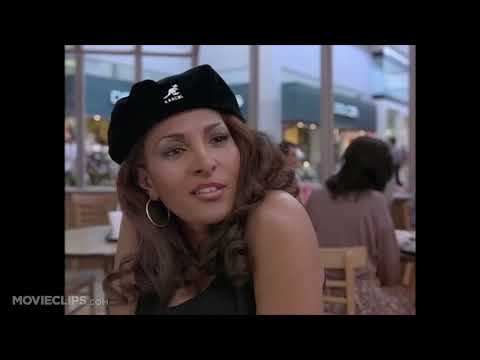
Grier, Pam
Council Cargle
Foxy Brown
Crawford, Randy
Delfonics
Grass Roots
Riperton, Minnie
Jackson, Samuel L.
Vampire Sound Inc.
Elliot Easton's Tik
"Jackie Brown: Music from the Miramax Motion Picture" – Album Guide to Tracks and Key Scenes
Overview
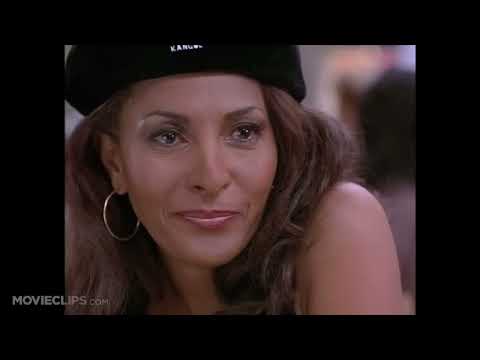
Can a crate of 70s soul do character work? Here, yes. The soundtrack runs on deep-cuts and classics—Bobby Womack, The Delfonics, Bloodstone, Bill Withers—stitched into scenes so the songs carry plot, not just color. Opening and closing with “Across 110th Street,” the film bookends Jackie’s hustle with a street elegy that doubles as her inner monologue.
The retail album (Maverick/A Band Apart) mirrors Tarantino’s approach: needle-drops plus dialogue snatches, no conventional score. It leans R&B/soul with select outliers (Johnny Cash’s “Tennessee Stud,” Vampyros Lesbos library psych). Several cues heard on screen don’t appear on the CD (“La-La (Means I Love You),” “Cissy Strut”), a common Tarantino move to preserve the film’s flow over album completeness. Apple Music and Discogs corroborate the release (17 tracks; 51:06).
Questions & Answers
- Is there a formal score album?
- No. Like other Tarantino films of the era, the movie relies on curated songs and a few brief cues; the commercial release is a compilation with dialogue.
- What’s the opening and closing song?
- “Across 110th Street” — Bobby Womack. It opens on Jackie at LAX and returns over the final drive and end credits.
- Which tracks define Jackie and Max’s relationship?
- The Delfonics: “Didn’t I (Blow Your Mind This Time)” and “La-La (Means I Love You).” Max even buys the cassette; the motif recurs in car and apartment scenes.
- What plays during Beaumont’s trunk run?
- “Strawberry Letter 23” — The Brothers Johnson. It scores Ordell’s trip with Beaumont in the trunk to that quiet, brutal turnoff.
- What underpins the Del Amo heist walk-throughs?
- “Street Life” — Randy Crawford with The Crusaders (edited single variant). It drives the mall geography and Jackie’s choreography.
- Is Pam Grier on the soundtrack?
- Yes. “Long Time Woman” (from The Big Doll House) plays as Jackie is processed and led to jail.
Notes & Trivia
- Tarantino pre-selected many songs while writing; the LP-style flow dictates scene rhythm.
- “Street Life” is used in a modified single edit for on-screen pacing.
- Several film cues aren’t on the retail CD (e.g., The Delfonics’ “La-La,” The Meters’ “Cissy Strut”).
- Pam Grier’s “Long Time Woman” is sourced from her 1971 film work.
- The album was issued by Maverick/A Band Apart and went Gold in the UK and France.
Genres & Themes
70s soul & sweet Philly harmonies → tenderness and risk: The Delfonics as a leitmotif for Jackie–Max; soft edges around hard choices.
Streetwise funk & jazz-funk → motion and space: The Crusaders’ “Street Life” maps Del Amo’s corridors with a steady, asphalt pulse.
Quiet-storm ballads → yearning and adulthood: Bloodstone’s “Natural High” underlines attraction without naïveté.
Country & outlaw touches → world-weary pragmatism: Cash’s “Tennessee Stud” rides alongside stakeouts and waiting.
Tracks & Scenes
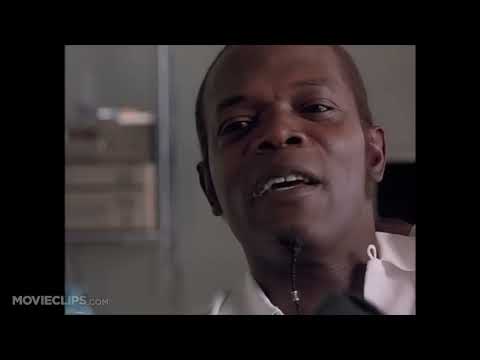
“Across 110th Street” — Bobby Womack
Where it plays: 0:00, opening credits—Jackie glides on the airport mover; reprises at ~2:22 over Jackie’s final drive and credits (non-diegetic).
Why it matters: Frames her as a survivor—street elegy as character thesis.
“Strawberry Letter 23” — The Brothers Johnson
Where it plays: ~0:20, Ordell’s night drive with Beaumont in the trunk; glove check, gun, turnoff, gunshots (non-diegetic).
Why it matters: Silky groove against cold-blooded logistics—Tarantino’s irony weaponized.
“Baby Love” — The Supremes
Where it plays: ~0:22, Simone dances for Louis before Ordell’s call (source on TV/radio feel; non-diegetic to the cut).
Why it matters: Candy-coated surface for a seedy hang—mismatch as joke.
“Long Time Woman” — Pam Grier
Where it plays: ~0:32, Jackie is processed and led to jail (non-diegetic).
Why it matters: Grier’s own 1971 track folds her career history into Jackie’s fight.
“Natural High” — Bloodstone
Where it plays: ~0:38, Max watches Jackie approach; they ride together, feeling out trust (non-diegetic).
Why it matters: Adult longing, not fairy-tale—two pros reading each other.
“Exotic Dance” — Roy Ayers
Where it plays: ~0:42, bar conversation ambience (non-diegetic).
Why it matters: Lounge polish steadies the talk—schemes sound reasonable.
“Tennessee Stud” — Johnny Cash
Where it plays: ~0:44, outside Jackie’s place; Ordell waits, engine off, eyes on the prize (source in car; then cut to silence).
Why it matters: A wry country wink about nerve and patience.
“Didn’t I (Blow Your Mind This Time)” — The Delfonics
Where it plays: ~0:53, Jackie cues her turntable with Max present; later ~1:27 Max plays the cassette in his car; a brief reprise ~2:13 in Ordell’s car (diegetic/non-diegetic mix).
Why it matters: Their shared melody; trust grows in the pocket of this song.
“La-La (Means I Love You)” — The Delfonics
Where it plays: ~0:56, flows after “Didn’t I” in Jackie’s apartment (diegetic).
Why it matters: Continuation of the motif—their private language.
“(Holy Matrimony) Letter to the Firm” — Foxy Brown
Where it plays: ~1:05, Max buys a Delfonics cassette in the record store (diegetic in-store).
Why it matters: Needle-drop as evidence: he’s hooked on Jackie’s music.
“Inside My Love” — Minnie Riperton
Where it plays: ~1:06, Jackie and Ordell confer in the bar; compliments glide with the strings (non-diegetic).
Why it matters: Silk over danger—she’s steering the talk.
“Who Is He (And What Is He to You?)” — Bill Withers
Where it plays: ~1:11, Cockatoo Inn: Louis and Ordell talk Melanie (non-diegetic).
Why it matters: Paranoid lyric fits the jealous, watchful mood.
“Aragon” — Roy Ayers
Where it plays: ~1:34, Jackie packs on the plane, rehearsing the swap (non-diegetic).
Why it matters: Clean, clockwork prep before the moving pieces collide.
“Undun” — The Guess Who
Where it plays: ~1:37, Louis hustles Melanie; Ordell’s call ratchets pressure (non-diegetic).
Why it matters: A cryptic, minor-key presage of bad choices.
“Street Life” — Randy Crawford & The Crusaders
Where it plays: ~1:38, Jackie and Max drive; Jackie walks Del Amo; bag/load choreography (non-diegetic; edited single).
Why it matters: Smooth pulse maps the mall—the plan feels inevitable.
“Midnight Confessions” — The Grass Roots
Where it plays: ~1:38 in the van (Melanie sings along) and ~1:47 after Louis shoots her (non-diegetic/source flip).
Why it matters: Bubblegum meets shock; the cut hardens irony into dread.
Bonus needles: The Meters’ “Cissy Strut” (early hangout vibe), Slash’s Snakepit’s “Jizz Da Pitt” (brief source), and library/Euro-cult cues like “The Lions and the Cucumber” add texture to interstitials and store sound systems.
Music–Story Links
- Identity motif: The Delfonics tie Jackie and Max; when Max buys the tape, the movie makes it literal—he’s carrying her tune.
- Heist topology: “Street Life” isn’t just cool; it’s a map legend for Del Amo—tempo equals timing.
- Violence under velvet: “Strawberry Letter 23” and “Midnight Confessions” turn blood and panic into chilling calm.
- Career echo: Grier’s own “Long Time Woman” grafts 70s Pam onto 90s Jackie—meta but earned.
How It Was Made
Album producers: Quentin Tarantino and Lawrence Bender. Music consultants: Mary Ramos and Michele Huznetsky. The CD mixes songs with dialogue, mirroring Tarantino’s edit-as-mixtape method. He’s said he picks many tracks during scripting; the film then cuts to that rhythm. A single-edit of “Street Life” was favored for picture; other diegetic choices (Foxy Brown in-store; Delfonics on LP/cassette) were placed to cue character psychology and plot logic.
Reception & Quotes
The soundtrack regularly places in “best of” rundowns; Rolling Stone’s ranking highlights its deep-soul backbone and scene utility.
“Rounded out by Bloodstone’s ‘Natural High’ and the slinky ‘Strawberry Letter 23.’” Rolling Stone
“One of Tarantino’s most cohesive needle-drop albums.” AllMusic
“Grooves that do plot work—never just wallpaper.” Screen-based soundtrack rundown
Additional Info
- Retail album: 17 tracks, 51:06; issued December 9, 1997 (Maverick/A Band Apart).
- Gold certifications: UK and France; U.S. sales ~321,000 (album era reporting).
- On-screen but not on CD: “La-La (Means I Love You),” “Cissy Strut,” “Aragon,” “Undun,” and others.
- “Street Life” appears in a modified version tailored to the cut.
- Vampyros Lesbos library cut (“The Lions and the Cucumber”) is a Tarantino-esque crate-dig flex.
- Diegetic placements matter: in-store Foxy Brown while Max buys The Delfonics cassette.
Technical Info
- Title: Jackie Brown: Music from the Miramax Motion Picture
- Year / Type: 1997 / Film soundtrack (compilation with dialogue)
- Labels: Maverick Records; A Band Apart Records
- Producers (album): Quentin Tarantino; Lawrence Bender
- Music consultants: Mary Ramos; Michele Huznetsky
- Length: 51:06 (17 tracks)
- Notable placements (selected): “Across 110th Street” (open/close); “Strawberry Letter 23” (Beaumont run); “Street Life” (Del Amo); “Didn’t I…”/“La-La” (Jackie–Max); “Long Time Woman” (jail)
- Release context: U.S. theatrical Dec 25, 1997; album released Dec 9, 1997
- Certifications: UK Gold; France Gold
Canonical Entities & Relations
| Subject | Relation | Object |
|---|---|---|
| Quentin Tarantino | executive-produced album | Jackie Brown: Music from the Miramax Motion Picture |
| Lawrence Bender | executive-produced album | Jackie Brown soundtrack |
| Mary Ramos | consulted on | Music selection/clearances |
| Pam Grier | performed | “Long Time Woman” (used in film) |
| Bobby Womack | sang | “Across 110th Street” |
| The Delfonics | performed | “Didn’t I…”, “La-La (Means I Love You)” |
| Bloodstone | performed | “Natural High” |
| Randy Crawford & The Crusaders | performed | “Street Life” |
| The Brothers Johnson | performed | “Strawberry Letter 23” |
| Roy Ayers | composed/performed | “Exotic Dance”, “Aragon” (film use) |
| Maverick Records | released | Soundtrack album |
| A Band Apart | co-released | Soundtrack album |
| Del Amo Fashion Center | setting for | Heist sequences |
| Cockatoo Inn | setting for | Bar meetings (Louis/Ordell; Jackie/Max) |
Sources: Wikipedia (film & soundtrack); Apple Music album page; Discogs; IMDb Soundtracks; ScreenRant (song placements); SoundtrackRadar (timestamps & scenes); AllMusic; Rolling Stone (soundtracks list).
November, 12th 2025
A-Z Lyrics Universe
Cynthia Erivo Popular
Ariana Grande Horsepower
Post Malone Ain't No Love in Oklahoma
Luke Combs Good Riddance (Time of Your Life)
Green Day Bye Bye Bye
*NSYNC You're the One That I Wan
John Travolta & Olivia Newton-John I Always Wanted a Brother
Braelyn Rankins, Theo Somolu, Kelvin Harrison Jr. and Aaron Pierre The Power of Love
Frankie Goes to Hollywood Beyond
Auli’i Cravalho feat. Rachel House MORE ›