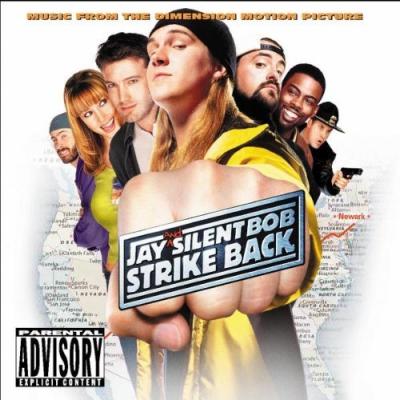
"Jay and Silent Bob Strike Back" Soundtrack Lyrics
Movie • 2001
Track Listing
Stroke 9
Dave Pirner
Minibar
Steppenwolf
Bon Jovi
PJ Harvey
Marcy Playground
Run DMC
Bob Schneider
Thomas Rusiak
Bloodhound Gang
Morris Day and The Time
Afroman
"Jay and Silent Bob Strike Back (Music from the Dimension Motion Picture / Original Score)" – Album Guide to Tracks and Key Scenes
Overview
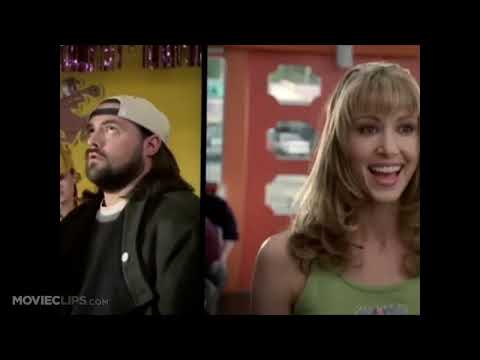
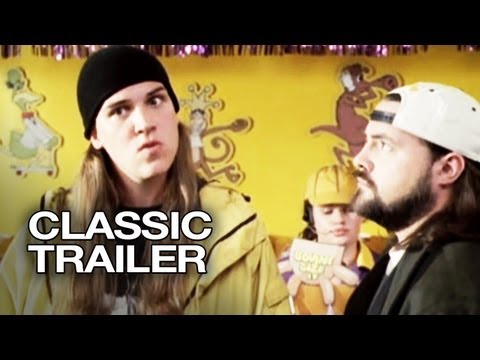
What happens when a road-trip farce turns the soundtrack into its punchline and propulsion? Jay and Silent Bob Strike Back doubles down: a loud, eclectic compilation (bonafide hits, alt-rock, funk royalty) plus a compact original score by James L. Venable. Dialog snippets stitch cues into running jokes, so music acts like a second commentary track.
Two pillars define it. First, the songs album—built for instant recognition and crowd energy, from Bon Jovi to The Time. Second, Venable’s nimble score that thread-throughs chases and gags without overstaying its welcome. Add the era-defining promo juggernaut of Afroman’s “Because I Got High,” and you get a 2001 time capsule that still lands in revivals and meme culture (as reported across label pages and film notes).
Questions & Answers
- Are there two official releases?
- Yes. A songs compilation (Various Artists, Universal Records, Aug 14, 2001) and a separate original score album by James L. Venable (Varèse Sarabande).
- Which on-screen performance closes the movie?
- Morris Day and The Time perform “Jungle Love” during the after-party/credits sequence.
- Is “Because I Got High” in the film or only promotional?
- It’s the film’s theme song and anchor single in marketing; the music video features Jay and Silent Bob.
- Who handled music supervision?
- Randy Spendlove and David Schulhof are credited as music supervisors.
- What’s the score’s role amid the loud needle-drops?
- Short, rhythmic cues that bridge set-pieces, chase beats, and sight-gag buttons without competing with the songs.
- Any fan-favorite deep cuts on the compilation?
- Stroke 9’s “Kick Some Ass” (tied to a cameo-stuffed music video) and Bob Schneider’s “Bullets.”
Notes & Trivia
- The soundtrack interleaves film dialogue between songs—very early-2000s, very View Askew.
- “Jungle Love” isn’t just a cue; The Time appear on screen to perform it.
- “Because I Got High”’s official video was cut with and directed around Jay & Silent Bob appearances.
- “Tube of Wonderful” originated as the Chasing Amy theme, reused here as a View Askewniverse in-joke.
- Score collectors: Venable’s album is a separate release with orchestral/synth mini-cues.
Genres & Themes
Classic rock swagger → stoner myth-making. Steppenwolf’s 60s counterculture energy is repurposed for Scooby-van misadventures and wink-meta gags.
’80s funk-pop → communal victory lap. The Time’s party-funk turns the finale into a curtain call that includes the audience.
Alt-rock & indie crunch → punchline momentum. Cuts from Stroke 9, Marcy Playground, Bob Schneider keep the jokes sprinting rather than lingering.
Concise score stingers → rhythm & release. Venable’s cues underline chases, reveals, and comic beats—never over-scored.

Tracks & Scenes
“Magic Carpet Ride” — Steppenwolf
Where it plays: The Mystery Machine/Scooby-Do riff sequence on the highway, as smoke-cloud fantasy collides with roadside reality; non-diegetic, early-mid film, ~2–3 minutes.
Why it matters: A classic-rock wink that turns a cameo-parody into a mini music video, selling the duo’s self-mythologizing.
“Bad Medicine” — Bon Jovi
Where it plays: Jay first locks eyes with Justice; the track punches up his overblown romantic delusion while the heist plot quietly gears up in the background; non-diegetic, early act, ~1 minute.
Why it matters: Hair-metal excess = Jay’s instant infatuation. The gag lands because the song does, too.
“Jungle Love” — Morris Day and The Time
Where it plays: On-screen performance at the after-party/credits. The camera roams the crowd; characters dance, Jay sermonizes about the song mid-film and the finale pays it off; fully diegetic, end sequence, several minutes.
Why it matters: A built-in encore: the film ends as a concert.
“Kick Some Ass” — Stroke 9
Where it plays: Tied to the film’s “fight back at the haters” energy and used in official tie-in video materials; non-diegetic within the feature, pops up around the internet-troll comeuppance tone.
Why it matters: Encapsulates the film’s meta-joke about message boards and celebrity punching bags.
“This Is Love” — PJ Harvey
Where it plays: Over Jay’s rose-tinted pursuit of Justice across the caper stretch; non-diegetic, used as mood-setter between crime-caper beats.
Why it matters: A jagged love song that undercuts Jay’s self-image with adult bite.
“Bullets” — Bob Schneider
Where it plays: During the Hollywood lot run-around/late-act connective tissue; non-diegetic, short excerpt.
Why it matters: Keeps pace when dialogue pauses, bridging set changes with groove.
Also heard / associated: Afroman’s “Because I Got High” (theme single & video with Jay/Silent Bob), Run-D.M.C.’s “Tougher Than Leather,” Marcy Playground’s “The Devil’s Song,” Minibar’s “Choked Up,” Dave Pirner’s “Tube of Wonderful.” Trailer cuts differ from the film sequence.
Music–Story Links
Jay’s instant crush on Justice gets the oversized arena-rock treatment (“Bad Medicine”), signaling that his head writes checks reality can’t cash. The Scooby-van detour leans on “Magic Carpet Ride” to frame the duo as legends in their own smoke-ring minds. Finally, the after-party flips to diegesis—“Jungle Love” puts the characters and the audience in one room, a shared curtain call before the book closes.
How It Was Made
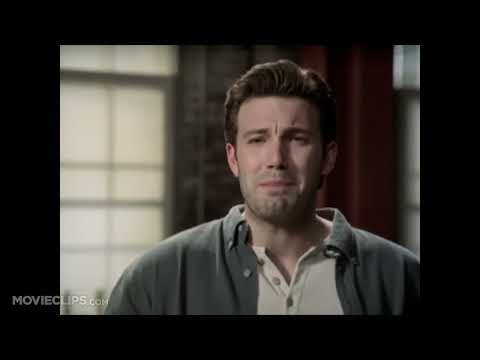
Composer: James L. Venable (Varèse Sarabande score release). Music Supervision: Randy Spendlove and David Schulhof. The songs album (Universal Records) leans into dialog interludes to keep the comedy voice running between placements. “Because I Got High” served as the theme single and cross-promo centerpiece; the video features Jay and Silent Bob. The finale with The Time was shot/performed for the film—functioning as both narrative cap and concert.
Reception & Quotes
Contemporary reviews were mixed-positive on laughs, divided on taste; the soundtrack moments—especially the The Time curtain-call and the Afroman tie-in—earned durable fan affection.
“Whether you will like it depends on who you are… Smith’s movies are either made specifically for you, or specifically not.” Roger Ebert
“Maybe the greatest picture ever made for 14-year-old boys… Smith may have hit his target, but he aimed very low.” The New York Times
“Cameos, in-jokes, and a reckless ride through Hollywood’s façades.” Regional press roundups
Additional Info
- Album release: Aug 14, 2001 (songs); score issued separately for collectors.
- “Jungle Love” on the album uses the film’s live performance take.
- Dialog snippets on the compilation are labeled as interludes (“Cue Music,” “Holden on Affleck,” etc.).
- Retail/streaming versions may vary slightly by territory, but core tracks are consistent.
- “Tube of Wonderful” is a deliberate View Askew callback to Chasing Amy.
Technical Info
- Title: Jay and Silent Bob Strike Back (Music from the Dimension Motion Picture) / Jay and Silent Bob Strike Back (Original Motion Picture Score)
- Year: 2001
- Type: Songs compilation + original score
- Composer: James L. Venable
- Music Supervision: Randy Spendlove; David Schulhof
- Notable Placements: Steppenwolf “Magic Carpet Ride”; Bon Jovi “Bad Medicine”; Morris Day & The Time “Jungle Love”; Stroke 9 “Kick Some Ass”; PJ Harvey “This Is Love”; Bob Schneider “Bullets”; Afroman “Because I Got High.”
- Release Context: U.S. theatrical Aug 24, 2001
- Labels: Universal Records (songs); Varèse Sarabande (score)
- Availability: Streaming (songs album) and specialty/streaming (score)
Canonical Entities & Relations
| Subject | Relation | Object |
|---|---|---|
| Kevin Smith | wrote & directed | Jay and Silent Bob Strike Back (2001) |
| James L. Venable | composed | Jay and Silent Bob Strike Back original score |
| Universal Records | released | Songs compilation (2001) |
| Varèse Sarabande | released | Original score album (2001) |
| Randy Spendlove | served as | Music Supervisor |
| David Schulhof | served as | Music Supervisor |
| Morris Day and The Time | performed | “Jungle Love” (film finale) |
| Steppenwolf | performed | “Magic Carpet Ride” (Scooby-van sequence) |
| Afroman | performed | “Because I Got High” (theme single/video) |
Sources: Wikipedia (film & soundtrack sections); Apple/Spotify album pages; Discogs (score & compilation); Filmtracks (score overview); Metacritic credits; MediaStinger end-credits note; press reviews & retrospectives.
According to label pages and credits, Universal handled the songs album and Varèse Sarabande the score. As reported in reviews/interviews, “Because I Got High” functioned as the theme single with a Jay/Silent Bob video. Wikipedia/credit listings confirm music supervisors (Spendlove, Schulhof) and the finale performance by The Time.
November, 12th 2025
A-Z Lyrics Universe
Cynthia Erivo Popular
Ariana Grande Horsepower
Post Malone Ain't No Love in Oklahoma
Luke Combs Good Riddance (Time of Your Life)
Green Day Bye Bye Bye
*NSYNC You're the One That I Wan
John Travolta & Olivia Newton-John I Always Wanted a Brother
Braelyn Rankins, Theo Somolu, Kelvin Harrison Jr. and Aaron Pierre The Power of Love
Frankie Goes to Hollywood Beyond
Auli’i Cravalho feat. Rachel House MORE ›