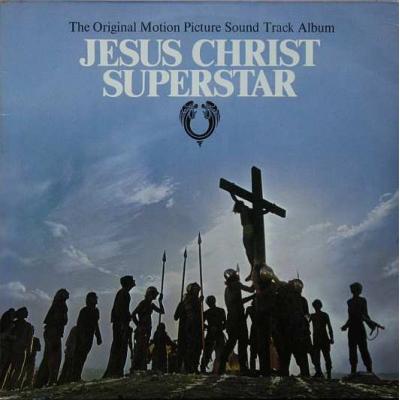
"Jesus Christ Superstar" Soundtrack Lyrics
Movie • 1996
Track Listing
"Jesus Christ Superstar (1996 London Cast Recording)" – Album Guide to Tracks and Key Scenes
Overview
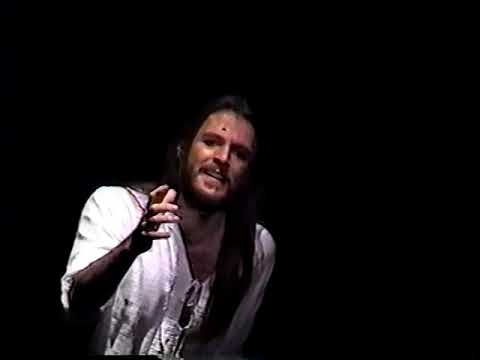
Looking for a “1996 movie”? There wasn’t one. What did happen in 1996 was a major West End revival at the Lyceum Theatre, and its attendant cast recording — the version that reintroduced the rock-opera’s bite to a new generation. The album centers Steve Balsamo (Jesus), Zubin Varla (Judas) and Joanna Ampil (Mary Magdalene), with a notable studio cameo by Alice Cooper as Herod.
The London production ran from November 1996 through March 1998; the recording followed the staging’s leaner, high-energy approach and crisp 90s engineering. Release history is a bit split: the UK saw the full set first; the U.S. initially got a “Highlights” disc before the full 2×CD landed stateside alongside the later Broadway transfer. According to Decca/MusicBrainz release data and specialized discography sites, that staggered rollout explains why some sources label it “1996,” others “1997,” and U.S. retailers sometimes “2000.”
Questions & Answers
- Was there a Jesus Christ Superstar movie in 1996?
- No. The film musical is 1973; a filmed stage version arrived in 2000 (Glenn Carter/Jérôme Pradon). The 1996 item is this London cast recording.
- Who’s on the 1996 album?
- Steve Balsamo (Jesus), Zubin Varla (Judas), Joanna Ampil (Mary), David Burt (Pilate) and others. Alice Cooper sings “King Herod’s Song” on the recording only.
- Why do some listings say 1997 or 2000?
- UK release came first (full set), the U.S. got a 1997 Highlights, then the full 2×CD with the 2000 revival tie-in. Different markets, different dates.
- Is this the “definitive” revival sound?
- It’s a widely cited reference recording of the Gale Edwards London revival, supervised from the top team and cut with modernized sonics.
- How does it differ from the 1970 concept album or the 1973 film OST?
- More aggressive rhythm section, tighter pacing, and a more theatrical focus on Judas–Jesus confrontation; fewer psychedelic textures.
- What about orchestration and musical direction?
- The revival credits emphasize modern programming and band detail under musical supervision/conducting by Mike Dixon; studio credits list updated prep and programming.
Notes & Trivia
- Alice Cooper recorded Herod for the album but did not appear onstage in the Lyceum run.
- The Lyceum Theatre itself had just been reconverted for large-scale musicals in 1996; Superstar ran there 16 months before The Lion King moved in.
- Glenn Carter sings Simon on this album; he later played Jesus in the 2000 filmed version.
- The production earned an Olivier nomination for Best Musical Revival (1997).
- Release timeline: UK full set first; U.S. Highlights (1997); U.S. full 2×CD alongside the 2000 revival.
Genres & Themes
Hard-edged rock band = political pressure and public spectacle (temple scenes, crowd energy). Lyric ballads = private costs (“I Don’t Know How to Love Him,” “Pilate’s Dream”). Groove-forward funk/rock = Herod’s cynical cabaret and the title number’s media glare.
The 1996 mix tightens rhythm guitar, bass, and drum articulation. Keys and programming add 90s gloss, but the drama still rides vocals — Judas’s drive versus Jesus’s resolve.
Tracks & Scenes
“Heaven on Their Minds” — Judas
Where it plays: Prologue confession; Judas frames the story as a political and moral crisis. Non-diegetic musical storytelling (stage).
Why it matters: The album spotlights Zubin Varla’s razor articulation — this revival pushes Judas as strategist, not mere betrayer.
“What’s the Buzz / Strange Thing, Mystifying” — Jesus, Judas, Mary & Company
Where it plays: Early ministry bustle; friends want headlines, Jesus wants focus. Non-diegetic (sung-through book).
Why it matters: Rhythmic tension sets the show’s thesis: fame vs. purpose.
“Everything’s Alright” — Mary, Judas, Jesus
Where it plays: Night calm; Mary tends to Jesus, Judas objects to optics. Non-diegetic.
Why it matters: Joanna Ampil’s warmth grounds the ethic debate in human care.
“The Temple” — Jesus & Ensemble
Where it plays: Market purge; music pivots to relentless accents and crowd cacophony. Non-diegetic.
Why it matters: The 1996 band punches harder — moral fury sounds like rock.
“Pilate’s Dream” — Pilate
Where it plays: A private omen. Non-diegetic aria within the rock grammar.
Why it matters: David Burt’s read gives the album its quietest chill — power’s doubt, softly sung.
“I Don’t Know How to Love Him” — Mary
Where it plays: Confession of feeling and fear. Non-diegetic.
Why it matters: Ampil threads clarity over sentiment; the track became a calling card for this cast.
“Gethsemane (I Only Want to Say)” — Jesus
Where it plays: The garden crisis; time slows. Non-diegetic.
Why it matters: Balsamo’s belt-to-falsetto arc is the album’s summit — vulnerability without losing command.
“King Herod’s Song” — Herod
Where it plays: Show-trial as cabaret. Non-diegetic.
Why it matters: Alice Cooper flips the number into smirking vaudeville — cruel laughter as weapon.
“Trial Before Pilate” — Pilate, Jesus & Ensemble
Where it plays: The state’s machine at work. Non-diegetic.
Why it matters: Tight chorus writing and a drum-led build; power concedes nothing.
“Superstar” — Judas & Soul Girls
Where it plays: Meta-broadcast from beyond; celebrity interrogates sacrifice. Non-diegetic.
Why it matters: Varla turns accusation into philosophy over a swaggering groove.
Music–Story Links
- Judas’s rock declamations bookend the drama; every groove he drives reframes the ethics of the movement.
- Mary’s ballads place the human stakes inside the political frame — care vs. optics.
- Herod’s pastiche mocks the miracle economy; the album leans into irony rather than pantomime.
- Pilate’s restrained melodies make state violence feel administrative, not operatic — chilling by design.
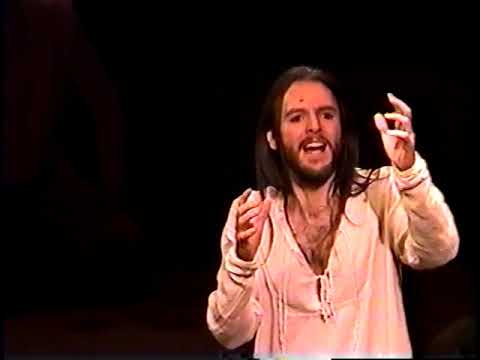
How It Was Made
Production credits point to a top-down refresh: musical supervision/conducting by Mike Dixon, updated music preparation and programming alongside the core band. Orchestrations are credited at source level to Andrew Lloyd Webber with additional modern programming support; the studio lineup includes players like Fridrik Karlsson (guitars), Steve Pearce (bass) and Ralph Salmins (drums). As per cast-album discography notes, this was cut as a studio-led document of the 1996 staging rather than a pure “live board” capture.
Reception & Quotes
“Second coming, maybe. But it feels like the first.” The Independent (1996, West End review)
“Suspended… between defining eras — yet delivered with undeniable force.” Variety (1996, London revival)
“Balsamo’s ‘Gethsemane’ set the bar for later revivals.” UK theatre retrospectives
The album remains a frequent reference point when revivals are judged — fans and critics still compare new leads to Balsamo’s vocal architecture.
Additional Info
- Lyceum run: previews from 12 Nov 1996; opened 19 Nov 1996; closed 28 Mar 1998 (≈16 months).
- Release path: UK full set (spring 1997); U.S. Highlights (1997-10-07); U.S. full 2×CD (2000-03-07) tied to the Broadway transfer.
- Film note: 1973 cinema film (Jewison); a filmed stage version released in 2000 (Carter/Pradon).
- Lyceum context: theatre reconverted for musicals in 1996; later home to The Lion King.
- Album label: Decca / Decca Broadway (market-dependent branding).
- Olivier nomination: Best Musical Revival (1997).
Technical Info
- Title: Jesus Christ Superstar (1996 London Cast Recording)
- Year / Type: 1997 (UK release) • Studio cast recording of the 1996 West End revival
- Creators: Music — Andrew Lloyd Webber; Lyrics — Tim Rice
- Principal cast: Steve Balsamo (Jesus), Zubin Varla (Judas), Joanna Ampil (Mary), David Burt (Pilate), Glenn Carter (Simon), Alice Cooper (Herod, album only)
- Music team (select): Musical supervision & conducting — Mike Dixon; music prep/programming — listed studio team; band incl. Karlsson (gtr), Pearce (bass), Salmins (drums)
- Label: Decca / Decca Broadway
- Release context: Recorded for the Lyceum revival; U.S. highlight/full editions staggered 1997–2000
- Selected notable numbers: “Heaven on Their Minds,” “Everything’s Alright,” “Gethsemane,” “Pilate’s Dream,” “King Herod’s Song,” “Superstar”
Canonical Entities & Relations
| Subject | Relation | Object |
|---|---|---|
| Andrew Lloyd Webber | composed | Jesus Christ Superstar |
| Tim Rice | wrote lyrics for | Jesus Christ Superstar |
| Gale Edwards | directed | 1996 London revival |
| Mike Dixon | music supervised & conducted | 1996 London revival / cast recording |
| Steve Balsamo | performed as | Jesus (1996 London cast) |
| Zubin Varla | performed as | Judas (1996 London cast) |
| Joanna Ampil | performed as | Mary Magdalene (1996 London cast) |
| Alice Cooper | performed as | King Herod (album studio track) |
| Decca / Decca Broadway | released | cast album (var. editions) |
| Lyceum Theatre (London) | hosted | 1996–1998 revival run |
| Glenn Carter | performed as | Simon (1996 album), later Jesus (2000 video) |
Sources: Wikipedia (show & cast pages); MusicBrainz (release data); JesusChristSuperstarZone (discography & credits); Discogs (booklet details); Playbill (run dates); The Independent & Variety (1996 reviews); Lyceum Theatre page; IMDb/Apple TV (2000 filmed version).
Soundtrack: Jesus Christ Superstar (1996) In General "Jesus Christ Superstar's" 1996 soundtrack introduces an enchanting reinterpretation of the landmark 1970 rock opera penned by Andrew Lloyd Webber and Tim Rice. As a testament to the undying appeal of the musical, this album takes the raw energy and emotional depth of the original and adds contemporary elements, captivating mid-90s audiences. Musical Elements and Style Diverse in its musicality, this soundtrack blends rock, pop, and classical components without a hitch. The compositions range in character, sweeping from high-impact, impassioned anthems to introspective and gentle ballads. The orchestration remains faithful to the rock opera genre, including modern musical components, which spoke to the listeners of that era. Electric guitars, synthesizers, and an energized rhythm section entrench a new vibrancy into this iconic score. Artistic Performance of the Singers The 1996 soundtrack showcases a troop of skillful vocalists whose performances breathe a fresh air into the intricate characters behind the biblical tale. The portrayal of Jesus, Judas, and Mary Magdalene, via emotive and soul-filled singing, layers the narrative with emotional depth, encouraging the audience to delve into the muddled human feelings within the sacred story. Outstanding Tracks Tracks worthy of mention embrace the intense and thought-provoking "Heaven on Their Minds," the hauntingly stunning "I Don’t Know How to Love Him," and the climactic "Superstar." Each song, with its unique melody and outstanding lyrics, adds to the overarching tale, capturing the turbulent events that led up to the crucifixion of Jesus Christ. Influence and Legacy The 1996 "Jesus Christ Superstar" soundtrack not only honors the original masterpiece but also stands as a significant accomplishment in musical theater. Released for a new generation, it familiarized a fresh audience with the story and songs of this classic opera, securing its position as a timeless musical masterpiece. Movie: Jesus Christ Superstar (1996) Idea and Rendition The 1996 movie version of "Jesus Christ Superstar" brings the groundbreaking rock opera into the cinematic universe. With innovative direction, it transforms the stage production into a formidable film experience. The movie maintains the original plot, portraying the last weeks of Jesus Christ's life from a modern perspective, highlighting his relationships with Judas Iscariot and Mary Magdalene. Filmmaking and Cinematography The movie's direction fuses theatrical charisma and cinematic methods. Utilizing dramatic lighting, opulent color schemes, and comprehensive camera movements enhances the emotional weight of the musical numbers. The director's strategy of narrating through song and imagery delivers an engaging visual spectacle that matches the soundtrack's audio enchantment. Roster and Performance The film parades a praiseworthy cast, whose performances are engaging and complex. Jesus's portrayal is both commanding and vulnerable, capturing the intricacies of the character profoundly. Judas's portrayal, filled with internal struggle and fervor, offers a counterbalance to Jesus, adding to the dramatic tension of the movie. The supporting cast, including Mary Magdalene, provide performances that are genuine and emotional. Art Direction and Wardrobe The art direction of the film straddles historical and contemporary styles, creating a one-of-a-kind visual aesthetic. The costumes, merging biblical attire with contemporary details, echo the eternal and universal themes of the story. The set designs - both grandiose and symbolic - adds immersive qualities to the cinematic offering. Critique and Influence Upon launching, the movie received accolades due to its innovative touch to the classic opera and its authoritative performances. It appealed to aficionados of the original musical and novel audiences alike, earning commendations for its artistic direction and musical rendition. The movie's influence rests in its capacity to render a timeless narrative through a modern scope, making it a noteworthy addition to musical cinema's category.November, 12th 2025
Jesus Christ Superstar musical reviewA-Z Lyrics Universe
Cynthia Erivo Popular
Ariana Grande Horsepower
Post Malone Ain't No Love in Oklahoma
Luke Combs Good Riddance (Time of Your Life)
Green Day Bye Bye Bye
*NSYNC You're the One That I Wan
John Travolta & Olivia Newton-John I Always Wanted a Brother
Braelyn Rankins, Theo Somolu, Kelvin Harrison Jr. and Aaron Pierre The Power of Love
Frankie Goes to Hollywood Beyond
Auli’i Cravalho feat. Rachel House MORE ›