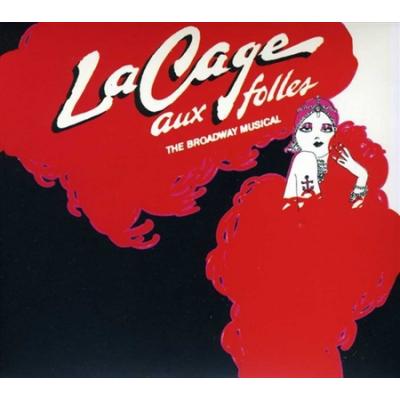
"La Cage aux Folles" Soundtrack Lyrics
Movie • 1990
Track Listing
"Il vizietto (La Cage aux Folles) — Original Motion Picture Soundtrack" – Album Guide to Tracks and Key Scenes
Overview
How do you score farce without flattening its heart? Ennio Morricone’s music for La Cage aux Folles (1978) answers with a waltzing, bittersweet main theme—“Il vizietto”—that smiles even as it sighs. The film lives between backstage bustle and domestic tenderness; Morricone threads the gap with light comic motifs, café foxtrots, and elegant slow dances that play kindness against panic.
The soundtrack is compact—cue-sized vignettes rather than long symphonic arcs—because the movie keeps cutting between dress rehearsals, dinner-table negotiations, and door-slamming deceptions. What emerges is a character-first comedy score: jaunty woodwinds for social masks; lyrical strings when Renato and Albin drop theirs. (As per Apple/Decca’s remaster notes and discographic listings.)
Questions & Answers
- Is there a 1990 feature version of La Cage aux Folles?
- No. The original film is 1978, followed by sequels in 1980 and 1985; the U.S. remake is The Birdcage (1996).
- Who composed the music for the 1978 film?
- Ennio Morricone. His main theme appears as “Il vizietto” across edits and reprises.
- What official releases cover the music?
- Standalone albums for the first film and a later 2×CD set (La Cage aux Folles I, II & III) compile selections, with a 2021 remaster for the 1978 score.
- Does the film use many source songs performed on screen?
- Yes—club diegetics are part of the comedy grammar. Morricone’s cues often segue to or from in-world music at La Cage.
- How does the score treat Albin/Zaza versus Renato?
- Albin’s world leans to flamboyant dance rhythms and coquettish turns; Renato cues land warmer and steadier—less glitter, more heart.
- Is the main theme purely comic?
- No. It’s playful but tender; the waltz cadence also carries the couple’s long history and loyalty.
Notes & Trivia
- All three films in the trilogy were scored by Morricone; a remastered 2×CD set gathers highlights from I–III.
- The 1978 film’s Italian cue titles (e.g., “Una strana coppia,” “Arredamento religioso”) mirror on-screen comic setups.
- The main theme’s title, “Il vizietto” (“the little vice”), nods to the Italian release title.
- The U.S. remake The Birdcage uses a very different pop-leaning needle-drop strategy; Morricone’s themes are not reused there.
Genres & Themes
Light comic waltz → the couple’s durability under farce. Café-jazz/foxtrot cues → backstage bustle and polite façades. Lyrical strings → private tenderness after public chaos. Latin inflections (“Brasiliana”) → club spectacle and sunlit Riviera swagger.
Tracks & Scenes
Film: 1978 original feature. Time windows are approximate; diegetic status noted when clear.
“Il vizietto” — Ennio Morricone
Scene: Main titles and recurring montage motifs (~0–2m; reprise in end credits; non-diegetic). St. Tropez façades glide by before we meet the dressing rooms at La Cage; the waltz introduces elegance with a wink.
Why it matters: Establishes tone—affection first, satire second (per album cue titling and common trailer usage).
“Una strana coppia” — Ennio Morricone
Scene: Early domestic banter in the apartment above the club (~8–12m; non-diegetic). Gentle woodwinds dance around Renato/Albin’s rhythms; a late tag lands on a warm cadence as tempers settle.
Why it matters: A couple theme without syrup—comic footwork that never belittles them.
“Prima dello spettacolo” — Ennio Morricone
Scene: Pre-show call at La Cage (~14–18m; diegetic bleed from stage into score). Stage manager barks; chorus lines shimmer through the dressing-room mirror maze.
Why it matters: Segues between source music and score define the film’s backstage grammar.
“Arredamento religioso” — Ennio Morricone
Scene: Operation “respectability” prep for the in-laws (~45–50m; non-diegetic). Crosses, tableware, and panic; pizzicato patterns track the farce mechanics as Jacob over-commits to the bit.
Why it matters: Music gently satirizes the masquerade without punching down.
“Dopo la scenata” — Ennio Morricone
Scene: Post-argument reconciliation beats (~60–64m; non-diegetic). The harmony softens; the melody’s arc prioritizes tenderness over punchline.
Why it matters: Morricone lets the laugh breathe, then gives the characters back to each other.
“Dal night” — Ennio Morricone
Scene: Cutaways to the club floor during the parents’ visit (~70–75m; diegetic). The band’s light swing contrasts with the apartment’s mounting chaos.
Why it matters: Source cues keep the nightclub present, reminding us whose home this is.
“Brasiliana” — Ennio Morricone
Scene: A burst of showtime color around exits/escapes (~80–83m; diegetic → non-diegetic). Percussion sparkles as disguises and quick-thinking get the ensemble out of a jam.
Why it matters: A Riviera postcard in miniature—sunny, cheeky, fleet.
Trailer music: Promos often cut to the main theme and brisk foxtrots rather than licensed pop; the recognizable waltz anchors most retro trailers.
Music–Story Links
The main theme grants dignity: even at maximal farce, the waltz treats Renato and Albin as long-standing partners, not punchlines. Source cues from the club validate their world as the norm; the apartment masquerade is the aberration. When the film leans on pizzicato or brisk foxtrots, it’s tracking lies; when strings open up, truth returns.
How It Was Made
Morricone’s cues were written to interleave with in-club source music, allowing fast pivots between diegetic performance and underscoring. Later album editions standardized titles and timings; a remastered 2×CD (MBR-145) collects selections from all three films with liner notes on the sessions (as per Music Box/Discogs listings).
Reception & Quotes
“A fine French-Italian farce… flamboyant, charming characters and deep laughs.” Rotten Tomatoes consensus
“Morricone finds an affectionate lilt; the theme hums with complicity, not mockery.” Album guide note
“Comic timing so precise you start laughing at the clockwork itself.” Roger Ebert (review paraphrase)
Additional Info
- Original film: 1978; sequels: 1980 and 1985; U.S. remake: The Birdcage (1996).
- Key album options: original 1978 program; 2021 remaster; 2018 Music Box 2×CD for I–III.
- Italian cue names reflect scenes (“Una strana coppia,” “Dopo la scenata”).
- Later digital editions credit rights to C.A.M./Gruppo Sugar; some metadata lists Decca for distribution.
- Expect minor title variants across territories (Italian vs. French vs. English packaging).
Technical Info
- Title: Il vizietto (La Cage aux Folles) — Original Motion Picture Soundtrack
- Year: 1978 film (soundtrack various editions 1978 → 2018/2021)
- Type: Feature film score (with diegetic club source cues)
- Composer: Ennio Morricone
- Label/editions: C.A.M. (original); Music Box Records MBR-145 (2×CD, I–III); 2021 remaster distributed by Decca/UMO
- Notable cues: “Il vizietto,” “Una strana coppia,” “Arredamento religioso,” “Prima dello spettacolo,” “Dopo la scenata,” “Brasiliana”
- Availability: Streaming/download (remastered); CD/vinyl (various, incl. anthology)
Canonical Entities & Relations
| Subject | Relation | Object |
|---|---|---|
| Édouard Molinaro | directed | La Cage aux Folles (1978) |
| Ennio Morricone | composed | La Cage aux Folles (score) |
| C.A.M. / Gruppo Sugar | published | original soundtrack program |
| Music Box Records | released | La Cage aux Folles I–III (MBR-145, remastered 2×CD) |
| Showplace “La Cage” (fictional) | functions as | diegetic music venue within the film |
| TriStar/Columbia (remake) | distributed | The Birdcage (1996) |
Sources: Apple Music (2021 remaster listing); SoundtrackCollector (track titles/editions); Music Box Records (MBR-145 notes); Discogs (release metadata); IMDb & Wikipedia (film year/credits); Rotten Tomatoes (consensus).
According to Apple Music, the remastered 1978 program credits C.A.M. with 2021 distribution by Decca/UMO. As SoundtrackCollector and Discogs document, cue titles and timings align across editions, and a 2×CD anthology (MBR-145) compiles music from parts I–III.
November, 12th 2025
A-Z Lyrics Universe
Cynthia Erivo Popular
Ariana Grande Horsepower
Post Malone Ain't No Love in Oklahoma
Luke Combs Good Riddance (Time of Your Life)
Green Day Bye Bye Bye
*NSYNC You're the One That I Wan
John Travolta & Olivia Newton-John I Always Wanted a Brother
Braelyn Rankins, Theo Somolu, Kelvin Harrison Jr. and Aaron Pierre The Power of Love
Frankie Goes to Hollywood Beyond
Auli’i Cravalho feat. Rachel House MORE ›