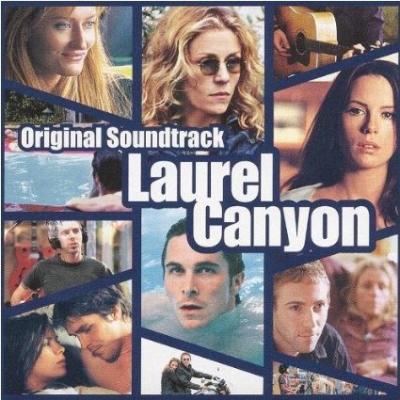
"Laurel Canyon" Soundtrack Lyrics
Movie • 2003
Track Listing
Mercury Rev
Steely Dan
Clinic
Scapegoat Wax
Butthole Surfers
Lee Michaels
Leroy
Roxy Music
T Rex
Baxter Dury
Elvis Costello
Eartha Kitt
Sparklehorse
Nertreand Burgalat
Serge Gainsbourg (duet w/Brigitte Bardot)
Allesandro Nivola
Allesandro Nivola
"Laurel Canyon (Original Motion Picture Soundtrack)" – Album Guide to Tracks and Key Scenes
Overview
What happens when a rock producer’s house becomes the studio and the story? Laurel Canyon answers with a needle-drop mixtape that slides from classic rock to downtown indie, then hands the spotlight to a fictional band that actually plays. The official album (Hollywood Records) arrived March 11, 2003, collecting 14 cuts that mirror the film’s arc: late nights in control rooms, early mornings after choices.
Craig Wedren’s original score sits in the seams; the songs do the talking. A pair of on-screen covers—performed by Alessandro Nivola with Lou Barlow, Imaad Wasif and Russ Pollard—anchor the movie’s “band-in-progress” spine. As noted in retail and soundtrack databases, the CD leans on Mercury Rev, Steely Dan, T. Rex, Butthole Surfers, Clinic, Baxter Dury, plus Eartha Kitt and Bertrand Burgalat for smoky interludes.
Questions & Answers
- Who composed the score?
- Craig Wedren (of Shudder to Think). His cues thread the scenes while songs carry the foreground.
- Is the band in the film “real”?
- Yes—Alessandro Nivola performs vocals in character; his tracks on the album feature Lou Barlow, Imaad (Ahmad) Wasif, and Russ Pollard.
- When did the soundtrack release—and on what label?
- March 11, 2003 on Hollywood Records; 14 tracks on the commercial CD.
- Are all film songs on the album?
- No. A few placements (e.g., Roxy Music’s “My Only Love,” Serge Gainsbourg & Brigitte Bardot’s “Bonnie and Clyde”) are used in the film but not on the CD.
- What’s the closing-credits song?
- “Shade & Honey” (rendered in-film by the Nivola/Barlow/Wasif/Pollard unit); the Sparklehorse origin is acknowledged by track credits.
- U.S. release year of the film?
- 2003 (after a 2002 Cannes bow); distributor: Sony Pictures Classics.
Notes & Trivia
- Album metadata: Hollywood Records CD, catalog 62392; U.S. ship date March 11, 2003; UPC 72061623922.
- Two tracks are performed by the film’s “band”: “Shade & Honey” and “Someday I Will Treat You Good.”
- Non-album but in-film placements widely cited by fans include Roxy Music’s “My Only Love” and Gainsbourg/Bardot’s “Bonnie and Clyde.”
- Score by Craig Wedren; Lisa Cholodenko previously worked with him on High Art.
Genres & Themes
Classic rock & glam: Steely Dan and T. Rex = appetite and risk; groove as persuasion in Jane’s world.
Indie/alt textures: Mercury Rev, Clinic, Sparklehorse = vulnerability, drift, and late-night clarity.
Continental lounge: Eartha Kitt and Bertrand Burgalat = candlelit complicity—seduction with a smirk.
Tracks & Scenes
“In a Funny Way” — Mercury Rev
Scene: Airport-to-freeway arrival; the city hums while expectations wobble (non-diegetic). Early minutes, ~1–2 min.
Why it matters: A breathy overture that tells you control is an illusion.
“Do It Again” — Steely Dan
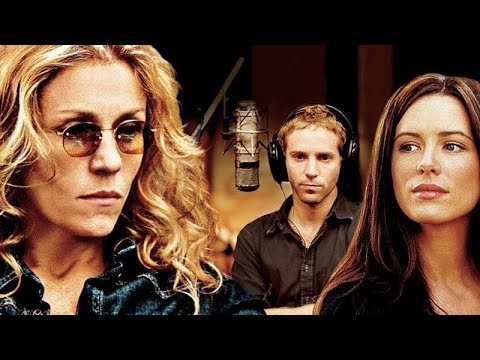
Scene: Jane and the band trade late-night takes at the console (source/needle-drop). Early, ~2 min.
Why it matters: Slick groove for bad decisions—cool heads, hot motives.
“Shade & Honey” — Alessandro Nivola feat. Lou Barlow, Imaad Wasif, Russ Pollard (Sparklehorse origin)
Scene: After a breakthrough, the group finds the song’s pocket; it resurfaces over end credits (diegetic then non-diegetic). Mid/closing, ~2–3 min excerpt + credits.
Why it matters: The film’s heartbeat—tender and a little dangerous.
“Someday I Will Treat You Good” — Alessandro Nivola feat. Lou Barlow, Imaad Wasif, Russ Pollard (Sparklehorse origin)
Scene: Control-room energy spike; a rough take becomes a keeper (diegetic). First half, ~1–2 min.
Why it matters: Band chemistry, captured; Jane’s producer instincts click.
“Planet Queen” — T. Rex
Scene: Sunset drive into the Hills; windows down, plans up (non-diegetic). Early-mid, short.
Why it matters: Glam strut that foreshadows temptation.
“The Shame of Life” — Butthole Surfers
Scene: House party bleeds into morning; boundaries blur (source). Mid-film, ~1 min.
Why it matters: Lyric-as-provocation in a movie about appetites.
“Good Time” — Butthole Surfers
Scene: Poolside bounce and studio B-roll (source). Mid-film, brief.
Why it matters: A grin you probably shouldn’t trust.
“Harmony” — Clinic
Scene: Alex drifts through a night walk; the air feels off-kilter (non-diegetic). Mid-late, ~1–2 min.
Why it matters: Needling rhythm equals doubt with a backbeat.
“C’est si bon” — Eartha Kitt
Scene: Candlelit interlude—flirtation becomes negotiation (source). Mid, short.
Why it matters: Irony under velvet; the lyric says it better than anyone on screen.
“Ma Rencontre” — Bertrand Burgalat
Scene: Hotel bar with a French-pop sheen (source). Late, brief.
Why it matters: Sophisticated gloss over messy choices.
“Oscar Brown” — Baxter Dury
Scene: Mid-city montage; Jane hunts a sound as the band stalls (non-diegetic). Mid, ~1 min.
Why it matters: Cool detachment—producer mode engaged.
“Do You Know What I Mean” — Lee Michaels
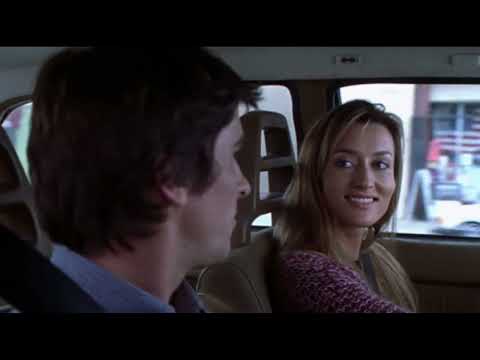
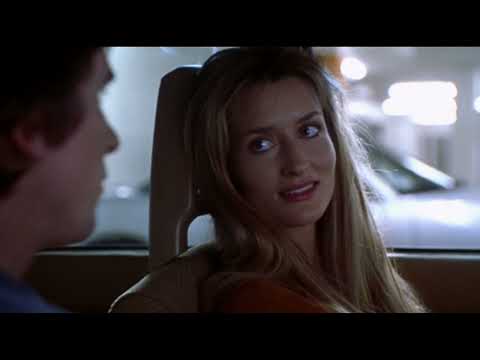
Scene: Drive-time argument resolves into a laugh (non-diegetic). Early-mid, short.
Why it matters: Blunt title, perfect subtext.
Not on the album but in-film: “My Only Love” — Roxy Music
Scene: A private confession turns into an admission neither can retract (non-diegetic). Mid-late, ~1 min.
Why it matters: Luxe ache for a moment that can’t stay private.
Not on the album but in-film: “Bonnie and Clyde” — Serge Gainsbourg & Brigitte Bardot
Scene: Hotel room dance; control shifts with every step (source). Late, ~1 min.
Why it matters: Chic menace—romance as role-play.
Note: Minute marks vary by edition/platform; placements align with widely cited track rundowns and the film’s cue order.
Music–Story Links
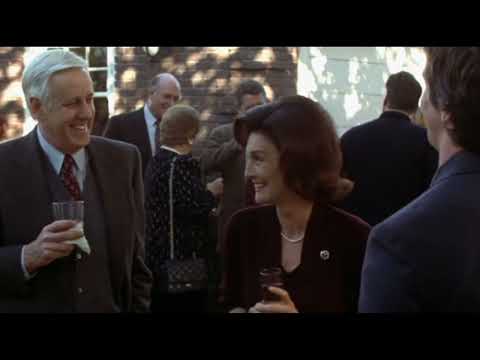
Jane’s world runs on groove and nerve: Steely Dan and T. Rex sell her confidence, Butthole Surfers and Clinic sell the risk. When the band lands “Shade & Honey,” the film stops to listen—desire, control, apology, all in one take. The non-album French-pop drop (“Bonnie and Clyde”) weaponizes charm: love and larceny as the same dance.
How It Was Made
Lisa Cholodenko wrote/directed; Sony Pictures Classics released the film in 2003 (after a 2002 Cannes premiere). Craig Wedren delivered the score. Music supervision and clearances built a hybrid: catalogue staples + in-character recordings fronted by Nivola with Barlow/Wasif/Pollard. (According to the studio press kit and soundtrack retailers.)
Reception & Quotes
Reviews consistently praised McDormand and the music-world texture; the soundtrack was flagged for credible in-studio performances and savvy crate-digging.
“McDormand is fantastic as Jane.” critics’ consensus
“A convincing, lived-in music scene; the songs feel earned.” retrospective capsule
Additional Info
- Album (CD): 14 tracks; Hollywood Records 62392; ship date March 11, 2003.
- Band personnel on album credits: Alessandro Nivola (vocals) with Lou Barlow, Imaad (Ahmad) Wasif, Russ Pollard.
- End credits: “Shade & Honey.”
- Several placements used in-film are not on the CD (“My Only Love,” “Bonnie and Clyde”).
- Score album was not issued separately; Wedren’s cues remain within the film.
Technical Info
- Title: Laurel Canyon (Original Motion Picture Soundtrack)
- Year: 2003 soundtrack (film premiered 2002 Cannes; U.S. release 2003)
- Type: Film soundtrack (various artists) + original score in film
- Composer (score): Craig Wedren
- Label: Hollywood Records (catalog 62392; UPC 72061623922)
- Selected placements (album): “In a Funny Way” (Mercury Rev); “Do It Again” (Steely Dan); “Shade & Honey” / “Someday I Will Treat You Good” (Nivola with Barlow/Wasif/Pollard); “Planet Queen” (T. Rex); “The Shame of Life” & “Good Time” (Butthole Surfers); “Harmony” (Clinic); “C’est si bon” (Eartha Kitt); “Ma Rencontre” (Bertrand Burgalat); “Oscar Brown” (Baxter Dury).
- Not-on-album (film): “My Only Love” (Roxy Music); “Bonnie and Clyde” (Serge Gainsbourg & Brigitte Bardot).
Canonical Entities & Relations
| Subject | Relation | Object |
|---|---|---|
| Lisa Cholodenko | wrote & directed | Laurel Canyon (2002/2003) |
| Sony Pictures Classics | distributed | U.S. theatrical release (2003) |
| Craig Wedren | composed | original score |
| Hollywood Records | released | Laurel Canyon (Original Motion Picture Soundtrack) CD |
| Alessandro Nivola | performed | lead vocals on in-film tracks |
| Lou Barlow; Imaad Wasif; Russ Pollard | performed | band members on in-film recordings |
| Mercury Rev; Steely Dan; T. Rex; Butthole Surfers; Clinic; Baxter Dury; Eartha Kitt; Bertrand Burgalat; Lee Michaels | performed | album songs |
Sources: official studio press kit; label/retail soundtrack listings; soundtrack databases (tracklist & Q&A); film database credits; trailer uploads.
November, 12th 2025
A-Z Lyrics Universe
Cynthia Erivo Popular
Ariana Grande Horsepower
Post Malone Ain't No Love in Oklahoma
Luke Combs Good Riddance (Time of Your Life)
Green Day Bye Bye Bye
*NSYNC You're the One That I Wan
John Travolta & Olivia Newton-John I Always Wanted a Brother
Braelyn Rankins, Theo Somolu, Kelvin Harrison Jr. and Aaron Pierre The Power of Love
Frankie Goes to Hollywood Beyond
Auli’i Cravalho feat. Rachel House MORE ›