Soundtracks:  A B C D E F G H I J K L M N O P Q R S T U V W X Y Z #


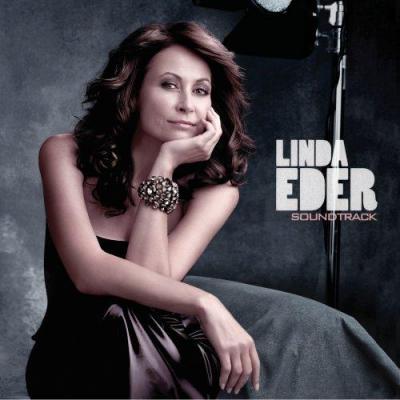
Linda Eder Album Cover

"Linda Eder" Soundtrack Lyrics

Movie • 2009

Track Listing


"Soundtrack (Linda Eder, 2009)" – Album Guide to Tracks and Key Scenes

Overview

Looking for Linda Eder’s movie from 2009? There isn’t one. What did arrive in 2009 is her studio album Soundtrack—a tightly curated set of film songs reimagined for her voice. It’s not a film soundtrack, it’s Eder’s homage to cinema music.

The release gathers themes and hits from classic and modern films—Michel Legrand to Counting Crows—and trims them to a concise, radio-ready 39–44 minutes depending on edition (11 or 12 tracks). Label credits place it under Verve/Universal’s Classics & Jazz umbrella; digital stores time-stamp the U.S. release to October 13, 2009. As several databases and label listings show, the sequencing moves from 1960s standards to 2000s Oscar winners with polished, adult-contemporary arrangements.

Questions & Answers

What exactly is Soundtrack (2009)?
A studio covers album by Linda Eder built entirely from film songs (not a movie, and not a score album).
How many editions exist?
Two common digital variants circulate: an 11-track album and a 12-track “Bonus Track Version.” Running time ~39–44 minutes.
Who released it?
Verve/Universal (Classics & Jazz) in the U.S. market; physical CDs list Universal catalog numbers.
Representative song choices?
“I Will Wait for You” (The Umbrellas of Cherbourg), “Accidentally in Love” (Shrek 2), “Falling Slowly” (Once), “Against All Odds,” “Charade,” “If I Can’t Have You,” “Everybody’s Talkin’,” “Valley of the Dolls,” “(Everything I Do) I Do It for You.”
Is this a live or orchestral project?
It’s a studio vocal album with contemporary AC/jazz-pop arrangements—clean, intimate productions rather than full symphonic remakes.
Does it include full film cues or only songs?
Songs only (film themes/standards). No instrumental score material.

Notes & Trivia

  • The album sits between Greatest Hits (2008) and Now (2011) in Eder’s discography.
  • Retail metadata lists Verve/Universal; collectors cite catalog numbers like B0013224-02 on U.S. CDs.
  • Digital storefronts show two SKUs: 11-track and 12-track “Bonus Track Version.”
  • Genre tagging varies by store: Vocal / Stage & Screen / Movie Themes.

Genres & Themes

Adult-contemporary vocal — polished rhythm section, piano-led arrangements, spotlight on lyric clarity.

Film-song canon — selections tie to recognizable scenes: French New Wave classic, New Hollywood road movie, animation blockbuster, and modern indie romance.

Light jazz-pop — brushes, strings, and soft electric keys modernize 1960s material without turning it into lounge pastiche.

Tracks & Scenes

“I Will Wait for You” — from The Umbrellas of Cherbourg (1964)
Scene: The Michel Legrand theme threads the sung-through romance; the melody recurs as lovers part at the station and again in the snowbound epilogue. Why it matters: cinema’s archetypal long-distance vow—Eder leans into its legato line and clean English lyric.

“Accidentally in Love” — from Shrek 2 (2004)
Scene: The opening honeymoon montage blasts from a fairy-tale scrapbook into slapstick reality. Why it matters: a candy-bright pop pivot; Eder recasts it with sleeker, less jangly bounce.

“Falling Slowly” — from Once (2007)
Scene: A music-shop encounter turns into an impromptu duet at the piano, seeding the film’s collaboration. Why it matters: modern standard built on restraint—the cover favors clarity over indie rasp.

“Against All Odds (Take a Look at Me Now)” — from Against All Odds (1984)
Scene: Love theme that peaks over late-film longing and credits. Why it matters: big 80s catharsis pared to intimate pop balladry.

“Charade” — from Charade (1963)
Scene: Henry Mancini’s title theme opens the Parisian caper and returns as romantic punctuation. Why it matters: Eder’s version trims the noir edges and spotlights melody over menace.

“If I Can’t Have You” — from Saturday Night Fever (1977)
Scene: Disco-floor heartbreak in the club sequences. Why it matters: swaps Bee Gees shimmer for a cleaner AC groove; lyric stays sharp.

“Help!” — from Help! (1965)
Scene: Beatles title song, used repeatedly (opening credits and set-pieces). Why it matters: flips frantic Merseybeat into a wry, mid-tempo plea.

“Everybody’s Talkin’” — from Midnight Cowboy (1969)
Scene: Drifts over Joe Buck’s NYC arrivals and daydreams; the film’s sonic signature. Why it matters: she leans into the wistful glide rather than the folk twang.

“Valley of the Dolls” — from Valley of the Dolls (1967)
Scene: Dionne Warwick’s theme ties the melodrama together and carries the credits. Why it matters: Eder plays it straight—lush strings, clear diction.

“(Everything I Do) I Do It for You” — from Robin Hood: Prince of Thieves (1991)
Scene: Ballad of record, dominating end credits and 1991 airwaves. Why it matters: trims the power-ballad bombast to spotlight lyric and line.

Music–Story Links

The picks map eras and moods: 1960s widescreen melodrama (“Charade,” “Valley of the Dolls,” “Umbrellas”) → New Hollywood drift (“Everybody’s Talkin’”) → pop-cinema tentpoles (80s/90s) → 2000s hits (“Falling Slowly,” “Accidentally in Love”). Heard in order, the album plays like a short history of how movies use songs to mark longing, arrival, and resolve.

How It Was Made

Studio project under Universal/Verve slate. Retail pages list standard producer/arranger roles (uncredited in some storefronts); the focus is on vocal interpretations rather than orchestral reconstructions. Track rights span multiple publishers, typical for a film-song anthology.

Reception & Quotes

Coverage summarized it as a tasteful crossover set that favors melodic clarity over reinvention.

“A compact, cinema-themed LP that sits comfortably in Eder’s AC lane.” album roundups
“From Legrand to Counting Crows, the choices show range without bloat.” retail editorials

Additional Info

  • Editions: 11-track (standard) and 12-track “Bonus Track Version.”
  • Label credit: Verve/Universal (Classics & Jazz); U.S. CDs carry Universal catalog IDs.
  • No full orchestral score content—songs only.
  • Useful cross-reference: check each source film for original scene context if you want to build a viewing playlist.
  • Pairs well with Eder’s earlier standards albums; this one narrows to film repertoire.

Technical Info

  • Title: Soundtrack
  • Artist: Linda Eder
  • Year / Type: 2009 / Studio covers album (film songs)
  • Label: Verve / Universal (Classics & Jazz)
  • Notable tracks (selection): “I Will Wait for You”; “Accidentally in Love”; “Falling Slowly”; “Against All Odds”; “Charade”; “If I Can’t Have You”; “Help”; “Everybody’s Talkin’”; “Valley of the Dolls”; “(Everything I Do) I Do It for You”
  • Length: ~39–44 minutes (edition-dependent)
  • Editions: Standard (11 tracks); Bonus Track Version (12 tracks)

Canonical Entities & Relations

SubjectRelationObject
Soundtrack (album, 2009)byArtistLinda Eder
Soundtrack (album, 2009)recordLabelVerve / Universal (Classics & Jazz)
“I Will Wait for You”originatesFromThe Umbrellas of Cherbourg (1964)
“Accidentally in Love”originatesFromShrek 2 (2004)
“Falling Slowly”originatesFromOnce (2007)
“Everybody’s Talkin’”originatesFromMidnight Cowboy (1969)
“Valley of the Dolls”originatesFromValley of the Dolls (1967)

Sources: AllMusic album page & release info; Apple Music/Spotify listings (standard & bonus editions); Discogs (CD release & catalog details); Wikipedia entries for original film songs; studio/clip uploads for the source film scenes.

November, 13th 2025


A-Z Lyrics Universe

Lyrics / song texts are property and copyright of their owners and provided for educational purposes only.