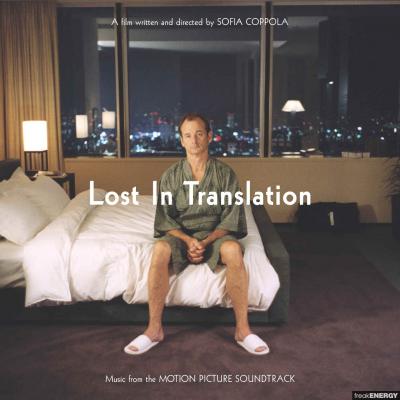
"Lost in Translation" Soundtrack Lyrics
Movie • 2003
Track Listing
Kevin Shields
Sebastian Tellier
Squarepusher
Death In Vegas
Kevin Shields
Phoenix
Happy End
Brian Reitzell & Roger J Manning Jr
Kevin Shields
My Bloody Valentine
Air
Brian Reitzell & Roger J Manning Jr
Kevin Shields
The Jesus & Mary Chain
"Lost in Translation: Music from the Motion Picture Soundtrack" – Album Guide to Tracks and Key Scenes
Overview
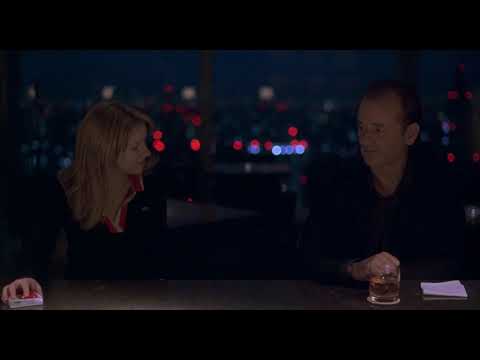
How do you score two people who can’t quite say what they feel? The Lost in Translation soundtrack answers with guitars blurred into fog, drum machines that barely wake up, and pop songs that arrive exactly when the characters finally stop pretending they’re fine. It’s not a “bunch of indie songs stuck together”; it’s a very deliberate collage of shoegaze, dream pop and fragile electronics that turns Tokyo into an emotional echo chamber.
The album, supervised by Brian Reitzell, moves in slow waves. Kevin Shields’ pieces sit next to tracks by Air, Phoenix, Death in Vegas, Squarepusher, Sébastien Tellier and Japanese band Happy End. Instead of big themes or obvious cues, you get textures: distorted guitars that smear into the city’s light pollution, synth pads that feel like hotel air-conditioning, and beats that drift in and out like sleepless thoughts. It’s a soundtrack you can play front-to-back and feel the film without seeing a single frame.
What makes it distinct is how little it chases “cinematic” bombast. According to the official soundtrack notes, Sofia Coppola built the film’s tone out of mixes she and Reitzell made while she was writing – essentially pre-visualising entire sequences as playlists – and you can hear that on the record. Many cues are almost unchanged from those writing mixes, so the album plays like a diary of what the director was listening to when she invented Bob and Charlotte’s nights.
Genre-wise, shoegaze and dream pop are the spine: My Bloody Valentine’s “Sometimes”, Shields’ own pieces and The Jesus and Mary Chain’s “Just Like Honey” set the sonic rules. Electronic and ambient tracks (Squarepusher’s “Tommib”, Reitzell & Roger Joseph Manning Jr.’s instrumentals) cover the in-between moments – elevator rides, corridors, taxis at 3 a.m. – while indie pop (Phoenix’s “Too Young”) and 1970s-80s pop/rock in the karaoke sequences provide sharp, bright spikes of recognisable melody. Rough mapping: shoegaze equals inner fog; electronic cues equal transit and drift; karaoke classics and party tunes equal temporary escape, the short bursts where Bob and Charlotte forget themselves.
How It Was Made
Sofia Coppola wrote and shot Lost in Translation with music in mind from the start. She asked drummer and music supervisor Brian Reitzell – who had already worked with her on The Virgin Suicides – to help her assemble “Tokyo dream pop” compilations to write to, then carried that palette into production and the final cut. A lot of those early mix-tape choices made it directly onto the album.
Kevin Shields, frontman of My Bloody Valentine, came aboard after Reitzell contacted him and suggested collaborating on new material. Shields delivered four original instrumentals and the song “City Girl”, recorded in London in 2002. The rest of the soundtrack stitches these cues together with carefully cleared existing tracks: Death in Vegas, Squarepusher, Sébastien Tellier, Phoenix, Happy End, Air, and a closing needle-drop from The Jesus and Mary Chain.
Reitzell’s job was less “pick cool songs” and more “design a continuous mood”. The album opens with “Intro / Tokyo”, a short sound-design collage using samples from J-pop group Yellow Generation, then leans into Shields’ and Reitzell/Manning’s pieces as connective tissue. The producers avoided big orchestral scoring; instead, sound designer Richard Beggs handled ambient sound, while Reitzell and Shields built atmospheres out of guitars, synths and drum machines. It’s closer to a long EP than to a traditional Hollywood score.
On the business side, Emperor Norton Records released the album in September 2003, right as the film expanded its theatrical run. It has since been reissued several times on CD and vinyl, including a 2020s wave of pressings and a deluxe Record Store Day double-LP edition that finally folds in karaoke cuts and additional cues that were missing from the original CD.
Tracks & Scenes
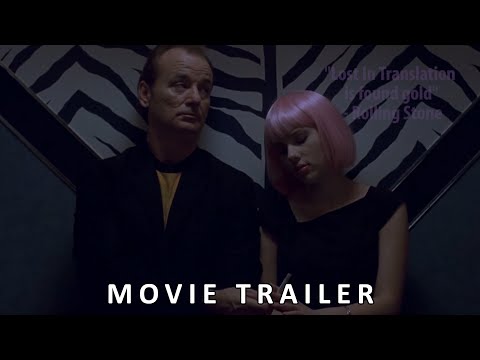
The film doesn’t throw song titles on screen, but each cue is welded to specific images. Here are some of the key placements, including album tracks and important songs that weren’t on the original CD.
"Intro / Tokyo" — Lost in Translation Sound Effects
Where it plays: Over early impressions of Tokyo – airport corridors, the hotel, anonymous city views – this short collage of processed voices and chopped J-pop elements sets the pace. It feels like flipping channels in a language you barely know while jet lag bends time.
Why it matters: It quietly announces that this soundtrack will blur “score” and “found sound”. You’re not meant to hum it; you’re meant to feel slightly disoriented before the melody songs arrive.
"Girls" — Death in Vegas
Where it plays: Bob’s first night-time taxi ride from the airport into central Tokyo. Neon signs smear across the windows while he stares out, half-asleep, as the city flickers past. The track is non-diegetic, but it syncs with the taxi’s motion so tightly that it may as well be pulsing from the street outside.
Why it matters: The repeating bass line and echoing guitar give his arrival a strange calm instead of thriller-style tension. It sells Tokyo as a dream he’s walked into by accident, not an enemy city.
"City Girl" — Kevin Shields
Where it plays: Used several times as a kind of Charlotte theme: over shots of her looking out at the skyline, wandering through the hotel, sitting on the bed in a T-shirt while the TV chatters in Japanese. The track is non-diegetic, sliding in and out of ambient sound as she drifts through her own head.
Why it matters: The song’s half-murmured vocal and lazy snare pattern match Charlotte’s floating disconnection. It’s the clearest bridge between Shields’ Loveless-era work and the film’s emotional tone.
"Tommib" — Squarepusher
Where it plays: A brief nocturnal cue over Bob alone in his room, lying awake and watching the city glow outside. The plucked, slightly detuned electronic pattern moves in simple steps; no beats, no big arc, just a small loop that shines and fades.
Why it matters: It’s almost aggressively minor, but that’s the point. A tiny piece underscores how long the nights feel when you’re jet-lagged and can’t sleep even in a luxury hotel.
"Fantino" — Sébastien Tellier
Where it plays: Over one of the early bar sequences in the Park Hyatt, with Bob hunched over a glass while jazz standards drift from the lounge. “Fantino” overlays the diegetic piano with its own rolling motif, giving the hotel bar an extra layer of unease.
Why it matters: The track’s circular melody and simple rhythm make the bar feel both chic and slightly off, like time is looping. It’s the first hint that the hotel, for all its polish, is a trap.
"Too Young" — Phoenix
Where it plays: At the chaotic apartment party with Charlotte’s friends, where people fire BB guns at an airsoft target, smoke on the balcony and shout over each other. The song pours out of the speakers as Charlotte and Bob laugh and drink with strangers, riding the high of being “too old” and “too young” at the same time.
Why it matters: This is the closest the film comes to a straightforward party montage. The track’s bright chords and French-pop bounce underline how briefly they get to feel reckless, before the hangover and the awkward morning.
"The State We’re In" — The Chemical Brothers
Where it plays: In the first club they hit, with fireworks projected on white orbs and lights strobed into the crowd. The heavy, swirling beat fills the room while Bob and Charlotte push through dancers and try to follow their Japanese friends.
Why it matters: The cue makes the club less about hedonism and more about sensory overload. The filter sweeps and low-end thump mirror how the characters are half-thrilled, half-lost in the crush.
"F*** the Pain Away" — Peaches
Where it plays: In the strip club, when a tired Bob watches a single dancer working the pole. The track is fully diegetic, hammering from the venue’s system while the scene cuts between bored patrons and the performer’s routine.
Why it matters: The blunt lyrics and aggressive beat are intentionally at odds with Bob’s mood. It’s the least romantic moment in the film, and the song underlines how hollow this attempt at distraction is.
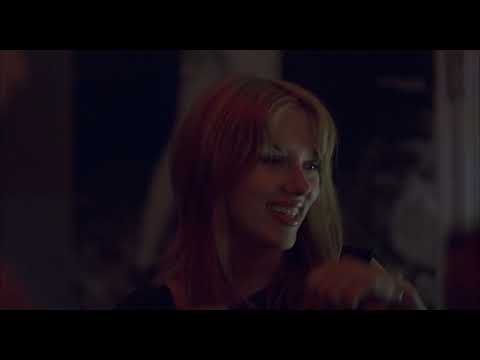
"Brass in Pocket" — The Pretenders (Charlotte’s karaoke)
Where it plays: In the private karaoke room, when Charlotte puts on a pink wig, grabs the microphone and does an earnest, slightly off-key performance right into Bob’s face. The room is cramped, friends shout along, drinks clink on the table; the track is diegetic, coming from the karaoke system.
Why it matters: This is Charlotte declaring, “I’m special” and “I’m gonna use my arms, gonna use my legs,” while clearly not believing it yet. The song bridges the gap between her shy exterior and the bolder person she might become.
"(What’s So Funny ’Bout) Peace, Love, and Understanding" — Elvis Costello cover (Bob’s karaoke)
Where it plays: Same karaoke session. Bob leans into the mic with unexpected commitment, half-mocking, half-serious, as the lyrics about searching for love in a world of hatred bounce off the tiny room’s walls.
Why it matters: The choice underlines his age and background but also his underlying sincerity. Behind the dad-joke delivery, he really is asking that question.
"More Than This" — Roxy Music (Bob’s karaoke)
Where it plays: Late in the karaoke night, when the energy dips and the camera settles on Bob singing directly to Charlotte while she watches from the sofa. The track plays from the karaoke machine, but the scene treats it like a confession: a simple, mid-tempo groove, and a man who suddenly seems nakedly honest.
Why it matters: The lyrics (“It was fun for a while / There was no way of knowing…”) mirror the entire relationship in miniature. On some editions of the soundtrack, Murray’s version appears as a hidden recording after the last track, which only deepens its “private moment” quality.
"Kaze Wo Atsumete" — Happy End
Where it plays: On a daytime drive through Tokyo after Charlotte’s Kyoto trip, the city now appearing softer and less alien through the car window. The gentle Japanese-language folk-rock tune floats on the car stereo as she watches everyday street life go by.
Why it matters: It’s one of the only pieces in the film by a Japanese band, and its warm, slightly nostalgic sound suggests she’s started to find a way of being present in Japan instead of just visiting.
"Alone in Kyoto" — Air
Where it plays: Over Charlotte’s solo train journey and temple visit in Kyoto – walking through gardens, stepping over stones in a pond, watching locals move through shrine spaces. The track is non-diegetic, gliding under ambient sounds of birds and water.
Why it matters: It’s the spiritual center of her storyline. The slow build and restrained synths make the temples feel less like “exotic locations” and more like places where she can sit with her own uncertainty.
"Sometimes" — My Bloody Valentine
Where it plays: The drive back over the Rainbow Bridge after the long night of partying and karaoke. Bob and Charlotte sit wordlessly in the back of the taxi as Tokyo’s lights blur into horizontal streaks and the highway hums beneath them.
Why it matters: This is the purest fusion of image and song in the film. The woozy guitars and indistinct vocals capture that specific 5 a.m. feeling when happiness and sadness are impossible to separate.
"Are You Awake?" — Kevin Shields
Where it plays: In the late-night hotel sequences where Bob and Charlotte lie in their separate rooms, unable to sleep, then pick up the phone to talk. The cue is hushed and minimal, just enough sound to suggest a thought forming.
Why it matters: It functions as the film’s “insomnia motif”. When it comes on, you know the plot will pause for a quiet conversation that matters more than any daytime scene.
"Just Like Honey" — The Jesus and Mary Chain
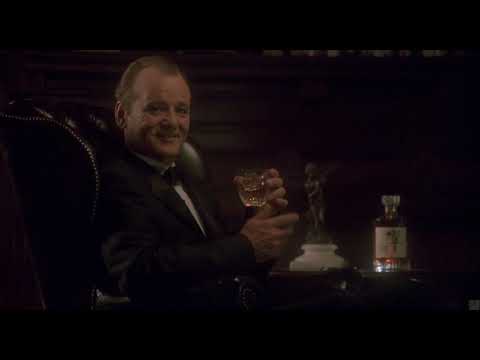
Where it plays: The goodbye. Bob walks away from Charlotte in Shibuya, then turns back, weaves through the crowd, finds her, and whispers in her ear. As they part for real and she walks off, the iconic drumbeat (lifted from “Be My Baby”) hits and the song carries the moment through to the credits.
Why it matters: It’s the last word of the film. The slightly fuzzy guitars and simple melody keep the ending open: neither triumphant nor tragic, just bittersweet. For many viewers, this cue is the film.
Notes & Trivia
- The karaoke scene crams in four key songs: Charlotte’s “Brass in Pocket”, Bob’s takes on “(What’s So Funny ’Bout) Peace, Love, and Understanding” and “More Than This”, plus a friend’s shouty “God Save the Queen”.
- Several soundtrack cues were written specifically for the movie by Shields and by Reitzell/Manning, then later expanded slightly for album release.
- “More Than This” appears as a hidden track appended to the final CD track on some editions – you have to wait through silence to hear Bill Murray’s karaoke version.
- Happy End’s “Kaze Wo Atsumete” became a gateway discovery for many Western listeners into 1970s Japanese rock; its original album, Kazemachi Roman, has since become a cult favourite.
- Composer Takeo Watanabe’s piece “Tomei Tengu” is briefly sampled in the film, bringing an older layer of Japanese media history into the mix.
Music–Story Links
The soundtrack doesn’t just dress the film; it tracks the characters’ inner states in a pretty strict pattern. Shoegaze and dream pop mark the moments when Bob and Charlotte retreat into their own heads – taxi windows, train rides, hotel corridors – while karaoke and party tracks mark the few moments when they actively reach outwards.
Listen to the way “Girls” and “City Girl” bookend their first 24 hours in Tokyo. “Girls” scores Bob’s jet-lagged arrival: detached curiosity, no connection. “City Girl” sneaks in once Charlotte’s emotional POV takes over, framing Tokyo as her stage and making the city feel personal, even if she hasn’t figured out what to do with it yet.
The party/club block – “Too Young”, “The State We’re In”, and Peaches’ strip-club blast – functions as a noisy detour. The songs ram Bob and Charlotte into experiences they wouldn’t normally choose, but the soundtrack makes sure it still feels slightly lonely inside the chaos. By contrast, “Alone in Kyoto” and “Sometimes” take those same characters and put them into transit and silence, letting the music do the talking for them.
Finally, the karaoke standards and “Just Like Honey” together sketch a sort of emotional arc. The karaoke songs are literally sung declarations, messy and playful; “Just Like Honey” is the unsung resolution, something they share without spelling it out. The album sequencing mirrors this, building from ambient drift to that drumbeat and then, on CD editions, quietly slipping in “More Than This” as a private coda.
Reception & Quotes
The soundtrack has been treated almost as a third lead character. Contemporaneous reviews highlighted how strongly the music shapes the film’s mood, and retrospective lists routinely rank it among the best film soundtracks of the 2000s and of all time. Shoegaze fans, in particular, often credit it with pulling a dormant genre back into the mainstream’s peripheral vision.
Critically, the album scored in the mid-80s on aggregate sites and drew praise for coherence – unusual for a various-artists disc. More than one reviewer pointed out that it works as a late-night listening experience even if you’ve never seen the movie, which is rare for an OST built from pre-existing songs.
The music serves as the film’s third star, wrapping the characters in a haze of longing and half-remembered melody.— paraphrased from a Consequence of Sound retrospective
An impressionistic romance needs an equally impressionistic soundtrack, and this one shimmers with restraint rather than showy cues.— paraphrased from AllMusic’s review
One of the defining soundtracks of the 2000s, a quietly radical use of shoegaze in a major film.— paraphrased from magazine “best of” lists
Over time, the record’s reputation has only grown. It appears on Rolling Stone’s list of all-time greatest soundtracks, on Pitchfork’s ranking of the best movie soundtracks, and on multiple “soundtracks that defined the 2000s” lists. Reissues and a deluxe double-LP edition underline the demand: people want this music on vinyl, and they want the missing film cues and karaoke performances back in the same package.
Interesting Facts
- The soundtrack’s shoegaze tilt is often cited as one factor in the mid-2000s revival that eventually saw My Bloody Valentine and The Jesus and Mary Chain reunite.
- On at least one CD pressing, “More Than This” hides at the end of the final track after a long stretch of silence, a nod to old-school “secret track” culture.
- The Japanese CD edition adds an extra instrumental (“50 Floors Up”), reflecting the local market’s appetite for exclusive material.
- A 2024 Record Store Day double-LP edition finally collects additional cues and karaoke-related tracks that fans had been cobbling together on playlists for years.
- Happy End’s “Kaze Wo Atsumete” and Air’s “Alone in Kyoto” both saw renewed digital and vinyl interest after the film, long after their original releases.
- The same basic sonic approach – indie/shoegaze and dream pop instead of orchestral score – shows up again in Coppola’s later films, almost like a personal signature.
- The New York Bar at the Park Hyatt Tokyo now leans into its Lost in Translation fame, with jazz sets and cocktails that quietly nod to the film’s mood.
Technical Info
- Title: Lost in Translation: Music from the Motion Picture Soundtrack
- Film: Lost in Translation (2003), written and directed by Sofia Coppola
- Year of soundtrack release: 2003
- Type: Various Artists – music from the motion picture (hybrid of original score and licensed songs)
- Main composers / key contributors: Kevin Shields; Brian Reitzell; Roger Joseph Manning Jr.; Air (Jean-Benoît Dunckel & Nicolas Godin)
- Music supervisor: Brian Reitzell
- Label: Emperor Norton Records (later via Rykodisc / Rhino for reissues)
- Core genres: Shoegaze, dream pop, ambient, downtempo, indie pop
- Notable placements: “Girls” (Death in Vegas) – first Tokyo taxi ride; “Too Young” (Phoenix) – apartment party; “Alone in Kyoto” (Air) – Kyoto temple walk; “Sometimes” (My Bloody Valentine) – Rainbow Bridge drive; “Just Like Honey” (The Jesus and Mary Chain) – final goodbye and end credits.
- Key non-album film songs (original CD): “The State We’re In” (The Chemical Brothers); “F*** the Pain Away” (Peaches); karaoke performances of “Brass in Pocket”, “(What’s So Funny ’Bout) Peace, Love, and Understanding” and “More Than This”. Later deluxe editions address part of this gap.
- Release context: Issued shortly before/alongside the film’s wider release; later pressings and a deluxe double-LP followed the soundtrack’s cult growth.
- Chart / acclaim notes: Critically acclaimed, high aggregate scores; repeatedly ranked among the top film soundtracks of the 21st century.
- Recommended listening format: Any front-to-back play (digital, CD or vinyl) – the sequencing is integral to the experience.
Canonical Entities & Relations
| Subject | Relation | Object |
|---|---|---|
| Lost in Translation (film) | directed by | Sofia Coppola |
| Lost in Translation (film) | music by | Kevin Shields; Brian Reitzell; Roger Joseph Manning Jr. |
| Lost in Translation (film) | has soundtrack album | Lost in Translation: Music from the Motion Picture Soundtrack |
| Lost in Translation: Music from the Motion Picture Soundtrack | released by | Emperor Norton Records |
| Lost in Translation: Music from the Motion Picture Soundtrack | includes recording | “City Girl” — Kevin Shields |
| Lost in Translation: Music from the Motion Picture Soundtrack | includes recording | “Girls” — Death in Vegas |
| Lost in Translation: Music from the Motion Picture Soundtrack | includes recording | “Too Young” — Phoenix |
| Lost in Translation: Music from the Motion Picture Soundtrack | includes recording | “Kaze Wo Atsumete” — Happy End |
| Lost in Translation: Music from the Motion Picture Soundtrack | includes recording | “Sometimes” — My Bloody Valentine |
| Lost in Translation: Music from the Motion Picture Soundtrack | includes recording | “Alone in Kyoto” — Air |
| Lost in Translation: Music from the Motion Picture Soundtrack | includes recording | “Just Like Honey” — The Jesus and Mary Chain |
| New York Bar (Park Hyatt Tokyo) | featured location in | Lost in Translation (film) |
| Bill Murray | portrays | Bob Harris |
| Scarlett Johansson | portrays | Charlotte |
| Brian Reitzell | role | Music Supervisor / Producer |
Questions & Answers
- Is the Lost in Translation soundtrack more “score” or more “songs”?
- It’s a hybrid. About half the runtime is original material by Kevin Shields and Brian Reitzell/Roger Joseph Manning Jr., the rest is carefully chosen songs by artists like Air, Phoenix, Death in Vegas, Happy End and The Jesus and Mary Chain.
- Why are some songs from the film missing on the original CD?
- Licensing and album-length constraints. Club tracks and karaoke performances like “Brass in Pocket” and “F*** the Pain Away” were cleared for film use but not originally included on the retail soundtrack. Later deluxe editions and playlists fill in some of those gaps.
- What genres define the album’s sound?
- Mainly shoegaze and dream pop, supported by ambient and downtempo electronics. The karaoke and party tracks add classic rock and new wave colour, but the core identity is hazy guitar music and slow-blooming synths.
- Can you hear Bill Murray’s “More Than This” outside the movie?
- Yes, on certain CD pressings it appears as a hidden track tacked onto the end of the final track after a long silence, and it’s included more openly on some later editions.
- If I’m new to the soundtrack, where should I start?
- For a quick path: “Girls”, “City Girl”, “Too Young”, “Alone in Kyoto”, “Sometimes”, and “Just Like Honey” – in roughly that order – give you the main emotional arc in about 25 minutes.
November, 13th 2025
A-Z Lyrics Universe
Cynthia Erivo Popular
Ariana Grande Horsepower
Post Malone Ain't No Love in Oklahoma
Luke Combs Good Riddance (Time of Your Life)
Green Day Bye Bye Bye
*NSYNC You're the One That I Wan
John Travolta & Olivia Newton-John I Always Wanted a Brother
Braelyn Rankins, Theo Somolu, Kelvin Harrison Jr. and Aaron Pierre The Power of Love
Frankie Goes to Hollywood Beyond
Auli’i Cravalho feat. Rachel House MORE ›