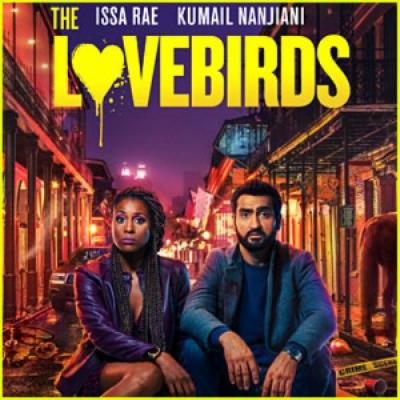
"Lovebirds" Soundtrack Lyrics
Movie • 2020
Track Listing
Foreigner
M.I.A.
Snoh Aalegra
Verzache
Bregma
Big Freedia
Bregma
Herman Beeftink
Third Eye Blind
Mez
Mac Ayres
Bregma
Omar Apollo
Katy Perry
Victoria Monét
Lambert Orkis
Bazzi
"The Lovebirds" (2020) – Original Movie Soundtrack – Album Guide to Tracks and Key Scenes
Overview
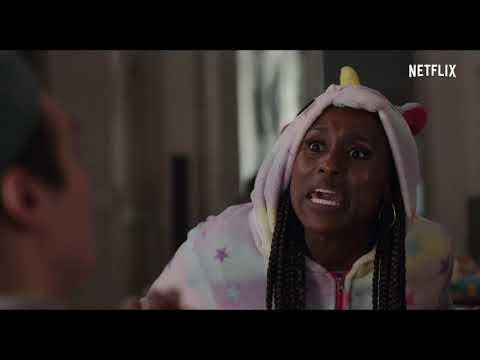
What happens when a breakup movie needs the energy of a car chase and the comfort of a road-trip playlist at the same time? The Lovebirds soundtrack tries to answer exactly that. Across ninetyish minutes, the songs glue together a story that constantly jumps between romantic soreness, slapstick danger, and one very questionable cult party.
The film takes place over a single chaotic day in New Orleans, and the music mirrors that compressed timeline. Early cues lean into hazy R&B warmth as Jibran and Leilani remember why they fell for each other. Mid-film, the selections shift into rap, bounce, and indie pop that keep up with foot chases, interrogations, and fights in frat houses. By the time the couple hits an Eyes Wide Shut–style masquerade and then a reality-show epilogue, the soundtrack has moved through classical piano, reality-TV themes, and modern pop anthems.
Unlike many studio rom-coms that rely heavily on score, this movie leans on pre-existing tracks. The original score by Michael Andrews sits mostly in the background while licensed songs carry the emotional signposts — from the opening Snoh Aalegra cut to Bazzi’s “Paradise” over the end credits. According to one breakdown of the soundtrack, there are just over twenty distinct songs in the finished film, spanning everything from Third Eye Blind to Katy Perry.
Stylistically, the movie jumps between genres the way its protagonists jump between bad decisions. Contemporary R&B and alt-soul (“Find Someone Like You”) mark intimacy and nostalgia. Trap-leaning hip-hop and New Orleans bounce (“Rent”, “MF+G”, “You Ain’t Got a Chance”) underline chaos, risk, and the couple’s sense of being out of their depth. 90s rock (“Semi-Charmed Life”) codes the bro culture they blunder into. Classical piano and a game-show theme (“Solitude, Op. 65”, “Amazing Race”) signal how absurd the story has become while still grounding it in recognizable cultural sounds.
How It Was Made
The Lovebirds is scored by composer Michael Andrews, whose filmography already included character-driven comedies like Bad Teacher and Always Be My Maybe as well as darker work like Donnie Darko. His job here is to tie together a patchwork of licensed tracks without drawing too much attention to himself. The score is light — brief suspense stingers, connective tissue between needle drops, and soft underscore for the relationship beats.
Music supervision is credited to Jason Alexander (the music professional, not the actor). His work can be seen in the balance between local flavor and global hits. New Orleans bounce icon Big Freedia shows up with “Rent”, while mainstream cuts like Katy Perry’s “Firework” and Bazzi’s “Paradise” keep the soundtrack instantly recognizable to a wide streaming audience. Several sources note that BREGMA and Herman Beeftink recur throughout the track list, effectively acting as in-film “house artists” for action and connective cues.
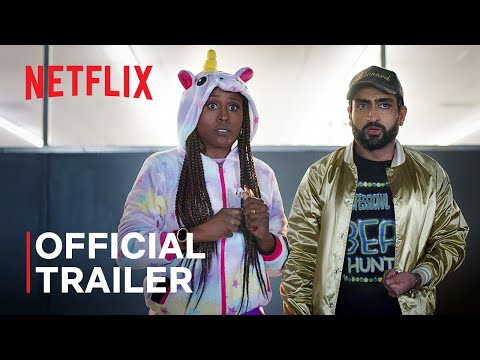
The trailer strategy is slightly different from the film itself. The official trailer leans on classic power ballad “I Want to Know What Love Is” by Foreigner and “Bird Song (Diplo Remix)” by M.I.A., cutting the images tightly to familiar hooks. Some documentation also points out that a fragment of Ilaiyaraaja’s Tamil song “Oru Kili Uruguthu” from Aanandha Kummi appears in the marketing, which adds an unexpected South-Indian color to the promotional mix without appearing in the feature itself.
Licensing-wise, this is a mid-budget Netflix-era soundtrack: plenty of recognizable names but mostly single-song placements rather than artist-centric showcases. Songs like “Firework” and “Paradise” are used in full or near-full sections at key turning points, while others are deliberately clipped — the movie wants the audience to recognize a vibe fast, then move on as the plot sprints ahead.
Tracks & Scenes
Below are some of the key musical moments, scene by scene. This is not a full tracklist, but it covers the cues that define the movie’s tone and story.
"Find Someone Like You" — Snoh Aalegra
Where it plays: This song opens the film over a soft, romantic morning-after sequence and a mini-montage of Jibran and Leilani’s first day together. We see them drifting from breakfast to walks to couch time, bathed in warm light, while the camera keeps them close and playful. Roughly a minute into the movie, the montage compresses the “honeymoon phase” into a few lyrical beats, then jumps to later in their relationship. The track also returns near the end, as the couple finally reconnect after the night’s chaos, turning the music into a circular motif for their bond.
Why it matters: This is the relationship blueprint. Its mellow, modern-soul production sets a baseline of sincerity that helps later jokes land without making the romance feel fake.
"Needs" — Verzache
Where it plays: Early on, “Needs” rolls in around the six-minute mark as Jibran and Leilani drive to a dinner party and argue about everything from documentaries to social issues. Title graphics and city shots of New Orleans flow underneath, giving the movie its first sense of pace. The song plays non-diegetically under rapid-fire dialogue, then fades as the argument becomes the focus and leads directly into the bike accident that kicks off the plot.
Why it matters: The woozy, bedroom-pop production mirrors how unfocused and stuck their relationship has become. It sounds intimate but restless, which is exactly where the couple is emotionally.
"Rent" — Big Freedia
Where it plays: About a quarter of the way through (around 24 minutes), Jibran and Leilani track a phone lead to a bar where they hope to find Edie. Inside, “Rent” blasts over the sound system as neon lights bounce off the walls and patrons dance, drink, and shout over the music. The track is diegetic — characters have to raise their voices to talk — and the bass physically grounds the scene while the couple awkwardly pushes through the crowd and misreads everyone they meet. Moments later, the mood flips when their supposed ally knocks them out and the kidnapping twist lands.
Why it matters: Big Freedia brings authentic New Orleans bounce into a film that could easily have ignored local sound. The song turns the bar from generic thriller location into a place that actually feels tied to the city.
"Semi-Charmed Life" — Third Eye Blind
Where it plays: In a later set-piece, Jibran and Leilani break into a bro-heavy space connected to the blackmail plot — a frat-style hangout with rooms full of “dudes” glued to their screens. “Semi-Charmed Life” blares in one room, loud enough to mask the sounds of a chaotic fight in a back area. The upbeat 90s alt-rock hook clashes with the couple’s panic as they grapple with one of the bros, knock things over, and barely keep themselves from getting killed, all while the oblivious guys outside sing along.
Why it matters: The use of a carefree 90s radio staple over a violent, stupid fight underlines how absurd their situation has become. It also clearly codes the bros’ world as frozen in a nostalgic adolescence the protagonists want no part of.
"MF+G" — Mez
Where it plays: The same “frat boy” stretch uses “MF+G” as a swaggering background cut when the camera first enters the bro apartment. We hear it under shots of beer cans, gaming consoles, and half-hearted small talk between guys who treat the party like background noise. The song plays non-diegetically from the film’s perspective, but visually it’s synced to a cranked-up stereo in the living room while Jibran and Leilani attempt to interrogate one of the residents down the hall.
Why it matters: Lyrically and rhythmically, “MF+G” sells a specific kind of casual bravado. Dropping it into this scene makes the apartment feel like a place where image matters more than consequences — useful contrast to the couple’s growing sense of stakes.
"Firework" — Katy Perry
Where it plays: Midway through the film, the couple grabs a Lyft to infiltrate the secret society’s masked event. Exhausted, covered in minor injuries, and still bickering, they suddenly find themselves singing along to “Firework” when it comes on the car stereo. The scene plays the whole chorus: Leilani starts half-ironically, Jibran joins in, and for a brief moment the camera lingers on their shared joy as they belt out the hook in the back seat. The driver remains mostly unfazed while the song fills the confined space of the car.
Why it matters: This is the most quoted musical moment in the movie. The sing-along turns a hyper-familiar pop anthem into a relationship check-in, reminding both characters (and us) that they still have a shared, goofy wavelength under all the resentment.
"Solitude, Op. 65" — Lambert Orkis (performing Gottschalk)
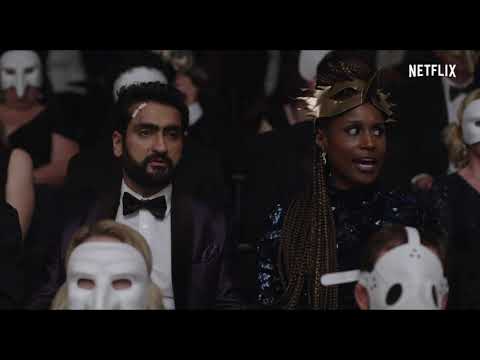
Where it plays: Shortly after the Lyft scene, at roughly 57 minutes in, Jibran and Leilani enter the elaborate “Sacrarium” bird-mask party. Instead of club music, the soundtrack drops into “Solitude, Op. 65”, a refined classical piano performance that floats over masked guests, champagne, and choreographed excess. The piece is non-diegetic from the audience perspective but treated like part of the party’s atmosphere, matching the slow glide of the camera as the couple tries not to look obviously terrified.
Why it matters: The sudden switch from pop to 19th-century piano makes the party feel like a different world: colder, richer, and more controlled. It underscores how out of place the leads are and hints at the hidden power structure behind the blackmail scheme.
"Amazing Race" Theme — John M. Keane
Where it plays: In the epilogue, a year after surviving the night, Jibran and Leilani appear as contestants on The Amazing Race. As they line up with other teams and the host explains the rules, the show’s unmistakable theme music kicks in. It’s fully diegetic — they’re literally on the television series — and the sound mix leans into its brisk tempo and motivational brass as the couple sprints off to their next challenge.
Why it matters: The choice is half punchline, half epilogue. The reality-TV theme reframes their entire ordeal as training for yet another ridiculous obstacle course and underlines how their relationship has survived by learning to work in sync under pressure.
"Paradise" — Bazzi
Where it plays: “Paradise” closes out the film over the final part of the end credits. After the reality-show gag, the camera fades out and the song’s hook slides in with its “feels like Friday night” refrain. The track plays non-diegetically but keeps the mood high, suggesting that, for now, Jibran and Leilani have earned a breather (and a better phase of their relationship) as names roll on screen.
Why it matters: As a 2019 pop single, “Paradise” is both recent and radio-friendly. Putting it at the end helps lock the movie to its moment in streaming culture — a “Friday-night Netflix watch” backed by a song that literally describes that feeling.
Trailer cues: "I Want to Know What Love Is" — Foreigner; "Bird Song (Diplo Remix)" — M.I.A.
Where they play: In the official trailer, Foreigner’s power ballad carries the first half, with big chorus hits timed to slapstick car chases and couple-therapy jokes. M.I.A.’s “Bird Song (Diplo Remix)” then takes over, accelerating the rhythm as quick cuts show the New Orleans streets, masked cult members, and the leads running for their lives. These are pure marketing choices — neither song appears in the body of the film as heard in the trailer.
Why they matter: Together, they telegraph what the movie is selling: old-school romantic drama energy smashed into modern, globally-flavored chaos. They also make the trailer instantly recognizable without locking the feature itself into those same musical choices.
Notes & Trivia
- Composer Michael Andrews previously worked with director Michael Showalter on other comedy projects, so the creative team arrived with an existing musical shorthand.
- Several breakdowns highlight that there is no single, official film-studio soundtrack album; fans rely on curated playlists and third-party compilations instead.
- Herman Beeftink’s library tracks (“Waiting”, “Take a Number”, “Tequila Sunset”) quietly cover many connective background moments even though most viewers only remember the big vocal songs.
- The music budget leans on one-off uses of high-profile tracks rather than repeated themes, which matches the movie’s fast, episodic pacing.
- The masked-party section is often compared to Eyes Wide Shut; the classical cue choice helps that comparison without directly copying Kubrick’s temp music.
Music–Story Links
Because the film compresses an entire relationship crisis into one day, the music ends up marking the couple’s internal beats more clearly than some of the dialogue.
“Find Someone Like You” and “Needs” essentially bookend the arc from idealized first-date energy to petty four-years-in bickering. When we hear Snoh Aalegra again after everything they’ve survived, the callback makes their reconciliation feel earned, not sudden.
At the other extreme, “Rent”, “MF+G”, and “Semi-Charmed Life” all belong to spaces where Jibran and Leilani are temporary intruders: the bounce-club world of Big Freedia, the frat-broden of Mez’s swagger, the 90s-rock nostalgia of Third Eye Blind. The couple doesn’t share these cultures, so the songs underline how uncomfortable and out of control they feel in those rooms.
The “Firework” sing-along is the clearest example of music rescuing the relationship for a moment. In plot terms, they’re on their way to something genuinely dangerous. Emotionally, the shared karaoke breaks their defensive posture and lets them enjoy each other again for a full chorus. The song’s very literal lyrics about being a “firework” read as parody on paper, but in context they’re a reminder that the leads still want to believe the other is special.
The late-game combination of “Solitude, Op. 65” at the ritual-party and the Amazing Race theme in the epilogue also ties the story together. The classical piece scores the lowest point in their relationship — they’re outnumbered, unarmed, and literally masked. The reality-TV theme then reframes the same two people as a competitive, functional team. Without changing the dialogue, that shift in musical framing tells us that this is no longer a breakup story but a “we survived this, together” story.
Reception & Quotes
Critical response to the film itself was mixed, but reviewers regularly singled out Issa Rae and Kumail Nanjiani’s chemistry — and several mentioned the use of pop songs as part of that chemistry. Aggregate scores hover around the high-50s to low-60s range out of 100, reflecting that split opinion.
“Issa Rae and Kumail Nanjiani generate big laughs and a sense of genuine connection as a New Orleans couple on the skids.”
— Peter Travers, Rolling Stone
“Michael Showalter’s follow-up to ‘The Big Sick’ is as flat and algorithmic as his last rom-com was poignant and alive.”
— David Ehrlich, IndieWire
“Whether it’s their arguments over the silliest of things or lip syncing to Katy Perry’s ‘Firework’ in a cab – the two are spot on.”
— The Times of India
“Cracking up is easy to do in dark breakup comedy.”
— Richard Roeper, Chicago Sun-Times
Some reviews praised the needle drops, especially the “Firework” and “Semi-Charmed Life” sequences; others found the reliance on recognizable pop slightly pandering, arguing that a stronger original score could have given the movie a more distinct identity. Still, the final consensus generally accepts that the soundtrack does its main job: keep a talk-heavy, chase-heavy Netflix movie feeling brisk and approachable.
Interesting Facts
- There are just over twenty individual songs in the film, but fan-made playlists sometimes expand that list with “music inspired by” the movie to create fuller pseudo-albums.
- The soundtrack spans at least four broad styles: alt-R&B, bounce/hip-hop, 90s alternative rock, and classical, plus a reality-TV theme and Tamil trailer sample. Very few rom-coms cover that much range in under ninety minutes.
- Big Freedia’s “Rent” is one of the few placements that also doubles as a mini-location cue: you immediately know you’re in a New Orleans club, not a generic bar.
- The Amazing Race theme is one of the only TV themes used diegetically in a rom-com climax in recent years, making the epilogue feel like a crossover event.
- “Paradise” had already charted internationally before the film came out, so the end credits placement gave Bazzi extra streaming exposure without needing a new original song.
- Because there’s no official unified soundtrack album from the studio, licensing details are mostly reconstructed from credits pages, fan sites, and music-ID platforms.
- The “Firework” scene is polarizing: some critics call it forced, while others single it out as the one truly unforgettable set-piece.
- Most background cues by Herman Beeftink are production-library tracks, which is why they’re harder to find on mainstream streaming services than the headline songs.
- The trailer’s use of “I Want to Know What Love Is” follows a trend of 80s power ballads used over modern action-comedy marketing, even when the song never appears in the final cut.
- The movie’s Russian and European titles (variants of “The Turtledoves”) keep the “lovebirds” metaphor, but the music selections are identical in international Netflix versions.
Technical Info
- Title: The Lovebirds (2020) — film soundtrack overview
- Year: 2020 (Netflix release 22 May 2020)
- Type: Feature film soundtrack (no single canonical album; multiple digital playlists and compilations)
- Primary composer (score): Michael Andrews
- Music supervisor: Jason Alexander
- Key licensed tracks highlighted here: “Find Someone Like You” (Snoh Aalegra), “Needs” (Verzache), “Rent” (Big Freedia), “MF+G” (Mez), “Semi-Charmed Life” (Third Eye Blind), “Firework” (Katy Perry), “Solitude, Op. 65” (Lambert Orkis), “Amazing Race” theme (John M. Keane), “Paradise” (Bazzi), plus trailer-only cues like “I Want to Know What Love Is” and “Bird Song (Diplo Remix)”
- Release context: Originally planned for theatrical release via Paramount Pictures; sold to Netflix and released straight to streaming during COVID-19 cinema closures.
- Production companies: Paramount Pictures, MRC (Media Rights Capital), 3 Arts Entertainment, Quinn’s House
- Runtime: Approximately 87 minutes
- Official label/album: None announced by a major label for the film as a single OST; songs are instead licensed individually and collected informally on services like Spotify and YouTube.
- Notable availability notes: A few cues, particularly library tracks by Herman Beeftink and some instrumental score segments, are harder to find on mainstream streaming services and may only appear via production libraries.
Canonical Entities & Relations
| Entity | Type | Relation (subject–verb–object) |
|---|---|---|
| The Lovebirds (2020 film) | Movie | The Lovebirds — is directed by — Michael Showalter |
| Michael Andrews | Person | Michael Andrews — composed the score for — The Lovebirds |
| Jason Alexander | Person | Jason Alexander — served as music supervisor on — The Lovebirds |
| Kumail Nanjiani | Person | Kumail Nanjiani — plays — Jibran in The Lovebirds |
| Issa Rae | Person | Issa Rae — plays — Leilani Brooks in The Lovebirds |
| Snoh Aalegra | Person | Snoh Aalegra — performs — “Find Someone Like You” featured in The Lovebirds |
| Verzache | Person/Artist | Verzache — performs — “Needs” used in The Lovebirds |
| Big Freedia | Person/Artist | Big Freedia — performs — “Rent” used in the club scene of The Lovebirds |
| Mez | Person/Artist | Mez — performs — “MF+G” used in the frat-boy sequence of The Lovebirds |
| Third Eye Blind | MusicGroup | Third Eye Blind — performs — “Semi-Charmed Life” used over a fight scene in The Lovebirds |
| Katy Perry | Person/Artist | Katy Perry — performs — “Firework” sung along to by the main couple in The Lovebirds |
| Bazzi | Person/Artist | Bazzi — performs — “Paradise” used over the end credits of The Lovebirds |
| John M. Keane | Person/Composer | John M. Keane — composed — The Amazing Race theme used in The Lovebirds epilogue |
| Paramount Pictures | Organization | Paramount Pictures — originally scheduled theatrical release for — The Lovebirds |
| Netflix | Organization | Netflix — distributed — The Lovebirds via streaming |
| New Orleans | Location | New Orleans — serves as primary setting for — The Lovebirds |
Questions & Answers
- Is there an official soundtrack album for The Lovebirds (2020)?
- No single, studio-released OST album exists. The songs are licensed individually, and most people use fan-curated playlists to recreate the soundtrack.
- What song plays during the opening relationship montage?
- The opening morning-after montage and early “falling in love” sequence are scored with “Find Someone Like You” by Snoh Aalegra.
- Which song are Jibran and Leilani singing in the Lyft car?
- They sing along to “Firework” by Katy Perry while riding to the secret masked Sacrarium party.
- What music plays at the masked bird-mask party?
- The party leans on classical piano, notably “Solitude, Op. 65” performed by Lambert Orkis, to create a high-society, cult-like atmosphere.
- What song plays over the end credits of The Lovebirds?
- The final major end-credits song is “Paradise” by Bazzi, which continues after the Amazing Race epilogue.
Sources: IMDb, Wikipedia, Wikidata, What’s on Netflix, Soundtracki, Moviesost, Refinery29, PopSugar, Chicago Sun-Times, Rolling Stone, IndieWire, The Times of India.
November, 13th 2025
A-Z Lyrics Universe
Cynthia Erivo Popular
Ariana Grande Horsepower
Post Malone Ain't No Love in Oklahoma
Luke Combs Good Riddance (Time of Your Life)
Green Day Bye Bye Bye
*NSYNC You're the One That I Wan
John Travolta & Olivia Newton-John I Always Wanted a Brother
Braelyn Rankins, Theo Somolu, Kelvin Harrison Jr. and Aaron Pierre The Power of Love
Frankie Goes to Hollywood Beyond
Auli’i Cravalho feat. Rachel House MORE ›