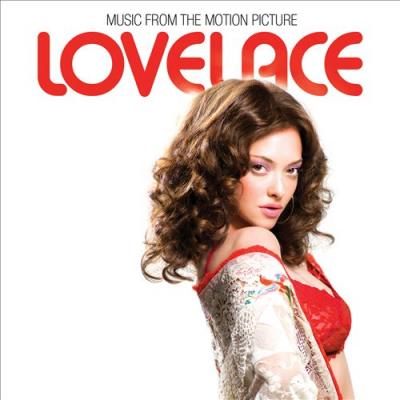
"Lovelace" Soundtrack Lyrics
Movie • 2013
Track Listing
Gladys Knight And The Pips
Brenton Wood
Everybody Else
Everybody Else
Carrick Moore Gerety
Frank Talley
Elvin Bishop
Everybody Else
John Ellison & The Soul Brothers Six
Norman Greenbaum
L.J. Waiters & Electrifiers
KC And The Sunshine Band
The People's Choice
Eddie Kendricks
Betty Davis
Johnny Schnell
Bachman-Turner Overdrive
Joel Bevan, George Mcfarlane
KС And The Sunshine Band
Marc Durst (Sacem)
Alan Moorhouse
Sofia Karstens
"Lovelace (Music From the Motion Picture)" – Album Guide to Tracks and Key Scenes
Overview
How do you tell a story about the most famous porn film of the 1970s without showing much of it at all? Lovelace answers by letting the soundtrack carry half the narrative. The album “Lovelace (Music From the Motion Picture)” leans on deep-cut soul, funk, and radio pop to make Linda’s life feel glamorous, trashy, romantic, and terrifying, often in the same reel.
Most cues are licensed 1960s–70s tracks, sequenced almost like a period mixtape. Gladys Knight & The Pips, Elvin Bishop, Norman Greenbaum, Eddie Kendricks, KC & The Sunshine Band, and others place you straight into bowling alleys, cheap Miami motels, smoky porn sets, and glitzy premieres. The songs are mixed fairly hot; they don’t just decorate scenes, they shove you into them.
The trick of the film is perspective. The first half sells the fantasy with buoyant soul and strutting funk. In the second half, many of the same textures play over abuse, coercion, and regret. The music doesn’t change; the context does, and that contrast is the point. “Spirit in the Sky” is the clearest example: first euphoric, later nightmarish.
Stylistically, the soundtrack sits at the junction of classic R&B, funk, soft rock, and early disco. The choices are not random crate-digging: sweet soul underscores Linda’s vulnerability, bright bubble-funk sells the public myth of the “sexual revolution”, and harder, dirtier grooves creep in as Chuck’s control tightens. One original score cue by Stephen Trask threads through this, giving a thin, uneasy melodic spine whenever the pop sheen falls away.
How It Was Made
The original score for Lovelace comes from composer Stephen Trask, best known for Hedwig and the Angry Inch. He provides a small, slightly melancholy score that sits between the big period songs, often in transitional scenes or moments of private doubt. According to trade reports, the soundtrack album itself is focused almost entirely on source songs, with just one Trask cue included as a tonal anchor.
Music supervision is credited to Selena Arizanovic, with additional music department work by Peter Bateman, Tom Kramer and others. Their brief was tough: make the film feel authentically early-70s on an indie budget. That meant leaning on catalog tracks that sound unmistakably of the era but aren’t already exhausted by other movies. The final album balances recognizable hits (“Spirit in the Sky”, “Keep On Truckin’”) with less overused grooves (“If You Ain’t Gettin’ Your Thing”, “Oh How I Love It”).
Clearance-wise, this is a minefield: you’re dealing with major-label soul catalogs, disco staples, plus the politics of depicting the porn industry. Industry coverage has noted that Relativity Music Group assembled the album around songs they could realistically license together, which is why some cues heard in the film (indie band Everybody Else, for example) do not appear on the commercial release.
Trask’s score was recorded with a modest ensemble: guitars, synths, and a small string presence, engineered to sit under dialogue without fighting the thick analog feel of the needle-drops. From interviews around the time, you can infer a deliberate choice to not over-score the film; the songs and Seyfried’s performance do most of the heavy lifting.
Tracks & Scenes
"I've Got To Use My Imagination" — Gladys Knight & The Pips
Where it plays: Over the very first moments (around 00:00–00:01), as we hear the song and cut into a talk-show collage of Linda being introduced and grilled about Deep Throat and the “sexual revolution.” The track is non-diegetic, sitting over news voice-over, applause and interview snippets.
Why it matters: Lyrically about pushing through hardship, it immediately undercuts the glamorous media circus. We meet the myth “Linda Lovelace” with a song that quietly signals we’re actually watching a survivor trying to live with what happened.
"Gimme Little Sign" — Brenton Wood
Where it plays: At about 00:02:30, rolling over a sunny backyard scene in Florida as Linda and Patsy sunbathe, tease each other about sex and pretend not to hear Linda’s mother calling from inside. It’s diegetic in feel — the kind of AM-radio pop that could plausibly be on a transistor or in someone’s head — though the source isn’t foregrounded.
Why it matters: The song’s lightness contrasts with Linda’s strict Catholic household. It frames her as a regular young woman in a swimsuit, not yet the icon, and plants the idea that she’s waiting for a “sign” to escape that house.
"Out All Night" — Everybody Else (not on the official album)
Where it plays: Kicks in around 00:03:50 as Linda and Patsy sneak out, rush through the yard, and head toward a small live-music venue. It keeps playing as they enter the club, shouting over the band, full of reverb and chatter — classic diegetic bar music.
Why it matters: This cue marks Linda’s first taste of a more permissive world. The lyrics and tempo match her tentative rebellion: she’s literally out past curfew, pulled between Patsy’s wildness and her mother’s rules.
"Get Ready" — Everybody Else (not on the official album)
Where it plays: Immediately following, around 00:04:20. The band plays on stage while Linda and Patsy improvise as go-go dancers. Chuck Traynor, at the bar, notices Linda for the first time. The music is diegetic, coming from the band’s small PA system.
Why it matters: The title is on-the-nose: “get ready” for the rest of Linda’s life. The groove sells the scene as fun and spontaneous, so Chuck’s attention initially feels flattering rather than foreboding.
"Fooled Around and Fell in Love" — Elvin Bishop
Where it plays: Starts around 00:12:40 as Linda is getting dressed to go out, then drifts into a parked-car make-out session with Chuck. He gently coaxes her into showing the scar from her earlier trauma and reframes it as something special. The song is non-diegetic but mixed as if it could be on the car radio.
Why it matters: One of the most romantic cues in the film, it helps explain why Linda trusts him. The lyrics about unexpectedly falling in love are exactly how the scene is staged, turning real vulnerability into a seduction tool.
"Funky Funky Way of Makin' Love" — John Ellison & The Soul Brothers Six
Where it plays: Comes in at about 00:15:06 during a house party sequence: people passing margaritas, home movies rolling, guests flirting and watching porn loops for a laugh. It’s diegetic, thumping through cheap speakers while the camera drifts from room to room.
Why it matters: The song’s playful sleaze nudges Linda toward the idea that sex can be casual entertainment. In the background, Chuck and his friends treat the porn reel like a joke, softening her boundaries just before he pushes her into his world.
"Oh How I Love It" — The People's Choice
Where it plays: Around 00:35:14, upstairs at a hotel after the Deep Throat shoot, during a raucous after-party. Industry figures gossip, move between rooms, and flirt while we hear Linda and Chuck loudly having sex through the wall. The song pumps from the party room stereo, diegetic, its volume turned up as the eavesdroppers grin at the noises next door.
Why it matters: The track’s title and groove sell the idea that the world assumes Linda is loving every minute. It’s a cruel contrast to the complicity and pressure she actually faces.
"If You Ain't Gettin' Your Thing" — L.J. Waiters & The Electrifiers
Where it plays: At about 00:25:40 on the porn set, as director Gerard Damiano and gangster-backers argue about lighting budgets and artistic choices. Extras mill around, joints are passed, and the crew tweaks equipment. The song plays diegetically as set music, filling the awkward gaps between takes.
Why it matters: It gives the shoot an almost casual, workplace vibe. The lyric hook about “gettin’ your thing” is cheeky, but in context it underscores how everyone sees Linda as a resource to exploit, not a human being.
"Shotgun Shuffle" — KC & The Sunshine Band
Where it plays: Around 00:34:12 during a fancy party by the beach — oysters on trays, suits in pastel shirts, everyone already counting their profits. The camera glides through conversations as the track blasts from a live band or DJ system, firmly diegetic.
Why it matters: This is the sound of the business machine revving up. The bright disco-funk groove is all about movement and flash, and it turns the room into a victory lap for everyone but Linda, who is being treated more like an asset than a partner.
"Oh How I Love It" — reprise context
Where it plays: Same mid-film block, continuing into shots of neighbors listening through the wall as Linda and Chuck make intense, noisy love. The camera stays on their amused faces while the music and the thumps blend together.
Why it matters: The reprise makes the song feel like the “soundtrack of Linda’s reputation” — everyone assumes enthusiasm without ever checking on her reality.
"Spirit in the Sky" — Norman Greenbaum
Where it plays (first time): At about 00:17:49, when Chuck is “teaching” Linda his technique and persuading her to push her physical limits while he films. The track drops in exactly as he tells her not to forget to breathe; we cut between her trying to please him and the whir of the film projector. It’s non-diegetic but timed to the action beats.
Where it plays (second time): It returns around 00:45:58 over a much darker sequence of marital sex that turns violent, cross-cut with Linda being interviewed about her marriage. The same riff now sounds sinister, almost mocking.
Why it matters: According to an interview with Norman Greenbaum, this cue was chosen specifically for the first “special talent” moment. The later reuse is brutal irony: the film uses the same feel-good rock hymn to score both the myth of sexual liberation and the reality of domestic abuse.
"Keep On Truckin'" — Eddie Kendricks
Where it plays: Around 00:38:55 during a box-office montage: men lining up to see Deep Throat, cash changing hands, jokey TV clips, and excited press. It’s presented non-diegetically, sitting over fast cuts of the film becoming a phenomenon while Linda is mostly absent from the business side.
Why it matters: The song is literally about grinding forward, and here it represents the porn industry rolling on. The groove sells the idea of a “fun, harmless” craze, while we already know Linda is not sharing in the success.
"Rock Your Baby" — George McCrae
Where it plays: Starts around 00:57:07 as Linda and Patsy reconnect in a boutique, trying on outfits and hugging, with Linda now styled like a 70s celebrity. The tune comes from the shop sound system, fully diegetic, while they joke about hair and husbands.
Why it matters: This is one of the few scenes where Linda appears to enjoy the perks of fame. The proto-disco warmth gives a brief, seductive pause — a glimpse of the alternate life where the success story is real.
"Your Mama Wants Ya Back" — Betty Davis
Where it plays: Around 01:03:59, in a sequence where Chuck is cutting deals and hyping Linda’s brand while she is increasingly exhausted and checked out. The record plays over a scene of business talk and manipulation rather than anything sexual.
Why it matters: Betty Davis’ raw funk and the song’s title quietly echo Linda’s distance from her parents and their later attempts to reconnect. It also injects a more aggressive, feminist energy, hinting at the woman Linda will become once she breaks away.
"She" — Alice Smith (trailer only)
Where it plays: Used in the main theatrical trailer rather than in the film itself, as confirmed by trailer-song round-ups. The soulful, modern production plays over a montage of Linda’s rise and fall, cutting between glamorous poses and bruised reality.
Why it matters: The trailer deliberately pairs a contemporary soul track with a 70s story to sell the film as relevant rather than nostalgic. It also softens the exploitation angle, which is typical marketing logic even when the actual movie is harsher.
Notes & Trivia
- The commercial album runs just over 40 minutes and includes one cue from Stephen Trask’s original score amid mainly licensed tracks.
- The film uses some songs (notably by Everybody Else) that do not appear on the official album, which can confuse listeners trying to match scenes to tracks.
- “Spirit in the Sky” is used twice with radically different emotional weight; many reviewers singled this out as one of the film’s sharpest musical ideas.
- The soundtrack release lagged the U.S. theatrical premiere by about a month, a common pattern for indie biopics of that era.
- Because the story is set between Florida, New York and Los Angeles, the music has to feel nationally recognizable, not regionally niche — hence the focus on radio staples and charting singles.
Music–Story Links
The simplest way to read the album is as a map of Linda’s self-image. Early on, songs like “Gimme Little Sign” and “Fooled Around and Fell in Love” make her life look like a teen romance: sun, freckles, a cute older boyfriend, a secret scar that someone finally calls beautiful. The music is kinder to her than her family is.
Once she steps onto the porn set, the funk cuts (“Funky Funky Way of Makin’ Love”, “If You Ain’t Gettin’ Your Thing”) shift focus. They’re not about Linda’s emotions at all; they’re about the vibe of the room and the men running it. She becomes, musically, one more piece of set dressing in her own story.
“Keep On Truckin’” and “Shotgun Shuffle” track Chuck’s arc more than Linda’s. They play over investors’ conversations, ticket lines, and parties where her name is a brand. If you follow the songs, the protagonist temporarily becomes the business itself, not the woman whose face is on the posters.
The Spirit in the Sky double use is the key to the film’s two-pass structure. In the “first version” of events, we hear it as a giddy, swaggering anthem when Linda discovers the act that made her famous. In the “second version,” the same track scores a violent marital scene, forcing us to rewind everything we thought that music meant.
By the time we reach the later talk-show and book-tour scenes, the needle-drops thin out and Trask’s score takes over. That silence — the absence of bouncy soul tracks — is itself a statement: Linda finally controls the story, but it no longer sells as easy entertainment.
Reception & Quotes
Critical reception to the film was mixed, and that bleeds into how people talk about the soundtrack. Many reviewers praised the performances and the period surface, while questioning whether the movie dug deep enough into Linda Marchiano’s reality. The songs were often mentioned as part of that polished surface.
“Wall-to-wall ’70s needle drops keep things lively, sometimes a little too eager to reassure you this is all just retro fun.” — summary of a common criticism in festival reviews
“The music department clearly did its homework; every bar, bowling alley and porn set sounds like it smells of smoke and sweat.” — paraphrased from trade coverage
On the positive side, some writers highlighted the contrast between soundtrack and subject as one of the film’s smarter choices, especially the reuse of “Spirit in the Sky” and the stark drop-off in pop songs during the Donahue/Ordeal section.
“When the jukebox finally quiets down, the reality of what happened to Linda hits that much harder.” — critical reaction to the film’s final act
The album itself is available on major streaming platforms and as a digital download. According to label and retailer listings, it’s marketed simply as a “Music From the Motion Picture” compilation rather than a full score release, which matches its content — if you want the more delicate Trask cues, you mostly have to find them in the film mix.
Interesting Facts
- The soundtrack album uses the “Music From the Motion Picture” tag, while some listings call it the “Original Motion Picture Soundtrack”; both refer to the same song compilation.
- Only one track from Stephen Trask’s original score made it onto the retail album, even though his cues quietly shape the film’s second half.
- The trailer song “She” by Alice Smith never appears in the movie or on the album; it lives entirely in marketing, a common trick to modernize period pieces.
- “Rock Your Baby” and “Keep On Truckin’” both came out in 1973, a year after the real Deep Throat premiered, but they perfectly match the film’s slightly compressed sense of 70s time.
- Some fans have built unofficial playlists that add missing film-only tracks (like Everybody Else’s songs) to the official album, creating a more complete watch-along set.
- Because the story revisits its own events from a different angle, certain songs feel like they “move” in meaning between the two passes, even though they play in the same chronological spot.
- Music supervisor Selena Arizanovic’s other credits from that period lean heavily action-thriller; Lovelace is one of her most overtly period-specific jobs.
- The soundtrack’s focus on American R&B and funk, rather than glam rock or European disco, keeps the story grounded in U.S. suburbia and strip-malls, not jet-set fantasies.
Technical Info
- Title: Lovelace (Music From the Motion Picture)
- Film: Lovelace (2013, biographical drama)
- Type: Various-artists soundtrack album with one original score cue
- Year of film release: 2013 (Sundance premiere January; U.S. limited release August)
- Soundtrack release: 2013 (digital/retail release shortly after the film’s run)
- Composer (score): Stephen Trask
- Music supervisor: Selena Arizanovic (additional music editing by others, including Mary Parker)
- Key artists featured: Gladys Knight & The Pips, Brenton Wood, Elvin Bishop, John Ellison & The Soul Brothers Six, KC & The Sunshine Band, Eddie Kendricks, George McCrae, Betty Davis, Norman Greenbaum
- Label: Relativity Music Group (soundtrack release)
- Notable placements: “I’ve Got To Use My Imagination” (opening talk-show montage), “Fooled Around and Fell in Love” (bedroom intimacy with Chuck), “Spirit in the Sky” (sexual “discovery” and later abusive scene), “Keep On Truckin’” (success montage), “Rock Your Baby” (boutique reunion with Patsy)
- Format/availability: Widely available on major streaming platforms and digital stores; physical CD availability varies by region and print run.
- Runtime: Approximately LP length (around 40–45 minutes) focusing on source songs rather than complete score.
Canonical Entities & Relations
| Subject | Relation | Object |
|---|---|---|
| Lovelace (2013 film) | is directed by | Rob Epstein, Jeffrey Friedman |
| Lovelace (2013 film) | has original score by | Stephen Trask |
| Lovelace (Music From the Motion Picture) | is soundtrack to | Lovelace (2013 film) |
| Relativity Music Group | releases | Lovelace (Music From the Motion Picture) |
| Selena Arizanovic | serves as | music supervisor on Lovelace |
| Amanda Seyfried | plays | Linda Lovelace / Linda Boreman |
| Peter Sarsgaard | plays | Chuck Traynor |
| Deep Throat (1972 film) | is depicted within | Lovelace as film-within-the-film |
| Sundance Film Festival | premieres | Lovelace in January 2013 |
| Norman Greenbaum | writes and performs | “Spirit in the Sky” |
Questions & Answers
- Is the Lovelace soundtrack mostly original score or existing songs?
- It is primarily a compilation of licensed soul, funk, soft rock and disco tracks from the 1960s–70s, with just one Stephen Trask score cue on the album.
- Which song plays when Linda first meets Chuck in the nightclub?
- That sequence uses two songs by the band Everybody Else — “Out All Night” as they arrive and “Get Ready” while they dance and Chuck notices Linda.
- What is the song in the main Lovelace trailer?
- The widely circulated trailer is cut to “She” by Alice Smith, which does not appear in the film or on the official soundtrack album.
- Why does “Spirit in the Sky” feel so different the second time it appears?
- It scores a joyful “discovery” scene first, then later plays over an abusive marital encounter. Same song, opposite emotional context — the contrast is intentional.
- Where can I listen to the Lovelace soundtrack today?
- The album is available on major streaming services and digital stores under titles like “Lovelace (Music From the Motion Picture)” or “Lovelace (Original Motion Picture Soundtrack)”.
Sources: Filmmusicreporter; Apple Music; Spotify; IMDb; Metacritic credits; Wikipedia (multiple language editions) for film context; subtitle transcripts for scene timings; trailer song round-ups and trade coverage for marketing details.
November, 13th 2025
'Lovelace' is a 2013 American biographical drama film about porn actress Linda Boreman, better known as Linda Lovelace. Learn more on Wikipedia.org and IMDb.comA-Z Lyrics Universe
Cynthia Erivo Popular
Ariana Grande Horsepower
Post Malone Ain't No Love in Oklahoma
Luke Combs Good Riddance (Time of Your Life)
Green Day Bye Bye Bye
*NSYNC You're the One That I Wan
John Travolta & Olivia Newton-John I Always Wanted a Brother
Braelyn Rankins, Theo Somolu, Kelvin Harrison Jr. and Aaron Pierre The Power of Love
Frankie Goes to Hollywood Beyond
Auli’i Cravalho feat. Rachel House MORE ›