Soundtracks:  A B C D E F G H I J K L M N O P Q R S T U V W X Y Z #


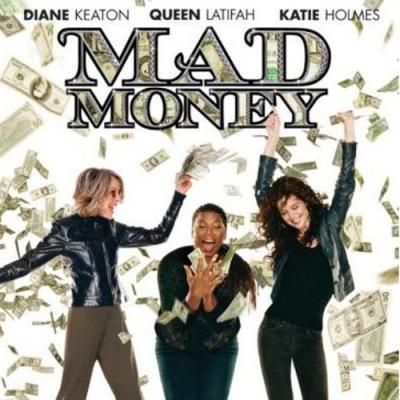
Mad Money Album Cover

"Mad Money" Soundtrack Lyrics

Movie • 2008

Track Listing


"Mad Money – Unofficial Soundtrack Guide to Score & Songs from the Film" – Album Guide to Tracks and Key Scenes

Mad Money 2008 trailer frame of the three women plotting a heist
Mad Money (2008) – three Federal Reserve employees about to turn their day job into a side hustle.

Overview

Why does a fairly broad heist comedy lean so heavily on swampy blues, retro R&B and boutique indie-funk? Mad Money’s musical choices are more pointed than the movie’s easygoing tone suggests. Under the jokes about middle-class debt and shredded banknotes, the soundtrack keeps nudging you toward class, work and the thrill of getting away with something you are not supposed to touch.

The original score comes from James Newton Howard and Marty Davich, who underplay things for most of the film. Instead of big, sentimental themes, you get light caper writing: brushed drums, small-ensemble grooves, muted brass stabs and little rhythmic motifs for the counting, shredding and moving of cash. It is functional on its own, but the real personality comes from the licensed tracks — Dr. John, Marvin Gaye, Robert Plant & Alison Krauss, Luther Allison, The Bees, The Heavy and others.

Taken together, the songs have a clear logic. Classic R&B and soul (“Money (That’s What I Want)”, “Got to Give It Up”) stand in for the fantasy of easy wealth; blues cuts (“Soul Fixin’ Man”, “Nobody But You”, “Smokestack Lightning”) belong to work, sweat and consequences. Swampier cues like “Dirty Thang” sit in between, a little grimy but playful. Indie and alt-pop (“Different Sound”, “Coleen”) tag along with Jackie’s younger, scruffier energy and the film’s late-2000s sensibility. It is a compact lesson in how you can signal class, age and attitude just by changing the groove.

Genres map neatly onto character dynamics. Blues-rock and roots music track the husbands, dead-end jobs and background male characters. Gospel-inflected material and rootsy Americana colour Nina’s home life and the story’s moments of fear and relief. Retro-soul and slick R&B underline Bridget’s fantasy of still being above all this, even while she is literally cleaning floors at the Fed. When “Coleen” crashes into the end credits, it feels like the movie finally admitting it has been a pop song about bad decisions all along.

How It Was Made

On paper Mad Money is a pretty standard studio job for James Newton Howard — he had just come off prestige work like Michael Clayton and The Great Debaters — but here he shares credit with Marty Davich, best known for television and session work. Their brief was simple: support a light caper without overselling emotion, leave room for dialogue, and blend cleanly with a song-heavy soundtrack.

The score itself was never given a wide commercial release. Instead, it exists as cues embedded in the film and in an unofficial “complete score” playlist that has circulated online among collectors. Titles like “Main Title”, “Crime Is Contagious” and “Bridget’s Plan” suggest a fairly traditional spotting approach: short cues for the scheme’s steps, slightly longer ones for montages and emotional beats.

Music supervision was handled primarily by Nora Felder, whose later credits include Californication and Stranger Things, with additional supervisors and clearance staff helping wrangle a mix of Motown catalog, Rounder Records material, Alligator blues tracks and smaller-label cuts. That combination — big legacy catalog plus deep-blues and niche indie — explains why some songs were familiar on release while others sent viewers straight to forums asking “what was that track in the bar?”.

Mad Money trailer still of Bridget, Nina and Jackie in Federal Reserve uniforms
Behind the heist – janitorial carts, shredder rooms and a score that mostly smiles along while the songs do the mugging.

Tracks & Scenes

Below are key placements — not a full tracklist — focusing on songs that define characters and plot beats. Timings are approximate and based on common home-video versions.

"Hey Tía!" — Mexican Institute of Sound
Where it plays: Very early on, as Bridget walks near the street and a car of younger guys cruises past, stereo blaring. The track blasts from their speakers; one of them leans out to call “Give it up, Miss Daisy!” before the car rolls away.
Why it matters: The cue throws Bridget’s age and class into relief straight away. She is on foot, anxious about money; they are driving past, soundtracking their day with a hip, sample-heavy Latin cut. It is the first reminder that the world has moved on without her.

"Get Away With That" — Caliber
Where it plays: In the same early stretch around Bridget’s trip to the Federal Reserve job, this track slides onto the soundtrack as she crosses the parking lot and steps into the bureaucratic maze that will become her heist playground.
Why it matters: The title is practically a spoiler. Even before Bridget has fully formed her plan, the music hints where her mind is going. It also sets a modern groove against the very institutional setting of the Fed, giving you that “crime under fluorescent lights” feeling.

"Different Sound" — Teddybears
Where it plays: Around the time Bridget and Nina first clock Jackie as a potential third partner. Jackie is dancing through the corridors with headphones in, oblivious, and “Different Sound” is pumping directly into her walkman. We hear it as a mix of diegetic (through her phones) and sweetened non-diegetic when the movie cuts in close.
Why it matters: It marks Jackie as the wildcard — younger, distracted and living in her own mixtape. The title is literal: she is out of step with the grind of the Fed, which makes her both a liability and the perfect distraction.

"Soul Fixin’ Man" — Luther Allison
Where it plays: In a small bar where Bridget and Nina go to feel Jackie out properly. The jukebox or house system leans into electric blues as the women talk through risk, family and whether they can trust each other with jail time hanging over their heads.
Why it matters: The gritty guitar and Allison’s vocal give the scene a weight the script only hints at. You are looking at a janitor and a single mom cutting a deal; the blues says this is about survival, not just mischief.

"Rich Woman" — Robert Plant & Alison Krauss
Where it plays: Over the first full heist montage and then, in smaller fragments, across several sequences of smuggling and swapping bags. The song threads between scenes of carts rolling down corridors, bundles of notes being slipped into bins and the trio adjusting to the adrenaline of not being caught. According to the song’s own entry, this version plays as background music repeatedly across the film, sometimes interwoven with the score.
Why it matters: This is the movie’s signature needle drop. The lyric hook — “She’s got the money and I’ve got the honey” — is too on the nose to ignore, and the relaxed swing contrasts nicely with the characters’ nerves. It suggests that, for Bridget at least, theft has started to feel like a lifestyle.

"Money (That’s What I Want)" — Barrett Strong
Where it plays: During a celebratory sequence where the three women roll around on a bed literally covered in cash, laughing and screaming. The camera glides over stacks and fans of bills while the Motown classic blares, fully non-diegetic but perfectly synced to their giddiness.
Why it matters: It is the most obvious musical joke in the film, and it works. The song has been used in dozens of projects as shorthand for greed; here it doubles as a reminder that these women have not really solved anything long term. They are still chasing the chorus, not the verses.

"(Everybody Wanna Get Rich) Rite Away" — Dr. John
Where it plays: Over a later montage that shows the heists continuing as routine: more carts, more swaps, increasing sums. We see the logistics tighten up, the hiding spots get more elaborate and the team’s confidence rise with each successful run.
Why it matters: The loose New Orleans shuffle in Dr. John’s track makes the illegal operation feel almost casual. It underlines the slippery slope from one desperate act to a full-time side gig, and the lyrics match the movie’s frustration with a system that pushes even “respectable” people toward schemes.

"Chicken Payback" — The Bees
Where it plays: As Jackie walks down a corridor toward what could be a complete disaster — security tightening, patterns changing, a sense that the run of luck might be ending. She bops along, still half in her own world, as the track’s goofy call-and-response fills her headphones.
Why it matters: The song is playful, almost childlike, which makes the tension sharper. Viewers know something could go wrong; Jackie doesn’t. The cue also nudges the idea of “payback” into your head just as the film starts to ask whether the money will cost them more than it gives.

"Nobody But You" — Luther Allison / "Can’t Nobody Do Me Like Jesus" — Ollabelle
Where they play: After one of the near-catastrophic episodes has been averted, Don and Bob sit with beers, trying to process how close everything came to collapsing. A tough blues track gives way into a modern gospel-rooted performance, as if the film itself is breathing out in stages — from anger to relief.
Why it matters: Pairing secular blues and spiritual vocals in one stretch is a neat touch. It mirrors the husbands’ half-comic, half-panicked realisation that they are now in deep whether they like it or not — and that any “salvation” will be messy.

"Got to Give It Up" — Marvin Gaye
Where it plays: Over a later montage of the trio spending their winnings: new appliances, changed wardrobes, nicer hair, bigger smiles. The groove keeps sliding along as receipts pile up and the camera checks in on each woman’s domestic upgrades.
Why it matters: It is both celebration and warning. The track’s party vibe sells the rush of finally having breathing room; the title quietly points out that something will, at some point, have to be given up — secrecy, safety or the money itself.

"Coleen (feat. The Dap-Kings Horns)" — The Heavy
Where it plays: Over the film’s last scene and into the first half of the closing credits. The story resolves, consequences land, and then “Coleen” drops with its retro-soul horns and stomping beat, turning the final freeze frames into a mini victory lap.
Why it matters: “Coleen” ends things on a cheeky, swaggering note. It doesn’t pretend anyone has become morally pure; it just says, “You survived this round.” The Dap-Kings horn sound also ties Mad Money to the wider 2000s soul revival, which fits a movie about old systems getting gamed by new players.

Score cues — James Newton Howard & Marty Davich
Where they play: Short score cues stitch together interrogations, planning sessions and quieter family scenes. Titles in circulating cue sheets include “Main Title”, “Crime Is Contagious”, “Bridget’s Plan” and “Shredder”, each built around light rhythmic figures and small ensemble textures. The music tends to enter when dialogue needs headroom and leave when songs take over.
Why they matter: The score’s job is to keep the film buoyant and moving without competing with big songs like “Rich Woman” or “Money (That’s What I Want)”. It also gives the Fed interiors a slightly comic, clock-like feel — all mechanism and repetition — which makes the idea of stealing from it feel more like breaking a machine than robbing people directly.

Mad Money trailer shot of cash bundles being wheeled through a secure corridor
Tracks like “Rich Woman” and “(Everybody Wanna Get Rich) Rite Away” turn numbered carts and shredders into a kind of laid-back dance.

Notes & Trivia

  • There is no widely distributed “Original Motion Picture Soundtrack” album; fans piece the music together from song databases, DVDs and an unofficial complete-score playlist.
  • “Rich Woman” had just won a Grammy for Robert Plant & Alison Krauss before the film came out, which helped anchor Mad Money’s sound in then-current Americana rather than pure nostalgia.
  • Joey Singer wrote and performed two small diegetic pieces, “Norman’s Song” and “Mara’s Star”, which function like in-universe tunes rather than big set-piece numbers.
  • “Dirty Thang” by Megajive was also used in Californication, which is why some viewers first recognised it from TV rather than this film.
  • Composer credits differ slightly in secondary databases, but primary listings agree on James Newton Howard and Marty Davich as the original score team.

Music–Story Links

Mad Money’s story lives in the tension between dull routine and risky freedom, and the soundtrack tracks that line almost scene by scene. Work and obligation tend to arrive with understated score cues or older, rougher material — blues riffs, gospel touches, hints of wear and tear. The thrill of the scam, by contrast, sounds like Motown singles, Latin-flavoured party tracks and modern indie-soul.

Bridget’s arc is marked pretty clearly by musical shifts. When she takes the janitor job, the sound is small and contained. Once she starts stealing and “Rich Woman” slides in over her first big run, the film lets her inhabit a fantasy where she and the money are partners. Later montages scored to “Got to Give It Up” and “Money (That’s What I Want)” show that fantasy spilling into every corner of her life: the house, her marriage, even how she holds herself.

Nina’s scenes lean more on blues and gospel touches. “Soul Fixin’ Man” underlines that she is coming from a life where money problems are constant and the stakes feel heavier than Bridget’s embarrassment about class. When “Can’t Nobody Do Me Like Jesus” plays after a close call, the cue functions almost as a joke prayer for the entire crew — the music is doing the thanking they cannot say out loud.

Jackie’s presence is flagged with more contemporary, quirky choices: “Different Sound”, “Chicken Payback”, the swagger of “Coleen” over the credits. Those songs carry a hint of chaos that fits a character who is not particularly strategic but is crucial to how the plan works and unravels. The result is a soundtrack that mirrors the trio’s chemistry — three distinct energies bouncing around one criminal idea.

Reception & Quotes

The film itself landed poorly with critics, pulling in weak scores on Rotten Tomatoes and Metacritic and being labelled a misfired caper despite the cast. Reviews generally focused on script and pacing issues; the music rarely took center stage in discussion, but few writers had complaints about it. If anything, the song choices and the overall upbeat audio mix were seen as propping up material that might otherwise feel even flimsier.

Home-video write-ups mention a “serviceable” or “workmanlike” surround mix — nothing demo-worthy, but perfectly fine for a mid-budget comedy. Among fans, most soundtrack talk happens on message boards and song-ID sites rather than in formal reviews: people trying to identify “that song in the bar”, or the track playing at the start of the credits. According to one fan thread, “Coleen” and “Rich Woman” are the two most-asked-about cues, which tracks with how prominently they recur.

“The movie may be forgettable, but the jukebox it raids is not.” — summary judgment from an online review
“A modest, bluesy caper sound that’s better than the film it’s attached to.” — capsule comment from a soundtrack fan
“Surprisingly sharp music choices for such a soft heist.” — blog review of Mad Money
Mad Money trailer shot of cash swirling around in a vault as the leads look on
The score stays light; the songs do the heavy lifting whenever money and temptation literally fill the frame.

Interesting Facts

  • The Plant/Krauss version of “Rich Woman” was originally cut for their album Raising Sand; Mad Money repurposes it as a recurring heist theme.
  • “Coleen” by The Heavy later turned up in other trailers and shows, but this film used it early, just before the band’s breakout syncs in bigger titles.
  • Blues cuts like “Somebody Loan Me a Dime” and “Smokestack Lightning” deepen the crate-digger vibe; they are barely on screen but anchor the film in real catalog history.
  • Composer Michael Mason and Marty Davich wrote “Jakob’s Blues” and “Been on the Bayou” under the Font 48 banner, giving the movie its own little pocket of original source music.
  • Because there is no official score album, collectors rely heavily on cue sheets and foreign credits pages to map which composer handled which scene.
  • Forums devoted to ad music and trailers logged multiple threads in 2008–2009 just to sort out which version of “Got to Give It Up” is heard in the spending montage.
  • Several soundtrack databases list duplicate entries for some titles (for example, two “Coleen” or “Got To Give It Up” entries), reflecting different releases rather than separate usages in the film.

Technical Info

  • Title: Mad Money – unofficial guide to score and songs from the film
  • Film: Mad Money (2008), directed by Callie Khouri
  • Year: 2008 (film and score)
  • Type: Film score plus various-artists song soundtrack (no single official album)
  • Composers (score): James Newton Howard (original music), Marty Davich (original music)
  • Key songs / artists: Robert Plant & Alison Krauss — “Rich Woman”; Barrett Strong — “Money (That’s What I Want)”; Dr. John — “(Everybody Wanna Get Rich) Rite Away”; Marvin Gaye — “Got to Give It Up”; Luther Allison — “Soul Fixin’ Man”, “Nobody But You”; The Bees — “Chicken Payback”; The Heavy — “Coleen”; Mexican Institute of Sound — “Hey Tía!”; Ollabelle — “Can’t Nobody Do Me Like Jesus”
  • Music supervision: Nora Felder (music supervisor), with additional supervision/clearances credited to colleagues on some listings
  • Notable label sources: Motown, Rounder Records, Alligator Records, Virgin/Astralwerks, Capitol, Columbia, smaller publishers and Font 48 for original songs
  • Release context: Film released January 18, 2008; no mainstream, label-branded “Original Motion Picture Soundtrack” CD; music exists via original artist albums, streaming playlists and fan-assembled score uploads
  • Runtime (film): Approximately 104 minutes
  • Notable placements: “Rich Woman” over first heist, recurring; “Money (That’s What I Want)” over bed-of-cash celebration; “Got to Give It Up” over spending montage; “Coleen” over final scene and early credits

Canonical Entities & Relations

Subject Relation Object
Mad Money (2008 film) directed by Callie Khouri
Mad Money (2008 film) music by James Newton Howard; Marty Davich
Mad Money (2008 film) music supervised by Nora Felder
“Rich Woman” (Robert Plant & Alison Krauss version) featured in Mad Money (2008 film)
“Money (That’s What I Want)” featured in Mad Money (2008 film)
“(Everybody Wanna Get Rich) Rite Away” featured in Mad Money (2008 film)
“Coleen” — The Heavy plays over final scene and first half of end credits
Joey Singer performs “Norman’s Song”; “Mara’s Star”
Font 48 publishes “Jakob’s Blues”; “Been on the Bayou”
James Newton Howard occupation film composer, music producer

Questions & Answers

Who composed the original score for Mad Money?
The score is credited to James Newton Howard and Marty Davich. Howard brings his film-score experience; Davich adds smaller-scale, groove-oriented writing.
Is there an official Mad Money soundtrack album?
No widely released, single soundtrack album exists. The music appears across original artist albums and playlists, with the score surfacing only via unofficial uploads.
What song plays during the first big heist montage?
That is “Rich Woman” by Robert Plant & Alison Krauss, produced by T Bone Burnett, used repeatedly as the film’s sly, laid-back caper theme.
Which song is playing when the women roll around on a bed of cash?
The bed-of-money celebration is scored to Barrett Strong’s “Money (That’s What I Want)”, a Motown classic about exactly the obsession driving the plot.
What track plays over the last scene and into the end credits?
The final scene and the first half of the closing credits use “Coleen” by The Heavy, featuring the Dap-Kings Horns, giving the film a swaggering send-off.

Sources: Whatsong.org; IMDb and secondary credits sites; Wikipedia entries for Mad Money, James Newton Howard and “Rich Woman”; Ringostrack / Banda-Sonora song listings; fan discussions and cue lists (Adtunes and similar forums).

November, 14th 2025


A-Z Lyrics Universe

Lyrics / song texts are property and copyright of their owners and provided for educational purposes only.