Soundtracks:  A B C D E F G H I J K L M N O P Q R S T U V W X Y Z #


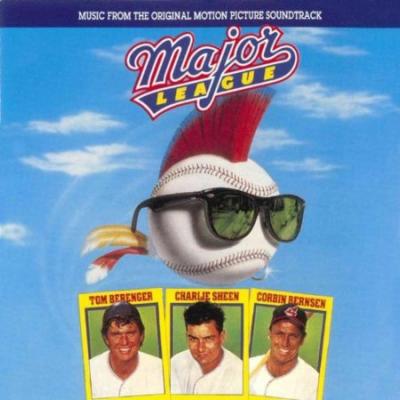
Major League Album Cover

"Major League" Soundtrack Lyrics

Movie • 1989

Track Listing


"Major League (Original Motion Picture Soundtrack)" – Album Guide to Tracks and Key Scenes

Major League 1989 theatrical trailer baseball montage
Major League movie trailer – early look at the Indians’ comeback story, 1989.

Overview

What does a baseball comedy about a cursed team need more than anything? A soundtrack that sounds like a packed stadium trying to will a miracle into existence. Major League delivers exactly that: a punchy mix of punk, rootsy rock, alt-country, and compact score cues that turn a scruffy underdog story into a full-blown folk tale about Cleveland, failure, and second chances.

The album built around the film — "Major League (Original Motion Picture Soundtrack)" — is a concise, 11-track compilation. It folds together James Newton Howard’s lean score pieces with songs by X, Lyle Lovett, Randy Newman, Bill Medley, and bar-band outfits like The Snakes, The Beat Farmers, and Lonesome Romeos. The music has the feel of late-80s America just off the interstate: slightly grimy, a bit twangy, and very sure of its hooks.

On screen, the soundtrack does three main jobs. First, it gives the fictional Cleveland Indians a lived-in world — bars, buses, locker rooms, and a city that’s been kicked around. Second, it marks emotional beats: Rick “Wild Thing” Vaughn’s mythic entrance, Jake Taylor’s last shot at love, the city’s cautious hope as the team claws its way back. Third, it turns the film’s opening and closing into a small civic arc: from a polluted river and empty stands to a full ballpark singing along.

Genre-wise, the score leans on rock, roots rock, and country-influenced singer-songwriter material, with two short orchestral cues carrying the sports-movie adrenaline. Punk and bar-rock underline the team’s edge and volatility; alt-country and Americana colour Jake and Lynn’s adult melancholy; Randy Newman’s piano-driven piece gives Cleveland a bruised civic hymn; Bill Medley’s adult contemporary ballad wraps it all in the kind of sentimental closure that late-80s studio movies loved. The blend is tighter than it looks on paper — the album plays like a bar jukebox that just happens to narrate a season.

How It Was Made

The film’s score comes from composer James Newton Howard, early in his big-studio run but already moving comfortably between orchestral writing and pop-adjacent textures. Studio notes and discographies show that the official album only carries two of his instrumental cues — “Trial & Error” and “Pennant Fever” — alongside needle drops and songs he co-wrote, while the rest of the score remains locked to the film print and TV masters.

The soundtrack itself is a Curb Records compilation, branded as Music From the Original Motion Picture Soundtrack, and issued in 1989/1990 as an 11-track LP/CD and later digitally. Curb leans into cross-promotion: Lovett’s “Cryin’ Shame” arrives from his Grammy-winning era, Randy Newman’s “Burn On” is pulled from his 1972 album Sail Away, and Bill Medley gets a new movie-closing showcase right after the massive success of “(I’ve Had) The Time of My Life.”

Director David S. Ward has explained that “Burn On” was chosen because it is explicitly about Cleveland and the Cuyahoga River catching fire, making it a rare pop song that sings directly to the city’s industrial scars. In the same way, Ward steers away from the better-known Troggs version of “Wild Thing” and licenses the harder, mass-chant rendition by Los Angeles band X, giving Rick Vaughn’s entrance a more feral, stadium-sized roar.

On the production side, the soundtrack credits show a web of producers and songwriters: Glen Ballard and Howard on “How Can the Girl Refuse,” Ron Aniello shepherding the Lonesome Romeos cuts, and Michael Lloyd handling pop polish. The result is less a random grab-bag and more a coherent bar-rock mixtape, shaped carefully around the film’s beats rather than slapped on afterward.

Major League trailer still with Cleveland Indians players on the field
Publicity trailer frames already lean on music-driven montages of the Indians’ season.

Tracks & Scenes

Below are the key songs and cues as they function in the film, with a focus on how they hit specific scenes. Time references are approximate and may vary slightly by cut or format, but the emotional beats stay the same.

“Burn On” — Randy Newman

Where it plays: The film’s opening titles. Over aerial and ground-level shots of Cleveland — smokestacks, bridges, factories, working-class streets, the old Municipal Stadium — Newman’s piano and voice roll out a wry, mournful hymn to the Cuyahoga River and its infamous tendency to catch fire. The track plays non-diegetically, like Cleveland’s inner monologue, and runs through most of the main-title montage.

Why it matters: This is the movie’s thesis in song form. The lyrics about a river “burning” meet images of deindustrialization and fan apathy, letting us feel the city’s exhaustion before we even meet a player. It anchors the film in a specific place and history, elevating what could have been a generic sports comedy into something about Cleveland itself.

“Wild Thing” — X

Where it plays: Late in the film, in the one-game playoff against the Yankees. As the bullpen door swings open and Rick “Wild Thing” Vaughn jogs in, sunglasses on and number 99 blazing, the stadium PA blasts this roaring punk cover. Fans in the stands chant along, wave signs, and turn the aisle into a runway. The song runs diegetically — we are hearing what the crowd hears — and continues over shots of Vaughn taking the mound and the Yankees hitters reacting.

Why it matters: This is the myth-making moment. The team has gone from a joke to a contender, and the song turns Vaughn into a folk hero in real time. The harder edge of X’s version makes the scene less cute and more raw, framing Vaughn as dangerous rather than cuddly, which keeps the tension high even as the crowd sings along.

“Most of All You” — Bill Medley

Where it plays: End-credits love theme. After Jake Taylor executes the surprise bunt and the Indians win, the crowd storms the field and Jake reunites with Lynn. As they walk through the chaos toward an uncertain future, Medley’s ballad takes over the soundtrack and continues under the credits roll, giving their thread a more intimate close than the roar of the stadium would allow.

Why it matters: The film pivots from team triumph to personal stakes: Jake is near the end of his career and desperate not to blow his last shot with Lynn. This song, with its mix of regret and commitment, lets the movie end on something softer than locker-room champagne, and it also plants the soundtrack in the era of big, emotive end-credit ballads.

“How Can the Girl Refuse” — Beckett (Peter Beckett)

Where it plays: A bar scene with the team off the field. The track runs under shots of players mingling with locals, chatting with women, and trying to forget the standings for a night. It is diegetic in feel — jukebox/bar PA level — even when the camera leaves direct sound sources, the mix keeping it just loud enough to keep the room’s energy intact.

Why it matters: The song has a glossy, late-80s pop-rock sheen that contrasts with the Indians’ shabby reputation. It underscores how much of their lives happen in these semi-anonymous nightlife spaces, and it quietly hints at the gender dynamics around pro athletes and fans that the film otherwise treats as throwaway comedy.

“Cryin’ Shame” — Lyle Lovett

Where it plays: Heard during one of the film’s more reflective stretches, as Jake and Lynn’s story threads in between games. The song eases in under dialogue and transitional shots rather than as a big set-piece, giving the feeling of a lonely radio somewhere off-screen.

Why it matters: Lovett’s mixture of dry humour and melancholy fits Jake perfectly: a man who knows he has wasted chances but can joke about it anyway. The tune gives the movie a brief country-soul tint, reminding us that behind the slapstick and locker-room gags there are midlife crises playing out quietly.

“Walkaway” — The Snakes

Where it plays: During an early- to mid-season montage when the team is still blowing leads and limping off the field. The song covers cuts of players trudging from the dugout, fans filing out, and Rachel Phelps simmering upstairs in her box. It is non-diegetic, stitched into the montage rhythm more than tied to any single location.

Why it matters: The lyric concept of “walking away” works on multiple levels: fans bailing early, players thinking about quitting, ownership already planning the move to Miami. It is one of those soundtrack choices that does narrative labour while still sounding like something you might hear on a local rock station.

“Hideaway” — The Beat Farmers

Where it plays: Over a more upbeat off-field sequence, as the team chemistry slowly improves. Shots of the guys goofing around, travelling, and finding their informal rituals are backed by this rugged bar-band track, again mostly non-diegetic but cut to feel like it is coming from car radios and bar speakers.

Why it matters: The song’s shuffling groove and rough vocals mirror the team’s transition from misfits to a functioning, if still messy, unit. It keeps the film grounded in blue-collar rock rather than polished arena pop, which suits a franchise that plays in a beat-up stadium on Lake Erie.

“U.S. Male” — Lonesome Romeos

Where it plays: Used around locker-room and nightlife material, this cut backs images of the players swaggering, joking, and sometimes making fools of themselves off the diamond. It tends to sit under dialogue rather than take over a scene outright.

Why it matters: The track leans into a slightly ironic picture of American masculinity — tough on the outside, insecure underneath. It fits the film’s habit of poking fun at macho posturing while still letting the players become genuine heroes by the final act.

“Oh You Angel” — Lonesome Romeos

Where it plays: Another bar-leaning track, heard during a more romantic or late-night beat when characters let their guard down. The mix treats it as source music at first then lets it bleed into the score space as emotions sharpen.

Why it matters: The slightly sweeter tone of this song helps modulate the soundtrack’s overall toughness. It keeps the movie from feeling wall-to-wall rowdy and prepares the ground for Bill Medley’s closing ballad by showing that the film is willing to take romantic feeling seriously, at least for a few minutes.

“Trial & Error” — James Newton Howard (score cue)

Where it plays: A compact instrumental used during on-field sequences where the team is still stumbling — errors, wild pitches, miscommunication. The cue supports cutting between defensive miscues and reaction shots in the dugout, tightening the rhythm without drawing attention away from the jokes.

Why it matters: Howard’s job here is to keep the comedy sharp while still making the baseball action feel real. The cue’s stop–start energy mirrors the Indians’ learning curve and keeps the montage pacing brisk.

“Pennant Fever” — James Newton Howard (score cue)

Where it plays: Late-season and playoff moments, especially during the tiebreaker game against the Yankees. It is used to bind together multiple plays — pitches, steals, close calls — into a single arc of rising tension, woven between the more recognizable songs.

Why it matters: This is as close as Major League gets to a traditional sports-theme fanfare. Short as it is, the cue signals that the “joke” team has become a real contender, and it gives the climactic innings a musical identity that belongs to the Indians rather than to licensed songs.

Other cues and needle drops

The film also sprinkles in pieces like Chopin’s “Funeral March” and “Mexican Hat Dance” in stadium or comic contexts, usually as quick gags rather than full musical statements. These classical and folk snippets play diegetically — as organ stings, for example — and contribute to the sense that the ballpark itself is a noisy, often ridiculous character.

Major League trailer frame focusing on Ricky Wild Thing Vaughn entering from the bullpen
The trailer foregrounds the “Wild Thing” entrance that turned a song into an instant baseball ritual.

Notes & Trivia

  • The soundtrack album is relatively short — about half an hour — but covers almost every major non-classical song heard prominently in the film.
  • Only two James Newton Howard score cues, “Trial & Error” and “Pennant Fever,” have been widely released; the rest of the score circulates only within the film.
  • “Burn On” predates the movie by nearly two decades, yet its Cuyahoga references line up so perfectly with the film’s imagery that it feels as if it were written for Major League.
  • The “Wild Thing” used in the film is not the Troggs’ 1960s hit but the louder, chant-driven 1984 cover by X, which later inspired real-life closers to adopt it as entrance music.
  • Peter Beckett, best known for “Baby Come Back,” not only sings “How Can the Girl Refuse” but has talked about the song’s bar-scene placement and its second life on his solo album.

Music–Story Links

Almost every memorable musical moment in Major League attaches to a character turn or a shift in the team’s fortunes.

When the film opens on Cleveland’s industrial landscape under “Burn On,” the city itself becomes the first character: weary, polluted, but still standing. That context makes the Indians’ comeback feel less like a sports anomaly and more like a small civic resurrection. The players aren’t just winning for themselves; they’re winning for a place that has been the butt of jokes for decades.

Rick Vaughn’s adoption of “Wild Thing” as his entrance theme is more than a gimmick. Before the glasses, he is a punchline: an ex-con who can’t find the strike zone. After the music cue and the crowd ritual coalesce, he becomes the emotional hinge of the late innings. The song tells the audience how to feel about him even before his control improves — it invites them to believe in him as a force of chaos pointed (mostly) in the right direction.

Jake and Lynn’s storyline is carried not by one big duet but by a cluster of songs: Lovett’s “Cryin’ Shame” and other quieter tracks set their scenes in a slightly different sonic world from the locker room. By the time “Most of All You” rolls over the final embrace, the film has earned a full-on power ballad because we have already seen the quieter, more awkward moments that lead there.

Even the minor bar-band cuts matter. “Walkaway,” “Hideaway,” “U.S. Male,” and “Oh You Angel” help distinguish between the old, drifting version of the team and the one that starts to cohere. Early in the film, the same kind of music plays over scenes of frustration and petty selfishness; later, it scores easy camaraderie and shared rituals. The songs stay roughly the same, but the meanings change as the standings do.

Reception & Quotes

The film itself opened to generally positive reviews and has since become a staple in “best baseball movies” lists. Critics at the time noted that the script was formula-driven but sharp, and that the performances and pace made it stand out in a crowded field of late-80s sports comedies.

“Predictable, yes, but Major League has enough laughs and personality to make the pennant race feel brand new.”
Contemporary newspaper review, paraphrased from press coverage
“Light, silly humor and well-built sports action sequences keep the crowd cheering long after the final out.”
Summary of aggregated critic consensus

Fans have been particularly attached to the musical moments. The “Wild Thing” entrance is frequently cited as one of the great sports-movie walk-ups, and Bill Medley’s “Most of All You” is often remembered by soundtrack collectors as an underrated end-credit gem from 1989–1990. Modern soundtrack podcasts have dedicated full episodes to the album, revisiting each track and its place in the film’s structure.

On the availability front, the album remains in circulation digitally on major streaming platforms, with original Curb CD and LP pressings turning up regularly on the collector market. Some expanded, unofficial or semi-official editions bundle the first film’s soundtrack with music from Major League II and Back to the Minors, but the core 11-track configuration is still the canonical version.

Major League trailer frame showing the Cleveland Indians celebrating a win
Later marketing leans on crowd shots and music to sell the movie as a feel-good baseball carnival.

Interesting Facts

  • “Burn On” effectively doubles as the film’s unofficial “Cleveland anthem,” tying a real environmental disaster to a fictional baseball turnaround.
  • Only “Trial & Error” and “Pennant Fever” give listeners a taste of James Newton Howard’s full score; the rest remains unreleased outside of occasional bootleg or promo material.
  • The soundtrack is a textbook example of a late-80s/early-90s “various artists” album: shorter than an LP could allow, focused on maximum replay value rather than completeness.
  • When real-life closer Mitch Williams began using “Wild Thing” as entrance music and later adopted number 99, the film’s musical gag effectively jumped the fence into Major League Baseball itself.
  • Peter Beckett later reused “How Can the Girl Refuse” on his solo album, showing how songs written for film can migrate back into an artist’s main catalogue.
  • Bill Medley’s “Most of All You” sits in an interesting career spot — coming after his massive Dirty Dancing success and before he shifted more toward touring and legacy work.
  • Classic pieces like Chopin’s “Funeral March” appear briefly in the movie, but they never made it onto the commercial album, keeping the release focused on contemporary tracks.
  • The album packaging foregrounds the cartoonish baseball imagery rather than the artists, which fits a marketing strategy aimed at movie fans more than music collectors.
  • Later discussion of James Newton Howard’s career often mentions Major League as one of the early projects where he navigated between pop licensing and orchestral score on a tight commercial runtime.
  • Because the soundtrack is still attributed to “Various Artists,” it frequently appears alongside other multi-artist compilations in digital catalogues rather than in a dedicated James Newton Howard or Randy Newman discography.

Technical Info

  • Title: Major League (Original Motion Picture Soundtrack)
  • Work type: Compilation soundtrack album for feature film
  • Film: Major League (1989, sports comedy)
  • Director (film): David S. Ward
  • Composer (score): James Newton Howard
  • Key featured artists: X, Lyle Lovett, The Snakes, The Beat Farmers, Beckett (Peter Beckett), Lonesome Romeos, Randy Newman, Bill Medley
  • Label: Curb Records (various CD/LP/digital issues)
  • Album length: Approx. 32 minutes, 11 tracks (standard edition)
  • Notable songs: “Wild Thing” (X), “Burn On” (Randy Newman), “Most of All You” (Bill Medley), “How Can the Girl Refuse” (Beckett)
  • Notable score cues on album: “Trial & Error (Instrumental Score),” “Pennant Fever (Instrumental Score)”
  • Release window: Film premiered April 1989; soundtrack issued around 1989–1990 on Curb
  • Availability: Original album currently streamable on major platforms; physical editions intermittently in print but widely available second-hand.

Canonical Entities & Relations

Subject Relation Object
Major League (film) directed by David S. Ward
Major League (film) music by James Newton Howard
Major League (film) features team Cleveland Indians (fictionalized MLB club)
Major League (Original Motion Picture Soundtrack) soundtrack of Major League (film)
Major League (Original Motion Picture Soundtrack) released by Curb Records
“Burn On” written & performed by Randy Newman
“Wild Thing” (cover used in film) performed by X (band)
“Most of All You” performed by Bill Medley
“How Can the Girl Refuse” performed by Beckett (Peter Beckett)
James Newton Howard composed score for Major League (film)
Major League soundtrack includes recording “Trial & Error (Instrumental Score)”
Major League soundtrack includes recording “Pennant Fever (Instrumental Score)”

Questions & Answers

What song opens Major League over the Cleveland montage?
The opening montage uses Randy Newman’s “Burn On,” a piano-driven song about the Cuyahoga River and Cleveland’s industrial history.
Which version of “Wild Thing” plays when Rick Vaughn enters from the bullpen?
The film uses the 1980s cover of “Wild Thing” by the Los Angeles punk band X, not the original Troggs recording.
What is the love song that plays over the ending and credits?
The closing ballad is “Most of All You,” performed by Bill Medley. It begins as Jake and Lynn reunite on the field and runs into the end credits.
Is the orchestral score for Major League available as a full album?
Only two short score cues by James Newton Howard — “Trial & Error” and “Pennant Fever” — are officially on the main soundtrack; the rest of the score has no widely released standalone album.
What song is heard in the bar scene with the team socializing off the field?
The notable bar-set needle drop is “How Can the Girl Refuse,” performed by Beckett (Peter Beckett), used as jukebox-style source music.

Sources: IMDb soundtrack listings; AFI Catalog notes; Curb Records release credits; Apple Music and Spotify album pages; director and artist interviews; soundtrack-focused podcasts and fan discussions.

November, 15th 2025

'Major League': Learn about this movie on Internet Movie Database and Wikipedia
A-Z Lyrics Universe

Lyrics / song texts are property and copyright of their owners and provided for educational purposes only.