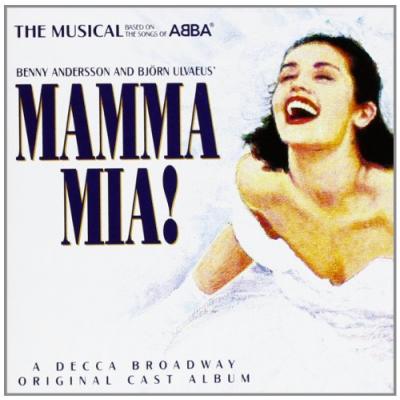
"Mamma Mia!" Soundtrack Lyrics
Musical • 2000
Track Listing
Mamma Mia Cast
Mamma Mia Cast
Jenny Galloway
Paul Clarkson
Siobhan McCarthy
Jenny Galloway
Jenny Galloway
Andrew Langtree
Jenny Galloway
Mamma Mia Cast
Nicolas Colicos
Mamma Mia Cast
Andersson, Bjorn
Lisa Stokke
Siobhan McCarthy
Siobhan McCarthy
Louise Plowright
Hilton McRae
Paul Clarkson
Siobhan McCarthy
Siobhan McCarthy
Nicolas Colicos
Siobhan McCarthy
Lisa Stokke
"Mamma Mia! Original Cast Recording (1999 London Cast)" – Album Guide to Tracks and Key Scenes
Overview
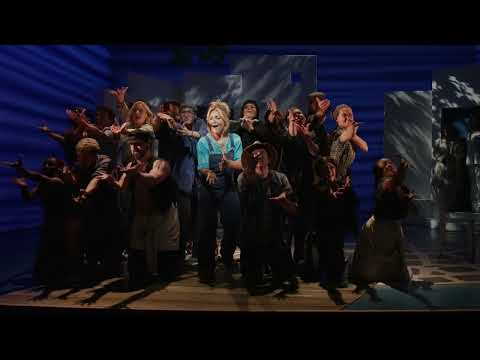
Can a cast album built entirely from pre-existing pop songs still feel like a tightly written musical? “Mamma Mia! Original Cast Recording” is the proof that it can. Recorded with the 1999 London cast and released internationally around 1999–2000, it takes ABBA’s catalogue and turns it into a seventy-plus-minute story about a mother, a daughter and three bewildered potential dads on a Greek island.
The recording follows Catherine Johnson’s book scene by scene. You hear Sophie’s secret plan to invite her three possible fathers, Donna’s shock when they all turn up at her taverna, and the chaos of the hen and stag parties. Because Benny Andersson and Björn Ulvaeus produced the album themselves, the orchestrations sit halfway between original ABBA studio sheen and live pit-band punch: rhythm sections stay tight, strings and synths bloom, and the chorus stacks are engineered with pop precision rather than old-school Broadway reverb.
As a document of the show’s first wave, the album is important. It preserves Siobhán McCarthy’s Donna, Lisa Stokke’s Sophie and the full original London ensemble just as the musical exploded from the West End to Toronto and then to Broadway. Chart records and label copy show that the recording gradually climbed back into the UK album chart years after release, off the back of worldwide productions and later the 2008 film, which pushed listeners back to this earlier version.
Genre-wise, the cast album is unapologetically pop: disco beats, mid-tempo soft rock, Europop ballads, all filtered through musical-theatre storytelling. Disco-era tracks like “Dancing Queen” and “Voulez-Vous” drive crowd scenes, while piano-driven ballads such as “Slipping Through My Fingers” and “The Winner Takes It All” carry Donna’s emotional spine. Up-tempo anthems read as joy and denial; neon synth textures mark party spaces; stripped-back arrangements and close vocal miking mark moments where the story drops the glitter and talks honestly about aging, regret and letting children go.
How It Was Made
Mamma Mia! began as producer Judy Craymer’s hunch that ABBA’s songs could support a book musical. She enlisted playwright Catherine Johnson to shape a story around them and Phyllida Lloyd to direct. The musical premiered at London’s Prince Edward Theatre in April 1999, with music and lyrics credited to Benny Andersson and Björn Ulvaeus, and ABBA bandmate Anni-Frid Lyngstad taking a financial stake in the production.
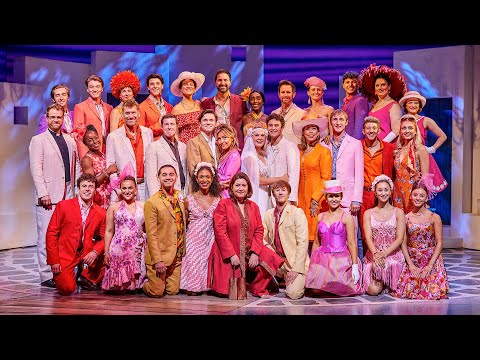
The original London cast included Siobhán McCarthy as Donna Sheridan, Lisa Stokke as Sophie, Louise Plowright as Tanya, Jenny Galloway as Rosie, Hilton McRae as Sam, Nicolas Colicos as Bill, Paul Clarkson as Harry and Andrew Langtree as Sky. This company stepped straight from the Prince Edward stage into the studio to record the cast album, with Andersson and Ulvaeus producing. Labels credit Decca (for the US) and Polydor (for the UK and Europe), and AllMusic’s release notes list a 2000 US street date even though UK copies were already circulating in late 1999.
The album’s 24 tracks cover nearly the whole score, from Sophie’s prologue to the “I Have a Dream” curtain call, plus an entr’acte. Vocal arrangements and orchestrations were supervised to keep ABBA’s original harmonic fingerprints while allowing for character acting — that is why “The Winner Takes It All” sits closer to a live theatre monologue than to the cool studio original. Later, a 5th-anniversary edition added encore versions of “Mamma Mia”, “Dancing Queen” and “Waterloo”, mirroring the megamix used in the stage curtain calls.
Behind the scenes, the recording also served a marketing function. As the musical moved from London to Toronto in 2000 and then to Broadway in 2001, the London album acted as the template and calling card for audiences and investors. One critic joked that ABBA “didn’t know they had written a musical” until this disc proved the point.
Tracks & Scenes
The tracks below follow the show order of the London production. Timings differ slightly between releases, but the dramatic beats stay the same.
"I Have a Dream" — Sophie (Lisa Stokke)
Where it plays: Prologue on the beach at night. Sophie sings alone about wishing for a world where her dreams — including knowing her father — can come true. On the album it functions as a quiet, storytelling overture before the plot kicks in.
Why it matters: It sets up Sophie’s idealism and frames the musical as her story, not just Donna’s past. The gentle build from solo voice to soft backing vocals hints at the community that will eventually surround her.
"Honey, Honey" — Sophie, Ali & Lisa
Where it plays: Very early Act I on the beach. Sophie shares Donna’s old diary with her friends, reading entries about three lovers — Sam, Bill and Harry — who could each be her father. The album preserves little giggles and spoken ad-libs as they flip through pages.
Why it matters: This is world-building via gossip. We get the exposition about the three men and feel the conspiratorial energy that leads Sophie to invite them to the wedding behind Donna’s back.
"Money, Money, Money" — Donna, Tanya, Rosie & Company
Where it plays: Courtyard of Donna’s taverna. The women complain about the costs of keeping the place afloat while tourists demand cheap fun. On the recording, the verses march along with a heavy groove, then bloom into fantasy when Donna imagines a “rich man’s world”.
Why it matters: It grounds the plot in economic reality. Donna is not a glamorous ex-rock goddess living off royalties; she is someone doing accounts at 2 a.m. The darker harmonies keep that edge inside a catchy number.
"Thank You for the Music" — Sophie, Sam, Harry & Bill
Where it plays: Courtyard scene once the three men have arrived. Harry strums an old guitar, Sophie joins in, and the song becomes a soft confession that she, not Donna, sent the invitations. On disc, the light acoustic texture stands out among the synth-heavy tracks.
Why it matters: It lets Sophie connect with each man before anybody understands the true stakes. The cast recording leans into the intimacy, making this feel like a folk-pop moment in the middle of the disco score.
"Mamma Mia" — Donna & Company
Where it plays: Immediately after Donna discovers all three ex-lovers are on the island. She hides and peeks at them through doorways, caught between fury, mortification and rekindled attraction. On the album, you hear her emotional swings in McCarthy’s vocal colour more than in physical comedy.
Why it matters: The title number is the emotional fuse for the whole show. Its stop-start structure mirrors Donna’s panicked “I can’t, I will, I shouldn’t” internal monologue.
"Chiquitita" — Tanya, Rosie & Donna
Where it plays: Donna’s friends find her collapsed on her bed after the shock of seeing the men. They coax her out with mock-serious concern that turns into affectionate teasing. The album layers their voices gradually, like friends building someone back up.
Why it matters: It reminds us that Donna once had her own girl-group glory and still has a support system. The quasi-Latin lilt softens the sting of mid-life disappointment.
"Dancing Queen" — Donna, Tanya & Rosie
Where it plays: Same bedroom, immediately after “Chiquitita”. The Dynamos drag Donna into their old stage routines, culminating in them storming out into the courtyard in full dress-up mode. On the cast album, this sounds like a straight-up ABBA tribute — the joke is how much joy it clearly gives them.
Why it matters: It is both nostalgia and self-help anthem. The recording captures Donna rediscovering that she can still be the “dancing queen” even with a grown daughter and unpaid bills.
"Lay All Your Love on Me" — Sky & Sophie with Ensemble
Where it plays: On the beach as an intimate duet that turns into a lark when Sky’s stag-party friends invade in snorkels and flippers. On the disc, you hear the transition from sensuous synth-bass duet to rowdy male chorus.
Why it matters: It nails the show’s balance of romance and comedy. The arrangement keeps the original song’s nightclub pulse but lets Sophie’s anxiety about the wedding and Sky’s sincerity cut through.
"Super Trouper" / "Gimme! Gimme! Gimme! (A Man After Midnight)" — Donna & the Dynamos / Female Ensemble
Where they play: At Sophie’s hen party in the courtyard. The Dynamos perform “Super Trouper” in sequinned costumes as a surprise, then the whole company shifts into a hedonistic “Gimme! Gimme! Gimme!” when the men crash the party.
Why they matter: Together, these tracks are the album’s party centre. The recording emphasises the hand-claps, whoops and crowd-vocals that make theatre audiences want to sing along.
"The Name of the Game" — Sophie & Bill
Where it plays: Down at the dock. Bill thinks he may be Sophie’s father and offers to walk her down the aisle; she makes him promise to keep their secret until after the ceremony. The track strips things back to bass, keyboards and close-miked voices.
Why it matters: It captures Sophie’s attempts to manage the emotional logistics she has unleashed. On the album, Stokke’s vocal reads as both hopeful and scared — you can hear that she is improvising adulthood.
"Voulez-Vous" — Full Company
Where it plays: Act I finale at the hen party. Confessions, flirtations and misunderstandings collide as Sophie panics and runs off. The recording throws everything at the listener: dense backing vocals, pounding rhythm section, layers of brass and synth.
Why it matters: It is the sonic equivalent of a crowded dance floor with emotional landmines. When the last chorus cuts off, Act I has clearly crashed into a cliff-hanger.
"Under Attack" — Sophie & Nightmare Chorus
Where it plays: Act II opening dream sequence. Sophie imagines all three men trying to walk her down the aisle at once, with surreal projections and masked dancers in most productions. On record, the track uses processed backing vocals and a slightly harsher synth palette to signal “nightmare pop”.
Why it matters: It is one of the few ABBA songs that only live in the stage show and the cast album, not in the original ABBA mainstream memory. It dramatises Sophie’s anxiety without any spoken dialogue.
"One of Us" — Donna
Where it plays: Courtyard, early Act II, after a brutal argument with Sophie. Donna tidies the taverna while singing about a relationship that went wrong and the difficulty of moving on. The arrangement adds acoustic guitar and keeps the groove restrained.
Why it matters: It shifts focus back to Donna’s inner life, reminding us that her story is not just about motherhood but about unresolved heartbreak.
"SOS" — Donna & Sam
Where it plays: Immediately after “One of Us”. Sam tries to apologise; Donna cannot quite accept it. On the album they share verses, then lock into the chorus as a duet that feels closer to a rock ballad than to disco.
Why it matters: It is the first time the recording lets Sam and Donna sing honestly to each other. Their blend hints at the couple they might have been.
"Does Your Mother Know" — Tanya, Pepper & Ensemble
Where it plays: On the beach, mid-Act II. Pepper flirts shamelessly with Tanya; she responds by toying with him and setting boundaries. The track leans on rhythm guitar and call-and-response lines with the ensemble.
Why it matters: It provides comic relief and shows that not every romance in the show is about happily-ever-after. It is one of the clearest examples of the score using an ABBA hit as in-world, diegetic entertainment.
"Knowing Me, Knowing You" — Sam (often with Sophie)
Where it plays: Beach scene where Sam talks to Sophie about his own failed marriage and warns her against marrying for the wrong reasons. On the album, Hilton McRae gives the song a weary, conversational tone instead of pop-idol gloss.
Why it matters: It flips the usual ABBA nostalgia into mentoring. The recording turns a breakup anthem into mutual recognition between a maybe-father and maybe-daughter.
"Our Last Summer" — Harry & Donna
Where it plays: Donna and Harry reminisce about their youth in Paris. The album features gentle acoustic textures and ensemble hums under their memories of cheap cafés and long walks.
Why it matters: It softens Harry from “possible dad number three” into a fully fleshed ex-lover with his own history of longing and loss. The song also quietly sets up his later disclosure about his current same-sex relationship.
"Slipping Through My Fingers" — Donna & Sophie
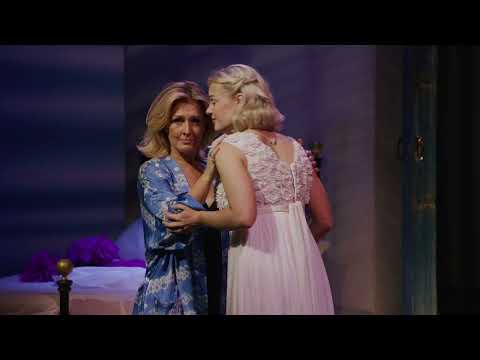
Where it plays: Donna helps Sophie get dressed for the wedding. Time seems to slow as she remembers her daughter’s childhood vanishing into adulthood. On the recording, the orchestration is minimal — mostly piano and strings — leaving a lot of space around McCarthy’s voice.
Why it matters: It is the emotional core of the mother-daughter story. The cast album makes it feel like a late-night confession rather than a grand theatre number.
"The Winner Takes It All" — Donna
Where it plays: The night before the ceremony, out by the water. Donna finally lays out her hurt and unresolved love to Sam. The album stretches the number into a slow-burn monologue, building from almost spoken lines into full belt across more than four minutes.
Why it matters: This track is the argument for casting a real actor-singer as Donna. It turns a notoriously big ABBA hit into one woman’s very specific, messy history.
"Take a Chance on Me" — Rosie & Bill
Where it plays: Courtyard right before the wedding. Rosie decides she is done waiting for romance and pursues Bill instead. The recording leans into the comedy, with breathy spoken asides and mock-heroic backing vocals.
Why it matters: It gives Rosie her own happy ending and keeps the tone light after Donna’s heavy ballad. On disc it plays like a mini-comic operetta coda.
"I Do, I Do, I Do, I Do, I Do" / "I Have a Dream (Reprise)" — Sam, Donna, Sophie, Sky & Company
Where they play: The wedding scene. Sophie and Sky decide not to marry just yet, but Sam proposes to Donna on the spot and the company pivots into a joyful, slightly absurd second-chance ceremony. “I Have a Dream” then returns as Sophie and Sky head off to travel, wrapping the plot up on a hopeful note.
Why they matter: These tracks resolve both generations’ stories without forcing a neat answer to “Who is the father?”. The cast album’s final lines land back where the prologue started, but wiser.
Encore Megamix — Company
Where it plays: Curtain call in the theatre. “Mamma Mia”, “Dancing Queen” and “Waterloo” return in glittery costumes and audience clap-alongs. On the 5th-anniversary album editions, these appear as standalone bonus tracks.
Why it matters: It is the show giving in to pure concert mode. On record, it feels like an appendix, but it also explains why fans treat this album as both musical theatre document and party playlist.
Notes & Trivia
- The musical’s world premiere took place at the Prince Edward Theatre, London, in April 1999; the original London cast album was recorded that same year.
- The album was produced by Benny Andersson and Björn Ulvaeus themselves, giving it a closer sonic kinship to ABBA’s studio work than many stage adaptations enjoy.
- Chart data shows the cast recording re-entered UK album charts years after its initial run, boosted by touring productions and the 2008 film’s success.
- A 5th-anniversary edition adds encore versions of “Mamma Mia”, “Dancing Queen” and “Waterloo”, reflecting the live curtain-call sequence.
- “Under Attack” appears on the cast album and in the stage show but is absent from the first film adaptation, which surprised some soundtrack-only fans.
Music–Story Links
The score’s structure mirrors a wedding weekend compressed into two acts. Early-act songs (“Honey, Honey”, “Money, Money, Money”) are all about plans, secrets and financial stress. Mid-act numbers at the parties (“Super Trouper”, “Gimme! Gimme! Gimme!”, “Voulez-Vous”) turn those stresses into noise and distraction, exactly what people do when they do not want to face hard conversations.
Sophie’s narrative arc is carried by “I Have a Dream”, “The Name of the Game” and “Under Attack”. Each time she sings, the cast album pulls the focus tighter: from vague dreams about the future, to bargaining with Bill, to panicked visions of three men claiming her as they march down the aisle. You can follow her shifting sense of control just by skipping through her songs.
Donna’s arc uses a different palette. Her tracks — “Money, Money, Money”, “Mamma Mia”, “One of Us”, “SOS”, “Slipping Through My Fingers”, “The Winner Takes It All” — step through shock, anger, self-reliance, nostalgia and finally vulnerability. On record, the growing warmth and roughness in McCarthy’s voice is almost a mini-novel about a woman who stopped prioritising her own desires and then is forced to look at them again.
The album also quietly tracks social themes: Harry’s gentle presence and the hints about his life back home sit under “Our Last Summer” and later dialogue; Tanya’s and Rosie’s songs push against expectations of how middle-aged women should behave; and the finale numbers argue that family is something you choose and keep negotiating, not something biology or tradition settles once and for all.
Reception & Quotes
Commercially, the Mamma Mia! cast album has behaved more like a pop record than a typical theatre disc. It charted in the UK on initial release, returned to higher positions after tours and the movie, and has appeared on album charts in multiple countries. It was also nominated for the Grammy Award for Best Musical Show Album in 2002, signalling that the industry took the recording seriously despite early scepticism about jukebox musicals.
Critically, responses split along two lines. Some reviewers complained that stitched-together pop songs could never replace bespoke musical-theatre writing. Others argued that the album’s sheer good humour and structural ingenuity made those objections feel academic. A long Playbill overview in 2000 both poked fun at some of the lyrics and predicted the show would be a massive hit in North America — a prediction that turned out to be accurate.
“The original London cast album displays a remarkably cheery seventy-four minutes of song.” — Steven Suskin, Playbill column on cast recordings
“All told, this is an entertaining disc featuring a lively bunch of song hits.” — Playbill assessment of the Decca Broadway release
“There are 23 ABBA songs used in the Mamma Mia! musical, with a few repeated as reprises… a real dance party.” — London theatre guide describing the stage score
In the streaming era, the cast recording sits alongside the movie soundtracks but serves a different function: it documents the original theatrical grammar of the material, without film cuts or rearrangements. For fans who first met the story on screen, this album often acts as a slightly rougher, more narrative-driven sibling.
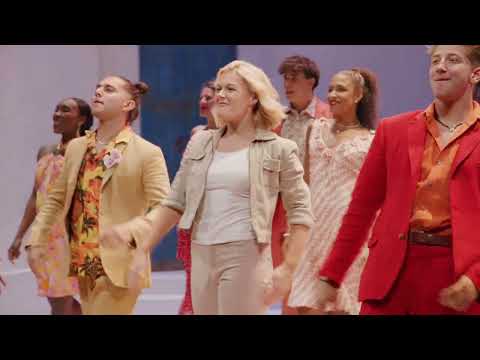
Interesting Facts
- The original London cast recording runs just over 74 minutes — unusually long for a single-disc cast album when it was released.
- Reissue notes and retailer listings credit Decca Broadway for the US market and Polydor for Europe, reflecting Universal’s label network at the time.
- The album appears in international charts not just in 1999–2001 but again in the 2000s and 2010s, as the franchise kept renewing interest.
- The Broadway 5th-anniversary CD version adds a DVD with behind-the-scenes footage and clips of West End performances of “Money, Money, Money” and “Dancing Queen”.
- Because Andersson and Ulvaeus were hands-on producers, the pit band plays closer to ABBA’s original studio arrangements than many jukebox shows that use licensed tracks.
- “Thank You for the Music” is omitted as a full scene from the first film but survives on stage and in the cast album, which can surprise movie-first fans.
- The musical’s 25th West End anniversary in 2024 triggered another wave of streams for the 1999 cast recording, according to industry coverage.
Technical Info
- Album title: Mamma Mia! Original Cast Recording (1999 Original London Cast)
- Type: Stage cast recording (jukebox musical)
- Main work: Mamma Mia! (1999 musical based on the songs of ABBA)
- Music & lyrics: Benny Andersson, Björn Ulvaeus (with Stig Anderson credited on several original songs)
- Book (musical): Catherine Johnson
- Producers (album): Benny Andersson, Björn Ulvaeus
- Key performers: Siobhán McCarthy (Donna Sheridan), Lisa Stokke (Sophie), Louise Plowright (Tanya), Jenny Galloway (Rosie), Hilton McRae (Sam), Nicolas Colicos (Bill), Paul Clarkson (Harry), Andrew Langtree (Sky)
- Recorded: 1999, London
- Initial release: Late 1999 (UK/Europe)
- US release: 2000 (Decca Broadway issue; some databases list May 9, 2000)
- Labels: Decca (US), Polydor (UK/Europe)
- Approx. length: ~74 minutes (24 tracks on original edition)
- Later editions: 2004 5th-anniversary edition with three additional encore tracks; a separate Broadway 5th-anniversary package with bonus DVD.
- Notable songs (selection): “Honey, Honey”, “Money, Money, Money”, “Mamma Mia”, “Dancing Queen”, “Lay All Your Love on Me”, “Super Trouper”, “Voulez-Vous”, “Under Attack”, “One of Us”, “SOS”, “The Winner Takes It All”, “Take a Chance on Me”, “I Do, I Do, I Do, I Do, I Do”, “I Have a Dream”.
- Awards: Grammy nomination for Best Musical Show Album (2002 cycle).
- Availability: Widely available on CD (original and anniversary issues) and on major streaming platforms under “Mamma Mia! (Original Cast Recording)” or similar variants.
Canonical Entities & Relations
| Subject | Relation | Object |
|---|---|---|
| Mamma Mia! (musical) | music & lyrics by | Benny Andersson; Björn Ulvaeus |
| Mamma Mia! (musical) | book by | Catherine Johnson |
| Mamma Mia! (musical) | based on songs by | ABBA |
| Mamma Mia! (musical) | originally produced by | Judy Craymer and partners for Littlestar in association with Universal |
| Mamma Mia! (musical) | premiered at | Prince Edward Theatre, London (1999) |
| Mamma Mia! Original Cast Recording | is cast album of | Mamma Mia! (musical) |
| Mamma Mia! Original Cast Recording | produced by | Benny Andersson; Björn Ulvaeus |
| Mamma Mia! Original Cast Recording | features artist | Siobhán McCarthy (Donna Sheridan) |
| Mamma Mia! Original Cast Recording | features artist | Lisa Stokke (Sophie) |
| Mamma Mia! Original Cast Recording | recorded in | London, United Kingdom |
| Mamma Mia! Original Cast Recording | released by | Decca Records (US); Polydor Records (UK/Europe) |
| Mamma Mia! Original Cast Recording | includes song | “Mamma Mia” |
| Mamma Mia! Original Cast Recording | includes song | “Dancing Queen” |
| Mamma Mia! Original Cast Recording | includes song | “The Winner Takes It All” |
| Mamma Mia! Original Cast Recording | includes song | “I Have a Dream” |
| Mamma Mia! (musical) | adapted into | Mamma Mia! (2008 film) |
| Mamma Mia! (musical) | revived on | Broadway, Winter Garden Theatre (2001 original run; 2025 revival) |
Questions & Answers
- Is the Mamma Mia! Original Cast Recording the same as the movie soundtrack?
- No. The cast album features the 1999 London stage cast and includes songs such as “Under Attack” and the full theatrical running order, which differ from the 2008 film soundtrack performances.
- Why do some sources list the album as a 1999 release and others as 2000?
- The recording was made and issued in the UK and Europe in late 1999, while the US Decca Broadway release followed in 2000. Different markets cite different street dates.
- How many ABBA songs from the musical are on the original cast album?
- The album covers all the principal musical numbers used in the 1999 stage production, from “Honey, Honey” to “I Have a Dream”, along with an instrumental entr’acte.
- Did the Mamma Mia! cast recording win any major awards?
- It was nominated for the Grammy Award for Best Musical Show Album but did not win. The nomination helped legitimise jukebox musicals within the cast-album world.
- Which edition should new listeners start with?
- For most people, the original 24-track configuration on streaming services is enough. If you want the full curtain-call experience, seek out a 5th-anniversary edition that adds encore versions of “Mamma Mia”, “Dancing Queen” and “Waterloo”.
Sources: Mamma Mia! (musical) and Mamma Mia! Original Cast Recording reference articles; MusicBrainz and Discogs release data; AllMusic and retail listings for release dates, labels and running time; London theatre song-guide features; New York Theatre Guide song breakdown; a published school scene-breakdown PDF; Music Theatre International synopsis; Playbill’s 2000 cast-album column; chart summaries and Grammy nomination notes; recent coverage of the musical’s 25th West End anniversary and 2025 Broadway return; official tour and trailer materials.
November, 15th 2025
A-Z Lyrics Universe
Cynthia Erivo Popular
Ariana Grande Horsepower
Post Malone Ain't No Love in Oklahoma
Luke Combs Good Riddance (Time of Your Life)
Green Day Bye Bye Bye
*NSYNC You're the One That I Wan
John Travolta & Olivia Newton-John I Always Wanted a Brother
Braelyn Rankins, Theo Somolu, Kelvin Harrison Jr. and Aaron Pierre The Power of Love
Frankie Goes to Hollywood Beyond
Auli’i Cravalho feat. Rachel House MORE ›