Soundtracks:  A B C D E F G H I J K L M N O P Q R S T U V W X Y Z #


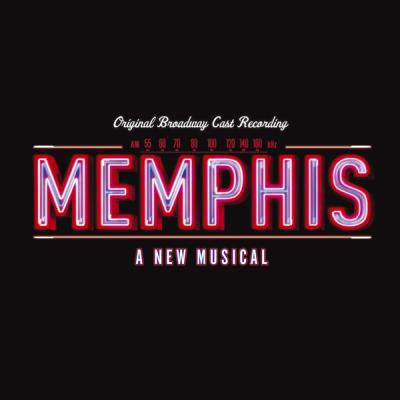
Memphis: A New Musical Album Cover

"Memphis: A New Musical" Soundtrack Lyrics

Musical • 2010

Track Listing


"Memphis: A New Musical (Original Broadway Cast Recording)" – Album Guide to Tracks and Key Scenes

Memphis the Musical trailer still with Huey and Felicia on stage
Memphis: A New Musical – Broadway/West End promotion still, 2010-era productions

Overview

What happens when the sound that defines a city crashes into a culture that refuses to change? The Memphis: A New Musical (Original Broadway Cast Recording) spins that question into 54 tight minutes of 1950s rock & roll, gospel, and early R&B, tracking the rise of fictional DJ Huey Calhoun and singer Felicia Farrell in a violently segregated Memphis.

The musical is loosely inspired by real-life DJ Dewey Phillips, one of the first white radio hosts to champion Black artists on Southern airwaves. On record, that story becomes an audio movie: we move from sweaty basement clubs to clattering department stores, from cramped radio booths to blinding TV studios, all without seeing a frame of film. The cast album essentially preserves the Broadway show’s spine, so you can follow the whole arc – Huey’s unlikely success, Felicia’s ascent, the forbidden romance, and the costs of pushing against Jim Crow.

The score, written by Bon Jovi keyboardist David Bryan with book and lyrics by Joe DiPietro, leans hard into idioms that actually could have played in 1950s Memphis: stomping R&B, hand-clapped gospel, early rock & roll shuffles, plus theatre-style power ballads that still feel rooted in soul. The album feels less like a pop star slumming it in theatre and more like a genuine attempt to build a “Memphis sound” for the stage.

Across the runtime, you can hear the story’s phases quite clearly in the musical language. The underground club and early radio chaos lean into raw R&B and jump-blues rhythm – everything is noisy, hungry, a bit unstable. Mid-show ballads like “Colored Woman” and “Love Will Stand When All Else Falls” drift toward classic soul and gospel, underlining questions of identity and faith. By the time we hit the TV-era material and the finale, the orchestrations feel slicker, more pop–rock, almost like the music has followed Felicia’s career north while Huey stays rooted in Memphis grit. That genre shift is the story, in miniature.

How It Was Made

Memphis took a long road to Broadway – regional runs in California and at La Jolla Playhouse, then Seattle’s 5th Avenue Theatre – before opening at the Shubert Theatre in 2009 and winning the 2010 Tony Award for Best Musical and Best Original Score. The album freezes that original Broadway company at full charge, with Chad Kimball (Huey) and Montego Glover (Felicia) front and center.

The cast recording was laid down in November 2009 at Avatar Studios in New York, a few weeks after Broadway opening, with the orchestra and cast tracked in a way that keeps the live-show energy but tightens balance and detail for album listening. AllMusic lists the recording dates and tags the record with styles like soul, early R&B, funk, and rock & roll, which is exactly what you hear: close-miked horns, chunky rhythm guitar, and a choir-like ensemble sound rather than delicate chamber theatre.

Musically, the Broadway team is consistent across stage and album: orchestrations by Daryl Waters and David Bryan, musical direction from Kenny Seymour, dance arrangements by August Eriksmoen. That continuity matters – the grooves you hear on the CD are essentially the same grooves audiences heard under the Shubert Theatre’s proscenium arch.

Release-wise, the show did things the old-fashioned Broadway way. A “special limited edition” CD was sold at the theatre in late 2009, then the nationwide release arrived March 30, 2010 via Delray Records Inc., distributed by Rhino Records, with 19 tracks plus an acoustic piano–vocal bonus version of “The Music of My Soul.” Retailers and press notes emphasize that this was one of only a couple of new, fully original scores on Broadway that season – not a jukebox musical built from existing hits.

Memphis Broadway cast recording era promotional montage
Memphis: A New Musical – promotional imagery used around the Broadway cast recording release

Tracks & Scenes

Below, I walk through key numbers from the Broadway cast album and anchor them to specific story beats. Think of this as a guided listen: if you know the show, you’ll recognize the staging; if you only have the album, you’ll still “see” the scenes.

"Underground" — Delray, Felicia & Company
Where it plays: This is the show’s opening number and the album’s first track. We’re in Delray’s basement club on the “dark side of town” in 1950s Memphis. The band is already hot when the curtain rises: dancers crowd the tiny stage, Felicia fronts the band, and the room is all sweat, smoke, and brass hits. Huey Calhoun stumbles in mid-song, a white guy clearly out of place in a Black rock & roll bar, but his delight is obvious. The number runs as a full-scene introduction, setting tempo and tone for the world, and is completely diegetic (the club’s band really is playing for paying customers).
Why it matters: “Underground” introduces the core conflict in sound. The groove is authentic to Black Memphis nightlife, and when Huey walks in grinning instead of recoiling, the score quietly declares that this is “his” music too, long before the town is ready to admit it.

"The Music of My Soul" — Huey, Felicia & Company
Where it plays: Still early in Act I, immediately after Huey stops the crowd from leaving Delray’s. The band drops down, the room watches this odd white kid explain himself, and he launches into a confession about hearing Black music as a child and never being the same. On album, you can hear the scene shift from spoken dialogue into a full-bodied anthem, with the club patrons slowly joining in behind him. It’s half-diegetic: Huey is “singing his story” for the club, but the arrangement swells beyond a realistic bar band.
Why it matters: This is Huey’s “I want” song and a thesis statement for the entire musical. The title phrase reappears as an acoustic bonus track on the album, framing the whole recording as an expression of that same inner music rather than a simple playlist of show tunes.

"Ain’t Nothin’ But a Kiss" — Felicia & Huey
Where it plays: Later in Act I, back at Delray’s after Huey has lost his department-store job but gained resolve. He and Felicia find a quiet corner of the club between sets. The song plays like a slow dance that never quite becomes one: Felicia tests how serious Huey is about her talent and about crossing race lines, while he keeps insisting that the world will change if they just keep moving. On stage the number is staged intimately at a small table and around the mic stand, with the rest of the club dimmed out.
Why it matters: The melody is sweet, but the tension underneath is real. This is the first time the album openly frames their connection as romantic, and the lyrics’ insistence that it’s “only” a kiss underlines how dangerous even that small step is in 1950s Memphis.

"Hello, My Name Is Huey" — Huey & Company
Where it plays: A montage song as Huey schleps from one white-owned radio station to another, looking for a job. On record you can hear him repeat his bumbling intro at different mics while uptight station managers cut him off or mock his pitch. The band shifts slightly each time, like the dial flipping across the AM band. It plays non-diegetically in the sense that we’re hearing his inner bravado as much as the literal auditions, but the sound is rooted in the radio world – bright brass, punchy rhythm, lots of stabs for comic timing.
Why it matters: This track sells Huey’s persistence and foolhardiness. It also sketches how conservative mainstream radio sounds compared with the club in “Underground,” making his later on-air rebellion feel bigger when it finally hits.

"Everybody Wants to Be Black on a Saturday Night" — Company
Where it plays: During Huey’s first real breakthrough at the white radio station, as he hijacks the mic while the official DJ is on a break. The number works as both the song he’s spinning and as a commentary on the mood: white teenagers at home hear the beat and start calling in; the switchboard lights up; Huey dances around the booth as if he’s back at Delray’s. The sound is fully diegetic (this is the record he’s playing on air), but the ensemble vocals swell beyond what a real 45 would contain to show how the town is reacting in real time.
Why it matters: The lyric is blunt, almost taunting, and that’s the point. It underlines the hypocrisy of a culture that will sneak Black joy in through the radio while keeping Black people out of the same spaces. On the album it’s also one of the clearest examples of Bryan’s knack for vintage R&B that still reads as musical theatre.

"Colored Woman" — Felicia
Where it plays: Near the end of Act I, after Huey’s mother has literally smashed Felicia’s demo record out of racist fear. Felicia stands alone, away from the club and away from Huey, and sings directly about her mother and grandmother’s limited lives and the small futures the world believes are available to a “colored woman.” The orchestration strips down at the start – just piano and a few strings – then swells into a power ballad as she insists on defining herself.
Why it matters: This is Felicia’s character core in one song. On the recording, Montego Glover’s performance shifts the emotional center of the album away from Huey for a few minutes; the story is no longer just about a white DJ breaking rules, but about the cost borne by Black women whose lives the rules actually govern.

"Someday" — Felicia & Company
Where it plays: Still Act I, in the radio studio where Huey has gathered a band and backup singers so Felicia can perform live on air. At first she’s nervous and the groove sits small; as she leans into the mic, the song blooms into a full production number with the ensemble echoing her dreams of leaving the backstreets behind. In staging, the radio booth windows frame her like a TV screen while dancers and studio staff move in slow, almost reverent patterns around her. It’s diegetic – we’re hearing her broadcast – but the chorus and band again expand into a theatre-sized sound.
Why it matters: This is the precise moment Felicia becomes a star in-story, and on the album you can feel it. It also quietly sets up the later New York offer; when she sings about “someday,” the city isn’t named yet, but you can already hear her looking past Memphis.

"Radio" — Huey & Company
Where it plays: Toward the end of Act I, in a montage that jumps ahead as Huey’s popularity explodes. The track feels like a station ID theme stretched into a full chorus number: we hear kids dancing in living rooms, Black and white teenagers starting to mix at record shops, advertisers clamoring for Huey’s voice. The staging often uses moving set pieces for turntables, counters, and little TV-like frames, with the ensemble sliding through them as if we’re scanning across the dial. It’s semi-diegetic: the hook could plausibly be a jingle, but the scope is cinematic.

Why it matters: “Radio” is where the album really sells the idea that sound alone can shift a city’s social temperature. It’s also a neat structural trick: by jumping time through a song rather than dialogue, the writers keep the show’s rhythm tight while giving the recording a standalone banger.

"Say a Prayer" — Gator & Company
Where it plays: Act I closer. After Huey’s and Felicia’s secret relationship is discovered, a white mob attacks them in the street; Felicia is beaten badly. The club becomes a triage space as Delray, Huey, and the others drag her inside. Gator – a character who has not spoken since witnessing his father’s murder as a child – finally breaks his silence to lead a prayer over her. The number starts almost a cappella, then swells into a gospel choir as the community gathers around Felicia’s stretcher. Lights dim down to a cross-like shaft over Gator and Felicia as the act falls to blackout.
Why it matters: On record, Gator’s first word is a musical event. The choice to give that voice to a spiritual rather than a spoken line underlines how central gospel is to the show’s emotional vocabulary.

"Love Will Stand When All Else Falls" — Felicia & Company
Where it plays: Early in Act II. Huey has launched a local TV show; Felicia is gaining traction as an artist. Privately, she tries to convince him to consider moving to New York, where an interracial couple can at least exist with less fear. The song plays like a classic 1950s slow-dance ballad crossed with a church hymn, with Felicia front and center, the ensemble giving soft “oooh” pads underneath, and the band leaning into organ and strings. On stage, she often sings this with Huey present but slightly removed, underscoring how alone she feels in her hope.

Why it matters: This track is the emotional hinge of Act II. It states plainly that their love might outlast everything – the town, the radio show, even the specific sound of Memphis. On the album, it also functions as one of the primary standalone ballads people return to outside the show.

"Stand Up" — Delray, Felicia, Huey, Gator, Bobby & Company
Where it plays: Mid–Act II, when the New York opportunity finally becomes concrete. A national TV show wants Huey as host and Felicia as featured performer. The number is a call-and-response anthem where each character weighs the risks and possibilities before the chorus pushes them all into the title command: “Stand up.” The staging is multi-location – bits of the TV studio, church, and club overlap – but on record you hear it as pure build: each verse adds voices until the final choruses feel like a rally outside City Hall.
Why it matters: “Stand Up” is the most overtly “Broadway anthem” moment on the album, but its energy comes from character conflict rather than generic uplift. The hook works just as well detached from the plot, which is one reason it appears prominently in some promotional materials.

"Change Don’t Come Easy" — Mama, Delray, Gator & Bobby
Where it plays: Shortly after “Stand Up.” Huey’s mother, who began the show as openly racist and fearful, has attended a Black church service and is processing what she’s seen. The song rotates verses between her and the Black men around her, each addressing different angles of change – personal, communal, legal. Arranged like a small gospel quartet with rhythmic piano and organ, it’s staged more simply than many other numbers: mostly people standing and singing, sometimes around a church pulpit set.
Why it matters: This track gives the white supporting character a credible arc without centering her. The album uses rich harmonies rather than big belts to sell the idea that change is slow, difficult, and collective.

"Love Will Stand / Ain’t Nothin’ But a Kiss (Reprise)" — Felicia & Huey
Where it plays: Late in Act II, at the climax of Huey’s TV show storyline. Under pressure from network executives to drop his Black dancers and downplay his relationship, Huey instead doubles down. He and Felicia sing a reprise that begins in the language of “Love Will Stand” and slides back into the flirty feel of “Ain’t Nothin’ But a Kiss,” right as he kisses her on live television. The network cuts the feed; chaos erupts in the studio around them. On the album, you hear the key modulations and vocal overlaps that underscore the moment’s mixed hope and disaster.
Why it matters: Musically combining those two earlier songs makes the stakes painfully clear. Their private, club-corner romance and their big-picture “love will stand” idealism collide – and so do the consequences.

"Memphis Lives in Me" — Huey & Company
Where it plays: Immediately after Huey loses his TV job and, essentially, his future in mainstream media. Alone on the streets of Memphis, he sings directly to the city – sometimes lovingly, sometimes angrily – about why he can’t imagine leaving. The track starts almost like a pop–rock power ballad, with a lonely guitar and voice, then folds in strings and backing vocals as if the whole city is answering him. In staging, streetlights isolate him in a pool of light while other characters cross silently behind, representing years passing by.
Why it matters: This is Huey’s second big solo after “The Music of My Soul” and a mirror to it. Where the earlier song was about discovering the music, this one is about accepting the costs of staying loyal to the place that gave it to him.

"Steal Your Rock ’n’ Roll" — Huey, Felicia & Company
Where it plays: Finale, several years after the TV debacle. Felicia has become a nationally touring singer engaged to another man; Huey is working at a small, low-powered station. She invites him to join her on stage one last time. The song begins with Felicia and her band, then Huey bursts in mid-number to the crowd’s delight. On record, you hear the audience within the story explode as he introduces himself again with “The name is Huey Calhoun… good night, and Hockadoo!” It’s diegetic – this is the concert closer – but structured like a gospel-rock curtain call, with the whole company chiming in.
Why it matters: As a track, it’s a classic feel-good closer. As drama, it reframes the idea of “stealing rock ’n’ roll”: the lyric insists that no one can truly steal the music if the people who made it keep claiming it. It’s also the last word the album leaves in your ear.

Trailer & promo usage: Online trailers and promotional spots for Broadway and West End runs mainly cut together short excerpts from numbers like “Underground,” “The Music of My Soul,” “Someday,” and “Steal Your Rock ’n’ Roll.” I couldn’t find reliable documentation of any extra, non-album songs licensed just for advertising, so as far as verifiable sources go, everything you’re likely to hear in official promos exists somewhere on one of the cast recordings.

Onstage performance shot from Memphis musical finale sequence
Memphis: A New Musical – energy and ensemble focus in the show’s finale, echoed on the cast album

Notes & Trivia

  • The show is set in 1950s Memphis but was written and premiered in the early 2000s, letting the writers comment on race and media with hindsight while still playing the period straight.
  • Huey’s nonsensical catchphrase “Hockadoo!” started as an improvised-sounding quirk in early drafts and became a full running gag — and a signature shout on the record.
  • Memphis is one of the few modern Broadway hits built around a fully original rock/R&B score rather than repurposed catalog songs, which made the cast album especially important in marketing.
  • The Broadway production was filmed live in 2011 and released to cinemas and home video, meaning the album, the show, and the filmed version all preserve essentially the same arrangements.
  • London’s West End got its own cast recording in 2015 with Beverley Knight and Killian Donnelly; stylistically it sticks close to the Broadway album but with slightly different vocal colours and accents.

Music–Story Links

The Memphis album works because songs and story are tightly fused. Almost every major plot turn rides in on a riff.

Huey’s arc is bracketed by “The Music of My Soul” and “Memphis Lives in Me.” In the first, he’s an outsider crashing a space that doesn’t trust him; in the second, he’s someone the city has already scarred and shaped. The musical language tracks that shift: raw bar-band energy up front, smoother pop–rock balladry by the end.

Felicia’s journey from basement singer to national headliner is mapped through “Someday,” “Love Will Stand When All Else Falls,” and the finale of “Steal Your Rock ’n’ Roll.” Each step upward in her career comes with more polished arrangements and broader harmonic language, mirroring her move from local club to television to touring headliner. You can practically hear the budget of her band grow.

Race and religion tie into music most clearly in “Say a Prayer” and “Change Don’t Come Easy.” Gator’s first spoken (sung) word being a gospel plea makes faith sound like both comfort and activism. When Huey’s mother sings later about how hard it is to change, the gospel idiom reappears, underlining that her moral shift is also a spiritual one.

The TV-era songs – “Stand Up,” the “Love Will Stand” reprise, and the implied “Tear Down the House” material around them – push toward a brighter, almost early rock TV-special feel, but the story keeps reminding us that the camera doesn’t erase racism. Huey’s choice to keep Black dancers on the air and kiss Felicia live turns musical uplift into professional suicide, and the album doesn’t shy away from the dissonance between triumphant chords and bleak consequences.

Reception & Quotes

Critically, the show — and by extension its score — landed mostly positive notices on Broadway, with some reservations about the book. The music and performances, though, were praised across the board.

“An exuberant musical with classic values … catchy songs, heaping spoonfuls of inspirational moments, and gifted performers at the top of their game.”

New York Post, on the Broadway production

“The exhilarating new musical shaking the Shubert Theatre is the very essence of what a Broadway musical should be.”

Associated Press, via Broadway reviews

One London review singled out the score as “packed with soulful numbers and hooks,” noting that “Underground” and “The Music of My Soul” pull listeners in from the first bars.

Entertainment-Focus, on the album release

Some critics argued the story felt formulaic even as they praised individual songs and performances, a tension that still colours how the cast album is discussed.

Summary of New York Times & other notices

The album’s availability is broad: standard CD and digital editions from 2010, later reissues, and ongoing streaming presence on major platforms. In the UK and Europe, the London cast recording sometimes sits alongside — or instead of — the Broadway album on digital storefronts, but both carry essentially the same song stack, with minor sequencing and performance differences.

Memphis musical TV show sequence suggested by trailer imagery
Memphis: A New Musical – the TV-era storyline brings a shinier sound to the later tracks

Interesting Facts

  • Tony-winning score: The show’s music and orchestrations won Tony Awards, not just the overall musical, which is unusual for a rock-inflected score.
  • Label pairing: The cast album appears under Delray Records Inc., but its distribution and marketing muscle came from Rhino Records, better known for heritage reissues than brand-new Broadway scores.
  • Bonus track strategy: Including an acoustic “The Music of My Soul” at the end gave the album a crossover-friendly closer that works even if you’ve never seen the show.
  • Special edition discs: Early “special limited edition” CDs sold at the Shubert Theatre became minor collector’s items once the nationwide version hit stores with full artwork and label branding.
  • Filmed cast, same sound: When the Broadway production was filmed for cinema release, it used the same orchestrations and much of the same cast as the album, creating an unusually consistent audio identity across mediums.
  • West End tweak: The London cast recording nudges some tempos and keys to suit Beverley Knight’s voice, giving ballads like “Someday” a slightly different flavour while keeping arrangements very close to the Broadway blueprint.
  • Streaming metadata quirks: Some services list the album simply as Memphis, others as Memphis: A New Musical or tag it under “Various Artists,” so it can be a bit of a search puzzle if you don’t use the full title.

Technical Info

  • Title: Memphis: A New Musical (Original Broadway Cast Recording)
  • Work type: Original cast album of the stage musical Memphis
  • Year of album release: 2010 (nationwide release March 30, 2010; theatre-only edition late 2009)
  • Primary composers/lyricists: David Bryan (music, lyrics), Joe DiPietro (book, lyrics)
  • Core performers: Chad Kimball (Huey Calhoun), Montego Glover (Felicia Farrell), J. Bernard Calloway (Delray), Derrick Baskin (Gator), James Monroe Iglehart (Bobby), Cass Morgan (Mama/Gladys), Michael McGrath (Mr. Simmons), original Broadway ensemble
  • Orchestrations: Daryl Waters & David Bryan
  • Musical director: Kenny Seymour
  • Recording dates & studio: Recorded November 12–16, 2009 at Avatar Studios, New York City
  • Label: Delray Records Inc.; distributed and marketed by Rhino Records / Rhino Entertainment (Warner Music Group)
  • Edition details: Standard 19-track album plus one acoustic bonus track; limited “Special Edition” CD sold at the Shubert Theatre prior to national release; later digital and streaming versions mirror the 20-track configuration.
  • Approximate length: About 54 minutes (20 tracks)
  • Notable placements: Songs such as “The Music of My Soul,” “Someday,” “Memphis Lives in Me,” and “Steal Your Rock ’n’ Roll” are prominent in trailers, theatre promos, and later regional and international productions.
  • Awards context: The show’s score and orchestrations contributed directly to its 2010 Tony Awards for Best Musical, Best Original Score, and Best Orchestrations.
  • Availability: Widely available on CD, digital download, and major streaming platforms; parallel London cast album released in 2015.

Questions & Answers

Do I need to know the story of Memphis to enjoy the cast album?
No. The songs work as vintage-styled R&B, rock & roll, and gospel tracks on their own. Knowing the plot deepens the experience, but isn’t required.
How is the Broadway cast recording different from the London cast recording?
The song list and arrangements are nearly identical. The London album features a different cast (notably Beverley Knight and Killian Donnelly) and some small tempo and key adjustments.
What musical styles dominate the Memphis soundtrack?
It leans on 1950s-inspired R&B, early rock & roll, and gospel, filtered through modern Broadway orchestration — more horn stabs and choir, less guitar-hero soloing.
Is there any music in the show that isn’t on the Broadway cast album?
All major numbers and reprises are represented. Short underscoring cues and bits of transitional music between scenes are generally not included, which is normal for cast albums.
Where can I legally listen to or buy the album today?
It’s available on major streaming platforms, digital stores, and on physical CD through standard online retailers and some theatre-focused shops.

Canonical Entities & Relations

Subject Relation Object
David Bryan composed music for Memphis (musical)
David Bryan composed and co-wrote Memphis: A New Musical (Original Broadway Cast Recording)
Joe DiPietro wrote book and lyrics for Memphis (musical)
Chad Kimball originated role of Huey Calhoun (Memphis, Broadway)
Montego Glover originated role of Felicia Farrell (Memphis, Broadway)
Daryl Waters co-orchestrated Memphis (musical) score
Kenny Seymour served as musical director for Memphis (Broadway production)
Christopher Ashley directed Memphis (original Broadway production)
Sergio Trujillo choreographed Memphis (original Broadway production)
Delray Records Inc. released Memphis: A New Musical (Original Broadway Cast Recording)
Rhino Records distributed Memphis: A New Musical (Original Broadway Cast Recording)
Memphis: A New Musical (Original Broadway Cast Recording) documents performances from Memphis (musical) at the Shubert Theatre, Broadway
Memphis (musical) is set in Memphis, Tennessee in the 1950s
Memphis: The Original Broadway Production (film) is a filmed version of Memphis (original Broadway staging)

Sources: Wikipedia (Memphis musical; Memphis German article); IBDB; Playbill news items; Rhino/Warner press materials; AllMusic album entry; Apple Music & Amazon album listings; Entertainment-Focus album review; various regional and West End production reviews and licensing pages.

November, 15th 2025


A-Z Lyrics Universe

Lyrics / song texts are property and copyright of their owners and provided for educational purposes only.