"Me Without You" Soundtrack Lyrics
Movie • 2002
Track Listing
Lucy Street
Sonny & Cher
The Clash
Depeche Mode
The Stranglers
Echo & The Bunneymen
Scritti Politti
Tim Buckley
Dillinger
Barbara Dickson
Charlene
Nick Drake
The Normal
Wreckless Eric
The Clash
Adam And The Ants
The Only Ones
Super Furry Animals
"Me, Myself & Irene (Music From The Motion Picture)" – Album Guide to Tracks and Key Scenes
Overview
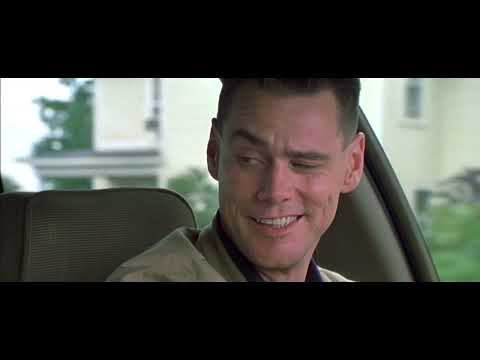
What do you put under a split personality who flips from painfully polite cop to feral id on legs? The answer, in Me, Myself & Irene, is: an alt-rock mixtape disguised as a dumb comedy soundtrack. On the surface it’s a Jim Carrey vehicle with poop gags and slapstick chases. Underneath, the album is a curated set of Steely Dan covers and turn-of-the-millennium rock that’s far more knowing than the marketing suggests.
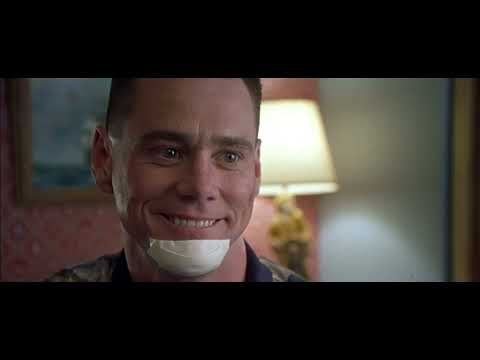
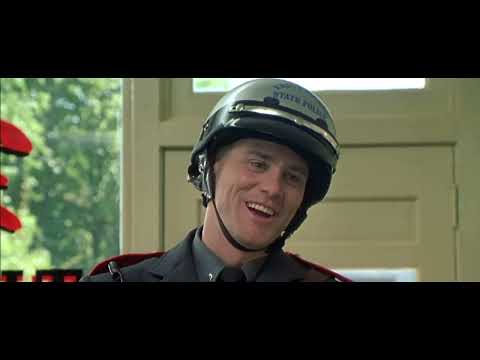
The film tracks Rhode Island state trooper Charlie Baileygates, a man who represses every slight until his psyche cracks and produces Hank Evans, an aggressive, foul-mouthed alter ego. Both “men” end up escorting Irene Waters across state lines while corrupt cops and an ex-boyfriend close in. The music has to juggle humiliations, small-town melancholy, bursts of manic violence and a slow-burn romance. Instead of generic comedy score, the filmmakers lean on songs that can sell swagger, self-pity and midlife confusion in three minutes flat.
The commercial album, Me, Myself & Irene (Music From The Motion Picture), pulls together Foo Fighters, Smash Mouth, Third Eye Blind, The Offspring, Ellis Paul, Wilco, Ivy, Hootie & the Blowfish, Brian Setzer Orchestra, The Push Stars, Marvelous 3, Pete Yorn, Ben Folds Five, Billy Goodrum and Tom Wolfe. Eight of those cuts are Steely Dan songs reimagined by those bands, which effectively turns half the record into a Dan tribute project, as noted in several album writeups. At the same time, the movie itself uses extra cues — Junior Brown, Cake, Hardknox, Jimmy Luxury, The Dwarves and others — that never made the main CD.
Stylistically, the soundtrack moves in phases. The “arrival” phase leans on twang and power-pop (“Highway Patrol”, “I’d Like That”) to paint Charlie’s soft, slightly pathetic routine. The “adaptation and rebellion” phase goes heavier and more abrasive (Foo Fighters’ “Breakout”, Hardknox’s “Fire Like This”, The Dwarves) whenever Hank surfaces. The “collapse and resolution” stretch lets Ellis Paul, Hootie & the Blowfish and Pete Yorn handle the bruised, semi-sincere emotions. Over all of it you get Steely Dan’s cynicism filtered through late-’90s alt bands — a running commentary on bad decisions dressed as a summer-comedy tie-in.
How It Was Made
The film’s original score comes from Pete Yorn, working in guitar-driven, slightly melancholic cues. Career retrospectives on Yorn routinely mention Me, Myself & Irene as his first major film assignment and the launchpad for his debut album era. The score plays under quieter dialogue scenes and bridges between songs but, aside from a few promos, it never received a wide standalone release.
The song compilation was released by Elektra as Me, Myself & Irene (Music From The Motion Picture) on 13 June 2000, running a little over 56 minutes across 15 tracks. Label and retailer data confirm the key spine of the record: a handful of modern-rock cuts (“Breakout”, “Deep Inside of You”, “Totalimmortal”, “The World Ain’t Slowin’ Down”, “Strange Condition”) plus the Dan covers (“Do It Again”, “Any Major Dude Will Tell You”, “Only a Fool Would Say That”, “Bodhisattva”, “Bad Sneakers”, “Reelin’ In the Years”, “Barrytown”, “Razor Boy”). The intention, according to contemporary reviews, was to commission fresh versions rather than license the original Steely Dan masters, giving the album its own identity.
The actual film goes further. The music section of the film’s production notes lists additional songs that only appear in-movie: Junior Brown’s “Highway Patrol”, Cake’s “Hem of Your Garment”, Hardknox’s “Fire Like This”, The Dwarves’ “Motherfucker”, Jimmy Luxury’s “Love Me Cha Cha” and related cuts, Beverly Bremers’ “Don’t Say You Don’t Remember”, and Pete Yorn’s “Just Another”, among others. A detailed soundtrack Q&A on a dedicated fan site pins many of those tracks to specific scenes, showing how the Farrellys and the music editors seeded cues through nearly every set-piece rather than dumping everything into the credits.
Tracks & Scenes
Here’s how the key songs land in the film, with a focus on concrete moments rather than just listing the album.
Opening, Breakdown & Hank’s Arrival
"Highway Patrol" – Junior Brown
Where it plays: Over the opening patrol montage. Charlie cruises Rhode Island backroads, tipping his hat to locals, writing harmless tickets and generally being everyone’s harmless doormat. The song starts as a car-radio source but quickly dominates the mix as we cut between him and postcard-nice small-town scenery.
Why it matters: The lyric fits a straight cop movie, but the exaggerated twang and tongue-in-cheek delivery signal that this is a parody of authority, not a celebration. It sets Charlie up as a man whose job costume is tougher than he is.
"It’s Alright" – Bret Reilly
Where it plays: In the early flashback showing Charlie and Layla’s courtship and wedding-day bliss. The song runs over their lakeside picnic, the ceremony and the quick transition to their domestic life before Shonté enters the picture.
Why it matters: It’s soft, earnest and hopelessly optimistic, underlining the naive version of Charlie who still believes in simple happy endings. That makes the later triplet-reveal and abandonment feel like a brutal punchline.
"I’d Like That" – XTC
Where it plays: As present-day Charlie, still swallowing every insult, leaves the grocery store and pedals home on his tiny scooter after being walked over again. The track plays from a background radio and then swells into the non-diegetic soundtrack while he forces a smile through yet another humiliation.
Why it matters: It’s a charming, slightly wistful pop song about imagining a better life. Perfect for a man who only lets himself dream in harmless daydreams, never in actions.
"Where He Can Hide" – Tom Wolfe
Where it plays: Around the time Layla finally drives off with Shonté, leaving Charlie alone on the lawn with the boys. The camera hangs on his stunned face; the song plays over the moment as a straight, almost TV-drama ballad.
Why it matters: It’s one of the few unironically sad songs in the movie. The title quietly hints at what Hank will become: a place for Charlie’s anger to hide until it explodes.
"Fire Like This" – Hardknox
Where it plays: Every time Hank really erupts. First, when Charlie’s breakdown in the street flips into Hank at the supermarket, leading to the parking-lot brawl and the notorious lawn scene; later, under the helicopter chaos and other bursts of violence. The beat is all distorted bass, shouted hooks and industrial percussion.
Why it matters: The track doesn’t just accompany Hank; it is his sonic signature. It sounds nothing like the rest of Charlie’s musical world, underlining how foreign this persona feels even inside the same body.
"Hem of Your Garment" – Cake
Where it plays: Under one of Hank’s nastier “heroics”, when he “rescues” the little girl only to almost drown her while showing off. It comes from a jukebox or radio in the background but grows louder as the scene gets more uncomfortable.
Why it matters: Cake’s dry, morally skewed lyrics act as a meta-commentary on Hank’s warped sense of righteous payback. The joke stops being harmless, and the song makes sure you notice.
Road Trip, Romance & Identity
"Breakout" – Foo Fighters
Where it plays: In the roadside diner where Hank tangles with the obnoxious baseball jocks. As verbal jabs turn into a full brawl, “Breakout” hits, tracked tightly to the punches, chair-throws and Hank’s gleeful destruction of the bathroom.
Why it matters: Grohl screams “I don’t want to look like that” while Hank refuses to act like Charlie one second longer. It’s blunt, noisy and exactly right for that cathartic, idiotic release.
"The World Ain’t Slowin’ Down" – Ellis Paul
Where it plays: This one recurs. Most memorably, it runs over the long bike-and-sidecar sequence where Charlie and Irene roll through Vermont backroads, hit the cow, limp away and keep going. Later, the film brings it back near the ending as Irene drives and the story seems finally to exhale right before the credits hand off to other songs.
Why it matters: As several fans have pointed out, this is the real emotional theme. The lyric about trains and carnival rides hammers home that the world will keep moving with or without Charlie getting his act together.
"Just Another" – Pete Yorn
Where it plays: Low on the car stereo when Irene and Charlie talk about Hank and the idea of multiple personalities. The camera stays tight in the car; the song doesn’t demand attention but gently colours the conversation.
Why it matters: It’s the bridge between Yorn’s job as score composer and his singer-songwriter persona. The weary tone fits Charlie’s confusion and hints at the more introspective records Yorn would release soon after.
"Can’t Find the Time to Tell You" – Hootie & the Blowfish
Where it plays: Over one of the calmer road-trip stretches, and in the background when Charlie and Irene circle around their feelings but keep defaulting to bickering or deflection. It feels like a radio staple dropping into their journey, not a self-conscious “big cue”.
Why it matters: It’s a cover of a 1960s soft-rock song about failing to confess love. On the nose, yes, but that’s why it works: Charlie is chronically late in saying what he feels.
"Love Me Cha Cha" – Jimmy Luxury & the Tommy Rome Orchestra
Where it plays: During the absurd helicopter “rescue” near the end, as Charlie’s genius sons swoop in to save their dad and Irene while towing a banner. The brass and lounge-rap vocal carry through the whole set-piece and over the victorious splashing and yelling.
Why it matters: Instead of generic action music, the film uses something smug and playful. It keeps the climax in comedy territory, never letting heroics get too straight-faced.
"I Love Life" / "Sentimental Guy" – Jimmy Luxury
Where they play: In domestic scenes with the triplets — the living-room science lecture, the hacking demonstration, the casual hangouts. The tracks appear as TV or stereo background.
Why they matter: They give the boys their own vibe: half retro-lounge, half hip-hop, fully self-aware. That suits three kids who are smarter than everyone else in the movie and know it.
Steely Dan Covers & Set-Pieces
"Do It Again" – Smash Mouth
Where it plays: Over the early portion of the end credits, right after the narrative resolves. Some TV edits also use it over quick recap montages. Smash Mouth’s version is more straight-ahead party rock than Dan’s original.
Why it matters: The title fits the film’s cycle of bad behaviour repeating itself. Musically, it’s the bridge between radio-rock bros and the sly world of Steely Dan — perfect for this album’s hybrid identity.
"Any Major Dude Will Tell You" – Wilco
Where it plays: As soft background during night-drive and motel scenes where things slow down and Charlie and Irene finally talk like humans instead of fugitives. It’s usually just audible under dialogue and road noise.
Why it matters: Wilco lean into the song’s consoling side. It’s one of the few cues that sounds like someone quietly telling Charlie, “you might be okay, actually”.
"Only a Fool Would Say That" – Ivy
Where it plays: In restaurant and motel interiors when Irene and Charlie trade small talk and Hank’s shadow still hangs over them. The arrangement is cool and airy, almost detached.
Why it matters: The title is the joke: in a story full of foolish choices, the music quietly calls them out. Ivy’s version keeps that knowing smirk but wraps it in smooth indie pop.
"Bodhisattva" – Brian Setzer Orchestra
Where it plays: During one of the late-film confrontations, as Hank barrels into danger and the action briefly turns into live-action cartoon. Big-band horns and frantic drums underline Hank’s “invincible” self-image.
Why it matters: Taking a guitar-rock Dan cut and blowing it up into jump-swing mirrors Hank’s overcompensation. It’s spiritual enlightenment via loud brass and reckless behaviour.
"Bad Sneakers" – The Push Stars
Where it plays: Over drives and roadside humiliations as Charlie keeps getting knocked down, literally and figuratively. It often sneaks in under exterior shots of him trudging along or getting back in the car.
Why it matters: The song is about treading the same disappointing ground. That’s Charlie’s life before he starts confronting Hank, mapped onto a mid-tempo bar-band groove.
"Reelin’ In the Years" – Marvelous 3
Where it plays: Louder on the album than in the film, but audible in portions of mid-film mayhem where time and responsibility clearly mean nothing to Hank. It tends to play as bright, slightly chaotic background.
Why it matters: Even if you only catch fragments, the chorus about “reelin’ in the years” turns into a sarcastic nod to how long Charlie has let people walk over him.
"Barrytown" – Ben Folds Five
Where it plays: Briefly in a transitional moment, and in full on the CD. The piano-driven arrangement keeps the song clever and slightly snarky.
Why it matters: Ben Folds and Steely Dan share a taste for musically sophisticated sarcasm. The cover deepens the album’s “smart under stupid” texture.
"Razor Boy" – Billy Goodrum
Where it plays: Late in the movie, over tenser travel scenes as the conspiracy comes into focus, including parts of the approach to the bridge showdown. It runs under dialogue rather than blasting in your face.
Why it matters: Its colder vibe gives the back half a hint of seriousness without abandoning the Dan-cover concept.
"Strange Condition" – Pete Yorn
Where it plays: Around introspective beats focused on Charlie’s mental state, and in some prints over the tail end of the credits, after the louder rock has done its job.
Why it matters: The lyric about being in a “strange condition” would be overkill if the song weren’t so strong. It also becomes a calling card for Yorn’s solo career.
Oddities & Deep-Cut Moments
"Motherfucker" – The Dwarves
Where it plays: In the car when Hank and Irene argue and he makes her hold the lawn dart, and in other moments where he screams along with the chorus. It blasts from the stereo as pure provocation.
Why it matters: It’s abrasive by design. Dropping it into a studio comedy is a statement: Hank’s world is genuinely ugly, not just wacky.
"Don’t Say You Don’t Remember" – Beverly Bremers (film) / cover in credits
Where it plays: In the diner sequence where Hank breaks down crying after abusing Whitey, and again in the end credits in a softer cover version. In both cases it plays from the in-world sound system and then swells in the mix.
Why it matters: It’s a sentimental 1970s ballad that suddenly treats Hank’s mess as real heartbreak. For a film that often punches down, this cue lets one of its cruellest scenes land with unexpected empathy.
Notes & Trivia
- The film’s music section explicitly notes that Pete Yorn wrote the original score, while the soundtrack album focuses on licensed songs and Steely Dan covers.
- Eight of the main album tracks are Steely Dan songs reworked by contemporary acts, making this one of the densest Dan-cover collections on a mainstream soundtrack.
- Junior Brown’s “Highway Patrol”, Hardknox’s “Fire Like This”, Cake’s “Hem of Your Garment”, The Dwarves’ “Motherfucker” and several Jimmy Luxury cuts are heard in the film but absent from the commercial CD.
- Ellis Paul’s “The World Ain’t Slowin’ Down” existed before the movie but is now strongly associated with it; online discussions regularly call it the “real” theme song.
- Special-edition two-disc bootlegs circulate among collectors, combining the commercial CD with score cues and all on-screen songs into an unofficial “complete” version.
Music–Story Links
The simplest split: Hank gets the aggressive cuts, Charlie gets the introspective ones. When you hear Hardknox, Foo Fighters, The Dwarves or the louder Steely Dan covers, you’re usually in Hank territory — fights, destructive impulses, bad decisions. When the film drops into Ellis Paul, Hootie & the Blowfish, Tom Wolfe or Pete Yorn, it’s signalling that Charlie’s point of view is back, whether he can hold it or not.
The Steely Dan thread adds an extra layer. Dan songs are famously about morally slippery men wrapped in pristine arrangements. Here, those songs are covered by bands who came of age in the ’90s alt-rock wave and then laid under a story about a guy whose inner life is a mess. When Wilco murmur “any major dude will tell you” over Charlie’s motel introspection, it feels like the soundtrack itself is giving him advice. When Ivy sing “only a fool would say that”, it’s hard not to think of Hank’s worst lines.
Road-trip structure turns music into geography. “Highway Patrol” marks Charlie’s small Rhode Island loop. “The World Ain’t Slowin’ Down” covers the Vermont leg, including the cow. “Love Me Cha Cha” is literally attached to the helicopter escape. Even the end-titles progression — Ellis Paul to Smash Mouth to The Offspring — plays like a three-step exit from narrative into pure, slightly chaotic energy.
Finally, the handful of straight sentimental songs (“Where He Can Hide”, “Don’t Say You Don’t Remember”) expose where the Farrellys’ sympathies actually sit. The soundtrack often shows more compassion for Charlie’s damage than the jokes do, quietly insisting he’s more than a slapstick punchline.
Reception & Quotes
Critically, the album got better press than the film. An AV-Club writeup on the soundtrack points out that, for a broad Farrelly comedy, the producers somehow ended up with “no fewer than eight acts willing to give Steely Dan a try” and that the pairings are surprisingly canny. Retail blurbs and fan blogs alike describe the disc as “half Steely Dan covers, half great late-’90s rock”, and more than one listener admits they bought it without much love for the movie itself.
One longform “stand-out albums” blog piece calls it “a perfect playlist for the ages”, essentially a stealth introduction to Steely Dan through bands like Wilco, Ivy, Brian Setzer Orchestra and Ben Folds Five. On Reddit, the comments are blunt: people call it “way better than it has any right to be” and talk about keeping the CD long after most of their other physical media went out the door.
The main criticisms line up with the film’s: if you don’t like the Farrelly tone, the more abrasive cue choices (“Motherfucker”, “Fire Like This”) can feel like overkill outside their scenes, and the Dan-cover concept can read as a stunt. But even reviewers lukewarm on the movie usually concede that the soundtrack works nicely as a self-contained rock compilation.
“The participating artists prove more than up to the task, thanks to the canny pairing of the right acts to the right songs.”
— summary of AV-Club’s take (paraphrased)
“In the main reinterpretations of the songs of Steely Dan, this disc is a glorious oddity.”
— paraphrased from a retailer editorial note
“This soundtrack has no business being this good… it’s the only physical CD I still listen to regularly.”
— composite of fan comments in online discussions
Interesting Facts
- The album is often filed under “Various Artists / Pete Yorn” in catalogues, reflecting his dual role as score composer and featured performer.
- Muziekweb and other databases explicitly highlight the soundtrack as a concentrated cluster of Steely Dan covers, something still unusual for a studio comedy.
- Ellis Paul has spoken in interviews about how “The World Ain’t Slowin’ Down” found a second life thanks to the film, bringing new fans to his earlier album.
- Wilco’s “Any Major Dude Will Tell You” and Ben Folds Five’s “Barrytown” often show up in discussions of the best Dan covers, independent of the movie.
- Pete Yorn’s “Strange Condition” later appeared on his album musicforthemorningafter and other soundtracks, but many listeners first heard it here.
- Because several prominent cues are missing from the commercial CD, fan-made “complete” playlists regularly circulate, combining the official album, non-album songs and Yorn’s score rips.
- Streaming versions sometimes show a slightly different total runtime than physical CDs, due to small differences in track indexing and silence trimming.
Technical Info
- Title: Me, Myself & Irene (Music From The Motion Picture)
- Year: 2000
- Film: Me, Myself & Irene – black comedy directed by Bobby & Peter Farrelly
- Primary type: Compilation soundtrack (songs); separate, mostly unreleased original score
- Score composer: Pete Yorn
- Label: Elektra Entertainment Group
- Approx. runtime / tracks: about 56 minutes; 15 tracks on the standard album
- Representative album cuts: “Breakout” – Foo Fighters; “Do It Again” – Smash Mouth; “Deep Inside of You” – Third Eye Blind; “Totalimmortal” – The Offspring; “The World Ain’t Slowin’ Down” – Ellis Paul; “Any Major Dude Will Tell You” – Wilco; “Only a Fool Would Say That” – Ivy; “Can’t Find the Time to Tell You” – Hootie & the Blowfish; “Bodhisattva” – Brian Setzer Orchestra; “Bad Sneakers” – The Push Stars; “Reelin’ In the Years” – Marvelous 3; “Strange Condition” – Pete Yorn; “Barrytown” – Ben Folds Five; “Razor Boy” – Billy Goodrum; “Where He Can Hide” – Tom Wolfe.
- Key film-only cues: “Highway Patrol” – Junior Brown; “It’s Alright” – Bret Reilly; “Fire Like This” – Hardknox; “Motherfucker” – The Dwarves; “Hem of Your Garment” – Cake; “Love Me Cha Cha”, “I Love Life”, “Sentimental Guy” – Jimmy Luxury; “Don’t Say You Don’t Remember” – Beverly Bremers / cover version; “Just Another” – Pete Yorn; “El Capitan” – Alta Mira.
- Formats: CD and cassette on release; later digital and streaming availability.
- Stylistic tags: Soundtrack, Rock, Pop-Rock, with a concentrated Steely Dan-cover concept.
Questions & Answers
- Is there more than one official Me, Myself & Irene album?
- No. Officially there is one widely released song compilation on Elektra. Pete Yorn’s score exists in the film and on limited promos, but not as a standard retail album.
- Why does the soundtrack include so many Steely Dan songs?
- The producers leaned into a deliberate concept: eight of the album’s fifteen tracks are Steely Dan covers by contemporary rock and pop acts, effectively turning the record into a mini Dan tribute.
- What song is playing when Charlie and Irene ride the bike and hit the cow?
- That sequence uses Ellis Paul’s “The World Ain’t Slowin’ Down”, which also reappears near the end of the film just before the credits roll.
- Which tracks are tied most closely to Hank’s worst behaviour?
- Hank’s rampages are usually backed by Hardknox’s “Fire Like This” and The Dwarves’ “Motherfucker”, plus louder moments of “Breakout” and the bigger Steely Dan covers.
- Does the commercial CD include non-album songs like “Highway Patrol” and “Hem of Your Garment”?
- No. Those cues are heard only in the film. The CD sticks to the 15-track Elektra lineup; you need to add the missing songs yourself if you want a “complete” playlist.
Canonical Entities & Relations
| Subject | Relation | Object |
|---|---|---|
| Bobby Farrelly & Peter Farrelly | directed | Film Me, Myself & Irene |
| Jim Carrey | portrayed | Charlie Baileygates / Hank Evans |
| Renée Zellweger | portrayed | Irene Waters |
| Pete Yorn | composed | Original score for Me, Myself & Irene |
| Pete Yorn | performed | Song “Strange Condition” on the soundtrack album |
| Foo Fighters | performed | “Breakout” on the soundtrack album |
| Smash Mouth | performed | Steely Dan cover “Do It Again” on the soundtrack album |
| Third Eye Blind | performed | “Deep Inside of You” on the soundtrack album |
| The Offspring | performed | “Totalimmortal” on the soundtrack album |
| Ellis Paul | performed | “The World Ain’t Slowin’ Down” on the soundtrack album and in key road-trip scenes |
| Wilco | performed | Steely Dan cover “Any Major Dude Will Tell You” for the soundtrack |
| Ivy | performed | Steely Dan cover “Only a Fool Would Say That” for the soundtrack |
| Hootie & the Blowfish | performed | “Can’t Find the Time to Tell You” on the soundtrack album |
| Brian Setzer Orchestra | performed | Steely Dan cover “Bodhisattva” for the soundtrack |
| The Push Stars | performed | Steely Dan cover “Bad Sneakers” for the soundtrack |
| Marvelous 3 | performed | Steely Dan cover “Reelin’ In the Years” for the soundtrack |
| Ben Folds Five | performed | Steely Dan cover “Barrytown” for the soundtrack |
| Billy Goodrum | performed | Steely Dan cover “Razor Boy” for the soundtrack |
| Tom Wolfe | performed | “Where He Can Hide” on the soundtrack album |
| Junior Brown | performed | “Highway Patrol”, heard in the film’s opening but not on the main album |
| Jimmy Luxury | performed | “Love Me Cha Cha” and other tracks used in helicopter and family scenes |
| Hardknox | performed | “Fire Like This” for Hank’s rampage sequences |
| Cake | performed | “Hem of Your Garment” in several dark-comedy moments |
| Elektra Records | released | Me, Myself & Irene (Music From The Motion Picture) |
| 20th Century Fox | distributed | Film Me, Myself & Irene |
| Me, Myself & Irene (Music From The Motion Picture) | is part of | Elektra’s film-soundtrack catalogue |
Sources: Wikipedia (film & music sections), Discogs master & release data, Spotify and Apple Music album pages, SoundtrackINFO tracklist and scene Q&A, retail listings (Amazon and others), Muziekweb catalogue notes, fan essays and AV-Club coverage of the soundtrack, plus discussion threads and interviews mentioning Pete Yorn’s early score work.
November, 15th 2025
A-Z Lyrics Universe
Cynthia Erivo Popular
Ariana Grande Horsepower
Post Malone Ain't No Love in Oklahoma
Luke Combs Good Riddance (Time of Your Life)
Green Day Bye Bye Bye
*NSYNC You're the One That I Wan
John Travolta & Olivia Newton-John I Always Wanted a Brother
Braelyn Rankins, Theo Somolu, Kelvin Harrison Jr. and Aaron Pierre The Power of Love
Frankie Goes to Hollywood Beyond
Auli’i Cravalho feat. Rachel House MORE ›