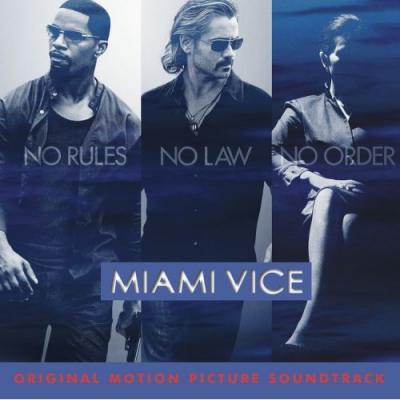
"Miami Vice" Soundtrack Lyrics
Movie • 2006
Track Listing
Nonpoint
Moby
Mogwai
Nina Simone
Mogwai
Manzanita
India.Arie
Goldfrapp
Emilio Estefan
King Britt
Blue Foundation
Moby
Freak Chakra
John Murphy
John Murphy
King Britt
Klaus Badelt
"Miami Vice: Original Motion Picture Soundtrack" – Album Guide to Tracks and Key Scenes
Overview
What happens when a glossy 1980s TV phenomenon is rebuilt as a grainy, nocturnal digital dream and scored with post-rock, nu-metal, deep house, and mournful electronica? Miami Vice (2006) answers that by turning its soundtrack into the film’s nervous system rather than simple background decoration.
The film drops us straight into undercover work already in motion: Crockett and Tubbs moving through a Miami nightclub, then into a cross-agency disaster that forces them deeper undercover with a Colombian cartel and the Aryan Brotherhood. The soundtrack tracks that arc: arrival in a humid, fully formed criminal ecosystem, adaptation to its codes, rebellion as loyalties blur, and finally collapse when the operation and the love affair between Crockett and Isabella can no longer coexist.
Instead of recycling Jan Hammer’s TV themes, the movie leans on John Murphy’s score cues and a carefully licensed set of songs ranging from Moby and Nina Simone remixes to Mogwai’s post-rock crescendos and India.Arie’s acoustic soul. The music is often diegetic — club systems, house bands, radios — so scenes feel overheard rather than staged, with the sound design mixing crowd noise and vocals into the same humid wash.
Structurally, the soundtrack moves in phases. The Mansion club mini-suite (Jay-Z & Linkin Park, Freaky Chakra, Nina Simone, Goldfrapp) sketches the vice unit’s arrival and professional masks. Mid-film Latin, electronica, and soft soul (Manzanita, Moby, India.Arie) score adaptation and romance. The back half shifts into rebellion and collapse: Audioslave’s rock fragments, King Britt’s spiritual groove, and Mogwai’s “We’re No Here” and “Auto Rock” push the story toward its fatalistic finale. Genres map cleanly to theme: club hybrids for tactical performance, Latin cues for forbidden intimacy, spiritual house and post-rock for moral weight and emotional fallout.
How It Was Made
Michael Mann reboots Miami Vice as a standalone crime film rather than a nostalgia package. That decision starts with the music. He explicitly avoids reusing the TV theme and does not bring back original series composer Jan Hammer; instead he commissions John Murphy for the score, with additional cues by Klaus Badelt, Mark Batson, King Britt, Tim Motzer and others. The goal: make the soundtrack feel contemporary to mid-2000s Miami rather than retro.
The core album, Miami Vice: Original Motion Picture Soundtrack, is credited to Various Artists and released by Atlantic Records in 2006 as a 17-track CD and digital release. Murphy’s score pieces (“Mercado Nuevo”, “Who Are You”, “A-500”) sit alongside licensed recordings like Nonpoint’s cover of “In the Air Tonight”, Moby’s “One of These Mornings”, Mogwai’s “We’re No Here” and “Auto Rock”, Goldfrapp’s “Strict Machine”, and Blue Foundation’s “Sweep”. The track selection deliberately blurs “score” and “song”: several cues are used like songs, and some songs are cut almost like score.
Mann also tweaks song placement between the theatrical cut and the later Director’s Cut. Nonpoint’s “In the Air Tonight” moves from the end credits into the buildup to the dockside gunfight, echoing how Phil Collins’ original was used in the 1984 TV pilot, while Moby’s “One of These Mornings” takes over the end credits in that version. The editorial team reportedly experimented heavily in post-production with different tracks and remixes, which is why some songs (for example Audioslave’s “Shape of Things to Come”) are present in the film but absent from the commercial soundtrack album.
Tracks & Scenes
Below are the key songs and score cues from Miami Vice and how they are woven into specific scenes. Time references are relative within the film rather than exact timestamps, because cuts differ slightly between the theatrical and Director’s versions.
"Numb/Encore" — Jay-Z & Linkin Park
Scene: In the Director’s Cut and early promotional trailers, the very first thing we hear over the opening Mansion nightclub sequence is this mash-up. The camera drifts through VIP tables, dancers, and neon, with Crockett and Tubbs already undercover and working a prostitution sting. The track pumps from the club system, so the dialogue rides on top of the beat rather than replacing it, selling the sense that we arrived in the middle of an ongoing operation.
Why it matters: The song’s hybrid of rock and hip-hop mirrors the film’s attempt to splice TV-era glamour with 2000s grit. It also gives that first club stretch a rhythmic continuity even as the picture cuts between cops, targets, and surveillance vantage points.
"Blacklight Fantasy (Fundacion NYC Mix)" — Freaky Chakra
Scene: Still in the Mansion sequence, this track slides in as the camera continues to prowl the dance floor and private booths. The Vice squad trade coded glances while Switek negotiates with Neptune, the pimp they are trying to take down. The pulsing, slightly narcotic house groove feels like music you could actually hear in a mid-2000s Miami superclub, not a library cue dropped in later.
Why it matters: It grounds the environment in credible club culture and establishes the film’s preference for long, musically anchored sequences instead of rapid expository cutting.
"Sinnerman (Felix da Housecat’s Heavenly House Mix)" — Nina Simone
Scene: This remix kicks in as the Mansion sequence stretches on: Crockett steps outside to take a critical phone call from informant Alonzo Stevens while inside the deal continues. The house beat keeps pumping from the club, bleeding into the street soundscape, while Nina Simone’s voice rides in and out depending on whether the door is open or we cut back inside.
Why it matters: The contrast between Simone’s spiritual vocal sample and the vice squad’s ugly reality hints at the moral undertow that will swallow several characters. It also sets up the film’s habit of using heavily remixed classics to express the collision between old myths and new criminal economies.
"Strict Machine (We Are Glitter Mix)" — Goldfrapp
Scene: Later in the same opening set piece, this remix plays as Crockett and Tubbs move through the club, scanning the room, watching their team, and calibrating personas. Neon lights strobe across their faces, dancers grind on raised platforms, and yet the detectives stay ice-calm, working their angles while the track keeps the room in a permanent slow boil.
Why it matters: The lyric about being “love-machine” and “strict machine” mirrors how undercover work reduces everyone to tools and surfaces. The song’s cold, synthetic swagger becomes a sonic shorthand for the professional mask Crockett wears through most of the film.
"Ready for Love" — India.Arie
Scene: After the initial chaos of the case and the botched federal operation, the film cuts to an intimate apartment scene where Tubbs and Trudy are together in bed. “Ready for Love” plays softly, largely non-diegetic, as they talk and kiss; the camera lingers on small gestures rather than big declarations. Their phones are nearby, reminders that duty will intrude at any time.
Why it matters: The track stands in sharp contrast to the hard-edged club selections. Its acoustic warmth and lyrical vulnerability underline that Tubbs has the most stable emotional life of the main characters — which in turn makes Trudy’s later abduction and injury hit harder.
"One of These Mornings" — Moby feat. Patti LaBelle
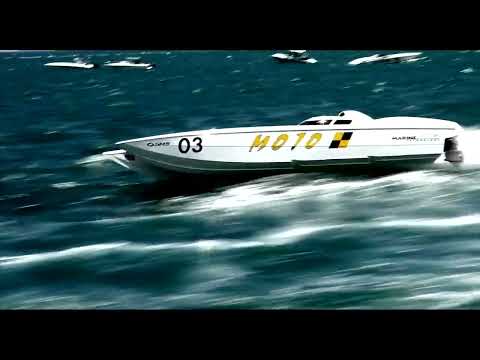
Scene: The most famous placement: Crockett and Isabella take a speedboat from Miami to Havana. The song starts as a low, churchy electronic pulse, then builds as the boat slices through open water. Mann cuts between close-ups of the two, the white wake at night, and distant city lights. In the Director’s Cut, the song also returns over the end credits, replacing “In the Air Tonight”.
Why it matters: The pairing of a gospel-inflected vocal with sleek digital images gives the scene its dreamy, doomed romance. The track signals that this is the emotional apex of the affair — a moment out of time that cannot last, even as the characters pretend it can.
"Arranca" — Manzanita
Scene: In Havana, Crockett and Isabella hit a crowded bar where a live band plays “Arranca”. The song is fully diegetic: sweaty dancers, tight camera on the percussion section, close-ups of Isabella drawing Crockett into the rhythm. They dance in the crowd, their bodies suddenly part of a local community rather than detached undercover roles.
Why it matters: The cue roots their romance in a specific Cuban musical and social context, not just generic “Latin music”. It also acts as a release valve after the tense boat trip, before their relationship complicates the undercover operation.
"Shape of Things to Come" — Audioslave
Scene: Used in fragments when Isabella arrives in Colombia and again when she and Crockett are together in a parked SUV, this rock song sits slightly under dialogue and sound effects. The band’s muscular guitars play against the sense that both characters are already in too deep, professionally and emotionally.
Why it matters: These brief uses, plus sister track “Wide Awake”, connect the film to mid-2000s rock radio and give the overseas segments a more aggressive, industrial edge than the Miami nightscapes.
"Sweep" — Blue Foundation
Scene: After the Havana interlude, the film returns to Miami and the operational grind. “Sweep” plays as Crockett drives back along the causeway, city lights reflected on the wet road, his expression caught somewhere between satisfaction and dread. The track’s spacious, downtempo electronic feel makes the city look lonely rather than glamorous.
Why it matters: It underscores that Crockett’s romantic escape is already slipping into memory. The music’s hazy textures hint that he knows the bill for this detour will come due.
"We’re No Here" — Mogwai
Scene: Heard at Montoya’s house in Paraguay when Crockett and Tubbs negotiate with the cartel leadership. The track’s slow-building wall of guitars and drums never fully explodes; it sits beneath the dialogue like a pressure system everyone in the room can feel but no one mentions.
Why it matters: Mogwai’s dynamic but restrained post-rock mirrors Mann’s approach: action is possible at any moment, but the real drama is in the micro-gestures and glances. The title itself reads like a comment on the detectives’ assumed identities — they are present physically but absent on paper.
"Pennies in My Pocket" — Emilio Estefan
Scene: Played in Yero’s club, this track layers a polished Latin pop groove over a sequence where cartel allies drink, flirt, and talk business. Crockett and Tubbs navigate the room, reading relationships and vulnerabilities while pretending to be just another pair of high-end smugglers enjoying the evening.
Why it matters: Estefan’s presence ties the film back to Miami’s real musical industry and Latin entertainment economy, grounding what could have been a generic villain’s hangout in something recognisably regional.
"Wide Awake" — Audioslave
Scene: Used when Isabella arrives in Colombia and later when she and Crockett make love in the SUV. The song bleeds in and out with engine noise and ambient sound, never allowed to play as a full music-video moment. The tension in Chris Cornell’s vocal sits over images of makeshift intimacy in a very unsafe context.
Why it matters: It reinforces the idea that every romantic moment between them is taking place in a war zone, emotionally and literally.
"Anthem (Cinematic Version)" — Moby
Scene: A more urgent Moby cue scores the Vice squad rushing to intercept Yero’s operation and save Trudy from the booby-trapped trailer park. Sirens, radio chatter, and the rush of vehicles blend with the track’s insistently rising pattern.
Why it matters: It is one of the clearest examples of Mann using electronic music as emotional propulsion rather than just texture — the cue pushes the scene forward like a ticking clock.
"New World in My View (Instrumental Version)" — King Britt
Scene: In the hospital, after the trailer explosion, this instrumental plays while Trudy lies in critical condition and Yero moves to snatch Isabella. The groove is hypnotic but uneasy, built from gospel-sample DNA but stripped of explicit vocals in the film mix.
Why it matters: The song brings a spiritual undertone to a very procedural setting, emphasizing that the fallout of the operation goes far beyond arrests and seizures. It is grief and consequence, not just plot.
"Mercado Nuevo" — John Murphy
Scene: A cool, tension-heavy score cue plays when Crockett and Tubbs travel to meet Montoya for the first time. Airfields, armed escorts, and the quiet arrogance of cartel infrastructure frame the detectives’ approach.
Why it matters: Murphy’s cue keeps the scene taut without distracting from verbal sparring. It is functional thriller scoring, but its slightly off-kilter rhythm fits the film’s digital, handheld visual language.
"A-500" — Klaus Badelt & Mark Batson
Scene: Used when Crockett and Tubbs personally fly Montoya’s first load back to Florida, skimming dangerously close to a commercial flight to hide in its radar shadow. Engines drone, alarms beep, and the music pulses underneath as a kind of mechanised heartbeat.
Why it matters: This cue sells the procedural detail — the physical risk and technical cleverness of their smuggling cover story.
"Ramblas" — King Britt & Tim Motzer
Scene: Plays during a waterfront conversation between Crockett and Isabella, when they discuss business, risk, and the possibility of running away together. The track keeps a relaxed but slightly melancholic pace, matching the waves and city lights in the background.
Why it matters: It makes the waterfront feel liminal — neither home nor fully foreign — echoing how both characters are between identities and futures.
"Who Are You" — John Murphy
Scene: A recurring motif: used in the diner with Isabella, while the crew loads cargo in Panama, and near the end when Isabella realises Crockett is a cop. In the late scene, as bullets fly and allegiances snap, the music underlines her shouted question — “Who are you?” — with a queasy, unresolved pattern.
Why it matters: The cue makes identity itself the main tension line. It fits the film’s obsession with cover names, blurred loyalties, and the cost of long-term undercover work.
"Auto Rock" — Mogwai
Scene: In the Director’s Cut, this is the final piece: Crockett walks Isabella to the safehouse and watches her leave by boat, while Tubbs holds vigil at Trudy’s hospital bed until she finally squeezes his hand. The piano pattern rises and loops, intensifying without turning into a full rock explosion.
Why it matters: The song gives the ending its melancholy power. The operation technically ends in success, but emotionally everyone loses something. “Auto Rock” captures that sense of exhausted victory and permanent damage better than dialogue could.
"In the Air Tonight" — Nonpoint
Scene: In the theatrical cut, this heavier cover of Phil Collins’ classic plays over the end credits; in the Director’s Cut, it scores the slow build-up as Crockett and Tubbs drive toward the final dockside shootout, echoing the use of the original song in the TV pilot. The tom fill hits just as they commit to the confrontation.
Why it matters: It is the film’s most direct gesture back to the TV series. Updating the song with a nu-metal crunch mirrors the movie’s broader attempt to translate 1980s iconography into mid-2000s textures.
Notes & Trivia
- The film deliberately omits the original TV Miami Vice Theme; Mann wanted no direct musical reuse of the series motifs.
- Jan Hammer reportedly learned of this choice after the fact and commented that the film seemed “too cool” to revisit his theme.
- Two Audioslave songs — “Wide Awake” and “Shape of Things to Come” — appear in the movie but not on the official soundtrack album.
- The club sequence in The Mansion stitches together four different tracks, making it one of Mann’s densest pieces of diegetic scoring.
- “One of These Mornings” was re-recorded with Patti LaBelle specifically for the film and later folded into the soundtrack album.
- Mogwai’s “Auto Rock” and “We’re No Here” both originate from their 2006 album Mr Beast, but gained a second life among film fans via Miami Vice.
- The soundtrack album runs just over 73 minutes, significantly longer than many 1980s Vice compilations.
- An expanded John Murphy score album was released years later, separating purely instrumental cues from the song-based soundtrack.
Music–Story Links
The music in Miami Vice does not just decorate scenes; it mirrors the characters’ psychological arcs and the structure of the operation.
Crockett and Isabella’s relationship is essentially scored by Moby and Mogwai. “One of These Mornings” covers the moment they step outside their professional roles and race to Havana together. Later, “Auto Rock” plays as Crockett lets her go for good, and the matching of those two cues makes the affair feel like a closed loop — brief, intense, and ultimately unsustainable.
Tubbs and Trudy, by contrast, get “Ready for Love” and “New World in My View”. The first is calm, honest, and intimate; the second is mournful and spiritual, playing over her medical crisis. The music underlines that their bond is real but fragile in a line of work that punishes attachments.
The undercover team as a whole is introduced through the Mansion club mini-suite: “Numb/Encore”, “Sinnerman”, “Blacklight Fantasy”, “Strict Machine”. It is a four-song portrait of performance — everyone pretending, everyone surveilling; the music is loud and extroverted while the characters’ actual intentions are hidden.
Finally, the investigation’s rise and fall can be traced through the shift from eclectic song placements to starker score cues. Early on, soundtracks dominate: club tracks, Latin bands, pop rock. As Yero tightens the noose, Murphy and Badelt’s cues (“Mercado Nuevo”, “A-500”, “Who Are You”) take over, ending with the austere “Auto Rock”. By the last scene, the music has stripped away most of the genre “fun”, leaving only tension and aftermath.
Reception & Quotes
On release in 2006, Miami Vice landed a mixed critical reception. Review aggregators show a split between praise for Mann’s digital visuals and soundtrack choices and complaints about an opaque plot and emotionally distant leads. Audience scores hovered in the “generally favorable but not enthusiastic” range.
Over time, however, critics and cinephile audiences have re-evaluated the film. Retrospectives now often describe it as a cult favorite whose style is its substance, with the soundtrack singled out as a key reason the movie feels more like a nocturnal mood piece than a conventional cop thriller.
Mann’s film plays like a sleek crime thriller filtered through the lens of a cult midnight movie. — High On Films retrospective
Mogwai’s “Auto Rock” makes the ending’s simple images feel utterly overwhelming. — Dan the Man’s Movie Reviews
The soundtrack is brilliant and bonds with the movie well, highlighted by “Auto Rock” thumping in the emotional finale. — IMDb user review
The soundtrack album works for late-night drives, though orchestral purists may find little to hold onto. — OutNow score review
Some music writers criticise the album as an uneven compilation that does not entirely stand alone without the film, yet the same critics usually concede that, inside the movie, the cues lock tightly to Mann’s images. The gap between “album experience” and “film experience” is part of why Miami Vice still inspires debate.
Interesting Facts
- The soundtrack album’s MusicBrainz entry links it directly to the film’s Wikidata item, treating movie and album as parts of one creative cluster.
- An expanded score release in 2023 collects John Murphy’s instrumental work separately from the song-driven original album.
- The first teaser trailer famously used “Numb/Encore”, which primed viewers to expect a heavier Linkin Park presence in the finished film than they actually got.
- King Britt has discussed how “New World in My View” was chosen specifically for a hospital scene to suggest both grace and looming doom at once.
- Organized Noize were reportedly brought in after a planned collaboration with the RZA fell through during pre-production.
- Nonpoint’s “In the Air Tonight” started life on their own album, then became so associated with the film that many fans misremember it as being written for Miami Vice.
- Because of rights and region issues, some home-video versions and TV airings have slightly altered song mixes compared with the theatrical run.
- The soundtrack’s mix of European post-rock, American rock radio, and Latin pop reflects the co-production between US and German companies and the multi-country shoot.
Technical Info
- Title: Miami Vice: Original Motion Picture Soundtrack
- Year: 2006
- Type: Film soundtrack album for the feature film Miami Vice (2006)
- Primary score composer: John Murphy
- Additional score / production: Klaus Badelt, Mark Batson, King Britt, Tim Motzer, Moby and others
- Key songs featured: “In the Air Tonight” (Nonpoint), “One of These Mornings” (Moby feat. Patti LaBelle), “We’re No Here” & “Auto Rock” (Mogwai), “Sinnerman” remix (Nina Simone), “Strict Machine” (Goldfrapp), “Arranca” (Manzanita), “Ready for Love” (India.Arie), “Sweep” (Blue Foundation)
- Label: Atlantic Records (catalog 83997-2 and variants)
- Release format: CD and digital, 17 tracks, approximately 68–73 minutes depending on edition
- Film release context: Universal Pictures crime thriller directed by Michael Mann, theatrically released July 2006
- Notable omissions from album: “Numb/Encore” (Jay-Z & Linkin Park), Audioslave’s “Wide Awake” and “Shape of Things to Come” do not appear on the commercial soundtrack despite being in the film.
- Chart / impact: Modest commercial performance as a standalone album; significant influence on the film’s later cult status and on discussions of digital-era film sound design.
Questions & Answers
- Is the Miami Vice movie soundtrack mostly songs or score?
- It is heavily song-driven. John Murphy’s score cues are present, but the album and the film lean on licensed tracks for most major set pieces.
- Why isn’t the classic TV theme used in the 2006 film?
- Michael Mann chose to distance the movie from the TV show musically, so Jan Hammer’s theme and motifs were deliberately left out.
- What’s the song during Crockett and Isabella’s boat trip to Cuba?
- That scene is scored with Moby’s “One of These Mornings” featuring Patti LaBelle, recorded in a special version for the film.
- Which track plays over the final montage with the dockside shootout and aftermath?
- In the theatrical cut, Nonpoint’s “In the Air Tonight” leads into the credits; in the Director’s Cut, Mogwai’s “Auto Rock” carries the emotional finale.
- Can you stream the Miami Vice soundtrack today?
- Yes. The original soundtrack album is available on major services (often labelled “Miami Vice: Original Motion Picture Soundtrack”), though some regional catalogues may differ slightly.
Canonical Entities & Relations
| Subject | Relation | Object | Notes |
|---|---|---|---|
| Michael Mann | directed | Miami Vice (2006 film) | Also writer and producer of the film. |
| John Murphy | composed score for | Miami Vice (2006 film) | Primary score composer. |
| Various Artists | recorded | Miami Vice: Original Motion Picture Soundtrack | Compilation of songs and score cues. |
| Atlantic Records | released | Miami Vice: Original Motion Picture Soundtrack | Label for the 2006 soundtrack album. |
| Nonpoint | performed | "In the Air Tonight" | Cover used in film and on album. |
| Moby feat. Patti LaBelle | performed | "One of These Mornings" | Boat-to-Havana scene and end credits. |
| Mogwai | performed | "We’re No Here", "Auto Rock" | Used in Paraguay villa and final montage. |
| Goldfrapp | performed | "Strict Machine (We Are Glitter Mix)" | Part of the Mansion club sequence. |
| India.Arie | performed | "Ready for Love" | Scores the Tubbs–Trudy bedroom scene. |
| King Britt & Tim Motzer | produced / performed | "Ramblas", "New World in My View" | Appear in waterfront and hospital sequences. |
| Emilio Estefan | performed | "Pennies in My Pocket" | Plays in Yero’s Miami club. |
| Universal Pictures | distributed | Miami Vice (2006 film) | Handled theatrical release. |
| Miami Vice (2006 film) | has soundtrack | Miami Vice: Original Motion Picture Soundtrack | Album collects most major songs and cues. |
Sources: Miami Vice (film) production and music notes; Miami Vice Wiki (film and song pages); MusicBrainz and Discogs release data; Apple Music / streaming listings; contemporary soundtrack and score reviews; later critical retrospectives on the film and its soundtrack.
November, 15th 2025
A-Z Lyrics Universe
Cynthia Erivo Popular
Ariana Grande Horsepower
Post Malone Ain't No Love in Oklahoma
Luke Combs Good Riddance (Time of Your Life)
Green Day Bye Bye Bye
*NSYNC You're the One That I Wan
John Travolta & Olivia Newton-John I Always Wanted a Brother
Braelyn Rankins, Theo Somolu, Kelvin Harrison Jr. and Aaron Pierre The Power of Love
Frankie Goes to Hollywood Beyond
Auli’i Cravalho feat. Rachel House MORE ›