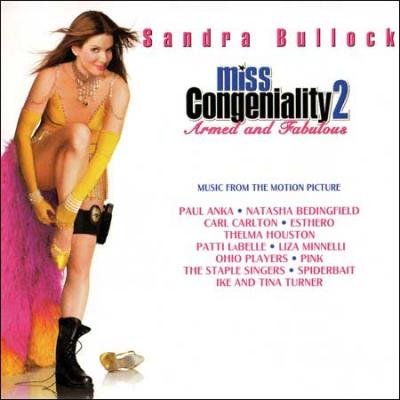
"Miss Congeniality 2" Soundtrack Lyrics
Movie • 2005
Track Listing
Tina Turner
The Staple Singers
Carl Carlton
The Yayhoos
Dave Alvin
Pink
Esthero
The Street Corner Healers
Paul Anka
Ohio Players
Patti LaBelle
Liza Minnelli
Thelma Houston
Spiderbait
Natasha Bedingfield
"Miss Congeniality 2: Armed and Fabulous (Music From the Motion Picture)" – Album Guide to Tracks and Key Scenes
Overview
What happens to a makeover soundtrack when the heroine no longer wants a makeover? That’s the quiet tension driving the music of Miss Congeniality 2: Armed and Fabulous. The first film used pop to sell Gracie Hart’s transformation into a pageant-ready “swangey” hero. The sequel flips it: she starts glossy and media-trained, then fights her way back to being a working agent, and the soundtrack has to follow that arc in Las Vegas neon.
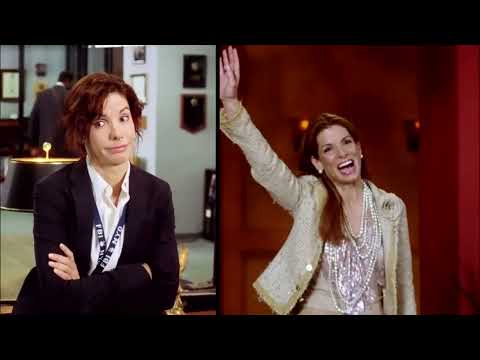
The story picks up after the Miss United States pageant. Gracie Hart (Sandra Bullock), now a minor celebrity, can’t work undercover because everyone recognizes her. The FBI repackages her as “the face of the Bureau”, giving her a stylist (Joel) and a perpetually annoyed bodyguard (Agent Sam Fuller, played by Regina King). When former titleholder Cheryl Frasier and host Stan Fields are kidnapped in Vegas, Gracie is pushed back toward field work whether the Bureau likes it or not. The music repositions her too, sliding from polished PR cues into dirtier funk, disco, and drag-club showtunes as she breaks away from the podium.
The album "Miss Congeniality 2: Armed and Fabulous – Music From the Motion Picture" is a compilation leaning heavily on classic R&B, disco, and soul – The Staple Singers, Thelma Houston, Carl Carlton – plus punchy 2000s pop and rock from artists like P!nk, Esthero and Natasha Bedingfield. The film’s score, composed by John Van Tongeren, sits underneath as connective tissue, but the commercially released disc focuses on songs that instantly pin scenes to a time, place and mood.
The soundtrack’s structure mirrors the film’s path: early tracks push swagger and attitude as Gracie leans into her media persona; mid-film songs lean into Vegas excess, drag performance and casino chaos; end-credit numbers play like a victory lap for a heroine who’s reclaimed her job and her rough edges. Soul and funk underscore resilience and camaraderie, disco and diva vocals map onto drag culture and queer spaces, while the modern pop cuts carry the buddy-comedy banter of Gracie and Sam. Genres become emotional shorthand: old-school R&B for authenticity, glossy pop for image, rock riffs for outright trouble.
How It Was Made
The film’s score is credited to composer John Van Tongeren, a Media Ventures alumnus who had worked alongside Hans Zimmer and Mark Mancina on action and thriller projects before stepping into more front-and-center credits like Miss Congeniality 2. His task here is tricky: stitch together a sequel that leaves the pageant setting behind, add Vegas spectacle, and still leave enough sonic space for needle-drops from half a century of popular music.
Behind the scenes, the film went through a tangled music process. Publicly, Van Tongeren is listed as the main composer while trade coverage and composer filmographies point to temp-score drama and earlier work by Randy Edelman and additional cues from composers like Christophe Beck and Christopher Young that were largely superseded. That helps explain why the final score often feels like sharp rhythmic beds and short motifs designed to sit under recognisable songs rather than dominant, theme-driven orchestral material.
On the songs side, the production leans on music supervisor John Houlihan, a veteran of studio comedies, to clear and place tracks that embody Vegas kitsch and diva confidence: Ike & Tina Turner’s “Proud Mary”, Thelma Houston’s “Don’t Leave Me This Way”, Patti LaBelle’s “New Attitude”, Liza Minnelli’s “Cabaret”. Licensing those big catalogue titles lets the film drop into ready-made cultural memory – when Regina King’s Sam impersonates Tina Turner, the audience doesn’t just get a gag, they get an entire era’s performance style.
Recording and compilation of the commercial soundtrack album fell under the Warner music ecosystem. According to label and database listings, the CD was issued by Warner Sunset/Warner Bros in March 2005, running just under 47 minutes, with tracks sequenced to front-load modern cuts (“Wikked Lil’ Grrrls”, “I’m a Bomb”, “Trouble”) before sinking into a back half built on 70s soul, funk and disco. The disc, sold standalone and bundled with certain DVD editions, positions itself less as a score album and more as a party-ready “Vegas night” playlist.
Tracks & Scenes
Below, I focus on the key songs as they appear in the film, plus a couple of album-only talking points. Timings refer to the approximate position in the feature.
"Trouble" — P!nk
Where it plays: Around 00:32, as Gracie’s plane touches down in Las Vegas. The camera glides over the Strip at night, bathing the frame in electric signage as “Trouble” kicks in with its brash guitar riff. Gracie strides through the airport with her glam squad and Sam in tow, every step in sync with the beat. The cut into FBI headquarters continues the energy, making her look more like a celebrity on tour than an agent on assignment.
Why it matters: The song is pure attitude, all crunchy rock and cocky vocals. It tells us instantly that Gracie is living the high of her mini-fame – and hints that this level of “trouble” is more image than substance. The lyrics about causing trouble lightly undercut the fact that she’s actually been sidelined from real field work.
"Wikked Lil' Grrrls" — Esthero
Where it plays: About 00:36, when Jeff drives Gracie and Sam through Las Vegas to their hotel at night. The sequence lingers on neon reflections on the car windows, the trio bantering in the cramped space. The track’s jazzy horns and swaggering groove turn the city into a playground, with Gracie half-distracted by billboards of her own face and Sam unimpressed with all of it.
Why it matters: The song’s title and sly vocals mirror the relationship between the two women. Gracie is now “wicked” in a corporate, publicist-approved way; Sam is wicked in the unpolished, punch-first sense. The cue quietly frames the film as a story about two very different “grrrls” being forced to share the same ride.
"Fire" — Ohio Players
Where it plays: Around 01:19, during the gas-station sequence where Gracie and Sam come out of the restroom dressed as FBI agents and move to intercept suspects. The wah-wah guitar and horn stabs of “Fire” line up with their strut across the tarmac, turning a mundane location into a little slice of blaxploitation cool. Background extras glance over; the women look more confident than their plan really deserves.
Why it matters: “Fire” is on-the-nose, but that’s the point. It gives the duo a temporary swagger montage – they look like they belong in an old-school cop movie – just before things go wrong again. It also leans into the soundtrack’s use of 70s funk as a shorthand for competence and heat, even when the characters are just barely holding things together.
"New Attitude" — Patti LaBelle
Where it plays: Around 01:20, as Gracie, Sam, Jeff and Joel arrive outside the Osiris drag club to plan their next move. The song comes in as a diegetic club track, bleeding from inside the building and then dominating the soundscape as the camera follows the group up to the entrance. Inside, queens and patrons move to the beat while our FBI team tries to look like they belong.
Why it matters: On surface level, the lyrics are a nod to Gracie’s makeover arc across both films. Here, though, it’s Sam who needs a “new attitude” toward teamwork and partnership. The song’s placement in a queer space also ties the film to a camp lineage: this is a story about reinvention, performed loudly and unapologetically.
"Cabaret" — Liza Minnelli
Where it plays: About 01:22, during a fake Liza Minnelli performance at the drag club. The impersonator belts “Cabaret” onstage, fully costumed, while Cheryl’s publicist Janet talks on the phone in another location and suddenly recognises the song – and the implication that Jeff is absolutely not “at home” like he claims. The camera cuts between the stage and Janet’s slow realisation, squeezing comedy out of the musical cross-cut.
Why it matters: The cue lets the movie briefly turn into a mini-musical, but it also functions as a plot device: the specific song is the thing that gives away Jeff’s lie. Thematically, “Cabaret” – a show about performing in the face of danger – is a pointed choice for a story where Gracie is literally performing a new version of herself for the FBI.
"Black Betty" (edit) — Spiderbait
Where it plays: Around 01:33, during the casino showdown where Gracie and Sam brawl with the Steele brothers among the slot machines and gaming tables. “Black Betty” slams in with its pounding drums and distorted guitar right as the first punch lands. The tempo matches the rapid cuts: bodies crashing into tables, chips flying, security and gamblers yelling over the music.
Why it matters: This is the most straightforward action cue on the song side. It gives the sequence a chaotic, almost slapstick energy, keeping things fun rather than brutal. Importantly, the track underscores Gracie and Sam finally fighting in sync – the buddy-movie payoff arrives with a rock riff instead of a speech.
"I'm a Bomb" — Natasha Bedingfield
Where it plays: Roughly 01:43, toward the finale at Treasure Island. As the rescue operation winds down and Collins tries to steal media credit, Gracie strolls past and knocks him into the water; the song threads through this beat and over the subsequent montage, treating the moment as a reclaiming of agency. The verses bubble under dialogue, but the chorus punches through as a musical wink.
Why it matters: In context, “I’m a Bomb” is less about literal danger and more about Gracie finally re-owning the messiness that made her a good agent in the first place. It’s a pop way of saying: she’s done being a safe PR puppet. The placement also helps transition into the more groove-based end-credit tracks without a hard tonal shift.
"I’ll Take You There" — The Staple Singers
Where it plays: Around 01:47, first when Gracie is getting ready for a formal dinner, with a prep montage of wardrobe, hair and nerves; then again as the first song over the end credits. In the pre-dinner scene, the track plays non-diegetically, giving a warm, almost churchy lift to cold hotel lighting and FBI logistics. In the credits it becomes a full sing-along mood for the audience filing out of the cinema.
Why it matters: It’s one of the soundtrack’s moral anchors. The song’s promise of “taking you there” – to some better, freer place – mirrors Gracie’s journey back to the field, and Sam’s journey toward trust. It also makes the credits feel like part of the story: the characters may be done for now, but the groove continues.
"She's a Bad Mama Jama (She’s Built, She’s Stacked)" — Carl Carlton
Where it plays: Around 01:50, as the second end-credit song. By this point, we’ve seen Gracie and Sam survive explosions, pirates, PR tours and corporate misogyny; “Bad Mama Jama” lands like a slightly cheeky medal ceremony. The music runs over names and legalese as if the soundtrack itself is complimenting the female leads, not just the fictional beauty queens of the first film.
Why it matters: The lyrics and bassline function as a playful commentary track on the entire franchise’s relationship with beauty standards. In the first film, Gracie struggled against being judged on her looks; here, the track invites the audience to appreciate her and Sam as “bad mama jamas” on their own unruly terms.
"Proud Mary" — Ike & Tina Turner
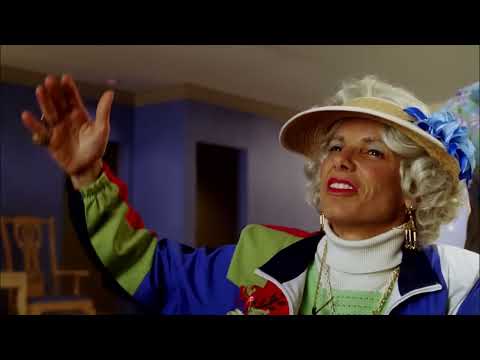
Where it plays: First, early on, when Gracie blows off steam after the botched bank operation and McDonald turns up with stacks of her fan mail. The song blasts as she half-dances, half-rages through the scene, the famous “rolling on the river” groove giving vent to frustration. Later, Sam performs “Proud Mary” onstage at the drag club, in full Tina Turner drag, to get access to the backstage area and the Dolly Parton impersonator who can help them.
Why it matters: This is arguably the sequel’s signature cue. It marks both women as natural performers when the job demands it, but in completely different ways: Gracie uses the track as catharsis, Sam uses it as a tactical weapon. The song is also a bridge between the film and the real Vegas show tradition the story leans on.
"Don’t Leave Me This Way" — Thelma Houston
Where it plays: The song is clearly licensed and credited for the film and appears as part of the Las Vegas club and casino soundscape, though publicly available cue sheets and fan databases do not agree on a single, precise on-screen moment. Most likely, it’s used as a brief diegetic needle-drop on a sound system during one of the mid-film nightlife sequences, mixed low under dialogue and crowd noise.
Why it matters: Even without a marquee scene, the track helps set the disco-era backbone of the soundtrack. Its themes of desperate longing mirror the stakes of Cheryl and Stan’s abduction more than the comedy would admit out loud, and it ties the movie into a long list of screen appearances where the song has signalled emotional crisis on a dancefloor.
"(You’re) Having My Baby" — Paul Anka
Where it plays: The song is present on the commercial album and in music databases associated with the film, but detailed scene documentation is thin. Some soundtrack references simply list it among the licensed cues without specifying a clear placement in the final cut, which suggests it may have been used briefly, or in background, or featured more prominently in early edits than in the widely seen version.
Why it matters: Even if its on-screen role is limited, the inclusion on the album underlines how knowingly kitsch the compilation is. Dropping a sentimental 70s soft-pop ballad into a set surrounded by funk and diva anthems reinforces the franchise’s willingness to flirt with “guilty pleasure” territory – musically as much as comedically.
Score cues & album-only context
Beyond the songs above, the film uses Van Tongeren’s score to knit together set-pieces: light synth-and-percussion motifs for FBI press events, more suspenseful low-end pulses around the Treasure Island climax. A couple of instrumental pieces discussed on fan and soundtrack Q&A boards – such as the piano cue under the scene where Gracie is ordered out of Vegas – never appeared on a commercial score release, leaving the officially issued album tilted heavily toward recognizable songs rather than original music.
Notes & Trivia
- The soundtrack album is marketed as “Music From the Motion Picture”, not an original score, signalling up front that this is a song-driven package.
- Several big tracks – “Proud Mary”, “Cabaret”, “New Attitude” – lean into drag and diva culture, which matches the Osiris club setting far more explicitly than the first film’s pageant.
- A limited DVD edition paired the movie with the CD soundtrack, effectively turning it into a built-in souvenir for fans who discovered the songs via the film.
- P!nk’s “Trouble” was already familiar from other early-2000s film placements; using it here plugs the sequel into a wider teen-comedy soundscape of the era.
- Because of the tangled scoring history, film-music fans still debate how much of the final underscore is pure Van Tongeren and how much reflects temp or reworked material.
Music–Story Links
The most obvious music–story thread is Gracie and Sam’s evolving partnership. Early on, “Trouble” and “Wikked Lil’ Grrrls” paint them as reluctant co-stars in a glossy FBI PR roadshow. The tracks are fun, but they also emphasise how much of Gracie’s life now belongs to cameras and branding. When “Fire” hits at the gas station, the music finally treats them as action heroes rather than speech-givers – right as the plot nudges them back toward field work.
The Osiris drag club sequence is the emotional pivot. “New Attitude” and “Cabaret” don’t just serve as background music; they symbolically hand the movie over to performers who live by reinvention. Sam’s later “Proud Mary” performance completes that loop. The two agents step into literal showgirl costumes and lip-syncs to get information, but they also, for a few minutes, look completely at home there. The sound choices suggest that the world of drag queens and impersonators understands transformation better than the FBI ever did.
The finale and credits tracks tie things off. “I’ll Take You There” and “She’s a Bad Mama Jama” transform the end of a kidnapping case into a hangout vibe. Instead of an orchestral swell, the film fades out on grooves about guidance and body-confidence. It’s an implicit statement: Gracie’s victory isn’t about reclaiming pageant prettiness, it’s about owning her presence, scars and all. That’s why pushing Collins into the water over “I’m a Bomb” feels like the real ending – the soundtrack literally sides with her refusal to go back to the podium.
Reception & Quotes
Critically, the film took a hit compared to the original. Rotten Tomatoes and Metacritic both show low scores and note that, while Sandra Bullock remained likeable, the sequel’s script and pacing underwhelmed. The soundtrack, however, generally escaped the harshest words; reviewers tended to treat it as one of the movie’s brighter spots, a reasonably curated grab-bag of party-ready songs and retro gems.
AllMusic’s album entry frames the disc as a straightforward studio compilation: a blend of Stage & Screen with Pop/Rock and R&B tags, running just under 47 minutes. According to that overview, this is less a deep, cohesive musical statement and more a companion piece for fans who enjoyed the film’s energy and wanted familiar cuts gathered in one place.
“Sandra Bullock is still as appealing as ever; too bad the movie is not pageant material.”
Critical consensus summary, Rotten Tomatoes
“Doubly unnecessary… there is no good reason to go and actually see it.”
Roger Ebert on the film, Chicago Sun-Times
“Commercially savvy… follows the original’s formula into Vegas, but with fewer genuine laughs.”
Variety’s assessment of the sequel
“Generally unfavorable reviews” but a solid B from CinemaScore audiences.
Summary of Metacritic and CinemaScore responses
Audience reaction to the music has been kinder. Fan playlists and streaming compilations keep “Proud Mary”, “Trouble”, “Wikked Lil’ Grrrls”, “New Attitude” and “I’ll Take You There” in circulation as the core identity of the album. The deeper cuts – especially “(You’re) Having My Baby” – play more like easter eggs for listeners who enjoy slightly cheesy contrasts in their soundtrack libraries.
Interesting Facts
- The commercial album’s release date (mid-March 2005) lined up with the film’s theatrical rollout, and some regions got a DVD+CD bundle to push both at once.
- Several tracks, including “Trouble” and “New Attitude”, appear on other film compilations; this disc effectively cross-pollinates soundtracks from the early 2000s.
- “Don’t Leave Me This Way” and “I’ll Take You There” have long lists of other screen uses, so they bring a lot of prior audience associations into even short cue placements.
- Composer credit confusion (between Van Tongeren, Edelman, Young, Beck and others) comes from temp-score stories and rejected-score lore that film-music blogs have unpacked in detail.
- Official library and label listings classify the album under “soundtrack” rather than “original score”, which matches its song-heavy tracklist and absence of pure score cues.
- International titles – like Miss FBI – Infiltrata speciale in Italian – share the same music backbone, even when the local marketing leans harder into action than comedy.
- Some digital “Best of Sandra Bullock movie music” compilations re-record key songs as cover versions for rights reasons, but keep the same sequencing as the original soundtrack.
- The presence of “(You’re) Having My Baby” on the album has led some listeners to misremember a more prominent pregnancy gag in the movie than actually exists.
Technical Info
- Title: Miss Congeniality 2: Armed and Fabulous – Music From the Motion Picture
- Film: Miss Congeniality 2: Armed and Fabulous (2005)
- Type: Compilation soundtrack album (songs from and inspired by the film)
- Primary score composer (film): John Van Tongeren
- Additional score contributors (film, as credited in industry sources): work associated with Randy Edelman, Christophe Beck and Christopher Young in earlier or supplemental scoring stages
- Music supervisor (film): John Houlihan
- Main featured artists on album: Esthero, Natasha Bedingfield, P!nk, Spiderbait, Paul Anka, Carl Carlton, Ohio Players, Thelma Houston, The Staple Singers, Ike & Tina Turner, Patti LaBelle, Liza Minnelli
- Label: Warner Sunset Records / Warner Bros (CD release)
- Release date (album): March 15, 2005 (US)
- Approximate duration: ~46–47 minutes (commercial CD)
- Formats: Audio CD; bundled DVD+CD set; later digital availability varies by region and platform
- Genres (album metadata): Stage & Screen, Pop/Rock, R&B
- Key notable placements: “Trouble” over the Vegas arrival; “Wikked Lil’ Grrrls” over the night-drive; “Proud Mary” for both Gracie’s meltdown and Sam’s stage infiltration; “Black Betty” in the casino fight; “I’ll Take You There” and “She’s a Bad Mama Jama” over the end credits
- Commercial status: Out of print in some physical markets; used copies and digital versions remain findable via major retailers and second-hand sellers.
Questions & Answers
- Is there an official soundtrack album for Miss Congeniality 2: Armed and Fabulous?
- Yes. Warner released Miss Congeniality 2: Armed and Fabulous – Music From the Motion Picture, a various-artists compilation focusing on the film’s song choices rather than the orchestral score.
- Who composed the film’s score, and why do some sources list other names?
- John Van Tongeren is credited as the main composer. Earlier scoring work by Randy Edelman and additional contributions by composers like Christophe Beck and Christopher Young are mentioned in industry and fan sources, which is why different names appear in discussions even though Van Tongeren holds the on-screen credit.
- Which song plays when Gracie and Sam perform in the drag club?
- In the Osiris drag club, the movie leans on diva standards. “New Attitude” plays as the team arrives and blends into the club atmosphere, while Sam’s crucial onstage performance is set to “Proud Mary” in full Tina Turner style to get them backstage.
- What songs run over the end credits?
- The end credits start with The Staple Singers’ “I’ll Take You There”, then shift into Carl Carlton’s “She’s a Bad Mama Jama (She’s Built, She’s Stacked)”. Together they turn the wrap-up into a funk-and-soul curtain call for the leads.
- Can I stream the soundtrack today?
- The exact CD sequence is not always available as a single album in every region, but most of the individual tracks – including “Trouble”, “Wikked Lil’ Grrrls”, “Proud Mary”, “New Attitude” and “I’ll Take You There” – are streamable on major platforms, often gathered into fan-made playlists under the film’s title.
Canonical Entities & Relations
| Subject | Relation | Object |
|---|---|---|
| Miss Congeniality 2: Armed and Fabulous | is directed by | John Pasquin |
| Miss Congeniality 2: Armed and Fabulous | stars | Sandra Bullock |
| Miss Congeniality 2: Armed and Fabulous | stars | Regina King |
| Sandra Bullock | portrays | Gracie Hart |
| Regina King | portrays | Sam Fuller |
| William Shatner | portrays | Stan Fields |
| Heather Burns | portrays | Cheryl Frasier |
| John Van Tongeren | composes score for | Miss Congeniality 2: Armed and Fabulous |
| John Houlihan | supervises music for | Miss Congeniality 2: Armed and Fabulous |
| Various Artists | perform on | Miss Congeniality 2: Armed and Fabulous – Music From the Motion Picture |
| Warner Sunset Records | releases | Miss Congeniality 2: Armed and Fabulous – Music From the Motion Picture |
| Castle Rock Entertainment | produces | Miss Congeniality 2: Armed and Fabulous |
| Village Roadshow Pictures | co-produces | Miss Congeniality 2: Armed and Fabulous |
| Fortis Films | produces | Miss Congeniality 2: Armed and Fabulous |
| Warner Bros. Pictures | distributes | Miss Congeniality 2: Armed and Fabulous |
| Treasure Island Hotel & Casino | serves as setting for | finale sequences in Miss Congeniality 2: Armed and Fabulous |
| Miss Congeniality 2: Armed and Fabulous – Music From the Motion Picture | is soundtrack to | Miss Congeniality 2: Armed and Fabulous |
| “Proud Mary” | is performed by | Ike & Tina Turner |
| “Trouble” | is performed by | P!nk |
| “Wikked Lil’ Grrrls” | is performed by | Esthero |
Sources: Wikipedia film entry; AllMusic album listing; Discogs and MusicBrainz release data; WhatSong soundtrack breakdown; SoundtrackINFO product notes; Warner Bros and studio production notes; Rotten Tomatoes and Metacritic summaries; industry and composer interviews.
November, 15th 2025
A-Z Lyrics Universe
Cynthia Erivo Popular
Ariana Grande Horsepower
Post Malone Ain't No Love in Oklahoma
Luke Combs Good Riddance (Time of Your Life)
Green Day Bye Bye Bye
*NSYNC You're the One That I Wan
John Travolta & Olivia Newton-John I Always Wanted a Brother
Braelyn Rankins, Theo Somolu, Kelvin Harrison Jr. and Aaron Pierre The Power of Love
Frankie Goes to Hollywood Beyond
Auli’i Cravalho feat. Rachel House MORE ›