Soundtracks:  A B C D E F G H I J K L M N O P Q R S T U V W X Y Z #


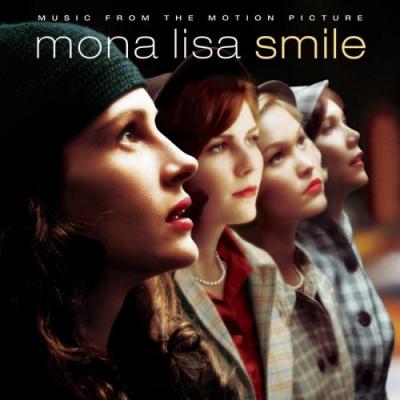
Mona Lisa Smile Album Cover

"Mona Lisa Smile" Soundtrack Lyrics

Movie • 2003

Track Listing


"Mona Lisa Smile (Music from the Motion Picture)" – Album Guide to Tracks and Key Scenes

Mona Lisa Smile trailer frame of Wellesley students walking past red-brick halls in 1953
’50s standards reimagined by 2000s stars — a curated time warp for a Wellesley winter.

Overview

Can a soundtrack be both a period piece and a pop compilation? This one is — a 1953-set campus drama scored with freshly cut versions of mid-century standards by contemporary names. The film follows an art-history professor prodding Wellesley students out of prescribed lives; the album mirrors that tension by polishing familiar tunes until they feel new.

The sequence plays like a semester: arrival (overture of elegance and restraint), adaptation (cozy standards slide into sharper choices), rebellion (brassier cuts, sly rhythm), collapse and renewal (a modern original ballad folds back into vintage style). The curation favors intimacy — small combos, close-mic vocals — over big-band bombast, so the songs can sit under dialogue without crowding it.

Genres & themes by phase: torch-pop and croon = tradition and propriety; lounge swing = flirting with the rules; playful novelties = social performance; a new original ballad = here-and-now voice. According to label listings, the album gathers performances by Seal, Tori Amos, Céline Dion, Elton John, Macy Gray, Mandy Moore, Alison Krauss, Chris Isaak, and the Trevor Horn Orchestra.

How It Was Made

Music by Rachel Portman in the film’s score; the commercial album is a songs compilation produced and assembled by Trevor Horn. The brief: re-record era-appropriate repertoire with 2003 artists and a tight, radio-clear mix. Executive music production came via the studio’s soundtrack arm; the compilation issued on Epic/Sony Music Soundtrax in late November 2003 with 15 cuts running ~48 minutes. As per industry credits, Horn supervised the sessions (including the Trevor Horn Orchestra cues), while Portman’s orchestral material appears on album only as a short “Suite.”

Trailer frame: Julia Roberts in lecture hall as the soundtrack leans on polished standards
Method: modern fidelity, mid-century repertoire. It fits the film’s polished, collegiate surfaces.

Tracks & Scenes

Placements reflect the theatrical cut; micro-timings vary by release. Selections, not the full tracklist.

"Mona Lisa" — Seal
Where it plays: Titles/early montage and promotional use; the velvet croon glides over dorm move-ins and Wellesley establishing shots.
Why it matters: Title-to-title symmetry — the Nat King Cole classic reframed with modern sheen sets the album’s mission statement.

"You Belong to Me" — Tori Amos
Where it plays: A genteel social sequence and transitional interiors: teacups, sidelined glances, the sense of a role being performed.
Why it matters: The lyric flips from romantic claim to cultural pressure; Amos’s phrasing underlines the double edge.

"Bewitched" — Céline Dion
Where it plays: Soft-focus corridor moments and study-lamp vignettes; non-diegetic cushion under conversations about expectation vs. desire.
Why it matters: A poised standard that keeps the period gloss intact while the story complicates it.

"The Heart of Every Girl" — Elton John
Where it plays: Late-film/credits axis, functioning as an original summation rather than a scene driver.
Why it matters: New song in a covers album — a present-tense voice written for the film’s theme, later a major awards nominee.

"Santa Baby" — Macy Gray
Where it plays: Faculty-party seasonality and shop-window exteriors; brass and wink intact.
Why it matters: The most playful needle-drop; it scores the film’s consumer-surface critique with a grin.

"'Murder,' He Says" — Tori Amos
Where it plays: A busier mid-section montage and social shuffle — bright, sly, and quick on its feet.
Why it matters: Turns a novelty song into narrative tempo — you feel the calendar speed up.

"Bésame Mucho" — Chris Isaak
Where it plays: Dance-floor slow scene; jittery romance steadies into cheek-to-cheek comfort.
Why it matters: A crooner with modern mic-craft sells period romance without museum glass.

"Secret Love" — Mandy Moore
Where it plays: A wedding-adjacent passage and post-proposal jitters; the arrangement keeps to light swing and brushed kit.
Why it matters: The lyric sits on the edge between private aspiration and public role-playing — precisely the film’s question.

"What’ll I Do" — Alison Krauss
Where it plays: Quiet fallout after a confrontation; strings and soft vocal leave space for close-ups.
Why it matters: The album’s gentlest cut; it lets consequences land.

"Istanbul (Not Constantinople)" — The Trevor Horn Orchestra
Where it plays: A buzzing campus collage; the novelty snap syncs to schedule changes and bulletin-board chatter.
Why it matters: Rhythm as scene glue — a sonic map of a busy college week.

Also in the film (not album selections): choral and source cues tied to campus life (e.g., Mendelssohn’s “Lift Thine Eyes” with the Wellesley College Chamber Singers), period radio, and brief diegetic snatches at parties.

Trailer montage: dorm corridors, turntables, and winter formal – the album’s social spaces
Cafeteria clatter to winter formal — songs slide between foreground and wallpaper.

Notes & Trivia

  • The album is a curated covers set with one new original (“The Heart of Every Girl”); Portman’s orchestral “Suite” is the sole score piece included.
  • According to Apple/retailer listings, the package clocks 15 tracks, ~48 minutes, and credits multiple labels and the Trevor Horn Orchestra.
  • IMDB’s cue sheet lists additional on-screen music (college choir, hymns, and source pieces) not on the commercial CD.
  • In interviews, Trevor Horn has described cutting fresh versions of late-40s/early-50s repertoire with contemporary singers for this film.

Music–Story Links

Polite standards mirror campus decorum; sly novelties poke holes in it. When characters lean into prescribed roles, ballads bathe them in warmth; when they question those roles, rhythm perks up and the arrangements turn spry. The end choice — staying within or stepping past expectation — lands over a new song, making the argument current rather than nostalgic.

Reception & Quotes

The film drew mixed reviews, but the album’s concept — modern voices, classic repertoire — earned steady praise as an easy-play listen. The original Elton John/Taupin song picked up major award attention.

“A tasteful salon of mid-century favorites updated without losing the perfume.”
— soundtrack round-up
“Horn’s production polishes the glass until the reflections feel present-tense.”
— compilation note
End-card trailer frame: winter at Wellesley, echoing the album’s closing mood
Credits drift out on an original ballad — period frame, modern authorship.

Interesting Facts

  • UK charts: the OST peaked in the 20s on Official Soundtrack Albums.
  • The album threads multiple label copyrights on one disc — common on curated cover sets.
  • Promo CDs of Rachel Portman’s full score circulated “For Your Consideration,” but a wide score-only release never materialized.
  • Marketing featured a cover of the title song “Mona Lisa,” tying the film’s name to its Nat King Cole lineage.
  • Trailer music also used contemporary pop not found on the album (typical practice for the era).

Technical Info

  • Title: Mona Lisa Smile (Music from the Motion Picture)
  • Year/Label: 2003 — Epic/Sony Music Soundtrax (U.S. release late Nov 2003)
  • Producers: Trevor Horn (compilation/recordings); film score by Rachel Portman
  • Selected placements (album cuts): Seal “Mona Lisa”; Tori Amos “You Belong to Me”; Céline Dion “Bewitched”; Elton John “The Heart of Every Girl”; Macy Gray “Santa Baby”; Tori Amos “’Murder,’ He Says”; Chris Isaak “Bésame Mucho”; Mandy Moore “Secret Love”; Alison Krauss “What’ll I Do”; The Trevor Horn Orchestra “Istanbul (Not Constantinople)”
  • Awards: “The Heart of Every Girl” — Golden Globe nomination (Best Original Song)
  • Availability: Widely streaming; physical CD in multiple territories

Questions & Answers

Is this a score album or a songs compilation?
Songs compilation. One short score “Suite” appears; the rest are newly recorded standards by contemporary artists.
Who produced the album sessions?
Trevor Horn supervised/produced the covers; Rachel Portman composed the film’s orchestral score.
Which track is original to the film?
Elton John’s “The Heart of Every Girl,” written with Bernie Taupin, recorded for this soundtrack.
Are on-screen choral/classical pieces on the CD?
Most are not. The commercial album focuses on the pop/jazz selections.
Did the album chart?
Yes — it reached the UK Official Soundtrack Albums chart top 30.

Canonical Entities & Relations

SubjectVerbObjectNotes
Mike NewelldirectedMona Lisa Smile (2003)Feature film
Rachel PortmancomposedOriginal scoreOscar-winning composer (earlier work)
Trevor HornproducedSong compilation & orchestra sessionsSupervised the covers
Epic / Sony Music SoundtraxreleasedMona Lisa Smile OST (CD/digital)Late Nov 2003
Elton John & Bernie Taupinwrote“The Heart of Every Girl”Original song; Globe-nominated
Sealperformed“Mona Lisa”Album opener
Tori Amosperformed“You Belong to Me”; “’Murder,’ He Says”Two cuts on album
Céline Dionperformed“Bewitched”Standard cover
Macy Grayperformed“Santa Baby”Seasonal placement
Mandy Mooreperformed“Secret Love”Period favorite
Alison Kraussperformed“What’ll I Do”Ballad
Chris Isaakperformed“Bésame Mucho”Slow-dance cue

Sources: Apple Music album page (title, artists, runtime); Spotify listing (artists/availability); Discogs (credits: Trevor Horn, execs; track metadata); IMDb Soundtracks (additional in-film cues); Golden Globes records (song nomination); interviews with Trevor Horn (production approach); official trailers (figures).

November, 16th 2025


A-Z Lyrics Universe

Lyrics / song texts are property and copyright of their owners and provided for educational purposes only.