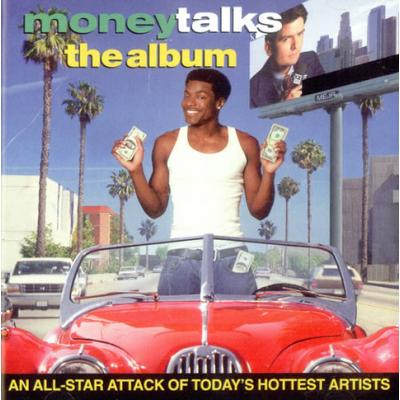
"Money Talks" Soundtrack Lyrics
Movie • 1997
Track Listing
ReFugee Camp All-Stars f/ Prazwell, Ky-Mani
Barry White and Faith Evans
Puff Daddy f/ Black Rob, Kelly Price
Mary J. Blige
Lil' Kim f/ Andrea Martin, Lil' Cease, Trife
Next f/ Naughty By Nature
SWV
Angie Stone and Devox
Brand Nubian
Me'shell Ndegeocello
Mase
Deborah Cox
James, Rick f/ Jermaine Dupri, Lil' Cease
Lisa Stansfield
Barry White
"Money Talks — The Album (Original Motion Picture Soundtrack)" – Album Guide to Tracks and Key Scenes
Overview
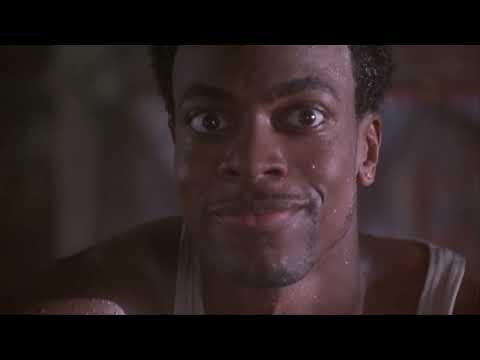
What happens when a motor-mouth hustler outruns both cops and crooks? The movie leans on propulsion. The soundtrack answers with late-’90s radio muscle — Bad Boy sheen, R&B velvet, and a few vintage soul needle-drops — while the score throws in sly, urban-funk fingerprints.
Arrival → adaptation → rebellion → collapse: the album follows Franklin Hatchett’s chaos curve. Glossy singles set the pace, mid-film cues swagger through escapes and double-crosses, and old-school soul lands the jokes with a wink. The film’s sonic split — compilation bangers plus an orchestral/funk score — keeps scenes fast but legible.
Genre map: hip-hop (confidence, momentum), contemporary R&B (charm, relief), classic soul/disco (comic contrast), score funk (streetwise stealth). According to chart and label records, the Arista release peaked #37 on the Billboard 200, #6 on Top R&B/Hip-Hop Albums, and later went RIAA Gold.
How It Was Made
Brett Ratner’s feature debut pairs a star-stacked Various Artists album with an original score by Lalo Schifrin. The songs set — branded on disc as Money Talks: The Album — arrived August 12, 1997 on Arista, executive-produced by Clive Davis with Ratner and Chris Tucker. Producer credits read like a ’97 roll-call: Sean “Puffy” Combs, D-Dot, Timbaland, Organized Noize, Jermaine Dupri, KayGee, Russell Elevado, and more. Singles spun out across the year: Ma$e’s “Feel So Good,” Refugee Camp All-Stars’ “Avenues,” Lisa Stansfield’s “The Real Thing,” Deborah Cox’s “Things Just Ain’t the Same,” Mary J. Blige’s “A Dream,” and Angie Stone’s “Everyday.”
Schifrin’s score (funk-rhythm section + brass + street-groove touches) plays hit-and-run: short cues that set up gags, car-wash capers, and news-van chases. While the commercial CD is a VA compilation, cue titles from archival posts and collectors confirm an unreleased score suite circulating among fans.

Tracks & Scenes
Placements reflect the wide release; micro-timings vary by edition. Selections below (not a full tracklist).
"You’re the First, the Last, My Everything" — Barry White
Where it plays: Opening car-wash hustle with Franklin (Chris Tucker) crooning along — a comic, diegetic flex before everything explodes.
Why it matters: Sets character tone in one swoop: bravado, charm, and a soundtrack wink that keeps returning.
"Avenues" — Refugee Camp All-Stars feat. Pras & Ky-Mani Marley
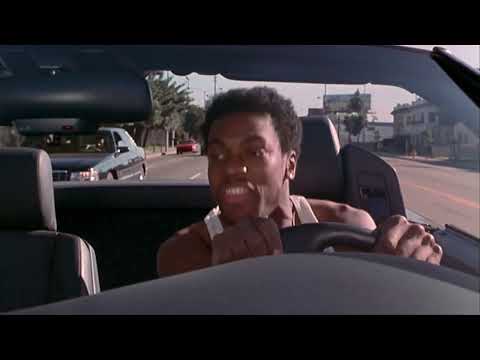
Where it plays: Urban-drive montage/marketing cut; street-pulse groove under cash-and-chaos imagery.
Why it matters: One of the album’s signature radio hooks; frames Franklin’s hustle against a 1997 soundscape.
"Feel So Good" — Ma$e
Where it plays: End-credits/promotional use; the Bad Boy gloss matches the film’s money-flash imagery.
Why it matters: Lead single that pushed the album into mainstream rotation beyond the film.
"A Dream" — Mary J. Blige
Where it plays: Reflective mid-film breather between pursuits; non-diegetic cushion under regroup beats.
Why it matters: Soul ballast — lets the comedy breathe.
"Money Talks" — Lil’ Kim & Andrea Martin (prod. Timbaland)
Where it plays: Club/party energy bridge; crisp syncopations under cutaways to plotting and posturing.
Why it matters: Title-track attitude distilled.
"Everyday" — Angie Stone (feat. backing from Mary J. Blige)
Where it plays: Tender relief beat near the late going; a reset as the diamond tangle clarifies.
Why it matters: Seed track that helped launch Stone’s Arista era; the most classic-soul moment on the disc.
"Things Just Ain’t the Same" — Deborah Cox
Where it plays: Romance-tinted interlude and credit-package rotations.
Why it matters: R&B single with chart life of its own (built on Stylistics DNA).
"The Real Thing" — Lisa Stansfield
Where it plays: Smooth mid-film montage / soundtrack single spin; non-diegetic polish.
Why it matters: European hit folded into the U.S. compilation to broaden radio reach.
"Back in You Again" — Rick James & Lil’ Cease
Where it plays: Mischief-charged party connective; vintage funk gene-spliced with ’90s rap cameos.
Why it matters: Bridges eras in one track — a microcosm of the album’s design.
Also heard in the film (not on the album): "If You Want Me to Stay" — Sly & the Family Stone (source cue placement that didn’t make the CD).
Notes & Trivia
- Album release: August 12, 1997 (Arista). Runtime ~64:26 on standard CD.
- Chart stats: Billboard 200 peak #37; Top R&B/Hip-Hop Albums #6; RIAA Gold (Dec 19, 1997).
- Singles campaign ran long: “The Real Thing” (March 1997), “Things Just Ain’t the Same” (June 1997), “Feel So Good” (Oct 1997), with others following.
- Score by Lalo Schifrin; no commercial score-only album — cues circulate via broadcast rips/bootlegs among collectors.
- One prominent film cue not on the disc: Sly & the Family Stone’s “If You Want Me to Stay.”
Music–Story Links
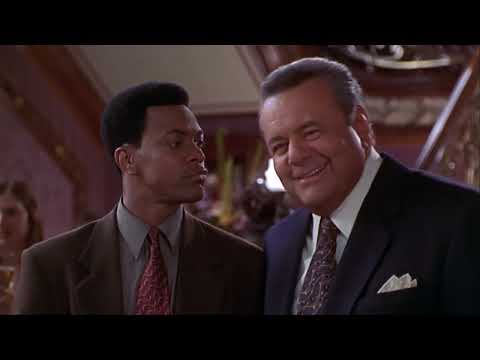
Barry White’s opening needle-drop tells you who Franklin is before he speaks — smooth talk backed by a classic groove. The hip-hop singles take over once the plot starts sprinting, turning getaways and scams into music-video-clean momentum. When the script needs air, R&B ballads take the wheel. Schifrin’s funk stingers connect these worlds, cueing the next reversal without stepping on the hooks.
Reception & Quotes
Reviewers split on the film but agreed the soundtrack played like a ’97 time capsule — smart sequencing, radio-ready, and easy to spin on its own. Trade blurbs pointed out the unusual number of singles serviced off one movie album.
“A confident ride through Bad Boy gloss and retro-soul charm.”
— compilation round-up
“Schifrin’s cues slip in like a grin — just enough funk to glue the chases.”
— film-music note
Interesting Facts
- “Feel So Good” samples Kool & the Gang’s “Hollywood Swinging” and interpolates Miami Sound Machine’s “Bad Boy.”
- Angie Stone’s “Everyday” on this album helped secure her U.S. Arista deal before Black Diamond.
- Lisa Stansfield’s “The Real Thing” reached UK #9 earlier in 1997; its inclusion broadened the OST’s international footprint.
- Executive producers include Clive Davis, Brett Ratner, and Chris Tucker — uncommon star/EP pairing for a soundtrack then.
- Collectors note multiple studios across NY, LA, Atlanta credited in the liner notes — a true mosaic production.
Technical Info
- Album: Money Talks — The Album (Arista, Aug 12, 1997)
- Film: Money Talks (1997) — dir. Brett Ratner
- Score: Lalo Schifrin (funk-inflected action/comedy cues)
- Key placements (selection): Barry White “You’re the First, the Last, My Everything” (opening, diegetic); Refugee Camp All-Stars “Avenues” (drive/marketing); Ma$e “Feel So Good” (credits/promo); Mary J. Blige “A Dream” (breather); Lil’ Kim “Money Talks” (club/party); Angie Stone “Everyday” (late-film reset); Deborah Cox “Things Just Ain’t the Same” (montage/credits); Lisa Stansfield “The Real Thing” (montage/single)
- Chart/certification: US #37 (Billboard 200); #6 (Top R&B/Hip-Hop); RIAA Gold
- Not on album but in film: Sly & the Family Stone “If You Want Me to Stay”
- Label credits (highlights): Puffy/D-Dot, Timbaland, Organized Noize, Jermaine Dupri, KayGee, Russell Elevado (producers)
Questions & Answers
- Who composed the original score?
- Lalo Schifrin. His cues add a sly funk/jazz pulse between the big needle-drops.
- Did the album chart?
- Yes — #37 (Billboard 200) and #6 (Top R&B/Hip-Hop), later certified Gold in the U.S.
- Which tracks were pushed as singles?
- Among others: Ma$e “Feel So Good” (Oct 14, 1997), Refugee Camp All-Stars “Avenues,” Lisa Stansfield “The Real Thing” (Mar 10, 1997), Deborah Cox “Things Just Ain’t the Same” (Jun 3, 1997).
- Is every song in the movie on the CD?
- No. For example, Sly & the Family Stone’s “If You Want Me to Stay” is in the film but not on the commercial album.
- Is there a score-only release?
- No official wide release; the retail disc is a Various Artists compilation.
Canonical Entities & Relations
| Subject | Relation | Object | Notes |
|---|---|---|---|
| Money Talks (1997) | directed by | Brett Ratner | Feature debut |
| Money Talks — The Album | released by | Arista Records | Aug 12, 1997 |
| Lalo Schifrin | composed | Original score | Funk-inflected action/comedy cues |
| Ma$e | performed | “Feel So Good” | Lead single; also on Harlem World |
| Refugee Camp All-Stars | performed | “Avenues” | feat. Pras & Ky-Mani Marley |
| Mary J. Blige | performed | “A Dream” | Rodney Jerkins production |
| Deborah Cox | performed | “Things Just Ain’t the Same” | Single, 1997 |
| Lisa Stansfield | performed | “The Real Thing” | UK Top 10, added to OST |
| Barry White | performed | “You’re the First, the Last, My Everything” | Diegetic opening gag |
| Sly & the Family Stone | performed | “If You Want Me to Stay” | In film; not on CD |
Sources: Wikipedia (film & soundtrack pages); Discogs release/master; Apple Music & Spotify album listings; AllMusic credits; IMDb Soundtracks (on-screen cues); news/label notes on chart peaks & RIAA; Angie Stone & Deborah Cox single histories; official trailers and scene clips.
November, 16th 2025
A-Z Lyrics Universe
Cynthia Erivo Popular
Ariana Grande Horsepower
Post Malone Ain't No Love in Oklahoma
Luke Combs Good Riddance (Time of Your Life)
Green Day Bye Bye Bye
*NSYNC You're the One That I Wan
John Travolta & Olivia Newton-John I Always Wanted a Brother
Braelyn Rankins, Theo Somolu, Kelvin Harrison Jr. and Aaron Pierre The Power of Love
Frankie Goes to Hollywood Beyond
Auli’i Cravalho feat. Rachel House MORE ›