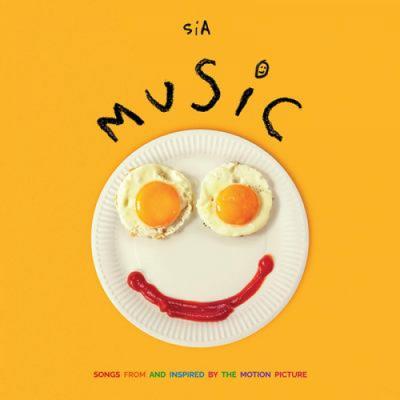
"Music" Soundtrack Lyrics
Movie • 2021
Track Listing
Sia
Sia
Sia
Sia
Sia
Sia
Sia
Sia
Sia
Sia
Sia
Labrinth
Sia
"Music – Songs from and Inspired by the Motion Picture" – Album Guide to Tracks and Key Scenes
Overview
How do you judge a soundtrack that outclasses the movie it belongs to? With Music – Songs from and Inspired by the Motion Picture, Sia’s pop instincts clash with one of the most controversial film projects of the 2020s, and the songs end up doing a lot of emotional heavy lifting that the script struggles with.
The film Music follows Zu, a newly sober drug dealer who suddenly becomes guardian to her non-verbal autistic half-sister, Music. Between tense apartment scenes, drug deals and neighbourly interventions, the story keeps cutting to pastel-coloured fantasy numbers where Music “sees” the world as choreographed pop visions. The album gathers five of those film songs alongside extra tracks written in the same emotional register, so it plays like a compressed version of the movie’s inner monologue: big feelings, simple slogans, very little subtlety.
On screen, Kate Hudson, Leslie Odom Jr. and Maddie Ziegler perform Sia’s songs in neon dreamscapes – wigs, glitter, hard cuts – while the real-world plot stays grounded in cramped rooms and messy arguments. On record, Sia takes most of those vocals back. You lose the visual spectacle but gain polish: stacked harmonies, careful compression, and the familiar Sia dynamic of fragile verses exploding into arena choruses. The result is a pop album that can stand on its own even if you never sit through the film.
The narrative arc is clear in the sequencing. Early tracks lean into bright, chantable optimism (“Together”, “Hey Boy”), then drift into more anxious mid-tempo songs (“Saved My Life”, “Eye to Eye”, “Insecure”), before landing on slower, quasi-spiritual pieces (“Courage to Change”, “Beautiful Things Can Happen”). Stylistically, glossy pop stands for defiant hope; tropical and dancehall touches add swagger and denial; ballads confess the damage underneath; and the more electronic or spacey textures (“Floating Through Space”) sketch the dissociative, daydreaming side of the characters.
How It Was Made
Sia originally conceived Music as a straight drama. Only later did she agree to turn it into a full-blown musical, writing ten original songs that could double as standalone pop tracks and as staging points for fantasy sequences inside Music’s imagination. When the budget jumped, the logic was simple: the studio could offset risk with an album that would live far beyond the film’s box office window.
The album itself – Sia’s ninth studio record – arrived on 12 February 2021 through Monkey Puzzle and Atlantic, in lockstep with the film’s wider release. Half of the ten film songs appear here in Sia’s own versions (“Together”, “Music”, “1+1”, “Beautiful Things Can Happen”, “Courage to Change”), while others on the record (“Saved My Life”, “Floating Through Space”, “Play Dumb” and more) are “inspired by” additions rather than screen cues and never surface in the movie proper.
Production is split between Sia’s long-time collaborators. Jack Antonoff co-writes and produces “Together” and helps set the maximalist, drum-heavy template. Greg Kurstin, Jesse Shatkin, Labrinth, David Guetta and others build the remaining tracks, keeping everything in Sia’s familiar lane: booming drums, piano skeletons, stacked choirs, and foregrounded lead vocals. From interviews and credits, you can see how tightly Sia controlled the pipeline – writing the songs, directing their staging on set, then reclaiming them in the studio as her own recordings.
On the film side, Craig DeLeon provides the underscore, while the musical numbers were choreographed and shot back in 2017, years before the album actually dropped. In practice, the songs function as a bridge between three different products: the movie itself, a never-released cast recording with Hudson/Odom/Ziegler, and the final Sia-fronted studio album that most listeners actually know.
Tracks & Scenes
Below are key songs as they function in (or around) the film. Time stamps are approximate when reported; otherwise placement is described in relation to story beats rather than exact clock times.
“Oh Body” — Maddie Ziegler (film) / Sia (demo lineage)
Where it plays: The first major musical number, erupting out of Music’s early meltdown when Zu fails to braid her hair. The film cuts from a cramped apartment and sensory overload to a super-saturated maze set where Ziegler, in a blonde wig, threads through dancers and flashing shapes. It plays early in the film, effectively replacing dialogue with choreography to show how chaotic a simple morning can feel inside Music’s head. Non-diegetic – no one in the “real” scene is literally hearing it.
Why it matters: The song sets the visual and emotional vocabulary for all later numbers: pastel worlds, aggressive editing, big beats standing in for complex emotions. It also firmly centres Music’s perspective, even if the depiction of autism has rightly been criticised.
“Best Friend (You and Me for Life)” — Maddie Ziegler (film)
Where it plays: One of the early fantasy interludes built around companionship and routine. The film shifts from Music’s silent, repetitive behaviours in the apartment complex to a candy-coloured stage where she dances through gestures of friendship and mirroring. The number runs for roughly a full verse–chorus cycle before snapping back to everyday life. Entirely non-diegetic, framed as internal imagery rather than performance for an audience in the story world.
Why it matters: It visualises Music’s reliance on predictable patterns and familiar people, turning what looks like “stimming” from the outside into something bright and affectionate from the inside. It also foreshadows the surrogate-family bond with Zu and neighbour Ebo.
“1+1” — Kate Hudson / Sia (album single)
Where it plays: In the movie, “1+1” appears as a big Zu-centric number, with Hudson lip-syncing in a performance sequence released online as a standalone clip when the album came out. The scene abstracts Zu away from her debts and addictions into a hyper-stylised stage environment, full of choreographed ensemble moves and glossy lighting. It surfaces once the relationship with Ebo has started to thaw, roughly mid-film. The version on the album is Sia’s own vocal take.
Why it matters: As a lyric, it reduces Zu’s messy life into a simple idea – “you and me against the world” – and gives her a temporary sense of control. It is also one of the clearest attempts to sell a true pop single off the project, with a chorus built for radio and remix culture.
“Insecure” — Kate Hudson & Leslie Odom Jr. (film) / Sia-written
Where it plays: Framed as a duet between Zu and Ebo, this number appears as a fantasy sequence once their tentative intimacy starts to deepen but before either of them really trusts the arrangement. Visually, the film leans into swirling camera moves and bright colours again, cutting away from more grounded scenes of them negotiating child care and boundaries. Non-diegetic, staged as an inner conversation more than a literal performance.
Why it matters: The lyric’s direct talk about insecurity pushes further than the characters manage in spoken dialogue. It underlines a key theme: every adult in the film is faking competence, and music (lowercase) becomes the only space where they voice that fear.
“Music (Apartment Duet)” — Kate Hudson & Leslie Odom Jr.
Where it plays: As the subtitle suggests, this duet is set in and around Zu’s small apartment. The film crosscuts between mundane tasks – preparing breakfast, navigating narrow hallways, caring for Music – and a heightened version of the same space drenched in stylised light where Zu and Ebo move in sync. The number arrives after they have settled into a fragile routine, so it functions as a snapshot of earned domestic calm. Again, the song itself is non-diegetic but tightly anchored to specific physical spaces.
Why it matters: It’s one of the few musical moments that genuinely marries form and content: the choreography mirrors the choreography of daily care work, and the melody gives that labour a sense of grace the script sometimes denies it.
“Beautiful Things Can Happen” — Leslie Odom Jr. (film) / Sia (album)
Where it plays: In the film this becomes Ebo’s showcase, staged as a fantasy sequence that externalises his grief over a marriage that ended when his wife left him for his brother. The number drifts away from the apartment block into an abstract, almost weightless setting built around Odom’s vocal performance. It lands around the point where he confides his backstory to Zu in dialogue scenes, effectively opening a window into his inner life.
Why it matters: The song’s title and refrain insist on optimism, but Odom’s delivery keeps a crack of pain in every line. On the album Sia’s version smooths that out into something more general; in the film it’s a specific lament, and arguably one of the few emotionally coherent musical passages.
“Mountains” — Kate Hudson & Leslie Odom Jr.
Where it plays: Adapted from the LSD track Sia made with Diplo and Labrinth, “Mountains” is repurposed as a duet for Zu and Ebo. Visually and thematically it sits among the later fantasy numbers, portraying obstacles as literal mountains to be climbed in stylised choreography. The song can be read as Ebo and Zu’s mutual acknowledgement that loving Music – and each other – will be difficult but worthwhile. Entirely non-diegetic, operating as heightened metaphor.
Why it matters: It’s a neat meta-joke: a pre-existing Sia collaboration, allegedly written with the film in mind, finally returns “home” on screen. It also deepens the sense that the soundtrack and Sia’s wider discography bleed into one continuous songbook.
“Together” — Sia (album & trailers)
Where it plays: Used both in marketing and in the film’s final scene, “Together” scores the closing domestic montage: Zu, Ebo and Music preparing breakfast, brackets of normality around an otherwise chaotic story. As the support dog Felix arranged arrives, the film leans back into the song’s big hook and candy-coloured video aesthetic, echoing imagery from earlier numbers. In the movie it functions partly diegetically through the characters’ lip-sync, partly as a classic end-title uplift.
Why it matters: This is the project’s mission statement – love, community, “we can do anything together” – boiled down to a stadium chant. It also frames the film’s ending as uncomplicatedly triumphant in a way that many critics, and many autistic viewers, found unconvincing.
“Courage to Change” — Sia
Where it plays: Over the closing credits, once the story proper has ended. The track is not tied to a specific diegetic moment; instead it addresses the audience directly with its questions about whether one person’s courage can trigger collective change. In practical terms it’s the last thing a viewer hears after a film that has sparked intense debate about representation and harm.
Why it matters: As a single, it aims for universal, activist uplift. In the context of Music, the title and message carry an almost uncomfortable double meaning: the film itself became a case study in how calls for change can ring hollow if you ignore the people you claim to champion.
Trailer & non-album cues
Where they play: The main trailers lean heavily on “Together” and, in later spots, on snippets of “Hey Boy”, using their hooks over montage rather than tying them to specific story scenes. Some instrumental underscore by Craig DeLeon fills in quieter dramatic stretches but never appears on Sia’s album.
Why it matters: Marketing pushed the feel-good side of the music far more than the film’s darker plot threads, creating a tonal mismatch that many viewers only discovered after buying tickets or rentals.
Notes & Trivia
- Only five of Sia’s ten film songs appear on the studio album in her own voice; the rest exist mainly as cast performances in the movie’s mix.
- A full cast soundtrack featuring Hudson, Odom and Ziegler was planned but never released, leaving fans to hunt down isolated film audio and promotional clips.
- “Mountains” started life as an LSD single with Labrinth and Diplo and was later adapted as a duet for the film’s characters.
- The album was nominated for an ARIA Award for Best Original Soundtrack even while the film was collecting Razzie attention.
- Several numbers – including “1+1” and “Music” – were rolled out as individual videos or clips months before most people could actually see the movie.
- The film’s musical scenes were shot in 2017, but the album and movie didn’t reach the public until 2021, after years of editing delays.
- Some international editions of the album add bonus tracks like “I’m Still Here” and a remix of “Together” not heard in the film.
Music–Story Links
Sia structures the album so that different musical moods mirror each character’s arc. Early, upbeat cuts like “Together” and “Hey Boy” underline Zu’s bravado – the loud, jokey persona she uses to mask addiction and debt. When we drop into Music’s fantasy numbers (“Oh Body”, “Best Friend”), the beat and colour saturation spike, signalling that we have left the literal plot and entered her sensory translation of events.
“Insecure” and “Beautiful Things Can Happen” belong primarily to Ebo. The former turns his and Zu’s hesitant, awkward flirtation into a slick duet, while the latter isolates him in a dreamlike space where he admits the pain of his lost marriage. You can almost track his willingness to commit scene by scene through these songs: the more open his melodies become, the more honest his spoken conversations grow.
For Zu, “1+1” and the “Music” duets function as fantasy edits of a life she does not yet have under control. In reality she is selling pills to survive; in the numbers she is coiffed, in sync with a partner, and literally bathed in flattering light. That split mirrors the album’s own double life: on record these are slick pop tunes; on screen they are desperate attempts by flawed adults to imagine a better future.
The closing pairing of “Together” and “Courage to Change” tries to fuse all those threads. First, the film insists on a happy domestic unit powered by collective care; then the credits song asks whether individual bravery can spark social transformation. Given the real-world backlash from autistic advocates, those same tracks now read as unintentional commentary on the gap between intention and impact.
Reception & Quotes
Critically, the album fared noticeably better than the film. Where the movie was widely condemned for its portrayal of autism, the soundtrack was usually described as competent, sometimes moving, Sia-pop with baggage attached.
One NME review called it “better than the movie” and framed the songs as strong but hard to separate from the controversy once you have seen the visuals. A Rolling Stone piece argued that the record maintains Sia’s craft level but lacks a defining hit that truly transcends the project. By contrast, an Associated Press review syndicated via multiple outlets described the soundtrack as “music to our ears”, emphasising how consistent and hooky the writing feels regardless of the film.
“Whatever your thoughts on the movie, there can be no argument about the music in it: it’s very, very good.” — AP / Mark Kennedy
“An accompaniment to her widely panned autism drama, this soundtrack album is a lot more competent.” — Nick Levine, NME
“Sia’sMusicalbum maintains a competent level of craft but lacks a big hit to pull it together.” — Rolling Stone summary
Fans generally split along similar lines. Pop listeners who already enjoy Sia’s catalogue often slot the singles alongside “Chandelier” and “Cheap Thrills” in playlists; many autistic viewers and allies, however, choose to boycott the package altogether because the songs are so tightly bound to images they find harmful. That tension – strong pop craft, deeply flawed cinematic context – is built into every chorus.
Interesting Facts
- Album timing: The record dropped the same week the film hit US VOD platforms, effectively turning negative film chatter into free publicity for the songs.
- Formats everywhere: Pressings exist on CD, vinyl and cassette, plus region-specific digital editions with extra tracks for markets like Japan and Europe.
- Label tag-team: Monkey Puzzle (Sia’s imprint) and Atlantic co-released the album, echoing their partnership on This Is Acting and other projects.
- Chart footprint: The album registered on several European album charts and appeared on specialist soundtrack listings, even without a blockbuster film push.
- Singles pipeline: “Together”, “Courage to Change”, “Hey Boy” and the David Guetta collaboration “Floating Through Space” all worked as standalone pop singles with their own videos.
- Remix ecology: “Hey Boy” gained a high-profile Burna Boy feature and remix EP, and “1+1” spawned multiple Banx & Ranx remixes with different guest vocalists.
- Cross-project reuse: “Mountains” ties the Music universe back to LSD’s earlier album, reinforcing the sense that Sia’s film was built out of her larger artistic toolbox.
- Absent score album: Craig DeLeon’s non-song film score never received its own commercial release, leaving the Sia album as the de facto soundtrack.
- Awards contrast: In the same awards cycle that brought the album an ARIA nomination, the film itself collected several Razzie “wins”.
- Listening without watching: Because the most controversial restraint scenes do not feature these songs, some listeners consciously keep the album separate from the film entirely.
Technical Info
- Title: Music – Songs from and Inspired by the Motion Picture
- Year: 2021
- Type: Studio album / soundtrack companion to the film Music (2021)
- Primary artist: Sia (lead vocals and principal songwriter)
- Key film performers: Kate Hudson, Leslie Odom Jr., Maddie Ziegler (on-screen versions of several songs)
- Composers / writers: Sia Furler with collaborators including Jack Antonoff, Greg Kurstin, Jesse Shatkin, Labrinth, David Guetta, Dua Lipa, Pink (Alecia Moore) and others across different tracks
- Score composer (film): Craig DeLeon
- Record labels: Monkey Puzzle Records and Atlantic Records
- Release date: 12 February 2021 (most territories, aligned with the film’s general release window)
- Recording context: Sessions spread over several years, with key work at The Ribcage (Los Angeles), Conway Recording (Los Angeles) and Electric Lady Studios (New York), overlapping the film’s 2017 shoot.
- Album–film overlap: Five songs serve double duty in the film and on the album (“Together”, “Music”, “1+1”, “Beautiful Things Can Happen”, “Courage to Change”).
- Availability: Widely available on streaming platforms, digital stores and physical formats (CD, vinyl, cassette), with some territory-specific editions carrying bonus tracks.
- Awards & nominations: Nominated for the 2021 ARIA Award for Best Original Soundtrack, Cast or Show Album; no major US soundtrack awards, but repeatedly highlighted in coverage that contrasted it with the film’s negative reviews.
Questions & Answers
- Do I need to watch the film Music to enjoy this album?
- No. The record works as a self-contained Sia pop album. Knowing the plot adds context, but the hooks, production and themes are clear without the visuals.
- Which songs from the album actually appear in the movie?
- “Together”, “Music”, “1+1”, “Beautiful Things Can Happen” and “Courage to Change” show up in the film (usually in cast-performed versions), alongside other numbers that never appear on the album.
- Is there an official cast recording with Kate Hudson and Leslie Odom Jr.?
- No full cast album has been released. Only a few film clips and individual promo videos with Hudson or Odom surfaced; the rest of their performances live only inside the movie.
- Why did the soundtrack get better reviews than the film?
- Most reviewers agreed that Sia’s songwriting and production are solid, familiar pop craft, whereas the film’s script, direction and depiction of autism drew heavy, often justified criticism.
- Where can I listen to Music – Songs from and Inspired by the Motion Picture today?
- It is available on major streaming services, digital download stores and in physical formats through Monkey Puzzle and Atlantic’s distribution, including various international editions.
Canonical Entities & Relations
| Subject | Verb | Object | Category |
|---|---|---|---|
| Sia Furler | writes and performs | Music – Songs from and Inspired by the Motion Picture | Person → MusicAlbum |
| Sia Furler | directs and co-writes | film Music (2021) | Person → Movie |
| Kate Hudson | performs songs in | film Music (numbers like “1+1”, “Music”) | Person → Movie |
| Leslie Odom Jr. | performs | “Beautiful Things Can Happen” and duets such as “Music (Apartment Duet)” | Person → MusicRecording |
| Maddie Ziegler | performs and dances in | fantasy numbers depicting Music’s inner world | Person → Movie |
| Craig DeLeon | composes | original score for the film Music | Person → CreativeWork |
| Monkey Puzzle Records | releases | Music – Songs from and Inspired by the Motion Picture | Organization → MusicAlbum |
| Atlantic Records | co-releases | Music – Songs from and Inspired by the Motion Picture | Organization → MusicAlbum |
| Music – Songs from and Inspired by the Motion Picture | serves as companion to | film Music (2021) | MusicAlbum → Movie |
| Conway Recording Studios, Los Angeles | hosts sessions for | tracks such as “Together” | Place → MusicRecording |
| Electric Lady Studios, New York City | hosts sessions for | parts of the album’s recording | Place → MusicAlbum |
Sources: Wikipedia (film & album entries); Sia Wiki; NME; Rolling Stone; AP / Mark Kennedy review; MusicTalkers; Discogs; MusicBrainz; official label materials and press releases.
November, 16th 2025
A-Z Lyrics Universe
Cynthia Erivo Popular
Ariana Grande Horsepower
Post Malone Ain't No Love in Oklahoma
Luke Combs Good Riddance (Time of Your Life)
Green Day Bye Bye Bye
*NSYNC You're the One That I Wan
John Travolta & Olivia Newton-John I Always Wanted a Brother
Braelyn Rankins, Theo Somolu, Kelvin Harrison Jr. and Aaron Pierre The Power of Love
Frankie Goes to Hollywood Beyond
Auli’i Cravalho feat. Rachel House MORE ›