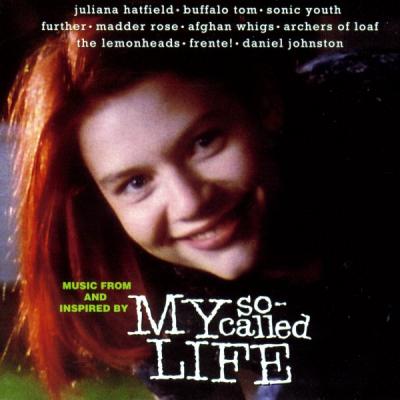
"My So-called Life" Soundtrack Lyrics
TV • 1995
Track Listing
Juliana Hatfield
Buffalo Tom
Sonic Youth
Further
Madder Rose
Afghan Whigs
Archers Of Loaf
The Lemonheads
Frente!
Daniel Johnston
Animalbag
Divinyls
Jawbox
The Cranberries
Bettie Serveert
Grateful Dead
Enigma
TLC
Jordan Catalano
Elvis Presley
Shelley Fabares
Toad the Wet Sprocket
Juliana Hatfield
The Lemonheads
Juliana Hatfield
Urge Overkill
Sunscreem
Haddaway
Billy Pilgrim
Buffalo Tom
The Ramones
Sesame Street
Violent Femmes
Live
"My So-Called Life (Music From The Television Series)" – Album Guide to Tracks and Key Scenes
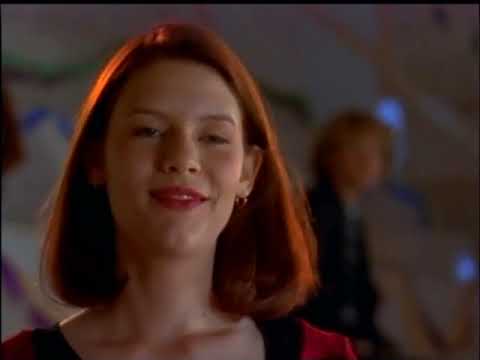
Overview
What does it sound like when a whole TV show is basically one long diary entry? For My So-Called Life (Music From The Television Series), the answer is guitars, reverb and a constant low-level ache that never quite resolves.
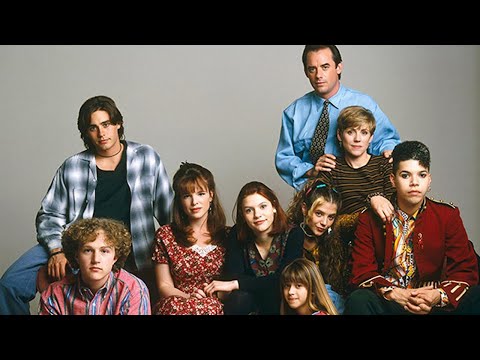
The 1994–95 series follows 15-year-old Angela Chase at Liberty High School in Three Rivers, Pennsylvania — new friends Rayanne and Rickie, old friend Sharon, perpetual almost-boyfriend Jordan Catalano, and parents Patty and Graham trying to understand who she’s becoming. The soundtrack album, released in early 1995, bottles that single season into a 35-minute time capsule of alt-rock, college radio and brittle ballads. It’s less a sampler of “hit songs from the show” and more a curated mixtape from Angela’s locker, threaded with the show’s theme by W.G. Snuffy Walden.
Across the season, music traces an emotional arc that feels like arrival → adaptation → rebellion → collapse. In the pilot and early episodes, songs like R.E.M.’s “Everybody Hurts,” Animalbag’s “Everybody” and the Cranberries’ “Dreams” arrive with Angela’s red hair and new crowd, giving sound to that first stumble into a different self. As she adapts — fumbling through parties, crushes and family drama — grungy guitars and indie bands (Jawbox, Bettie Serveert, the Grateful Dead, the Lemonheads) sketch out her new map of the world. By mid-season, rebellion kicks in: Afghan Whigs, Sonic Youth and Ramones cues underline hangovers, bad decisions and messy gigs. Finally, in episodes like “So-Called Angels” and “Betrayal,” the music sits inside the collapse — Juliana Hatfield, Inner Voices choir, Violent Femmes — and then nudges her towards something like perspective.
Stylistically the album and the show move through phases. Shoegaze-leaning indie and college rock (Buffalo Tom, Sonic Youth, Archers of Loaf) carry Angela’s inner monologue. Cleaner, jangly alternative and pop (the Lemonheads, Frente!, Billy Pilgrim) trace friendships and slow reconciliations. Older songs and standards — Elvis Presley’s “Blue Moon,” Shelley Fabares’ “Johnny Angel,” seasonal carols — act like ghosts of an earlier teen culture haunting the ’90s kids. Over all of it sits Walden’s theme: a guitar-driven surge that sounds like someone whispering “Go. Now. Go.” and then shoving you out the front door of childhood.
How It Was Made
Behind the scenes, music on My So-Called Life was treated as part of the writing. Show creator Winnie Holzman and producers Marshall Herskovitz and Edward Zwick hired W.G. Snuffy Walden to compose the theme and score, and gave music a structural role: cues often enter where Angela’s voice-over might otherwise go, commenting on what she can’t say out loud. A longform essay on the series notes that Walden literally built the theme around Rayanne’s words “Go. Now. Go,” then pushed it into noisier, distorted territory to capture “electrified teen angst.”
According to the MSCL.com music guide, Walden and director Scott Winant would sit with final cuts of episodes and audition songs against picture, dropping in Animalbag, R.E.M., the Cranberries and others scene by scene. When they couldn’t find something that matched, Walden wrote a new instrumental cue instead, tailor-made for a particular hallway, bedroom or fight.
The official soundtrack album — My So-Called Life (Music From The Television Series) — arrived 24 January 1995 via Atlantic/Mammoth Records on CD and cassette. It pulled together the Walden theme plus a selection of songs either used in the series or clearly in its orbit: Juliana Hatfield, Buffalo Tom, Sonic Youth, Further, Madder Rose, Afghan Whigs, Frente!, the Lemonheads, Daniel Johnston and others. A companion “bible” page on MSCL.com describes it as an “alternative-flavored” collection that channels the show’s mix of grunge, indie and singer-songwriters more than mainstream pop.
Tracks & Scenes
Below are key songs and sequences — in some cases from the album, in others only from particular episodes — with a focus on how they play inside the show.
“My So-Called Life Theme” — W.G. Snuffy Walden
Where it plays: Over the opening credits of every episode, and often in instrumental fragments during big Angela moments. Guitars, drums and a wordless “whoa-oh” vocal cut over grainy footage of lockers, cafeterias and blurred faces. In “Dancing in the Dark,” a variation drops in when Angela twirls on her front lawn after kissing Jordan, bells and guitar arpeggios falling like rain over her spinning silhouette.
Why it matters: It’s the show’s thesis in 30 seconds: restless, slightly messy, still weirdly hopeful. The motif ties everything together, so when you hear just a couple of notes under a scene, you instantly know it’s about Angela’s inner shift, not just the surface action.
“Everybody” — Animalbag
Where it plays: Pilot episode, at Tino’s party. Angela, Rayanne and Rickie elbow through a too-crowded house, lights low, people yelling over the music. The song blares diegetically from cheap speakers as Angela spots Jordan against a wall and tries to look like she belongs there, not like a kid who snuck out of the house.
Why it matters: This is Angela’s arrival at the edge of a new life. The noisy alternative rock and the crush of bodies sell that first, breathless “I’m not in middle school anymore” feeling.
“I Touch Myself” — Divinyls
Where it plays: Also in the pilot. Angela ends up alone with Jordan on the couch while the TV flickers in front of them. The sound is down but the “I Touch Myself” video is clearly visible. Angela pretends not to stare at either the screen or Jordan; the camera holds on her face as she realises what the song is about.
Why it matters: The track is technically non-diegetic for us (we don’t hear it), but its presence on-screen makes the subtext text. It underlines the series’ frankness about female desire without spelling anything out in dialogue.
“Everybody Hurts” — R.E.M.
Where it plays: End of the pilot. Angela walks home from the club, exhilaration fading. She spots her father at the end of the street arguing with a woman who is not her mother. As she realises what she’s seeing, the song rises on the soundtrack. Slow motion, headlights, and Michael Stipe’s voice carry her back into the house and the episode out to black.
Why it matters: A Hazlitt essay calls this one of the most important needle-drops in ’90s TV: it turns a so-called “teen show” into a story about a whole family’s quiet despair. The song’s plainspoken lyrics map almost too well onto Angela’s age and shock.
“Cruel Swing” — Jawbox
Where it plays: Early in episode 2, “Dancing in the Dark,” in Jordan’s car. He offers Angela a ride, the interior lit by dashboard glow and passing streetlights. The song pounds out of the car stereo while he leans across her to pull the door shut and she tries to make a joke that lands.
Why it matters: It’s a brief moment that shows Jordan’s world as louder and rougher than Angela’s bedroom playlists, and it sonically marks the boundary she’s desperate to cross.
“Dreams” — The Cranberries
Where it plays: Episode 3, “Guns and Gossip.” Angela is in her room when Patty walks in; the song plays quietly as background, not a big montage. They talk over it about homework and rumours, the music sitting there like a poster on the wall turned into sound.
Why it matters: The lyric about life changing every day mirrors Angela’s voice-over preoccupations and quietly positions her alongside the alt-rock heroines she idolises.
“Palomine” — Bettie Serveert
Where it plays: Episode 4, “Father Figures.” Angela and Rayanne score Grateful Dead tickets from Graham; they bounce around, hugging him and each other. “Palomine” plays as a kind of indie-rock endorsement of this uneasy alliance between Angela’s old and new lives.
Why it matters: The track’s off-kilter sweetness captures how awkward but thrilling it is when a parent unexpectedly “gets” you for a minute.
“Althea” — Grateful Dead
Where it plays: Same episode. Graham is up on the roof fixing shingles, listening to “Althea” while he works. Angela and Rayanne’s excitement over the Dead passes directly through him — the song links his past to Rayanne’s present and Angela’s confusion about both.
Why it matters: It’s the show’s best use of generational rock: a track that is Dad music to Angela but lifeblood to Rayanne and her mom, forcing Angela to see her father as a person with his own history.
“Return to Innocence” — Enigma
Where it plays: Episode 5, “The Zit.” At the end of the school fashion show, Angela watches her mother and sister walk the runway. The new-age track swells up over the applause and Angela’s voice-over about beauty and self-acceptance.
Why it matters: Its earnest lyrics and chant samples could have played as cheesy, but here they underline the show’s willingness to let Angela’s yearning for “innocence” be both sincere and complicated.
“What About Your Friends?” — TLC
Where it plays: Episode 6, “The Substitute,” in English class just before Vic Racine appears. Students whisper, pass notes and half-listen to the track leaking from someone’s headphones or a tinny classroom radio.
Why it matters: It’s a tiny, diegetic moment that still manages to underline one of the series’ core questions: who actually has your back when things go sideways?
“Red” — Jordan Catalano (Jared Leto)
Where it plays: Episode 7, “Why Jordan Can’t Read.” In the school’s darkened museum space, Jordan plays his song “Red” for Angela, sitting on a low platform with an acoustic guitar and mumbled confidence. The lyrics describe a “she” who keeps him safe; Angela is convinced it’s about her. The camera stays close on her face and hands, then cuts to Rickie later touching her hair and echoing the word “Red.”
Why it matters: As one longform piece argues, this may be the show’s defining music moment: a ballad that’s actually about Jordan’s car but plays as an anthem to Angela’s wishful thinking. It’s both deeply romantic and a bit cruel.
“Soda Jerk” — Buffalo Tom
Where it plays: First in episode 8, “Strangers in the House,” on the school hallway PA and then, more importantly, in episode 12, “Self-Esteem,” when Buffalo Tom appear as themselves at the Pike Street club. The band play onstage while Angela and her friends push through the crowd; the camera occasionally cuts to Jordan watching from the shadows.
Why it matters: On the album it’s the big, hooky alt-rock anchor. In the series it marks Buffalo Tom as the house band of Angela’s heartbreaks and reconciliations.
“Blue Moon” — Elvis Presley
Where it plays: Episode 9, “Halloween.” Angela drifts through a half-haunted Liberty High, seeing glimpses of doomed ’50s rebel Nicky Driscoll. “Blue Moon” floats in from the gym and corridors as Nicky approaches his own death in a flashback, turning the school into a ghost of teenage tragedies past.
Why it matters: The old standard folds Angela’s moody ’90s adolescence into a longer history of lonely kids leaning on songs late at night.
“Johnny Angel” — Shelley Fabares
Where it plays: Same episode, in the gym during the retro-themed decorations and flashback sequences. The sugary pop cut contrasts with Angela’s darker fantasies and Rayanne’s chaos.
Why it matters: It’s the “good girl” fantasy theme the show subtly rejects in favour of Angela’s messier reality.
“Fall Down” — Toad the Wet Sprocket
Where it plays: Episode 10, “Other People’s Mothers.” It blasts at a party at Rayanne’s place as the night tilts from fun to ugly. Angela wanders through rooms of older kids, drugs and half-supervised chaos while the track plays almost too loud to think.
Why it matters: The lyric about everything falling down foreshadows Rayanne’s near-fatal overdose and Angela’s first clear view of the damage behind her friend’s bravado.
“Spin the Bottle” — The Juliana Hatfield Three
Where it plays: Same episode, as Rayanne and Angela prepare for the party and then again during the build-up to Rayanne’s spiral. Guitars scratch; the song never fully resolves into a feel-good chorus on screen.
Why it matters: Hatfield’s third-wave-feminist edge gives the episode a sharper angle on gender and risk than a generic party song would have.
“Down About It” and “A Dame With a Rod” — The Lemonheads / Juliana Hatfield
Where they play: Both are heard at Rayanne’s party in episode 10, “Other People’s Mothers,” cycling through the background as kids drink, flirt and push limits. By the time “A Dame With a Rod” hits, the room is hot, crowded and slightly mean.
Why they matter: Together they sketch the sonic world of mid-’90s college kids that Angela is trying to crash, and which almost eats Rayanne alive.
“South Carolina,” “Dawn Can’t Decide,” “Dropout,” “Pressure,” “What Is Love?”, “Try” — Archers of Loaf, the Lemonheads, Urge Overkill, Sunscreem, Haddaway, Billy Pilgrim
Where they play: Episode 11, “Life of Brian,” at the World Happiness Dance. One by one these songs score different phases of an awkward school event: background chatter, early dancing, couples pairing off, and finally Rickie and Delia’s breakout moment to “What Is Love?” where they take over the floor and everyone circles them.
Why they matter: This episode is practically a miniature music festival. Each track pushes a different character beat — Brian’s loneliness, Delia’s hope, Rickie’s moment of joy, Angela’s confusion watching Jordan’s choices.
“Fountain and Fairfax” & “Late at Night” — The Afghan Whigs / Buffalo Tom
Where they play: Episode 12, “Self-Esteem.” At the Vertigo club, the Afghan Whigs grind through “Fountain and Fairfax” in the background as Rayanne edges towards relapse. Later, Buffalo Tom’s “Late at Night” becomes the emotional spine of the episode as Angela confronts Jordan and he finally takes her hand in the hallway while the band play onstage.
Why they matter: “Late at Night” becomes Jordan’s voice, narrating his inability to deal with his feelings even as he makes a public gesture. The two songs together track the episode’s themes of addiction, shame and the risk of being seen.
“I Wanna Be Sedated” — Ramones
Where it plays: Episode 14, “On the Wagon.” Frozen Embryos get a gig at Vertigo, with Rayanne fronting the band. She and her mom rehearse “I Wanna Be Sedated” in front of the mirror, then Rayanne crashes onstage, starting strong and then falling apart as nerves and unresolved addiction issues take over.
Why it matters: The song’s frantic lyrics match Rayanne’s own itch for self-obliteration; it’s the wrong song for her if sobriety is the goal, which is exactly the point.
“Sesame Street Theme” — Rayanne (a cappella)
Where it plays: Also in “On the Wagon.” Before things go fully wrong, Rayanne sings a jazzy, half-ironic version of the “Sesame Street” theme, riffing on childhood simplicity in a club full of jaded teens and adults.
Why it matters: It underlines how much of Rayanne’s persona is still a child’s need for safety dressed up as chaos.
“Make It Home” & “I Feel Like Going Home” — Juliana Hatfield / Inner Voices choir
Where they play: Episode 15, “So-Called Angels.” Hatfield appears in-character as a mysterious street kid who may or may not be an angel, singing “Make It Home” in the snow as Rickie drifts through the city after being kicked out. In the church climax, the Inner Voices choir sing “I Feel Like Going Home” as Patty opens her arms to Rickie and he finally lets himself accept a place to stay.
Why they matter: These pieces anchor one of TV’s most quietly radical Christmas episodes — about homelessness, queer youth and chosen family — without tipping into easy sentimentality.
“Silent Night,” “Home for the Holidays,” “Away in a Manger” — traditional carols
Where they play: Also in “So-Called Angels,” as background music and church performance. They weave through scenes of literal and emotional cold, contrasting with the more contemporary Christmas songs on other ’90s teen shows.
Why they matter: They place Rickie’s story in a very old narrative of “no room at the inn,” but change the ending.
“Blister in the Sun” — Violent Femmes
Where it plays: Episode 17, “Betrayal.” The morning after Angela decides she is finally over Jordan, she wakes up, smiles into her pillow and explodes into a solo dance in her bedroom and hallway. “Blister in the Sun” blares non-diegetically as she lip-syncs and spins, pulling her own private music video.
Why it matters: A critic described this as the show’s “ode to joy.” It’s the first time a rock song scores Angela’s freedom from a boy rather than her longing for him.
“Genetic” — Sonic Youth
Where it plays: Same episode, at Louie’s bar. Rayanne and Jordan hang out, drink and flirt in a scene that will later blow up Angela’s trust. “Genetic” churns in the background, all feedback and half-buried melody.
Why it matters: The song’s murky mood perfectly fits the episode’s moral grey area; nothing happening is fully forgivable, but nothing is simple either.
“I Alone” — Live & “The Book Song” — Frente!
Where they play: Episode 18, “Weekend.” “I Alone” shows up in Patty and Graham’s bedroom, contrasting their adult turmoil with Angela’s teen drama. Later “The Book Song” plays in Angela’s bedroom as she processes yet another round of misunderstanding and half-truths.
Why they matter: They stretch the show’s musical palette beyond strictly teen-marketed bands, emphasizing that everyone in this story is stuck inside their own emotional soundtrack.
Album-only tracks: “Drop a Bomb” — Madder Rose; “Come See Me Tonight” — Daniel Johnston; “Petty Core” — Further
Where they play: These cuts are not heard on-screen but appear on the official album, rounding out its alt-rock and lo-fi profile. They feel like the B-side version of Angela’s world — songs you imagine on dubbed tapes passed around lockers.
Why they matter: They confirm that the album is not just a souvenir but a standalone ’90s indie compilation that fits comfortably next to other Mammoth/Atlantic releases.
Notes & Trivia
- The series uses both diegetic and non-diegetic music in unusually complex ways for ’90s network TV — sometimes we see a video with no sound, sometimes we hear a song no character notices.
- Buffalo Tom physically appear in “Self-Esteem,” performing “Soda Jerk” and “Late at Night” onstage, effectively playing the house band for Angela’s most humiliating and triumphant moments.
- Juliana Hatfield’s Christmas-episode role folds the real indie singer into the show’s universe as a possibly supernatural figure busking outside a department store.
- Jordan Catalano’s “Red” never made it onto the official album; fans share rips of the scene as if it were a lost Jared Leto single.
- The MSCL.com music page preserves a scene-by-scene list of every song used, because the official soundtrack only covers a slice of what aired.
- The Walden theme gets its own life outside the show on radio and compilation discs; it’s often tagged simply as “Theme From My So-Called Life.”
- Mammoth Records’ roster already included Juliana Hatfield and Frente!, making them natural picks when Atlantic and Mammoth co-issued the soundtrack.
- Some songs (like “Everybody Hurts” and “Blister in the Sun”) became so welded to their scenes that many fans now struggle to hear them without seeing specific shots in their heads.
Music–Story Links
The soundtrack doesn’t just decorate scenes; it tracks Angela’s evolving sense of herself. In the pilot, Animalbag’s “Everybody” and R.E.M.’s “Everybody Hurts” bracket her first night out with Rayanne. One song plays the thrill of leaving childhood behind; the other scores the moment she realises adulthood is full of pain she can’t fix, including her parents’ marriage.
Jordan’s arc is practically written in tracks. “Cruel Swing” and other car songs mark how much of his world exists just outside adult supervision. “Red” gives him a voice that Angela misreads, while “Genetic” shadows his worst choice with Rayanne. Later, “Late at Night” lets Buffalo Tom sing the apology he can’t articulate when he publically takes Angela’s hand.
Rayanne’s music is swinging between high and crash: “Everybody” at the first party, the Garcial Dead connection she shares with her mom in “Father Figures,” the ecstatic build of “Fall Down,” and the disastrous “I Wanna Be Sedated” performance. Each cue maps directly onto her addiction story — from the buzz of being the wild friend to the black hole she falls into.
Rickie gets some of the most poignant musical beats. “What Is Love?” transforms him from sideline wallflower to centre-circle dancer at the World Happiness Dance, while “Make It Home” and “I Feel Like Going Home” literally give him somewhere to belong. The combination of pop, club and choral music mirrors his movement from marginalised kid to someone the community finally claims.
Across the season, older songs — Elvis’s “Blue Moon,” Shelley Fabares’ “Johnny Angel,” Christmas carols — serve as reminders that these “new” problems of teen identity and heartbreak aren’t new at all. They connect Angela’s so-called life to earlier generations’ so-called lives, while the album’s mid-’90s alt-rock core keeps the focus firmly on her particular moment in the culture.
Reception & Quotes
The show itself was acclaimed but short-lived, cancelled after one season yet later canonised as one of the best teen dramas ever produced. Retrospectives emphasise its use of music as one of the reasons it still feels current; writers point to the way songs “speak” when Angela doesn’t, and how carefully the tracks avoid then-trendy mall-pop in favour of college radio and underground acts.
A Popdose “Soundtrack Saturday” breakdown calls the album “a well-chosen compilation” that captures the ’90s teen-angst experience on record, noting that it includes both key show cues and a few songs that never aired but fit the vibe. Reviews aggregated via auction listings mention “engaging bubble-grunge” from the Lemonheads and Madder Rose, and “unrequited-love yearnings” from Juliana Hatfield and Daniel Johnston.
In fan communities, the music is often what people lead with. Forum threads trade episode titles for song names (“the ‘Blister in the Sun’ dance,” “the ‘Make It Home’ Christmas episode”) and argue about which tracks should have made a hypothetical second volume. For many viewers, rediscovering the show via streaming has meant re-discovering bands like Archers of Loaf, Jawbox or Afghan Whigs they first heard in the Liberty High corridors.
“One element I’ve always loved is how music is integral to so many episodes — I can’t imagine anything but ‘Everybody Hurts’ at the end of the pilot.” — Popdose TV soundtrack column
“The soundtrack album only scratches the surface of the music that made this show feel so painfully real.” — fan commentary paraphrased from MSCL.com discussions
“A well-chosen compilation of college radio favourites… held together by a mood of emotional edginess.” — summary of ’90s contemporary review quoted in sales blurbs
Interesting Facts
- The soundtrack album runs just under 35 minutes and fits on a single CD or cassette, but the full series uses several dozen songs across 19 episodes.
- MSCL was one of the first TV shows to spark an organised online fan campaign to avoid cancellation; its music listings were also early examples of fans building detailed episode-by-episode song guides.
- Buffalo Tom’s “Sodajerk” and “Late at Night” both come from their album Big Red Letter Day, whose opening track later became strongly associated with the show in press write-ups.
- Sonic Youth’s “Genetic” appears on the soundtrack and briefly in “Betrayal,” giving the band a prominent placement in a mainstream teen drama without compromising their noise-rock edge.
- Daniel Johnston’s “Come See Me Tonight” is an album-only inclusion, but it fits Angela’s lonely, slightly offbeat vibe so well that many listeners assume it plays in an episode.
- Mammoth Records, which handled many of the featured artists, later cited the My So-Called Life soundtrack alongside films like The Crow and Reality Bites as part of its high-profile ’90s sync history.
- Walden’s theme uses a vocal sample that essentially rephrases Rayanne’s “Go. Now. Go.” into music, turning a line of dialogue into the series’ sonic brand.
- Because of rights issues, some early DVD and streaming versions in different territories have minor song substitutions, but the core cues like “Everybody Hurts,” “Late at Night” and “Make It Home” remain intact.
- Claire Danes has mentioned in later interviews that the show’s mix of poetry and music gave her a way to process adolescence while she was still living it.
- The soundtrack’s mixture of established acts (R.E.M., Sonic Youth) and smaller bands matches the show’s theme of ordinary kids brushing up against larger cultural forces.
Technical Info
- Title: My So-Called Life (Music From The Television Series)
- Associated work: TV series My So-Called Life (ABC, 1994–1995), created by Winnie Holzman
- Year of album release: 1995 (CD/cassette release dated 24 January 1995)
- Type: Various-artists television soundtrack (song compilation including the main theme)
- Label(s): Atlantic / Mammoth Records (co-branded release)
- Format: CD and audio cassette (one disc/tape, approx. 34:54 runtime)
- Primary genres: Alternative rock, college rock, indie, lo-fi singer-songwriter, TV score
- Recurring artists in series: Buffalo Tom, Juliana Hatfield, The Juliana Hatfield Three, Sonic Youth, Afghan Whigs, Frente!, the Lemonheads, Buffalo Tom, Daniel Johnston, W.G. Snuffy Walden
- Key on-screen placements: Pilot party and street scene (“Everybody,” “I Touch Myself,” “Everybody Hurts”); “Guns and Gossip” bedroom scene (“Dreams”); “Father Figures” roof and ticket hand-off (“Palomine,” “Althea”); school fashion show (“Return to Innocence”); Jordan’s museum performance (“Red”); World Happiness Dance medley (“South Carolina,” “Dawn Can’t Decide,” “Dropout,” “Pressure,” “What Is Love?”, “Try”); Vertigo club (“Fountain and Fairfax,” “Late at Night,” “I Wanna Be Sedated”); Christmas episode street and church scenes (“Make It Home,” “I Feel Like Going Home”); Angela’s “over Jordan” dance (“Blister in the Sun”).
- Theme and score: Composed by W.G. Snuffy Walden, with variations used as underscoring throughout the season.
- Music supervision / selection: Episode music chosen collaboratively by director Scott Winant and W.G. Snuffy Walden, with clear input from producers and network regarding licensing.
- Availability: Original CD is long out of print but widely available second-hand; the album and most tracks can be streamed on major platforms, typically under variations of the full title.
- Critical summary: Frequently described in reviews and sales notes as a tightly curated alt-rock snapshot of mid-’90s teen culture, rather than a generic TV tie-in.
Questions & Answers
- Does the soundtrack album include every song used in the series?
- No. It collects the theme and a selection of prominent alt-rock and lo-fi cuts, but many episode-specific placements — especially older standards and some club tracks — remain off-album.
- Where can I hear Jordan Catalano’s song “Red”?
- There’s no official studio release; you hear it in full only in the episode “Why Jordan Can’t Read.” Fan uploads of the scene circulate online, usually labelled as a Jared Leto performance.
- Is W.G. Snuffy Walden’s theme the same version on the album and in the show?
- The album presents a full “Theme From My So-Called Life” cut. In episodes you hear shorter edits and rearranged fragments, but they’re recognisably the same composition.
- How important are Buffalo Tom to the show’s sound?
- Very. They supply multiple key songs, appear on screen in the Pike Street club, and their tracks “Soda Jerk” and “Late at Night” effectively score the turning point of Angela and Jordan’s relationship.
- Can I stream the soundtrack legally today?
- Yes. The compilation is available on major services under its full title, and almost all of the featured songs also exist on the artists’ own albums and best-of collections.
Canonical Entities & Relations
| Subject | Relation | Object |
|---|---|---|
| Winnie Holzman | created | TV series My So-Called Life (1994–1995) |
| Marshall Herskovitz & Edward Zwick | produced | My So-Called Life through The Bedford Falls Company |
| W.G. Snuffy Walden | composed | “My So-Called Life” Theme and series score |
| Atlantic / Mammoth Records | released | My So-Called Life (Music From The Television Series) on CD and cassette |
| Claire Danes | portrays | Angela Chase, central character and narrator |
| Jared Leto | portrays | Jordan Catalano, who performs the song “Red” in the series |
| Juliana Hatfield | contributes | songs “Spin the Bottle,” “A Dame With a Rod,” “Make It Home,” and appears in “So-Called Angels” |
| Buffalo Tom | perform | “Soda Jerk” and “Late at Night,” including an on-screen club appearance |
| Sonic Youth | contribute | track “Genetic” to the soundtrack and episode “Betrayal” |
| Violent Femmes | perform | “Blister in the Sun,” used for Angela’s bedroom dance in “Betrayal” |
| R.E.M. | perform | “Everybody Hurts,” heard at the end of the pilot episode |
| The Afghan Whigs | perform | “Fountain and Fairfax,” heard at the Vertigo club in “Self-Esteem” |
| Frente! | perform | “The Book Song,” included on the soundtrack and used in episode 18 |
| The Lemonheads | perform | “Down About It” and “Dawn Can’t Decide,” used at party and dance sequences |
| Daniel Johnston | contributes | “Come See Me Tonight,” included on the album but not in any episode |
| ABC | broadcast | My So-Called Life during its original 1994–1995 run |
| MSCL.com | documents | episode-by-episode music listings and soundtrack information as a long-running fan site |
Sources: MSCL.com episode music guide and soundtrack notes; My So-Called Life Wiki (Fandom) soundtrack entry; Discogs and retail listings for My So-Called Life (Music From The Television Series); IMDb series and soundtrack pages; Hazlitt feature “Everybody Hurts: The Soundtrack of My So-Called Life”; Popdose “Soundtrack Saturday Rewind: My So-Called Life”; Mammoth Records history; Buffalo Tom discography notes; contemporary and resale-era review snippets aggregated in product descriptions; various artist discographies and streaming album pages.
November, 16th 2025
A-Z Lyrics Universe
Cynthia Erivo Popular
Ariana Grande Horsepower
Post Malone Ain't No Love in Oklahoma
Luke Combs Good Riddance (Time of Your Life)
Green Day Bye Bye Bye
*NSYNC You're the One That I Wan
John Travolta & Olivia Newton-John I Always Wanted a Brother
Braelyn Rankins, Theo Somolu, Kelvin Harrison Jr. and Aaron Pierre The Power of Love
Frankie Goes to Hollywood Beyond
Auli’i Cravalho feat. Rachel House MORE ›