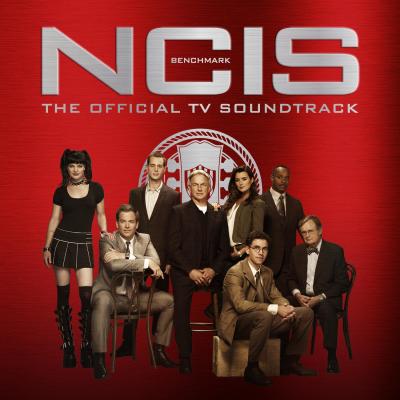
"NCIS" Soundtrack Lyrics
TV • 2009
Track Listing
Blue October
Dashboard Confessional
Saving Abel
Jakob Dylan
John Mellencamp
Oasis
Bob Dylan
Will Dailey
Sharon Little
Keaton Simons
Cote De Pablo / Ziva David
Ministry
Seether
Perry Farrell
Skold vs. KMFDM
The Airborne Toxic Event
Nitzer Ebb
Pauley Perrette / Stop Making Friends
Android Lust
Collide
Solamingus
"NCIS: The Official TV Soundtrack" – Album Guide to Tracks and Key Scenes
Overview
What happens when a crime procedural lets the songs help write the cases instead of just decorating them after the fact? NCIS: The Official TV Soundtrack (2009) is that experiment, frozen on disc.
The album is a two-disc, 22-track set built around music for seasons 3–7 of NCIS, with a heavy focus on season 6’s run of mythology episodes. It splits into two clear personalities: Disc 1, “Special Agent”, is the field team’s world — alt-rock, Americana, singer-songwriter cuts that live over desert roads, interrogation rooms, and melancholy end tags. Disc 2, “Abby’s Lab”, comes from the goth lab in the basement: industrial, EBM, dark electronica and heavy rock that blast out of Abby’s speakers while forensic breakthroughs happen.
The soundtrack is unusual in one key way: many of its tracks were given to the writers while scripts were still being shaped, not after the episodes were locked. Songs by artists ranging from Perry Farrell and Jakob Dylan to Blue October and John Mellencamp became prompts — emotional anchors that shaped scenes like Ziva singing “Temptation” in a Moroccan bar, or Gibbs and Tony driving into the Arizona desert.
It is also a rare TV album where the cast is literally on the record. Pauley Perrette (as Stop Making Friends) contributes the brooding “Fear”, which underscores the climactic runway sequence in “Aliyah”. Cote de Pablo’s full performance of Tom Waits’ “Temptation” extends the Season 6 opener’s undercover bar scene into a complete torch-song. Around them sit Dylan, Oasis, Dashboard Confessional, Saving Abel, Nitzer Ebb, Seether, Android Lust and more, plus Numeriklab’s full NCIS theme and a Ministry remix.
Stylistically, the record moves in phases that mirror the show’s emotional arc. Heartland rock and singer-songwriter material map to loyalty, guilt, and second chances; British rock and 2000s alt-radio cuts signal swagger and undercover play; industrial and electro in “Abby’s Lab” underline obsession, isolation, and the show’s love of technology. Taken front to back, it feels less like a random compilation and more like a season-length mood board for Gibbs’ team — arrival, uneasy adaptation, moral rebellion, and emotional fallout.
How It Was Made
Behind the scenes, the NCIS music team took a very deliberate, almost film-music approach. CBS Records revived its in-house label and commissioned a specially produced soundtrack instead of merely sweeping up previously released cues. Producer Tom Polce worked alongside CBS Records and the series producers, helping to curate and shape recordings for specific storylines.
According to an Associated Press feature, the production team sourced roughly fifty candidate songs in advance and handed them to writers and directors while stories for Season 6 were still outlines, not finished scripts. One of the music producers described the goal as getting material in “as early as possible” so writers could literally write to the tracks rather than pasting them on in post. Another producer explained that this prevented songs from becoming “an afterthought” and allowed sequences to be staged, lit, and edited around the music rather than fighting it.
Disc 1 was built around tracks intended to live inside the narrative — songs that would sit over establishing shots, travel sequences, undercover work and emotional resolutions. Disc 2 was tailored to Abby Sciuto’s lab, with the show leaning into her canonically eclectic taste to justify harder industrial and electronic cuts. Bands like Collide, Android Lust, Nitzer Ebb and Seether were placed directly in lab scenes; the writers knew in advance which songs would blast from Abby’s speakers, so those moments could be written with that pulse in mind.
Numeriklab’s full NCIS theme appears for the first time in commercial form on this album, alongside a remix by Ministry that was cut specifically for the “Abby’s Lab” disc. Brian Kirk’s score cues “Aliyah” and “Ziva Betrayed” were created for the finale and later bundled with the score-focused companion album, but the 2009 set is where the fusion of pop songs, cast performances and theme music first crystallized.
Tracks & Scenes
This album ties very precisely to individual NCIS episodes, especially across Season 6. Below are some of the most important placements and how they play on screen.
“Temptation” — Cote de Pablo
Where it plays: Season 6, Episode 1 — “Last Man Standing”. Cold open. In a smoky bar in Morocco, Ziva works undercover as a lounge singer. She prowls the room in a backless dress, circling tables and flirting her way through the Tom Waits song while a target watches from the crowd. The camera luxuriates in the performance, then follows her glance toward a suspicious woman leaving just before an explosion rips through the bar. The song is diegetic — Ziva is literally fronting the band — and cuts off with the blast.
Why it matters: This sequence announces the new season’s tone and Ziva’s dual life in one move. The full-length version on the soundtrack lets you sit in that sultry, compromised headspace without the distraction of the bomb.
“Fear” — Stop Making Friends (Pauley Perrette)
Where it plays: Season 6, Episode 25 — “Aliyah”. Late in the episode. As a C-130 transport lands in Tel Aviv with Gibbs, Tony, Vance and Ziva aboard, “Fear” swells in the background. The plane’s ramp lowers to reveal U.S. airmen carrying Michael Rivkin’s coffin into the Israeli night, while Mossad officers wait on the tarmac. The track plays non-diegetically over slow, tense shots of Ziva watching her past and present collide on the runway.
Why it matters: Sung by Abby’s actress under an alias, the song personalises the grief and betrayal driving the finale. It also bridges Abby’s goth-rock world and Ziva’s family trauma, showing how the soundtrack knits characters together across locations.
“Tomorrow Still Comes” — Will Dailey
Where it plays: Season 6, Episode 17 — “South By Southwest”. Mid-episode, as Gibbs and Tony drive through the Arizona desert to track down a woman tied to a murdered NCIS agent. The song comes in over wide exteriors of the highway and long, sun-bleached shots of their car kicking up dust. It functions non-diegetically, but the pacing of their banter and Gibbs’ quiet focus is cut to its relaxed, slightly hopeful groove.
Why it matters: The track turns what could have been a generic travel scene into a two-hander about trust and partnership. It softens Gibbs just enough, hinting that even in a murder case there is room for dry humour and stubborn optimism.
“I Don’t Want To Be On TV” — The Airborne Toxic Event
Where it plays: Season 6, Episode 15 — “Deliverance”. In Abby’s lab. The song blasts from her speakers while she dances around her workstations, giddy over a new forensic lead. Gibbs and Mike Franks walk in mid-groove; Abby turns down the volume and pivots straight into a concise info-dump on her latest discovery. The music is diegetic and tightly tied to the way her body moves in the scene.
Why it matters: The track sums up Abby’s contradictions: media-savvy but anti-celebrity, exuberant but deadly serious about the evidence. Hearing it in full on the album locks that version of her energy in place.
“Love Is Like” — SKOLD vs. KMFDM
Where it plays: Season 6, Episode 14 — “Bounce”. In Abby’s lab again, during a confrontation with Tony. The industrial groove pounds away on her stereo while she calls him out for not being “like Gibbs” — meaning he does not intuitively sense her breakthroughs. The track sits diegetically under their argument, its distorted beats and bass emphasising Abby’s frustration and the strain in Tony’s leadership.
Why it matters: It is one of the clearest examples of the producers using heavy industrial music as character commentary. The song’s grinding mechanics mirror Abby’s sense that she is doing all the emotional labour while Tony retreats into sarcasm.
“No Matter What” — Jakob Dylan
Where it plays: Season 6, Episode 21 — “Toxic”. Used around key beats of the episode focusing on a dangerous medical research facility and a scientist caught in a moral trap. The song plays non-diegetically over reflective moments, particularly as the team weighs guilt versus duty and the cost of whistleblowing.
Why it matters: Dylan’s understated performance anchors the show’s recurring question: how far do you go to do the right thing inside a rigid system? The lyrics, which the writers reportedly had early, colour the entire episode’s moral palette.
“No Shelter” — Seether
Where it plays: Season 6, Episode 18 — “Dead Reckoning”. The track underscores action and movement as Gibbs’ team is pushed into a high-risk operation with a recurring informant. It punches in over cuts of surveillance, weapons checks and tactical prep, more aggressive than most of the show’s usual cues.
Why it matters: The song’s title and sound both emphasise that the team has run out of safe options. On the album, it pairs neatly with “Nasty Little Perv” and “Promises” on the “Abby’s Lab” disc, forming a mini-suite of pressure-cooker cues.
“Nasty Little Perv” — Perry Farrell
Where it plays: Season 6, Episode 19 — “Knockout”. An opening sequence in a boxing-centric story. The song plays over a sweaty, kinetic teaser involving a boxer’s death and glimpses of Vance’s old life. It is non-diegetic but cut very tightly to the visuals: panning up bodies, gloves, ropes and the grim reveal in the ring.
Why it matters: Farrell’s track was cited by the producers themselves as an example of writing with the song in mind. The open feels like a music video that happens to set up a plot, not the other way around.
“Boy With The Blues” — Oasis
Where it plays: Season 6, Episode 22 — “Legend (Part 1)”. In the backdoor pilot for NCIS: Los Angeles, the song plays as G. Callen prepares to go undercover to meet an arms dealer. We see him transform quietly from the man we have met into his cover identity while the track rolls under the scene.
Why it matters: The placement gives Callen a melancholy, Brit-rock edge before his own series even launches. The soundtrack freezes that first impression, making “Boy With The Blues” feel like an unofficial theme for the character’s loneliness.
“Even Now” — Dashboard Confessional
Where it plays: Also “Legend (Part 1)”. After a tense conversation with Tony, Ziva meets Michael Rivkin at a café. “Even Now” plays over the scene as she slips into a more intimate, less guarded mode than we usually see at work. Exterior and interior shots of the café are cut to the song’s dynamics.
Why it matters: It musically telegraphs the emotional triangulation between Ziva, Tony and Rivkin. On the album, it sits a few tracks from “Temptation” and “Fear”, turning Ziva’s entire arc that season into a three-song cycle.
“Peppermint & Glue” — Sharon Little
Where it plays: Season 6, Episode 15 — “Love and War”. Heard during a café meet between Gibbs and Rebecca Jennings, the daughter of a murdered Army captain. The song is diegetic, floating from the café’s sound system as the two talk quietly about loss and expectations.
Why it matters: It is a softer, more intimate placement that allows Gibbs to momentarily drop his interrogation posture. The track reinforces the idea that some scenes in NCIS are about grief first, casework second.
“Kangaroo Cry” — Blue October
Where it plays: Season 7, Episode 10 — “Faith”. Used late in the episode during an emotional resolution involving family conflict at Christmas. It plays non-diegetically over reflective shots of the team and the characters they have helped, tying the case’s themes back to the holidays.
Why it matters: The song arrived on the album before its episode aired, so fans who bought the record early effectively got a preview of the coming emotional tone. That “soundtrack before script” loop is very deliberate here.
“NCIS Theme” — Numeriklab & “NCIS Theme (Remix)” — Ministry
Where it plays: The original theme runs over the main titles of the series; the album includes a full-length version beyond the TV edit. The Ministry remix lives on Disc 2, never used as a main title but occasionally referenced in promos and fan edits.
Why it matters: Having both versions in one place turns a 30-second signature sting into something you can actually live in. It also underlines how much of the show’s identity hangs on that slightly crunchy, rhythmic main riff.
Notes & Trivia
- The album is structured diegetically: Disc 2 is literally a playlist from Abby’s lab, mirroring the songs heard on her in-universe stereo.
- “Fear” is co-written by Pauley Perrette and Tom Polce; she records it under the alias Stop Making Friends rather than under her own name.
- Cote de Pablo initially resisted singing on the show, worrying it would “jump the shark”, but later agreed and cut the full “Temptation” performance for the album.
- Bob Dylan’s “Things Have Changed” appears here alongside later Dylan contributions on Volume 2, making the NCIS series a surprisingly strong Dylan showcase for a network procedural.
- Several tracks, like “Tomorrow Still Comes”, were new or little-known at release and gained wide recognition primarily through their NCIS placements.
- The NCIS theme on this album runs roughly 2:20, nearly five times longer than the standard broadcast opening sting.
- The MusicBrainz entry lists the album’s length at just over 81 minutes, fully filling a two-disc CD package.
Music–Story Links
The most interesting thing about this soundtrack is not the tracklist but the feedback loop between music and story.
In “Last Man Standing”, the writers knew early that they had Cote de Pablo’s “Temptation” performance. That allowed the opener to be built as a full nightclub sequence instead of a quick undercover beat. The song’s slinky tempo sets up a fantasy of control — Ziva in charge of the room — which the bomb instantly shatters. When you later hear the studio version on the album, that shock cut from music to explosion still echoes.
“Aliyah” flips the trick. Here, Pauley Perrette does not appear on screen at all, but her voice is the emotional lens for Ziva’s return to Israel. The non-diegetic placement of “Fear” over the runway scene hints that, even when Abby is absent, her perspective — anxious, fiercely loyal, slightly paranoid — still colours the team’s world. I read it almost as Abby’s remote empathy for Ziva.
Disc 2’s industrial and EBM cuts often underline Abby’s lab not just as a workplace but as a psychological refuge. “Love Is Like”, “Promises”, “Head Spin” and “Hole Solution” all help frame that room as a pressure cooker of intellect and anxiety. When Abby chews Tony out in “Bounce” with SKOLD vs. KMFDM grinding away in the background, the music suggests that she processes betrayal at the same volume she processes trace evidence.
The singer-songwriter and heartland rock tracks on Disc 1 often land on Gibbs-centric moral beats. Dylan’s “Things Have Changed”, Mellencamp’s “Troubled Land”, and Dylan’s son Jakob’s “No Matter What” all orbit characters trapped between past choices and present duty. When those cues slide in over highway shots or quiet conversations, they frame Gibbs as someone acutely aware of how little the world wants to change — but still trying.
The backdoor pilot “Legend” uses “Boy With The Blues” and “Even Now” as a pair of mirror tracks: Callen alone, building a cover identity, and Ziva caught between two men and two loyalties. Those musical choices seed the idea that the NCIS universe is bigger than one team while keeping the emotional tone consistent.
Reception & Quotes
The album performed respectably on release for a TV soundtrack. It entered the Billboard 200 and spent several weeks on the chart, peaking in the lower half but maintaining sales over multiple months. On the dedicated soundtrack chart it climbed into the top ten, reflecting strong demand among series fans rather than casual listeners.
Retail ratings (for example on major online stores) have hovered in the 4.5-star range over time, with many reviewers praising the mix of recognizable names and new discoveries. A typical fan reaction runs along the lines of “not just for NCIS fans — it’s a great alt-rock compilation that happens to come from a TV show.”
Critically, the most-noted aspect was the production method. As one AP report put it, the show obtained exclusive songs “as the shows were being crafted, and then [took] inspiration from those tunes to help craft the show.” That same piece quoted a producer saying the goal was to get material in early and avoid songs feeling like “an afterthought”.
Industry coverage also highlighted how unusual it was for a network procedural to premiere unreleased tracks from acts like Perry Farrell, John Mellencamp and Blue October in this way, effectively treating a CBS Tuesday-night drama like a cross between a music-driven teen soap and a film soundtrack project.
Availability today is straightforward: the album is still on major digital platforms (Apple Music, Spotify, YouTube Music) as well as on used and new physical CD. Some regions stream it as a single 22-track album; others preserve the “Special Agent” / “Abby’s Lab” disc split.
Interesting Facts
- The release uses the subtitle “Special Agent” for Disc 1 and “Abby’s Lab” for Disc 2, emphasizing the in-universe POV split.
- MusicBrainz lists CBS Records with catalog number CBSR022 for this album, tying it into the label’s short-lived mid-2000s revival.
- Some tracks, like “Tomorrow Still Comes”, doubled as cross-promotion for the artists’ own EPs and albums, giving relatively small acts prime network placement.
- Bob Dylan’s “Things Have Changed” originally won an Oscar for another film; its presence here adds a prestige layer to an otherwise TV-centric compilation.
- The soundtrack’s official site (now mostly archived) once listed specific episode tie-ins for each song, effectively functioning as a music guide for the show.
- “Fear” and “Temptation” are the only cast-sung tracks on Volume 1; later volumes add Michael Weatherly and a second Pauley Perrette song.
- The album’s barcode (094922155474) and packaging as a digipak have made first-press copies mildly collectible among NCIS and soundtrack collectors.
- Volume 1 focuses on Seasons 3–7 songs; Volume 2 and later records shift to later seasons and more score-heavy material.
- For some international fans, the album was their first exposure to bands like Nitzer Ebb and Android Lust, effectively turning NCIS into a gateway to industrial music.
Technical Info
- Title: NCIS: The Official TV Soundtrack (often referred to as Volume 1)
- Year of release: 2009 (U.S. release date 10 February 2009)
- Type: Two-disc TV soundtrack album (Special Agent / Abby’s Lab)
- Main series: NCIS (CBS television series)
- Primary label: CBS Records (CBSR022)
- Format: 2×CD, digipak; also digital download and streaming
- Total length: ≈ 1:21:30 (about 81 minutes across 22 tracks)
- Key contributors: Various artists including Blue October, Dashboard Confessional, Saving Abel, Jakob Dylan, John Mellencamp, Oasis, Bob Dylan, Sharon Little, Keaton Simons, Cote de Pablo, Numeriklab, Seether, Perry Farrell, SKOLD vs. KMFDM, The Airborne Toxic Event, Nitzer Ebb, Pauley Perrette (Stop Making Friends), Android Lust, Collide, Solamingus
- Notable cast performances: “Fear” (Stop Making Friends / Pauley Perrette), “Temptation” (Cote de Pablo)
- Theme music: “NCIS Theme” (Numeriklab) and “NCIS Theme (Remix)” (Ministry)
- Producer / compiler roles: CBS Records production with Tom Polce credited as producer on physical editions; Larry Jenkins mentioned in press as compiler for the project
- Chart notes: Appeared on the Billboard 200 and Billboard Soundtrack chart in early 2009; also charted in several international album charts.
- Digital availability: Streaming in full on major platforms; some regions keep disc separation in track grouping, others present a single continuous album.
Questions & Answers
- Why did NCIS release a soundtrack album in 2009 instead of earlier in the show’s run?
- By Season 6, the show was a ratings powerhouse with enough leverage to secure exclusive tracks. The producers also wanted to try the “music first, script second” experiment, which required a dedicated release to showcase those songs properly.
- How is Volume 1 different from later NCIS soundtracks?
- Volume 1 balances songs and theme music across two discs and leans heavily on rock, industrial and singer-songwriter material. Volume 2 focuses more on Season 7 and includes big-name exclusives; later volumes tilt toward Brian Kirk’s score and additional cast contributions.
- Are all of the songs on the album actually used in NCIS episodes?
- Yes, the album was built around in-show placements, though some tracks appeared in episodes after the album’s release due to scheduling. Every track is either heard in an episode or tightly associated with the series’ branding.
- What makes the “Abby’s Lab” disc special compared with typical TV soundtrack discs?
- It is curated as if it were Abby’s own playlist, matching the canon description of what she listens to in the lab. Many tracks are diegetic in her scenes, so you are effectively getting the in-universe stereo, not just background score.
- Can you listen to the full NCIS theme outside the show using this album?
- Yes. The album includes a full-length version of the NCIS theme by Numeriklab and a separate Ministry remix, both running well beyond the short broadcast opening.
Canonical Entities & Relations
| Entity | Type | Relation (S–V–O) |
|---|---|---|
| NCIS: The Official TV Soundtrack | MusicAlbum | Album — is soundtrack for — TV series NCIS. |
| NCIS | TVSeries | Series — features music from — NCIS: The Official TV Soundtrack. |
| CBS Records | Organization / Label | Label — releases — NCIS: The Official TV Soundtrack. |
| Tom Polce | Person | Tom Polce — produces / writes for — tracks on NCIS: The Official TV Soundtrack. |
| Pauley Perrette (Stop Making Friends) | Person / MusicArtist | Pauley Perrette — performs — “Fear” on NCIS: The Official TV Soundtrack. |
| Cote de Pablo | Person / MusicArtist | Cote de Pablo — performs — “Temptation” on NCIS: The Official TV Soundtrack. |
| Numeriklab | MusicGroup | Numeriklab — composes and performs — “NCIS Theme”. |
| Ministry | MusicGroup | Ministry — remixes — “NCIS Theme (Remix)” on Abby’s Lab disc. |
| Will Dailey | Person / MusicArtist | Will Dailey — performs — “Tomorrow Still Comes” used in “South By Southwest”. |
| Perry Farrell | Person / MusicArtist | Perry Farrell — performs — “Nasty Little Perv” used in “Knockout”. |
| Jakob Dylan | Person / MusicArtist | Jakob Dylan — performs — “No Matter What” used in “Toxic”. |
| Bob Dylan | Person / MusicArtist | Bob Dylan — performs — “Things Have Changed” included on the album. |
| Blue October | MusicGroup | Blue October — performs — “Kangaroo Cry” used in “Faith”. |
| NCIS episode “Aliyah” | TVEpisode | “Aliyah” — features — “Fear” and Brian Kirk score cues released with NCIS music. |
| NCIS episode “Last Man Standing” | TVEpisode | “Last Man Standing” — opens with — Ziva singing “Temptation”. |
| NCIS episode “South By Southwest” | TVEpisode | “South By Southwest” — uses — “Tomorrow Still Comes” in the Arizona arrival scene. |
| NCIS episode “Deliverance” | TVEpisode | “Deliverance” — features — “I Don’t Want To Be On TV” in Abby’s lab. |
| Tel Aviv, Israel | Place | Runway in Tel Aviv — is setting for — “Fear” runway sequence in “Aliyah”. |
| Arizona desert | Place | Arizona desert — is setting for — “Tomorrow Still Comes” driving sequence. |
Sources: NCIS (soundtrack) articles, NCIS Database (Fandom) episode and soundtrack entries, MusicBrainz release data, Billboard and chart listings, Deseret News / Associated Press feature on NCIS music process, official and retailer album listings.
November, 16th 2025
A-Z Lyrics Universe
Cynthia Erivo Popular
Ariana Grande Horsepower
Post Malone Ain't No Love in Oklahoma
Luke Combs Good Riddance (Time of Your Life)
Green Day Bye Bye Bye
*NSYNC You're the One That I Wan
John Travolta & Olivia Newton-John I Always Wanted a Brother
Braelyn Rankins, Theo Somolu, Kelvin Harrison Jr. and Aaron Pierre The Power of Love
Frankie Goes to Hollywood Beyond
Auli’i Cravalho feat. Rachel House MORE ›