Soundtracks:  A B C D E F G H I J K L M N O P Q R S T U V W X Y Z #


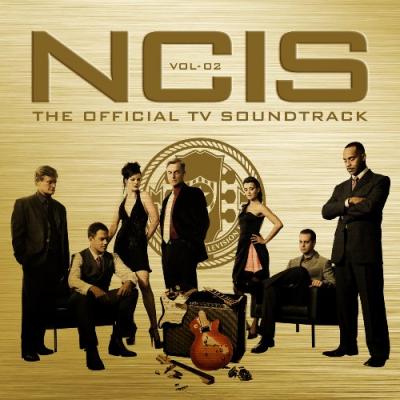
NCIS Vol. 2 Album Cover

"NCIS Vol. 2" Soundtrack Lyrics

TV • 2009

Track Listing


"NCIS: The Official TV Soundtrack – Vol. 2" – Album Guide to Tracks and Key Scenes

Overview

What happens when a procedural about Marines and Navy cops quietly becomes one of TV’s most reliable music discovery engines? NCIS: The Official TV Soundtrack – Vol. 2 is one answer — a compilation that treats songs like case files, each one tied to a very specific mood, scene, or character beat in the series’ seventh season and beyond.

The album gathers a dozen tracks from a striking mix of artists: Bob Dylan, Norah Jones, Joss Stone, John Mellencamp, Sheryl Crow, Sick Puppies, Sharon Little, Otis Redding, Tom Lehrer, and even series star Michael Weatherly. Most were unreleased at the time and written or chosen with NCIS in mind, so the record feels less like a random TV tie-in and more like a curated dossier of songs that bled straight into the scripts and edits.

On screen, these cues arrive in phases: first as the sound of arrival (characters entering new spaces, cases breaking open), then adaptation (montages of the team working), then rebellion (moral grey areas, people going off-book), and finally collapse (fallout, grief, hard choices). The album mirrors that arc — from the loose, wandering opener to more bruised rock, then into classic soul and darkly comic patter song.

Stylistically, the record moves through rootsy rock and Americana (Dylan, Mellencamp), modern rock and post-grunge (Sick Puppies, Saosin), smoky soul and R&B (Jones, Stone, Crow), vintage Stax soul (Redding), and sly musical comedy (Lehrer). Roughly speaking, roots and Americana underline conscience and memory; modern rock marks tension and younger characters; soul and R&B underline vulnerability and intimacy; Lehrer's "The Elements" is pure brainy mischief, echoing NCIS’s habit of letting Abby’s lab become a sonic playground.

How It Was Made

Vol. 2 continues the experiment that began with the first NCIS soundtrack: instead of simply clearing already-famous songs after episodes were shot, CBS Records and the NCIS producers asked artists for new or rare tracks in advance, then wrote and cut episodes with those songs in mind. According to the show’s own soundtrack notes and coverage in the music press, producers listened to dozens of submissions before picking the pieces that could genuinely shape storylines rather than just sit in the background.

The most publicised get is Bob Dylan’s “California,” an outtake from the mid-60s Bringing It All Back Home sessions that had never been commercially released before it surfaced here. Press material at the time stressed that it was newly mixed and mastered for the compilation, and Dylan watchers quickly noted its relationship to “Outlaw Blues,” which fits nicely with an episode literally titled “Outlaws and In-Laws.”

John Mellencamp’s “Someday The Rains Will Fall” comes with its own lore: the song was cut in room 636 of San Antonio’s Gunter Hotel, the same room where Robert Johnson recorded several of his 1936 blues sides. That bit of mythmaking matters, because the NCIS cue uses the track under storm imagery and questions about identity and sin — the kind of moral weather Mellencamp often writes about.

The show also turned inward. Michael Weatherly, who plays Special Agent Anthony DiNozzo, recorded “Bitter and Blue” specifically for Vol. 2; it later surfaces diegetically in the Christmas episode “Faith,” blurring the line between actor and character. Meanwhile, Tom Lehrer’s “The Elements,” decades old, was pulled from the archive because the writers wanted Abby to literally use chemistry lyrics as a clue, an example of the score/editorial team choosing songs that could carry plot mechanics and character jokes at once.

Behind the scenes, NCIS composer Brian Kirk continued to supply score cues (later compiled on Vol. 3), while music supervision focused Vol. 2 on songs strongly associated with season 7 cases or earlier standout episodes. Licensing leans surprisingly adventurous for a network procedural: a previously unreleased Dylan track, catalogue Otis Redding, Tom Lehrer’s classic patter song, and a cluster of contemporary artists whose tracks would debut here or in NCIS episodes before landing elsewhere.

Tracks & Scenes

“California” — Bob Dylan
Where it plays: Used over the last scene of season 7’s “Outlaws and In-Laws.” The case is wrapped, night has fallen, and we cut to Mike Franks back in Mexico as Gibbs and the extended “family” deal with the emotional shrapnel of the investigation. Dylan’s loose, shuffling groove rolls in as the camera lingers on Franks’ desert refuge and the complicated bonds between outlaws and lawmen, then carries us into the end credits as the episode exhales.
Why it matters: The track’s ragged, half-finished feel matches Franks — weathered, principled, never fully domesticated. It turns a standard “everyone goes home” button into a meditation on where these people actually belong.

“That Time Of Year” — Sick Puppies
Where it plays: “Child’s Play,” late in the episode, when Gibbs visits child prodigy Angela in her room after a break-in. As the team realises she’s been targeted for the military secrets hidden in her collages, Gibbs notices that two of her drawings are missing. The song plays through the intimate conversation in the small, cluttered room, a quiet contrast to the earlier procedural bustle.
Why it matters: Lyrically it’s about looking back at the year and asking what you’ve done with your life. In context, it reframes the crime story as a question about stolen childhood and the cost of turning gifted kids into assets.

“Move Slow” — Saosin
Where it plays: Opens “Code of Conduct” in the Halloween cold open. We see costumed pranksters rolling a tree, messing with a family’s yard, and creeping around parked cars at night. Rock music blares from a nearby vehicle they identify as a Marine’s; they lob water balloons at it, laughing, until they notice the hose feeding exhaust into the cabin and realise the occupant isn’t moving. The scene pivots from goofy teen mischief to a suffocating reveal of the Marine’s body just as the title sequence looms.
Why it matters: The song’s title is an ironic warning. Its driving mid-tempo energy sells the thrill of the prank, then suddenly feels brutally out of place once the death is exposed, underlining how quickly “harmless fun” can tip into horror.

“Someday The Rains Will Fall” — John Mellencamp
Where it plays: In “Double Identity,” it underscores the opening sequence before the credits. Storm clouds roll over Washington, D.C. as an SUV, radio on, splashes through puddles toward Rock Creek Park. Inside, a park ranger eats a doughnut, utterly unaware that the night’s about to deliver a bleeding Marine with two lives and two wives. The song plays almost in full over these establishing shots and the ranger’s quiet routine before the plot detonates.
Why it matters: The lyric about inevitable rain becomes metaphor for the episode’s central idea: you can live a double life for a while, but sooner or later weather — and truth — catches up.

“I’ve Got Dreams to Remember” — Otis Redding
Where it plays: Season 5’s “In the Zone,” final hospital scene. Nikki sits by her injured brother’s bedside in the dim light, the chaos of the case finally behind them. She plays the song for him as monitors beep softly; staff move in the background but stay out of focus. The camera sits close, letting the Stax horns and Redding’s voice soak the moment in regret and exhausted affection.
Why it matters: It shifts the show from military politics to personal stakes. The lyric “I’ve got dreams to remember” reframes the episode as not just about the mission, but about the private futures put at risk.

“The Elements” — Tom Lehrer
Where it plays: “Ex-File,” inside Abby’s lab. The team listens to an uploaded audio file that turns out to be Lehrer rattling off the periodic table to a Gilbert and Sullivan tune. As the song repeats, Abby realises the pattern in the chemical names hides a numeric code tied to the case. She starts mapping elements to their atomic numbers on her board while a DIA contact and McGee scramble to keep up.
Why it matters: This is NCIS at its nerdiest: a novelty song becomes a literal encryption key. It also nails Abby’s character — science, theatre, and black-humoured fun all blended into one very loud lab.

“Genie In My Dreams” — Sharon Little
Where it plays: Featured in season 7’s “Masquerade,” woven into the episode’s contemporary song bed as the team chases a potential terror plot tied to a Halloween-style event. The track surfaces around scenes of characters driving and regrouping between leads, its dreamy, radio-friendly feel counterbalancing the grim threat of a dirty-bomb scenario.
Why it matters: Its lyrics about escaping through dreaming sit neatly against an episode where nobody really gets to sleep — it hints at the lives the team might lead if their days weren’t ruled by worst-case scenarios.

“Murder In My Heart” — Sheryl Crow
Where it plays: Closes “Mother’s Day.” After Gibbs navigates a case that dredges up his family history and forces him to arrest his former mother-in-law, he makes a quiet, morally ambiguous choice: burning Joanne’s file in his basement. The song plays over this wordless montage as he feeds pages to the furnace, the team’s domestic B-plot unfolds, and the episode breathes out.
Why it matters: Having a song literally titled “Murder in My Heart” over images of destroyed evidence underlines how NCIS often treats justice as a gut decision. It lets us feel Gibbs’ self-recrimination without a single line of dialogue.

“That Time Of Year” (reprise) — Sick Puppies
Where it plays: Also appears in “Masquerade” as part of the wider season-seven sound collage (alongside Johnny Cash, Jet, Blue October, and others) that plays under drive-ups, lab work, and suspect surveillance. Most of the cue is non-diegetic, sitting over cuts between locations as the team races the clock.
Why it matters: Reusing the song outside “Child’s Play” quietly links Angela’s episode about gifted children to later terrorism cases: the same seasonal melancholy now sits over adults who never really got to grow up properly either.

“Bitter and Blue” — Michael Weatherly
Where it plays: First appears as a soundtrack cut, then turns up diegetically in “Faith,” the season-seven Christmas episode. It plays under scenes that mix holiday lights with unresolved family tension, including moments where characters sit alone longer than they should for a “festive” hour. In-universe, the track floats around like something someone might actually have on in their car or living room.
Why it matters: Having DiNozzo’s actor sing a melancholy, self-describing song in a holiday episode adds an extra layer for fans. It fits Tony’s tendency to hide sadness under patter, and it shows how the soundtrack project looped cast and character together.

Notes & Trivia

  • “California” is not a theme-park postcard song; it is an alternate Dylan take related to “Outlaw Blues,” repurposed to score an episode literally about “Outlaws and In-Laws.”
  • Mellencamp’s “Someday The Rains Will Fall” was recorded in the same Gunter Hotel room where Robert Johnson cut several of his most famous sides, giving its storm imagery a real blues lineage.
  • Tom Lehrer originally wrote “The Elements” as a live-performance party piece. On NCIS it becomes part of a cybercrime investigation, which is exactly the kind of academic prank Lehrer might have appreciated.
  • Sharon Little and Keaton Simons both appear on multiple NCIS-related releases; Vol. 2 is part of a broader CBS strategy to cross-promote label artists via prime-time placement.
  • There is minor title confusion around Sick Puppies’ song: some promo material calls it “This Time Of Year,” but the album and episode listings settle on “That Time Of Year.”
  • Weatherly’s “Bitter and Blue” sits in the same NCIS micro-tradition as Pauley Perrette’s “Fear” and Cote de Pablo’s cover of “Temptation” — actors slipping into the soundtrack as musicians.
  • Two songs on Vol. 2 — Redding’s “I’ve Got Dreams to Remember” and Lehrer’s “The Elements” — actually come from earlier seasons, acting as retroactive anchors tying season 7 back to the show’s middle years.

Music–Story Links

NCIS rarely throws songs in at random. Vol. 2 shows how tightly the writers lace music into character arcs and plot turns.

Gibbs’ moral world, for example, is bracketed by “California” and “Murder In My Heart.” The first plays over Mike Franks’ Mexican exile, reminding us that Gibbs’ mentor chose distance over compromise; the second plays as Gibbs destroys evidence to protect someone he loves. One song scores the man who walked away from the system; the other scores the man who keeps bending it.

Angela’s prodigy storyline in “Child’s Play” uses “That Time Of Year” not just as a moody rock cue, but as commentary. The song drops in once Angela’s room has been violated and her art weaponised, at the point where Gibbs has to stop treating her as a witness and start treating her as a child whose life has been derailed. The seasonal metaphor — looking back over what you did with your year — works for both Angela and Gibbs, who quietly projects his lost daughter onto her.

“Someday The Rains Will Fall” and “Move Slow” are the season-seven conscience twin set. Both open episodes. Both run under seemingly mundane activities — teenagers vandalising a yard, a ranger sitting in his truck, a city under brewing storm clouds — that flip into homicide investigations. They tell the viewer up-front that the case isn’t a puzzle to be solved so much as a judgment on how long people think they can get away with something before the weather changes.

At the same time, older catalogue tracks like “I’ve Got Dreams to Remember” and “The Elements” cement the show’s long view on its characters. Nikki’s hospital scene in “In the Zone” foreshadows later storylines where NCIS agents have to reckon with the cost of the wars they are adjacent to, not just the crimes they’re solving in D.C. Abby’s use of Lehrer’s song in “Ex-File” makes her love of odd, clever music part of the investigative toolkit, not colour thrown on after the fact.

And then there is DiNozzo’s musical double life. “Bitter and Blue” plays over a Christmas-episode narrative about faith, doubt, and family, hinting at Tony’s own stalled emotional growth, even though the lyrics never explicitly refer to him. It is the kind of Easter egg that doesn’t matter if you miss it, but deepens the character if you know whose voice you’re hearing.

Reception & Quotes

Commercially, Vol. 2 performed in the “solid TV soundtrack” lane: no runaway chart domination, but steady sales and strong user ratings on major retailers and streaming services, with most fans highlighting Dylan’s rarity, Mellencamp’s track, and the NCIS-cast contribution as key draws. Fan reviews often describe it as a surprisingly coherent listen for what is, on paper, a patchwork of genres.

Critical response framed the album as a curious hybrid: part prestige oddities collection, part network-drama branding exercise. Some reviewers praised the way it juxtaposes modern rock with vintage material, while others heard parts of the tracklist as more functional than essential.

NCIS: The Official TV Soundtrack – Vol. 2 opens with its big prize, Bob Dylan’s previously unreleased “California,” and never quite tops that coup.
Norah Jones practically purrs across the slow-burn shuffle of “That’s What I Said,” giving the album one of its few genuinely sultry moments.
For casual viewers, it is a mixed bag; for NCIS fans, it is a map of favourite scenes you can play in your car.
One retailer review calls it “perfect background music for late-night case-file binges,” which is exactly the niche CBS seemed to be aiming for.

Over time, the album’s reputation has settled into “cult favourite among NCIS fans.” Outside the fandom, Vol. 2 is mostly remembered for its Dylan and Mellencamp cuts and the oddity of finding Tom Lehrer and Otis Redding rubbing shoulders with post-hardcore band Saosin on a CBS tie-in disc.

Interesting Facts

  • “California” was announced in the music press as a “new” Dylan song debuting on the NCIS compilation before it appeared on any Dylan-centric releases.
  • Mellencamp’s “Someday The Rains Will Fall” later re-aired in another NCIS broadcast, essentially giving a soundtrack song a second network life.
  • Two tracks — “That Time Of Year” and “Move Slow” — started life tied to the artists’ own album cycles and B-sides before being spotlighted via NCIS placement.
  • Tom Lehrer’s catalogue, including “The Elements,” exists in a kind of semi-retirement; he has authorised free non-commercial use of his lyrics, which made a TV usage like this easier than for many legacy artists.
  • Sharon Little’s and Keaton Simons’ NCIS appearances pre-date wider recognition for both; CBS effectively used the show as a soft launchpad
  • “Bitter and Blue” helped cement Michael Weatherly’s side career as a musician, later echoed when another of his songs turned up on the NCIS: Benchmark release.
  • “I’ve Got Dreams to Remember” and “The Elements” are the only cuts on Vol. 2 that were already known to older listeners; the rest were either new, rare, or strongly associated with 2009–2010 NCIS episodes.
  • Streaming editions of the album sometimes appear under slightly different metadata (punctuation, capitalisation), but the 12-track content remains consistent.
  • Because several of these songs are also tied to other albums (Otis Redding, Sheryl Crow, etc.), Vol. 2 acts as a sampler that has pushed some NCIS viewers toward much older catalogues.

Technical Info

  • Title: NCIS: The Official TV Soundtrack – Vol. 2
  • Year: 2009 (released early November 2009 in the U.S.)
  • Type: Television soundtrack (various artists, songs tied to episodes)
  • Associated series: NCIS (CBS, season 7 focus with some earlier-season cuts)
  • Primary artists involved: Bob Dylan, Norah Jones, Joss Stone, Sick Puppies, Sharon Little, John Mellencamp, Sheryl Crow, Keaton Simons, Otis Redding, Michael Weatherly, Saosin, Tom Lehrer
  • Label: CBS Records (physical and digital release)
  • Approximate length: About 41 minutes across 12 tracks
  • Recording context: Mixed sessions — archival 1960s material (Dylan, Redding, Lehrer), late-2000s studio recordings (Jones, Stone, Crow, Simons, Saosin, Sick Puppies, Little), hotel-room sessions (Mellencamp’s track), and a purpose-recorded cast vocal (Weatherly)
  • Music supervision approach: Songs sourced early and used to inspire or anchor scripts/edits, rather than cleared after cuts were locked
  • Key episode placements: “Outlaws and In-Laws,” “Child’s Play,” “Code of Conduct,” “Masquerade,” “Mother’s Day,” “Double Identity,” “In the Zone,” “Ex-File,” “Faith”
  • Availability: Streaming on major platforms as a complete album; physical CD copies still in circulation through retailers and second-hand markets
  • Chart/impact notes: Modest mainstream profile but strong long-tail streaming, driven by NCIS fans and collectors seeking the Dylan and Mellencamp tracks in particular

Questions & Answers

How is Vol. 2 different from the first NCIS soundtrack?
The first release is a two-disc set tied mostly to earlier seasons and “Abby’s Lab” aesthetics; Vol. 2 is a tighter, 12-track disc focused on season-seven stories and a handful of earlier standout cues.
Is Bob Dylan’s “California” available anywhere besides this album?
For a long time, the only official commercial release of “California” was this NCIS compilation. Various Dylan discographies now list it, but Vol. 2 remains the most straightforward way to hear it in album context.
Which NCIS episodes correspond most directly to songs on Vol. 2?
Key links include “Outlaws and In-Laws” (“California”), “Child’s Play” (“That Time Of Year”), “Code of Conduct” (“Move Slow”), “Masquerade” (“Genie In My Dreams”), “Mother’s Day” (“Murder In My Heart”), “Double Identity” (“Someday The Rains Will Fall”), “In the Zone” (“I’ve Got Dreams to Remember”), and “Ex-File” (“The Elements”).
Does Michael Weatherly actually sing on the soundtrack?
Yes. He wrote and performed “Bitter and Blue,” recorded specifically for this album, and the track later appears within an episode, effectively letting Tony DiNozzo’s actor sing inside the NCIS universe.
Where can I listen to or buy NCIS: The Official TV Soundtrack – Vol. 2 today?
It is available on major streaming services as a complete album and can still be found on CD through online retailers and second-hand sellers specialising in TV and film soundtracks.

Canonical Entities & Relations

Subject Relation Object
NCIS: The Official TV Soundtrack – Vol. 2 is soundtrack for NCIS (TV series)
NCIS: The Official TV Soundtrack – Vol. 2 is released by CBS Records
Bob Dylan contributes song “California”
John Mellencamp contributes song “Someday The Rains Will Fall”
Sheryl Crow contributes song “Murder In My Heart”
Michael Weatherly performs song “Bitter and Blue”
Tom Lehrer composes and performs “The Elements”
Otis Redding performs song “I’ve Got Dreams to Remember”
Saosin contributes song “Move Slow”
Sick Puppies contributes song “That Time Of Year”
Sharon Little contributes song “Genie In My Dreams”
NCIS (TV series) is broadcast by CBS
Brian Kirk composes score for NCIS (TV series)
Numeriklab composes NCIS main theme
“Someday The Rains Will Fall” is featured in NCIS episode “Double Identity”
“California” is featured in NCIS episode “Outlaws and In-Laws”
“That Time Of Year” is featured in NCIS episode “Child’s Play”
“Move Slow” is featured in NCIS episode “Code of Conduct”
“Murder In My Heart” is featured in NCIS episode “Mother’s Day”
“Genie In My Dreams” is featured in NCIS episode “Masquerade”

Sources: official NCIS soundtrack notes, NCIS (soundtrack) encyclopedic entries, episode guides and recaps, music licensing and label press releases, song-placement databases, and retailer/streaming album pages.

November, 17th 2025


A-Z Lyrics Universe

Lyrics / song texts are property and copyright of their owners and provided for educational purposes only.