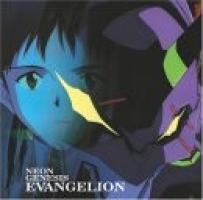
"Neon Genesis Evangelion" Soundtrack Lyrics
Movie • 2004
Track Listing
Yoko Takahashi
"Neon Genesis Evangelion (Original Soundtrack) – 2004 US Edition" – Album Guide to Tracks and Key Scenes
Overview
How do you score an apocalypse that feels both gigantic and painfully intimate? The Neon Genesis Evangelion original soundtrack, in its 2004 US CD edition, answers with chamber-sized orchestral cues, jazzy lounge pieces and one of anime’s most famous pop openings, all wired directly into the show’s collapsing psyches.
This album is, at heart, the sound of the original TV series — but the same themes bleed straight into the theatrical films Death & Rebirth and The End of Evangelion. The 2004 release is a US reissue of the first Japanese soundtrack disc: Shiro Sagisu’s action motifs (“Angel Attack”, “Decisive Battle”), character themes (“Rei I”, “Misato”, “Asuka Strikes!”) and city cues (“Tokyo-3”, “NERV”) plus “A Cruel Angel’s Thesis” and “Fly Me to the Moon”. It is the musical DNA that later Evangelion movies keep mutating.
What makes it distinctive is scale. Instead of a huge symphonic wall of sound, Sagisu leans on a small ensemble. Strings, brass and rhythm section sound constrained, almost boxed in — like the EVA pilots themselves. Serious battle music runs barely two and a half minutes per cue, then drops out, leaving long stretches of quiet or diegetic sound. That stop–start pattern matches the show’s rhythm: sudden Angel attacks, then long, uncomfortable silences in hospitals, trains and corridors.
Across the series and the films that reuse it, the soundtrack runs through its own arrival–adaptation–rebellion–collapse cycle. Early episodes arrive with bright TV-pop (“A Cruel Angel’s Thesis”) and clear, militaristic action music. As the story adapts into something stranger and more introspective, character themes like “Rei I” and “Hedgehog’s Dilemma” take over. Rebellion shows up as harsh cues like “The Beast” punching through the mix when the EVAs go berserk. Collapse is scored with suspended, unresolved harmony — “Marking Time, Waiting for Death”, “A Step Forward into Terror” — pieces that never quite give you a satisfying cadence.
How It Was Made
Shirō Sagisu composed the original soundtrack under close direction from creator Hideaki Anno and producer Toshimichi Ōtsuki. According to production accounts summarized in official materials, Anno gave Sagisu unusual freedom but also very specific emotional instructions: cockpit music should feel like “being back in the womb”; battle cues should evoke retro, almost 60s/70s disaster-movie energy rather than slick 90s action. The result is a score that sounds deliberately out of time — familiar, but slightly off.
King Records released the first album in Japan in 1995 (catalog KICA-286). The 2004 “movie-era” context comes from Geneon’s US CD edition, which arrived just as the films and Renewal/Platinum video sets were expanding Evangelion’s reach in North America. That disc keeps the Japanese tracklist intact but changes packaging and branding for western shelves. As Discogs and Anime News Network’s 2004 coverage both note, this reissue helped cement the soundtrack’s reputation as a standalone listening experience, not just a tie-in.
Instrumentation stays consistent: small orchestra with rhythm section and occasional synth, recorded to feel close and dry rather than massive and echoing. For songs, Sagisu and producer Toshiyuki Ōmori brought in Yoko Takahashi for “A Cruel Angel’s Thesis” and British singer Claire Littley for a lush version of “Fly Me to the Moon”, recorded at Abbey Road. According to later interviews summarized on the Evangelion music pages, gaining clearance for “Fly Me to the Moon” and its many variants was one of the more complex licensing jobs on the project.
Tracks & Scenes
The album covers material used across the early and middle “acts” of the series — much of which carries straight into recap film Death. Exact timecodes vary between TV, Renewal and movie edits, so the placements below follow well-documented episode associations and how the cues function on screen rather than minute–second stamps.
“A Cruel Angel’s Thesis (Director’s Edit Version)” — Yoko Takahashi
Where it plays: The TV opening across most of the series and in condensed form in Death & Rebirth trailers. Fast cuts of Evas, Angels, crucifix imagery and blinking status screens hammer past while the chorus hits. In some later edits, the director’s version folds in a few extra images and tweaks the ending timing to match Renewal footage.
Why it matters: It frames Evangelion as something almost upbeat at first glance — high-energy J-pop — only for the show and the films to undercut that mood almost immediately.
“Angel Attack” — Shiro Sagisu
Where it plays: First big use is in episode 1 when Sachiel appears and the UN forces scramble. The cue starts under command-room chatter, then rides through tank lines, artillery barrages and the Angel walking straight through everything. Variants recur in early battles and in the “Death” compilation cut when early fights are re-edited for the big screen.
Why it matters: It is the series’ “we are under attack” alarm: staccato brass, snare drums, repeated string figures. By the time you reach the films, a few bars are enough to trigger a whole memory of Tokyo-3 getting flattened.
“Rei I” — Shiro Sagisu
Where it plays: Typically tied to quiet scenes with Rei Ayanami — hospital rooms, empty corridors, elevator rides. A classic placement comes in episode 5, when Shinji visits Rei’s bare apartment and wanders through her scattered belongings; the same mood carries into flashbacks reused in Death. The piano and strings sit very low in the mix, almost like they’re listening rather than speaking.
Why it matters: This is Rei’s inner world on a plate: calm, distant, a little sad. Later film material builds entire sequences on this tonal language.
“Hedgehog’s Dilemma” — Shiro Sagisu
Where it plays: Heard during Shinji’s introspective stretches and in episode 4’s “running away” arc, as well as in reflective cuts brought into the recap film. Usually it plays over scenes of him walking alone through Tokyo-3, sitting on trains, or staring at the ceiling in Misato’s apartment while cicadas drone in the background.
Why it matters: Named after the famous metaphor for human closeness, it quietly scores Shinji’s central problem: get close and you get hurt; stay distant and you freeze.
“Misato” — Shiro Sagisu
Where it plays: Light, almost sitcom-like cue for scenes in Misato’s messy home life: beer cans, instant food, Pen-Pen in the fridge. It shows up when she tries to play the “fun big sister” to Shinji, briefly turning the story into a very normal domestic comedy before the next Angel attack drags them back underground.
Why it matters: It keeps Misato from being just a military officer. The breezy groove reminds you she’s improvising adulthood, not mastering it.
“Asuka Strikes!” — Shiro Sagisu
Where it plays: Introduced with Asuka’s arrival in episode 8 and in the associated ship battle against Gaghiel. Brass and percussion swagger over wide shots of aircraft carriers, then cut to Asuka preening in her red plug suit. Later, the cue recurs in quick flashes whenever she seizes the spotlight.
Why it matters: It is pure entrance music: brash, theatrical, slightly overconfident. In the films, echoes of this style survive even when Asuka’s situation turns much darker.
“NERV” — Shiro Sagisu
Where it plays: Used for establishing shots of the Geofront and command bridge. Elevators descending, command chairs rotating, displays flickering — all set to a mid-tempo, slightly jazzy march that makes NERV feel efficient, secretive and just a little sinister.
Why it matters: The cue sells the base as an institution with its own rhythm, something bigger than any pilot. Later movie edits lean on the same texture when reintroducing the facility.
“Tokyo-3” — Shiro Sagisu
Where it plays: Over city montages: the buildings rising from underground, commuter trains, kids going to school. It often turns up in the first halves of episodes before the plot dives back into NERV. In Death, fragments of it help connect flashbacks of ordinary city life.
Why it matters: The city itself becomes a character. The track paints Tokyo-3 as a functioning, even cheerful place that just happens to transform into a battlefield on demand.
“Decisive Battle” — Shiro Sagisu
Where it plays: Iconic use is episode 6’s sniper operation against Ramiel: the entire plan briefing, logistics montage and firing sequence are driven by this cue. Maps of power lines, giant rifles being assembled, Evas moving into position — everything is cut on its sharp ostinato patterns. The same motif later appears in films and even outside Evangelion; critics have compared it to classic Bond suspense cues.
Why it matters: This is the series’ mission theme. Any time it starts, you know someone at NERV is about to make a terrible but necessary choice.
“The Beast” — Shiro Sagisu
Where it plays: Tied to berserk EVA moments, especially Eva-01’s uncontrolled rampages. The cue erupts when the armor breaks, the EVA roars and the fight stops looking like piloting and starts looking like an animal attack. In theatrical recuts, shortened versions underline the same idea: this is not a clean robot show.
Why it matters: It’s Evangelion’s “you’ve gone too far” switch. After this, the story is harder to sell as heroic mecha action.
“Marking Time, Waiting for Death” — Shiro Sagisu
Where it plays: A slow, quietly tense piece used when characters sit with impossible knowledge rather than acting: hospital visits, command staff watching Angel analyses, Shinji alone after a traumatic sortie. In some cuts, it shades into film material during the lead-up to Instrumentality debates.
Why it matters: The title is blunt, and the music matches it. Evangelion is full of people stuck in holding patterns; this track is their shared heartbeat.
“Fly Me to the Moon” — Claire Littley
Where it plays: End theme for most TV episodes, with multiple arrangements. Claire Littley’s slow, lush English-language version anchors the early run and is the one represented on this album. End credits roll over stylised moons, Lilith imagery and a deliberately gentle tempo that clashes with some of the more brutal cliffhangers.
Why it matters: A 1950s standard repurposed as a post-episode palate cleanser — and later as a motif threaded through films and spin-offs. It’s also a reminder that Evangelion constantly borrows global pop culture and makes it feel private.
Notes & Trivia
- The 2004 US disc is a straight reissue of the 1995 Japanese OST I tracklist, but with Geneon/Pioneer branding and English packaging aimed at anime DVD buyers.
- Despite centering on a TV series, this album underpins the first Evangelion feature project: many cues appear in Death & Rebirth in re-edited form.
- “Decisive Battle” became so iconic that Hideaki Anno later reused a new arrangement in the live-action film Shin Godzilla.
- The combination of “A Cruel Angel’s Thesis” and “Fly Me to the Moon” was imposed and negotiated at the producer level; Anno originally floated different ideas for both opening and ending.
- The OST’s run time, just under an hour, reflects how short most TV cues are — many action pieces fall below the three-minute mark.
Music–Story Links
The soundtrack mirrors Evangelion’s structure very closely. Early “arrival” episodes get straightforward contrasts: bright OP, clean battle music, light domestic cues. “Angel Attack” and “Decisive Battle” treat the Angels as classic monster-of-the-week threats, while “Misato” and “Tokyo-3” insist this is still just a city where jokes and beer exist.
As the story adapts and becomes more psychological, character themes start to dominate. “Rei I” and “Hedgehog’s Dilemma” anchor long, dialogue-light scenes where very little happens externally but everything changes inside the characters. When these same cues resurface in the compilation film, they compress that internal development into a few carefully chosen images and bars of music.
Rebellion and loss of control are encoded in “The Beast” and related EVA cues. Every time an Evangelion slips its leash — whether in the TV episodes or in the expanded film material — the score abandons the clean mission-music structure of “Decisive Battle” and leans into messy, rhythm-heavy writing. You can almost chart Shinji’s deteriorating relationship with his own Eva by when the album shifts away from clear, march-like motifs toward rawer textures.
Collapse comes in quietly. “Marking Time, Waiting for Death” and other low-key tracks frame scenes of command-room paralysis and pilot burnout. By the time the narrative crosses into the territory that The End of Evangelion will later expand, this first soundtrack has already set the language: small ensemble, unresolved chords, melodies that feel like they stop mid-thought. The movies just push that logic to its brutal conclusion.
Reception & Quotes
Contemporary Japanese reception was strong enough to earn Sagisu industry recognition; he took a Best Music award at Animation Kobe in 1997 for his Evangelion work. The soundtrack albums charted on Oricon and have stayed in circulation through remasters and digital releases.
In North America, the 2004 Geneon edition introduced many fans to the score as a standalone listen. Anime News Network’s Jonathan Mays called Sagisu’s themes “instantly memorable” and praised how a small chamber orchestra could make the music feel “intensely personal” — a good match for the series’ focus on inner turmoil rather than just giant-robot spectacle. Later high-resolution remaster reviews in Japanese audio magazines singled out improvements in string clarity and low-level detail.
“Sagisu’s music is superb and can be heard as a magnificent, delicate and romantic symphony even without the images.”
— Summary of a Japanese CD Journal appraisal of the remaster
“Decisive Battle has become shorthand for Evangelion itself; even people who haven’t seen the show recognise those opening bars.”
— Comment in a modern anime soundtrack overview

Interesting Facts
- The US 2004 CD of Neon Genesis Evangelion is technically a TV soundtrack, but it was promoted alongside the Evangelion feature films and Renewal box sets, so many western viewers first heard it as “the movie music”.
- Reissues and the 2013 “HR Remaster Ver.” keep the original track order, reinforcing how tightly the album is paced around the early series arc.
- “A Cruel Angel’s Thesis” appears here in a director’s edit; alternate single and remix versions live on separate releases.
- “Fly Me to the Moon” had to be dropped or replaced on some later streaming releases for licensing reasons, but the CD-era soundtracks preserve the original usage.
- Several character pieces (“Misato”, “Ritsuko”, “Asuka Strikes!”) are short enough that, in the show and films, they can play almost in full under a single scene without obvious looping.
- Critics have repeatedly compared “Decisive Battle” to classic John Barry/Bond tension cues, which lines up with Sagisu’s stated interest in older film music over then-current trends.
- Because Evangelion’s music catalog is large, soundtrack guides often treat this album, plus OST II and III and the film discs, as one extended score cycle rather than separate projects.
Technical Info
- Album title: Neon Genesis Evangelion (Original Soundtrack) – 2004 US Edition
- Original Japanese release: December 6, 1995 (King Records / Starchild, KICA-286)
- US edition: January 20, 2004 (Geneon Entertainment / Pioneer, CD album)
- Work type: Soundtrack album for the Neon Genesis Evangelion TV series; themes reused in feature films Death & Rebirth and related theatrical material.
- Composer: Shirō Sagisu
- Producers (music): Hideaki Anno (overall direction), Toshimichi Ōtsuki and King Records staff
- Primary genres: Anime soundtrack, orchestral, anison, pop
- Length: Approx. 57–58 minutes (around 22 tracks, depending on edition)
- Key tracks: “A Cruel Angel’s Thesis (Director’s Edit Version)”, “Angel Attack”, “Rei I”, “Hedgehog’s Dilemma”, “Misato”, “Asuka Strikes!”, “NERV”, “Tokyo-3”, “Decisive Battle”, “The Beast”, “Marking Time, Waiting for Death”, “Fly Me to the Moon”
- Label (Japan): King Records / Starchild
- Label (US 2004): Geneon Entertainment (USA), Inc.
- Later remasters: 2013 high-resolution remaster edition under King Records; 2019 digital release under Milan Records / Sony Music for global platforms.
- Availability: Widely available on CD (various pressings) and on major streaming/download platforms as Neon Genesis Evangelion (Original Series Soundtrack).
Questions & Answers
- Is the 2004 Neon Genesis Evangelion CD a movie soundtrack or a TV soundtrack?
- Technically it is the first TV series soundtrack (OST I), but the 2004 US edition arrived during the Evangelion movie boom, so it was often sold alongside the feature films and used heavily in the compilation movie Death.
- How does this album connect to the Evangelion movies released around the same era?
- Many cues here — “Angel Attack”, “Rei I”, “Hedgehog’s Dilemma”, “Decisive Battle” — are reused or re-edited in Neon Genesis Evangelion: Death & Rebirth and in theatrical recaps. Later film scores build on the same thematic material.
- Does this soundtrack include classical pieces like “Ode to Joy” or Pachelbel’s Canon?
- No. Those appear in the series and films but are licensed separately. This album focuses on Sagisu’s original score plus “A Cruel Angel’s Thesis” and one version of “Fly Me to the Moon”.
- What is different about the 2004 US release compared with the original Japanese CD?
- The music and track order are essentially the same. The differences are packaging, label credits and distribution; the US disc is a reissue aimed at English-speaking Evangelion fans.
- Where should I go after this album if I want more Evangelion music?
- Most listeners move next to Neon Genesis Evangelion OST II and OST III, then to the dedicated film soundtracks (Evangelion: Death, The End of Evangelion) and later the Rebuild movie scores. Together they form one long, evolving Evangelion sound world.
Canonical Entities & Relations
| Subject | Verb | Object |
|---|---|---|
| Hideaki Anno | creates and directs | Neon Genesis Evangelion (TV series) |
| Shirō Sagisu | composes | Neon Genesis Evangelion original soundtrack |
| King Records / Starchild | releases | 1995 Japanese CD Neon Genesis Evangelion (KICA-286) |
| Geneon Entertainment (USA) | reissues | Neon Genesis Evangelion soundtrack on CD in 2004 |
| Yoko Takahashi | performs | “A Cruel Angel’s Thesis” (TV opening theme) |
| Claire Littley | performs | “Fly Me to the Moon” end theme version on this album |
| Neon Genesis Evangelion (soundtrack) | features music for | the original Neon Genesis Evangelion TV series |
| Neon Genesis Evangelion: Death & Rebirth | reuses themes from | Neon Genesis Evangelion (original soundtrack) |
| Eva-01 | is associated with cue | “The Beast” and related action themes |
| Rei Ayanami | is associated with cue | “Rei I” and later Rei motifs |
| Tokyo-3 | is musically represented by | “Tokyo-3” and “NERV” themes |
Sources: Evangelion Fandom/EvaWiki discography pages; Wikipedia “Music of Neon Genesis Evangelion”; Discogs entries for Shiro Sagisu – Neon Genesis Evangelion (2004 US CD); Apple Music and other storefront listings for Neon Genesis Evangelion (Original Series Soundtrack); Anime News Network soundtrack review summaries; Japanese CD Journal and LisAni remaster coverage.
November, 17th 2025
A-Z Lyrics Universe
Cynthia Erivo Popular
Ariana Grande Horsepower
Post Malone Ain't No Love in Oklahoma
Luke Combs Good Riddance (Time of Your Life)
Green Day Bye Bye Bye
*NSYNC You're the One That I Wan
John Travolta & Olivia Newton-John I Always Wanted a Brother
Braelyn Rankins, Theo Somolu, Kelvin Harrison Jr. and Aaron Pierre The Power of Love
Frankie Goes to Hollywood Beyond
Auli’i Cravalho feat. Rachel House MORE ›