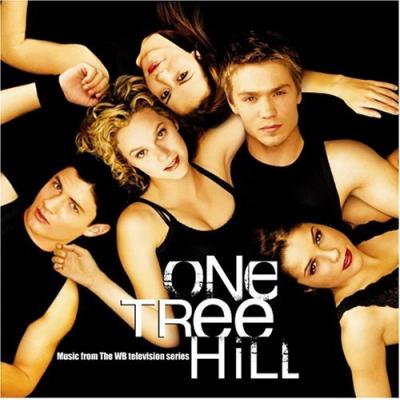
"One Tree Hill" Soundtrack Lyrics
TV • 2005
Track Listing
Gavin DeGraw
Finch
Dashboard Confessional
Jet
Train
Switchfoot
Sarah McLachlan
Maroon 5
Sheryl Crow
Linkin Park
Gavin DeGraw
Jimmy Eat World
Travis
The Wreckers
Get Up Kids
Rock-N-Roll Soldiers
Tyler Hilton
22-20s
Story of the Year
Tyler Hilton / Bethany Joy Lenz
Keane
Butch Walker
Sheryl Crow
Trespassers William
Tyler Hilton
Feeder
Jack's Mannequin
Audioslave
Nada Surf
Gavin DeGraw
Citizen Cope
Hot Hot Heat
Tyler Hilton
Mozella
Shout Out Louds
Fall Out Boy
Jimmy Eat World
Haley James Scott
Michelle Featherstone
Strays Don't Sleep
AFI
Bryan Greenberg
“One Tree Hill (Soundtrack from the TV Show)” – Album Guide to Tracks and Key Scenes

Overview
What if a teen drama treated music like a character—equal parts confessor, hype man, and heartbreaker? One Tree Hill (Soundtrack from the TV Show) answered in 2005 with a mixtape built from the show’s most defining drops and on-screen performances, released by Maverick Records just as the series’ music identity caught fire.
The compilation opens on Gavin DeGraw’s “I Don’t Want to Be (Live),” the show’s credo-tight theme, then ping-pongs through alternative, emo, singer-songwriter, and pop—songs fans met at the River Court, TRIC, and Karen’s Café. Cuts by The Wreckers, Jimmy Eat World, Travis, Keane, Butch Walker, and Sheryl Crow map the friendships and fractures of Tree Hill, while cast-adjacent performances (Tyler Hilton & Bethany Joy Lenz) blur fiction and chart life.
As an arc, it’s bravado → confession → repair. The early tracks swagger (“Funny Little Feeling”), mid-album selections ache (“Overdue,” “Kill”), and the back-stretch turns communal—duets, acoustic takes, and road-trip balm. According to the album’s retail notes, several versions are exclusive or acoustic, mirroring how the show favored intimate, in-room music moments over slick radio edits.
Genres & themes in phases: indie/emo anthems — rivalry and identity; country-tinged pop — confessions and second chances; acoustic alt — vulnerability in close-ups; live takes — community, TRIC as sanctuary.
How It Was Made
Series creator Mark Schwahn built a “song-first” ethos, then partnered with music supervisor Lindsay Wolfington to weave placements into story beats and character arcs. The soundtrack—released January 25, 2005—arrived via Maverick as a curated snapshot of Seasons 1–2 highlights, including cast-performed material and in-show cameos (hello, Sheryl Crow at Karen’s Café).
Wolfington’s curation leaned on new talents alongside established names (Keane, Jimmy Eat World), while the production cleared live/acoustic versions to reflect how viewers actually heard the songs on air. As Wolfington has said in interviews, the show used music as emotional connective tissue—an extra line of dialogue that didn’t need to be spoken.

Tracks & Scenes
“I Don’t Want to Be (Live)” — Gavin DeGraw
Where it plays: Series theme and live appearances; the album uses a live cut that matches the show’s “sung-in-the-room” ethos.
Why it matters: The lyric “I don’t want to be…” becomes the show’s identity challenge—especially for Lucas and Nathan.
“The Good Kind” — The Wreckers
Where it plays: Season 2 TRIC storyline, with Michelle Branch & Jessica Harp guesting later that season; the track underscores Haley’s tug-of-war between home and the road.
Why it matters: Foreshadows music-versus-marriage choices that ripple through the second season.
“Kill” — Jimmy Eat World
Where it plays: Season 2 placements and the band’s eventual TRIC appearance; the song’s slow-burn tension pairs with late-night confessions and fallout.
Why it matters: An inner monologue set to guitars—pure Tree Hill tone.
“Re-Offender” — Travis
Where it plays: Used against regret-heavy scenes; the lyric’s weary loop mirrors characters stuck in bad patterns.
Why it matters: Earnest Brit-pop melancholy = classic OTH mood.
“Overdue” — The Get Up Kids
Where it plays: Season 1 introspection, particularly Lucas wrestling with Dan; creator notes link this song directly to Lucas’s unresolved hurt.
Why it matters: A thesis statement about the Scotts and the debts they carry.
“Funny Little Feeling” — Rock n Roll Soldiers
Where it plays: Party sequences and quick-cut montages where bravado briefly wins.
Why it matters: The show’s swagger valve—open, then shut.
“Glad (Acoustic)” — Tyler Hilton
Where it plays: Chris Keller auditions/plays around TRIC’s opening stretch (Season 2); diegetic performance, single mic, pin-drop crowd.
Why it matters: Introduces the Chris/Haley creative spark that complicates everything.
“Shoot Your Gun” — 22-20s
Where it plays: Nighttime drive energy; guitars pace a string of impulsive decisions.
Why it matters: Sonic match for the show’s “one bad choice” domino runs.
“Sidewalks (Acoustic)” — Story of the Year
Where it plays: Tenders the edges of tough scenes (goodbyes, vows); the stripped version feels like a private promise.
Why it matters: Acoustic arrangements = OTH’s secret weapon.
“When the Stars Go Blue” — Tyler Hilton & Bethany Joy Lenz
Where it plays: Diegetic recordings/performances in Season 2: first as a studio session with Haley and Chris (E2.08–E2.09), then echoed live by other guests later in the series. It’s the duet that turned TRIC into a fandom altar.
Why it matters: A fictional couple’s pressure cooker set to a Ryan Adams ballad; art blurs with life as the show’s stars cut an album-ready version.
“Everybody’s Changing” — Keane
Where it plays: Season-two resets; arrivals and departures; the lyric mirrors growing pains across the ensemble.
Why it matters: The show’s time-lapse anthem.
“Mixtape” — Butch Walker
Where it plays: Relationship repair attempts—songs passed as apologies and explanations.
Why it matters: Meta: a song about a mixtape inside TV’s most mixtape-minded teen drama.
“The First Cut Is the Deepest (Acoustic)” — Sheryl Crow
Where it plays: Season 1, Episode 15 at Karen’s Café—Crow appears as herself and performs in-scene; the album includes the acoustic take fans chased after broadcast.
Why it matters: A superstar cameo that cemented OTH’s “music walks right into the plot” identity.
“Lie in the Sound” — Trespassers William
Where it plays: Season-one romantic reckoning; slow, oceanic.
Why it matters: The show’s softest lighting, bottled.

Notes & Trivia
- The album dropped January 25, 2005 via Maverick; 14 tracks, ~53 minutes, with multiple exclusives/acoustics.
- Music supervision by Lindsay Wolfington helped define OTH’s “songs as dialogue” style for nine seasons.
- “When the Stars Go Blue” on the album is the in-universe Haley/Chris duet—recorded by the actors.
- Sheryl Crow’s café performance appears diegetically in Season 1 and on the album as an acoustic.
- TRIC (Peyton’s club) was written partly to justify frequent live performances and musician cameos.
Music–Story Links
When TRIC opens, Haley’s stage fright and Chris’s swagger collide; their duet of “When the Stars Go Blue” becomes a plot accelerant, not just a track. Lucas’s resentment toward Dan resonates through “Overdue,” which the creator directly tied to Lucas’s headspace. “Everybody’s Changing” scores season-two resets, while “Mixtape” literalizes the show’s habit of using songs as apologies. And whenever the theme returns, it resets the compass—be yourself, even when Tree Hill pulls you apart.
Reception & Quotes
Fans embraced the record as a portable TRIC—sing-along hooks, breakup ballads, and a theme that doubled as advice. Retail blurbs leaned into its “emotionally charged mixtape” DNA, while press highlighted the show’s knack for catching bands mid-breakout (Keane, The Wreckers).
“A feel-it-all teen-drama playlist with plot.” — a capsule TV-music blurb
“Songs function like extra lines of dialogue.” — a series-music feature
Per official album listings, the set compiles performances and placements fans specifically searched after broadcast, hence the acoustic/live lean.

Interesting Facts
- Six “special” versions on the CD (live/acoustic) mirror how the songs are heard in-episode.
- Keane’s “Everybody’s Changing” became a season-two tone setter before the band’s U.S. breakthrough accelerated.
- The album helped surface Trespassers William’s “Lie in the Sound” to a wider teen-TV audience.
- TRIC bookings (real artists) were written around story arcs so cues stayed diegetic when possible.
- Creator notes single out “Overdue” as a bullseye for Lucas vs. Dan.
- Multiple later seasons revisited “When the Stars Go Blue” in cameos and covers, turning it into a series motif.
Technical Info
- Title: One Tree Hill (Soundtrack from the TV Show)
- Year: 2005
- Type: Television soundtrack compilation (songs & in-universe performances)
- Label: Maverick Records
- Music Supervision: Lindsay Wolfington
- Key Artists: Gavin DeGraw; The Wreckers; Jimmy Eat World; Travis; The Get Up Kids; Rock n Roll Soldiers; Tyler Hilton; 22-20s; Story of the Year; Tyler Hilton & Bethany Joy Lenz; Keane; Butch Walker; Sheryl Crow; Trespassers William
- Notable On-Screen Moments: Sheryl Crow performs at Karen’s Café (S1E15); Haley & Chris record “When the Stars Go Blue” (S2E08–09); Jimmy Eat World at TRIC (S2E22)
- Availability: Digital (Apple Music/Spotify), CD (2005 Maverick); runtime ~53:00
Questions & Answers
- Is this the album with the Haley/Chris duet?
- Yes. The Tyler Hilton & Bethany Joy Lenz version of “When the Stars Go Blue” is on this 2005 CD/digital release.
- Why are so many tracks acoustic or live?
- To mirror how viewers heard them—on TRIC’s stage or in intimate scenes—rather than just radio singles.
- Who supervised the show’s music?
- Lindsay Wolfington, whose placements became so integral they often drove plot beats or episode titles.
- Where does Sheryl Crow appear in the show?
- Season 1, Episode 15 at Karen’s Café; the album includes her acoustic “The First Cut Is the Deepest.”
- Is the theme song on the album?
- Yes—Gavin DeGraw’s “I Don’t Want to Be (Live)” opens the set and frames the show’s ethos.
Canonical Entities & Relations
| Subject | Relation | Object |
|---|---|---|
| Mark Schwahn | creates | One Tree Hill (TV series) |
| Lindsay Wolfington | music-supervises | One Tree Hill (TV series) |
| Maverick Records | releases | One Tree Hill (Soundtrack from the TV Show) — 2005 |
| Gavin DeGraw | performs | “I Don’t Want to Be (Live)” (series theme, album track) |
| Michelle Branch & Jessica Harp (The Wreckers) | perform | “The Good Kind” (album track; Season 2 guest artists) |
| Tyler Hilton & Bethany Joy Lenz | perform/record | “When the Stars Go Blue” (duet; in-show and album) |
| Sheryl Crow | performs | “The First Cut Is the Deepest (Acoustic)” (Karen’s Café cameo; album) |
| Jimmy Eat World | perform | “Kill” (album; later TRIC appearance) |
| TRIC (venue) | hosts | live performances woven into story arcs |
Sources: Apple Music album page; Spotify listing; Discogs release/master pages; OTH-Music.com (officially endorsed guide); Wikipedia’s “List of One Tree Hill soundtracks”.
November, 18th 2025
A-Z Lyrics Universe
Cynthia Erivo Popular
Ariana Grande Horsepower
Post Malone Ain't No Love in Oklahoma
Luke Combs Good Riddance (Time of Your Life)
Green Day Bye Bye Bye
*NSYNC You're the One That I Wan
John Travolta & Olivia Newton-John I Always Wanted a Brother
Braelyn Rankins, Theo Somolu, Kelvin Harrison Jr. and Aaron Pierre The Power of Love
Frankie Goes to Hollywood Beyond
Auli’i Cravalho feat. Rachel House MORE ›