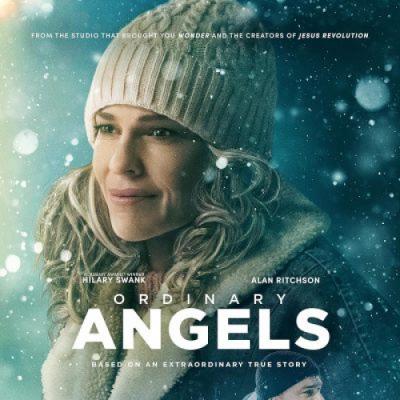
"Ordinary Angels" Soundtrack Lyrics
Movie • 2024
Track Listing
Great White
Brooks & Dunn
Trouble In The Wind
Ben Wagner
R.E.M.
Peaches & Herb
Novo Amor
Wendlo Courtesy of Wendlo
Dave Matthews
Notize
Traditional song
“Ordinary Angels (Original Motion Picture Score & Songs)” – Album Guide to Tracks and Key Scenes
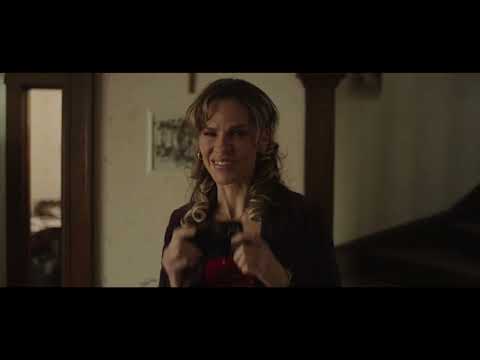
Overview
How do you score ordinary people doing the impossible in a blizzard? Ordinary Angels (2024) answers with a lean, human-scale orchestral score by Pancho Burgos-Goizueta and a handful of era-fitting needle-drops that shift from honky-tonk swagger to skates-rink joy. The music’s job is simple and hard: keep the story grounded while letting grace feel huge.
The film follows Sharon (Hilary Swank), a stubborn Kentucky hairdresser who throws herself into saving a young girl’s life—fundraisers, phone calls, and, finally, a race against a historic storm. The score moves in short, lyrical cues—clarinet, strings, piano—each cue titled like a chapter (“Sharon Gets the Planes,” “It’s Now, or Michelle Dies”). Songs arrive as texture and time-capsule: Brooks & Dunn at the bar, Peaches & Herb under disco lights, an R.E.M. classic when faith wobbles.
As a listen, it arcs from hangover → purpose → impossible logistics → earned release. The album itself is the original score (23 cues), with the film mixing in licensed songs and two end-credit selections (including Dave Matthews). According to Filmmusicreporter, Lionsgate Records released the score digitally on February 27, 2024, a few days after the U.S. theatrical bow.
Genres & themes in phases: Americana-tinged orchestral score — ordinary courage; 90s/evergreen pop & country — community and levity; bittersweet indie-folk — confession and recovery; trailer anthems — “goosebump” promise.
How It Was Made
Composer Pancho Burgos-Goizueta wrote to intimacy: cue names track plot beats, and palettes stay small so performances lead. Strings carry family weight; piano and woodwinds keep Sharon’s hustle warm, not preachy. Score vocals (lightly) and storm percussion arrive late—right when the blizzard becomes an antagonist.
Music supervision was led by Kevin J. Edelman, clearing jukebox moments (Brooks & Dunn), rink nostalgia (Peaches & Herb), and a pivotal bar scene underscored by R.E.M. The song choices never overwhelm; they color the room. Per the film’s credits listings, Edelman is credited as music supervisor, with a compact score team and mixer Scott Michael Smith handling the final polish.

Tracks & Scenes
“Hard to Handle” — Great White (cover)
Where it plays: 00:03 — Opening bar sequence. Sharon and friends drink and chat as the guitars swagger; neon and laughter set a messy starting tone. Diegetic from the bar speakers.
Why it matters: Establishes Sharon’s “life at 11” before purpose finds her.
“Boot Scootin’ Boogie” — Brooks & Dunn
Where it plays: ~00:04 — Sharon dances on the bar, shouting along with the chorus. A rowdy, comic beat that’s also a red flag.
Why it matters: Fun on the surface; a hangover is coming—musically and morally.
Score: “Morning After Hangover” — Pancho Burgos-Goizueta
Where it plays: ~00:06 — A clipped, woozy motif greets Sharon’s wake-up; strings and piano tilt but don’t topple.
Why it matters: The first pivot from noise to intention.
“Safe” — Trouble in the Wind
Where it plays: ~00:08 — Grocery-store run; fluorescent quiet, the lyric hinting at what Sharon’s chasing.
Why it matters: Mundane task, moral ignition.
Score: “The Plan” — Pancho Burgos-Goizueta
Where it plays: ~00:10 — Sharon circles a newspaper clipping, breath quick, strings ticking time.
Why it matters: The movie’s thesis condensed: decide now, figure it out later.
“Way You Move” — Ben Wagner
Where it plays: ~00:15 — A quiet aftermath around a funeral; the song softens edges without sentimentality.
Why it matters: Turns community observation into resolve.
“I’ll Take You Forever” — The Staple Singers
Where it plays: ~00:25 — The hair-a-thon fundraiser hums; hands, clippers, cash jars, all set to a promise.
Why it matters: The movie’s “we” moment—music as glue.
Score: “Tons of Cream, Tons of Sugar” — Pancho Burgos-Goizueta
Where it plays: ~00:34 — Sharon inventories Ed’s medical bills at the kitchen table; pizzicato and light keys keep hope afloat.
Why it matters: Logistics as love language.
Score: “Smile Ed” — Pancho Burgos-Goizueta
Where it plays: ~00:43 — A photo session with Ed and his girls; a simple lullaby figure carries the giggles.
Why it matters: Stakes reframed as faces, not numbers.
“Losing My Religion” — R.E.M.
Where it plays: ~00:51 — Bar conversation with Derek; the mandolin halo undercuts certainty as Sharon confronts her patterns.
Why it matters: A 90s confession anthem that matches the film’s moral inventory.
“Shake Your Groove Thing” — Peaches & Herb
Where it plays: ~00:57 — Rollerskating interlude with Sharon, Ed, and the girls; mirrored balls, laughter, a respite in four-on-the-floor.
Why it matters: Joy as plot point—community builds trust.
Score: “Sharon Gets the Planes” — Pancho Burgos-Goizueta
Where it plays: ~01:10 — Muffins, phone calls, a favor from an airport office; the cue pushes like a brisk walk.
Why it matters: “Impossible” becomes “scheduled.”
“Anchor” — Novo Amor
Where it plays: ~01:23 — Christmas glow as Sharon admits her alcoholism; falsetto and reverb give the scene space to breathe.
Why it matters: Vulnerability earns the third act.
Score: “The Blizzard of January 17, 1994” / “It’s Now, or Michelle Dies” — Pancho Burgos-Goizueta
Where it plays: ~01:27–01:37 — Whiteout montage, blocked roads, a clock you can hear; percussion and strings churn like sleet on glass.
Why it matters: Weather as villain; community as counter-melody.
Score: “Let Me Drive” → “You’re a Miracle” — Pancho Burgos-Goizueta
Where it plays: ~01:43–01:49 — The last push to the helicopter, then a soft landing between Sharon and Ed.
Why it matters: The music exhales right when the story does.
“Sweet Child O’ Mine” — Wendlo (cover)
Where it plays: ~01:51 — First end-credits song; familiar melody, gentler edges.
Why it matters: Reframing a standard as gratitude.
“Pretty Bird” — Dave Matthews
Where it plays: ~01:53 — Second end-credits song; a benediction that fits a movie about showing up.
Why it matters: A final, folksy grace note before the lights come up.
Trailer songs worth noting: Sheryl Crow’s “If It Makes You Happy,” Dave Matthews Band’s “The Space Between,” and Switchfoot’s “I Won’t Let You Go” appear in marketing, not the feature.
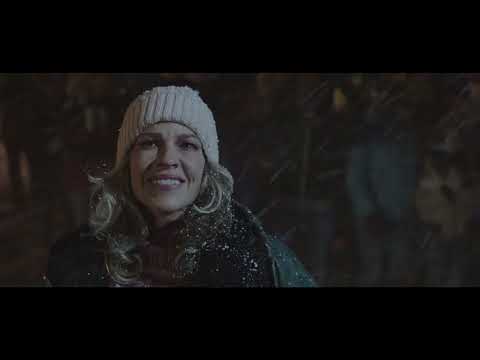
Notes & Trivia
- The score album (Ordinary Angels — Original Motion Picture Score) dropped February 27, 2024 via Lionsgate Records, 23 cues, ~46 minutes.
- End credits include Dave Matthews’ “Pretty Bird,” a neat echo of his producer credit on the film.
- Rink scene needle-drop (“Shake Your Groove Thing”) gives the movie its most carefree beat.
- Yes, that’s R.E.M. in the pivotal bar scene—mandolin and doubt in equal measure.
- Several score cue titles read like chapter heads: “Sharon Gets the Planes,” “Finding a Landing Spot.”
Music–Story Links
Sharon’s chaos is loud—country bar, jukebox classics—until the score’s smaller instruments pull her into focus. Each time the community grows, the cues widen—strings layering as volunteers multiply. When the storm becomes the antagonist, percussion enters like sleet, and the orchestra mimics plows and rotor blades. The credits songs then step back, letting the afterglow belong to people, not spectacle.
Reception & Quotes
Audience chatter called out the “unexpectedly beautiful” score and the smart, low-key needle-drops—familiar music that never steals the scene. Critics echoed the balance: the film’s heart beats louder than any single track.
“Lean cues with clear purpose—no schmaltz, just pulse and payoff.” — a score-watch capsule
“The jukebox choices feel like real rooms, not playlist product.” — a fan note
According to the film’s credits pages, a compact music team kept the mix clean so dialogue and logistics stayed legible even in the blizzard.
Interesting Facts
- Trailer cuts used Sheryl Crow, Dave Matthews Band, and Switchfoot—big-chorus hope for a two-minute sell.
- The bar open uses a Great White cover of “Hard to Handle,” while the film later pivots to gospel-soul (Staple Singers) for the hair-a-thon.
- “Anchor” (Novo Amor) became a fan-favorite search after release thanks to its Christmas scene placement.
- Score vocals are sparing—saved for the storm run so they feel like breath in cold air.
- Composer Pancho Burgos-Goizueta previously scored The Unbreakable Boy, another true-story drama.
Technical Info
- Title: Ordinary Angels (Original Motion Picture Score)
- Year: 2024 (score album released Feb 27; U.S. theatrical Feb 23)
- Type: Movie soundtrack — original score + licensed songs in feature
- Composer: Pancho Burgos-Goizueta
- Music Supervision: Kevin J. Edelman
- Label: Lionsgate Records
- Key Licensed Songs: “Boot Scootin’ Boogie” (Brooks & Dunn); “Losing My Religion” (R.E.M.); “Shake Your Groove Thing” (Peaches & Herb); “Anchor” (Novo Amor); “Sweet Child O’ Mine” (Wendlo cover); “Pretty Bird” (Dave Matthews)
- Trailer Songs: “If It Makes You Happy” (Sheryl Crow); “The Space Between” (Dave Matthews Band); “I Won’t Let You Go” (Switchfoot)
- Running Time (film): 118 minutes
- Availability: Score on Apple Music/Spotify; film distributed by Lionsgate
Questions & Answers
- Who composed the score?
- Pancho Burgos-Goizueta, delivering a 23-cue album on Lionsgate Records.
- Is there a separate “songs” soundtrack?
- No official songs compilation—licensed tracks appear in-film; the released album is the original score.
- What’s the song at the rollerskating rink?
- “Shake Your Groove Thing” by Peaches & Herb.
- Does the movie really use R.E.M.?
- Yes—“Losing My Religion” underscores a key bar scene as Sharon confronts her patterns.
- Which track closes the credits?
- Dave Matthews’ “Pretty Bird” follows a gentler “Sweet Child O’ Mine” cover by Wendlo.
Canonical Entities & Relations
| Subject | Relation | Object |
|---|---|---|
| Jon Gunn | directs | Ordinary Angels (film) |
| Pancho Burgos-Goizueta | composes | Ordinary Angels (original score) |
| Kevin J. Edelman | music-supervises | Ordinary Angels (film) |
| Lionsgate Records | releases | Ordinary Angels (Original Motion Picture Score) |
| Hilary Swank | stars as | Sharon Stevens |
| Alan Ritchson | stars as | Ed Schmitt |
| Brooks & Dunn | perform | “Boot Scootin’ Boogie” (bar scene) |
| R.E.M. | perform | “Losing My Religion” (bar scene with Derek) |
| Peaches & Herb | perform | “Shake Your Groove Thing” (rollerskating) |
| Dave Matthews | performs | “Pretty Bird” (end credits) |
Sources: Filmmusicreporter announcement; Apple Music & Spotify album pages; Soundtracki scene-by-scene index; Wikipedia (film credits); Metacritic credits summary; Lionsgate trailer uploads.
November, 18th 2025
A-Z Lyrics Universe
Cynthia Erivo Popular
Ariana Grande Horsepower
Post Malone Ain't No Love in Oklahoma
Luke Combs Good Riddance (Time of Your Life)
Green Day Bye Bye Bye
*NSYNC You're the One That I Wan
John Travolta & Olivia Newton-John I Always Wanted a Brother
Braelyn Rankins, Theo Somolu, Kelvin Harrison Jr. and Aaron Pierre The Power of Love
Frankie Goes to Hollywood Beyond
Auli’i Cravalho feat. Rachel House MORE ›