Soundtracks:  A B C D E F G H I J K L M N O P Q R S T U V W X Y Z #


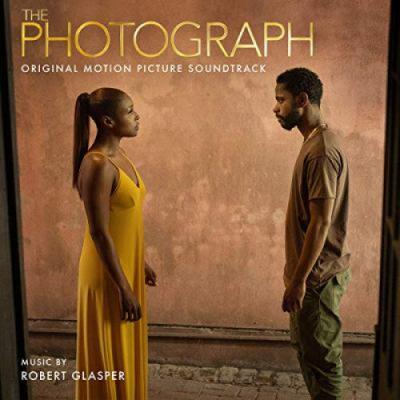
Photograph Album Cover

"Photograph" Soundtrack Lyrics

Movie • 2020

Track Listing


“Photograph (Original Motion Picture Soundtrack)” – Album Guide to Tracks and Key Scenes

Photograph (Ritesh Batra) US trailer still: Rafi aims his camera at Miloni amid Mumbai bustle
Photograph — a quiet Mumbai romance with a tactile, minimalist score

Overview

What does longing sound like when the city won’t stop humming? Photograph answers with air, footsteps, and a handful of notes that never crowd the frame. The film (2019) follows street photographer Rafi and student Miloni through a pretend engagement that becomes a fragile maybe. The soundtrack arrived later (2020), small on purpose: brief cues, gentle motifs, long silences that let Mumbai breathe.

Peter Raeburn’s score leans on piano, light strings, and intimate room tone. Themes appear, hold eye contact, and slip away — like stolen glances across buses and billboards. One vintage Hindi classic drops in like a postcard from another era, a reminder that love in this city has a long memory.

Genres & phases: hushed chamber cues (shyness, routine) → soft street-drift textures (chance meetings) → vintage playback-pop (nostalgia, public romance) → spare reprises (goodbyes you can’t quite say). According to Apple Music’s listing, the album runs 16 tracks in ~27 minutes — more sketchbook than symphony, exactly as this story needs.

How It Was Made

Composer: Peter Raeburn wrote the original score, recorded and mixed to keep the city’s ambient life audible — train clatter, fan creaks, camera clicks. The music sits at conversation level, not above it.

Needle-drop: The filmmakers cleared Mohammed Rafi’s romantic evergreen “Tum Ne Mujhe Dekha” (from Teesri Manzil, 1966) intact — original vocal and orchestration. It’s not a remake; it’s a memory playing out loud.

Behind-the-scenes impression: ferry horns, street-corner speakers, and a slow pan across posters—music at human scale
How it was made — micro-cues, lived-in ambience, one cherished classic

Tracks & Scenes

“Opening Photograph” — Peter Raeburn
Where it plays: Over the opening street textures: low piano figure, hushed pads, the camera’s click folded into the rhythm of Mumbai waking up.
Why it matters: Establishes the film’s sonic contract — intimacy first, melody second.

“Ferry to Gate” — Peter Raeburn
Where it plays: Transit and thresholds — the pair’s movements through crowds, ticket windows, metal turnstiles. The cue rides the sway of public transport.
Why it matters: Turns mundane crossings into emotional steps.

“Dadi” / “Dadi’s Story” — Peter Raeburn
Where it plays: Scenes with Rafi’s grandmother: tea steam, ceiling-fan creaks, gentle strings wrapping her matchmaking energy with warmth and worry.
Why it matters: Gives the family pressure a tender human scale.

“Planning Miloni’s Life” — Peter Raeburn
Where it plays: A lightly comic montage as relatives and strangers map a life she never asked for; the cue winks without mocking.
Why it matters: Shows how quiet people get carried by loud plans.

“Such a Delicate Girl” → “Three Women” — Peter Raeburn
Where it plays: Miloni’s inner weather, then a shift to conversations with women who gently redirect her path; piano phrases seem to listen rather than lead.
Why it matters: The score respects pause, not push.

“Billboard” — Peter Raeburn
Where it plays: Rafi stares up at glossy promises while living hand-to-mouth below them. The cue stays small, almost embarrassed by the ad-world bombast.
Why it matters: Mirrors the film’s class tension without speechifying.

“Tum Ne Mujhe Dekha (from Teesri Manzil, 1966)” — Mohammed Rafi / R.D. Burman
Where it plays: A diegetic moment turns the air nostalgic — the classic wafts from a radio/TV, and for a minute the present borrows the 1960s’ glow. Rafi’s honeyed vocal stops the room.
Why it matters: A love song older than the characters reframes their make-believe intimacy as something possible.

“The Letter” / “Memory of a Moment” — Peter Raeburn
Where it plays: Exchanges that feel like confessions left unsent; piano and airy strings ebb with the ache of almost-said truths.
Why it matters: The score’s most vulnerable writing — no melodrama, just breath.

Trailer collage: Rafi’s battered camera, Miloni in a taxi, and a city ferry at dusk — cues feather in and out
Tracks & scenes — the city hums, the score whispers

Notes & Trivia

  • The film premiered at Sundance (Jan 2019) and Berlinale (Feb 2019); the soundtrack album followed in April 2020.
  • Raeburn’s album is intentionally brief — 16 cues, many under two minutes, designed to leave room for silence.
  • “Tum Ne Mujhe Dekha” is used in its original 1966 recording — no modern recreation.
  • Several cues are built around environmental sound (ferries, fans, street horns) treated as music-adjacent texture.
  • In some territories the digital album is credited to Nowever Records, Raeburn’s imprint.

Music–Story Links

When Rafi photographs strangers, the score barely registers — a soft piano figure, a breath, click. As he and Miloni start to invent a future, cues lengthen by seconds, not minutes — their world opens just a crack. When the old Rafi/Burman song drifts in, it licenses the pair to dream. And when choices land, Raeburn falls back to near-silence, letting ordinary sounds do the talking. The music honors the film’s favorite idea: small feelings deserve space.

Reception & Quotes

Reviews called the film tender and meditative; many singled out the restraint — dialogue, camera, and music moving in the same quiet key.

“A nuanced, slow-burn romance… tender sadness in its tone.” — trade reviews
“Restrained Mumbai romance… an enigmatic meditation on things unsaid.” — UK press
“Silences become part of the score.” — academic commentary
Trailer close-up: Miloni listening, a radio playing an old film song; restraint as aesthetic
Reception — restraint as a love language

Interesting Facts

  • Album shape: 16 cues, ~27 minutes; digital-first release.
  • Label tag: Nowever Records appears on several storefronts for the OST.
  • Playback classic: “Tum Ne Mujhe Dekha” keeps the original Rafi vocal and R.D. Burman arrangement.
  • Diegetic bias: The vintage song is heard in-world (a radio/TV), not as outside commentary.
  • Scene craft: Cue titles mirror narrative beats — “Dadi,” “Billboard,” “Planning Miloni’s Life.”

Technical Info

  • Title: Photograph — Original Motion Picture Soundtrack
  • Year: 2020 soundtrack (film released 2019)
  • Type: Feature film — original score with one vintage song placement
  • Composer: Peter Raeburn
  • Key cues (album): “Opening Photograph,” “Ferry to Gate,” “Billboard,” “Dadi,” “Planning Miloni’s Life,” “Such a Delicate Girl,” “Three Women,” “The Letter.”
  • Notable placement (film): “Tum Ne Mujhe Dekha” — Mohammed Rafi / R.D. Burman (from Teesri Manzil, 1966).
  • Label/availability: Nowever Records; streaming on major platforms.
  • Release context: Premiered Sundance/Berlinale 2019; India release March 15, 2019; US release May 17, 2019.

Questions & Answers

Why do some listings say 2020?
That’s the soundtrack album’s digital release; the film itself opened in 2019.
Who composed the score?
Peter Raeburn. The cues are short, minimalist, and mix with city ambience.
Which old Hindi song is in the movie?
“Tum Ne Mujhe Dekha” (Mohammed Rafi; music by R.D. Burman) from the 1966 film Teesri Manzil, heard diegetically.
Is the classic track on the OST album?
No — the retail album focuses on Raeburn’s score; the vintage playback song is a licensed in-film placement.
Where can I stream the score?
On major platforms (Apple Music, Spotify, YouTube Music) under Photograph (Original Motion Picture Soundtrack) by Peter Raeburn.

Canonical Entities & Relations

SubjectVerbObject
Ritesh Batrawrote & directedPhotograph (2019)
Peter RaeburncomposedPhotograph original score
Mohammed Rafisang“Tum Ne Mujhe Dekha” (from Teesri Manzil)
R.D. Burmancomposed“Tum Ne Mujhe Dekha” (1966)
Amazon StudiosdistributedPhotograph (United States release)
Nowever RecordsreleasedPhotograph OST (2020, digital)

Sources: Apple Music album page; Spotify album page; Soundtree (composer/album note); IMDb (film & soundtrack pages); Wikipedia (film page, song credit); Times of India/Media coverage of “Tum Ne Mujhe Dekha” usage.

November, 18th 2025


A-Z Lyrics Universe

Lyrics / song texts are property and copyright of their owners and provided for educational purposes only.