Soundtracks:  A B C D E F G H I J K L M N O P Q R S T U V W X Y Z #


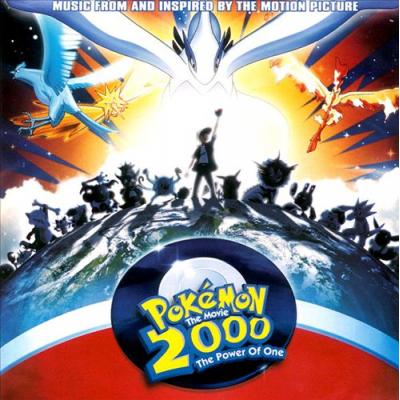
Pokemon 2000: Power of One Album Cover

"Pokemon 2000: Power of One" Soundtrack Lyrics

Movie • 2000

Track Listing


“Pokémon the Movie 2000: The Power of One (Music from and Inspired by the Motion Picture)” – Album Guide to Tracks and Key Scenes

Pokémon the Movie 2000 trailer frame with Lugia rising from the sea amid storm clouds
Pokémon the Movie 2000 — theatrical trailer (2000)

Overview

How do you score a prophecy that literally turns the earth to “Ash”? With a pop-forward soundtrack that hooks the credits and a mythic, recurring melody that steadies the storm. Pokémon the Movie 2000: The Power of One pairs radio-ready singles (capper ballads, novelty smashes) with a story-world theme — “Lugia’s Song” — that the characters perform to heal the world.

The film strands Ash, Misty, and Tracey on Shamouti Island as a collector upsets the balance among the legendary birds Articuno, Zapdos, and Moltres. In between sky-battles and island trials, festival maiden Melody plays the conch-flute air that becomes the movie’s heartbeat. Pop takes the bow at the end; the diegetic melody does the saving.

Distinctiveness? The split personality works: end-credits star power (Donna Summer, Westlife, “Weird Al” Yankovic) and a single leitmotif inside the narrative that the cast keeps returning to. According to the album’s label notes and discographies, the U.S. songs compilation arrived via Atlantic Records in July 2000, while the film’s orchestral material circulated separately as a score release in some regions.

Genres & themes in phases. Teen-pop & adult-contemporary — anthemic, end-credit catharsis. Novelty pop — brand play, wink. Orchestral/ceremonial motif — prophecy, harmony, restoration.

How It Was Made

Score & theme. The Japanese theatrical score is by Shinji Miyazaki; English-language releases in the era also spotlighted arrangements credited in the West to Ralph Schuckett/John Loeffler for the centerpiece cue often titled “The Legend Comes to Life (Lugia’s Song)”. The melody functions diegetically — first as a festival tune, then as the trigger that calms the warring titans when performed in full.

Songs album. The U.S. compilation Pokémon 2000: The Power of One — Music from and Inspired by the Motion Picture gathers Donna Summer’s theme “The Power of One,” “Polkamon” by “Weird Al” Yankovic, Westlife’s “Flying Without Wings,” plus cuts from Laura Pausini, Youngstown & Nobody’s Angel (“Pokémon World”), Angela Vía, O-Town, The B-52’s and more. Track order and credits vary slightly by territory, but the core lineup is consistent across official listings.

Trailer still of Shamouti Island festival as the score swells toward the prophecy
Behind the music: a diegetic festival tune inside, a pop anthology outside.

Tracks & Scenes

“The Legend Comes to Life (Lugia’s Song)” — festival melody; arranged in-film
Where it plays: Shamouti Island’s opening ceremony introduces the tune on Melody’s conch-flute; fragments recur during island trials. In the climax at the shrine, Ash places the final treasure and Melody performs the complete air; an orchestral chorus swells as Lugia revives and the storms subside.
Why it matters: It’s the story’s literal key — a diegetic motif that heals the birds and “turns the earth to Ash” from wordplay into destiny.

“The Power of One” — Donna Summer
Where it plays: End credits. The final montage gives way to Summer’s gospel-soul anthem; versions/edits differ by region, but the song is the marquee credit theme.
Why it matters: Sums the moral in plain English: one person can re-balance a world knocked off axis.

“Polkamon” — “Weird Al” Yankovic
Where it plays: Credits sequence, typically following the main theme; a polka-roll call of Pokémon names that turns the exit into a party.
Why it matters: Brand play as catharsis — the novelty hook sticks, especially for younger viewers.

“Flying Without Wings” — Westlife
Where it plays: The last song of the credits in many releases; acts as the gentle curtain after the celebration tracks.
Why it matters: Pops the champagne, then lets the audience float out on a softer power-ballad.

“Pokémon World” — Youngstown & Nobody’s Angel
Where it plays: Featured in the movie’s English-language soundtrack program/credits listings; associated with the Johto-era TV theme branding for the U.S. release circles.
Why it matters: Ties the feature back to the TV identity fans knew week to week.

“Comin’ to the Rescue” — O-Town
Where it plays: Not in the main feature; it’s the theme for the companion short Pikachu’s Rescue Adventure that preceded theatrical screenings.
Why it matters: Explains why it’s on the soundtrack CD: the “movie event” included the short.

Trailer cue note: U.S. trailers leaned on dramatic score swells and sound design rather than pop singles; the album lives mostly in end credits and the short.

Trailer still of the shrine on Shamouti Island as the conch-flute melody becomes orchestral
Key placements: Melody’s conch-flute at festival and finale; end credits stack of pop singles.

Notes & Trivia

  • The prophecy’s pun — “the earth shall turn to Ash” — pays off when Ash completes the trials and Melody finishes the song at the shrine.
  • Donna Summer’s single was produced by David Foster, with a B-side built from the film’s score cue “The Legend Comes to Life.”
  • “Polkamon” name-checks dozens of species in polka time — a novelty anthem tailor-made for the franchise’s roll call.
  • Depending on version, Westlife’s “Flying Without Wings” is the final credits song after the Donna Summer/Yankovic pair.
  • The English-market score album for this film had limited regional availability compared with the widely distributed songs compilation.

Music–Story Links

When Melody first toots the conch at the island ceremony, the tune is pageantry; when she reprises it at the ruined shrine, it becomes agency — the same notes but with the whole world listening. The credits pivot the other way: after the myth closes, Donna Summer and “Weird Al” move the audience from reverence back to pop play. That’s the balance the movie strikes — sacred inside, secular outside.

Reception & Quotes

The film drew mixed notices but fans locked onto the prophecy, Lugia, and the earworm melody. The soundtrack, meanwhile, did what it set out to do: give families a recognizable radio moment as they left the theater.

“Weird Al’s ‘Polkamon’ plays during the ending credits.” — production/soundtrack notes
“The last song played during the credits was ‘Flying Without Wings’ by Westlife.” — release coverage
“Album released by Atlantic Records with contemporary pop acts alongside the film theme.” — label & discography listings
Trailer frame: Lugia soars as storm light breaks, echoing the film’s central melody
Reception snapshot: the melody stuck; the credits singles kept spinning on radio and compilations.

Interesting Facts

  • Album code: U.S. CD catalog number often appears as Atlantic 83370-2.
  • International shuffle: Some territories swapped track order; the core roster (Donna Summer, Westlife, “Weird Al,” etc.) persisted.
  • B-side as lore: The “Power of One” single’s flip uses the score cue built from Lugia’s theme — a neat score/pop handshake.
  • Short + feature package: The theatrical “event” bundled the Pikachu short, which is why O-Town’s track is on the album even if it’s not in the feature’s narrative.
  • Prophecy’s staying power: Years later, lines from the lyric were quoted in U.S. political speechmaking — a strange afterlife for a kids’ movie song.

Technical Info

  • Title: Pokémon 2000: The Power of One — Music from and Inspired by the Motion Picture
  • Year: 2000 (U.S. release July 18; film’s U.S. release July 21)
  • Type: Film soundtrack (various artists) + separate regional score releases
  • Key songs: “The Power of One” (Donna Summer); “Polkamon” (“Weird Al” Yankovic); “Flying Without Wings” (Westlife); “Pokémon World” (Youngstown & Nobody’s Angel)
  • Central theme (score): “The Legend Comes to Life (Lugia’s Song)” — arranged for on-screen conch-flute and orchestra
  • Label: Atlantic Records (U.S. compilation)
  • Availability: CD & legacy digital storefronts (regional differences); English-market score album saw limited distribution compared to the VA songs CD

Questions & Answers

Which songs actually play during the credits?
Donna Summer’s “The Power of One,” then “Polkamon”; many versions end with Westlife’s “Flying Without Wings.”
Is “Comin’ to the Rescue” in the movie?
It’s tied to the companion short Pikachu’s Rescue Adventure that preceded the feature, not the main narrative.
Who “wrote” Lugia’s Song?
The film presents it as a festival melody; English-market releases credit arrangements by Ralph Schuckett/John Loeffler, with the Japanese score by Shinji Miyazaki.
What label released the songs album?
Atlantic Records handled the U.S. release of the compilation in July 2000.
Does the trailer use these pop tracks?
No — marketing leaned on dramatic score swells; the pop tracks mostly live in the credits and the attached short.

Canonical Entities & Relations

SubjectRelationObject
Shinji Miyazakicomposed original film score forPokémon the Movie 2000 (JP release)
Ralph Schuckett & John Loefflerarranged/credited on“The Legend Comes to Life (Lugia’s Song)” (EN releases/album material)
Donna Summerperformed theme song“The Power of One”
“Weird Al” Yankovicperformed“Polkamon”
Westlifeperformed“Flying Without Wings” (credits)
Youngstown & Nobody’s Angelperformed“Pokémon World”
O-Townperformed“Comin’ to the Rescue” (Pikachu short)
Atlantic RecordsreleasedU.S. songs compilation
Warner Bros. PicturesdistributedU.S. release of the film

Sources: Bulbapedia soundtrack entry; Wikipedia film & single pages; VGMdb listing (Atlantic 83370-2); Discogs master/release pages; soundtrack notes covering credits order & companion short.

November, 19th 2025


A-Z Lyrics Universe

Lyrics / song texts are property and copyright of their owners and provided for educational purposes only.