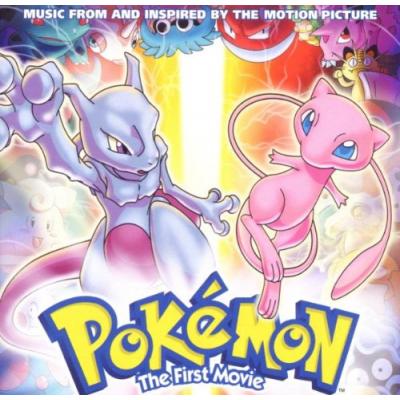
"Pokemon the First Movie" Soundtrack Lyrics
Movie • 1999
Track Listing
Billy Crawford
M2M
Ashley Ballard with So Plush
Christina Aguilera
Britney Spears
'N Sync
B*Witched
Emma Bunton (a.k.a Baby Spice)
98 Degrees
Mandah
Vitamin C
Billie
Angela Via
Aaron Carter
Midnight Sons
Blessid Union of Souls
“Pokémon: The First Movie — Music From and Inspired by the Motion Picture / Original Motion Picture Score” – Album Guide to Tracks and Key Scenes
Overview
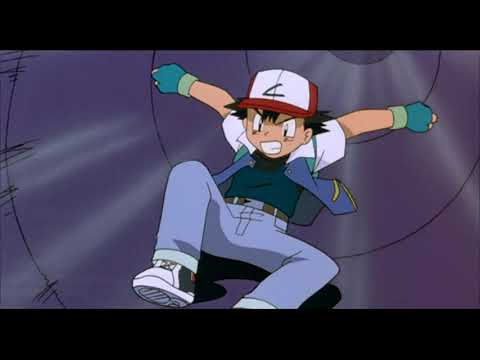
How do you soundtrack a blockbuster that starts with a philosophical clone and ends with tears bringing a boy back to life? Split the difference: a radio-dominant pop album for the cultural moment and a lean, dramatic score album for the myth. Pokémon: The First Movie delivers both — teen-pop singles for the lobby and a punchy orchestral/electronic score for the arena on Mewtwo’s island.
The North American songs album is a time capsule of 1999 — M2M, Christina Aguilera, 98°, Emma Bunton, Britney (deep cut!), and more. Most cuts live in the credits or on the CD only, while one in-film needle-drop, Blessid Union of Souls’ “Brother My Brother,” turns the infamous clone-vs-original melee into a protest montage.
Parallel to that, the English-territory score distills the film’s spine into concise cues: “The Birth of Mewtwo,” “Pokémon vs. Clone,” “Tears of Life.” It’s clean, kinetic, unfussy — the way a Saturday-matinee epic should sound. According to label notes and discographies, Atlantic handled the pop compilation (November 1999) and Koch issued the score on CD the following year.
Genres & themes in phases. Teen-pop/AC radio — brand power, end-credit lift. Rock/adult-contemporary — anti-violence plea. Hybrid orchestral score — origin, combat, grace note.
How It Was Made
Two releases, two missions. The various-artists CD — Pokémon: The First Movie: Music From and Inspired by the Motion Picture — arrived via Atlantic Records and went double-platinum in the U.S. The score album — Pokémon: The First Movie: Original Motion Picture Score — followed, presenting the English-dub feature and attached short in cue form.
Who wrote what? The Japanese theatrical score is by Shinji Miyazaki; for the English releases the score album credits a studio team (Ralph Schuckett, John Loeffler and collaborators) who shaped the feature cues and the short’s music into the 13-track program. The approach keeps motifs compact: origin → storm → confrontation → “Tears of Life.”
Tracks & Scenes
“Brother My Brother” — Blessid Union of Souls
Where it plays: During the clone–original fight montage on New Island, as Mewtwo and Mew clash and the arena falls silent save for impacts and the song. Non-diegetic.
Why it matters: A moral hard-stop — the lyric reframes the spectacle as a plea against fighting, culminating in Ash’s sacrifice.
“Don’t Say You Love Me” — M2M
Where it plays: End credits (North American release). The pop swing resets the mood after the miracle ending; the video cut featured film clips in 1999 promos.
Why it matters: The campaign’s breakout single — the song most people heard again on the car ride home.
“We’re a Miracle” — Christina Aguilera
Where it plays: Credits rotation after the feature in many U.S. versions; slotted among the compilation’s marquee tracks.
Why it matters: A then-new pop superstar lends the album extra chart shine.
“Vacation” — Vitamin C
Where it plays: In the attached short Pikachu’s Vacation (the pre-feature cartoon screened with the film). Upbeat, scene-setting montage piece.
Why it matters: Explains why it’s on the CD even if you don’t hear it in the main feature.
“Catch Me If You Can” — Angela Via
Where it plays: Also from the Pikachu’s Vacation short; used over playtime shenanigans with the TV cast’s Pokémon.
Why it matters: Ties the feature to the TV-era vocal catalog the U.S. audience knew.
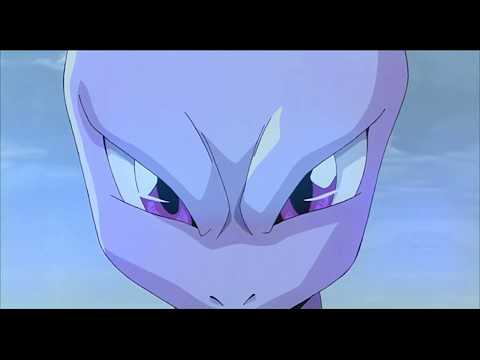
Score cue: “The Birth of Mewtwo”
Where it plays: Prologue montage — genetics, glass, anger; the cue states the film’s tragedy and power curve.
Why it matters: Establishes the score’s darker color compared with the series.
Score cue: “Pokémon vs. Clone”
Where it plays: Melee set-piece under strobe lightning; taut rhythmic writing compared with the song overlay heard in U.S. prints.
Why it matters: The musical blueprint of the arena battle as an action cue.
Score cue: “Tears of Life”
Where it plays: The aftermath: stone stillness, then revival as the Pokémon’s tears fall.
Why it matters: The franchise’s first big lump-in-throat orchestral moment — payoff cue of the entire film.
Notes & Trivia
- The Atlantic compilation hit double-platinum in the U.S.; the campaign even included a mail-in promo for a Jigglypuff trading card.
- Plenty of album cuts never appear in the feature (e.g., Britney’s “Soda Pop,” NSYNC’s “Somewhere, Someday”) — classic “music inspired by” strategy.
- The score album’s track list also bundles three cues from the attached short (Pikachu’s Vacation).
- “Don’t Say You Love Me” had a lyric tweak on the soundtrack/single edit compared with M2M’s album version.
Music–Story Links
“Brother My Brother” reframes the brawl as tragedy — its chorus undercuts the punches we’re watching. The score then steals the scene: “Pokémon vs. Clone” runs the mechanics, but “Tears of Life” owns the catharsis. Once Ash revives, the credits flip to pop: the movie’s intensity gives way to radio relief, and the brand marches on with hits.
Reception & Quotes
Critics were hard on the dub but the soundtrack strategy worked. The compilation charted internationally; the score became the go-to “first-era” set for fans who wanted the movie’s dramatic arc without the pop gloss.
“Double-platinum pop set paired with a compact, effective score.” — album & label notes
“The fight montage’s needle-drop (‘Brother My Brother’) remains the film’s most debated musical choice.” — fan retrospectives
“Lean cues — ‘Birth of Mewtwo,’ ‘Tears of Life’ — carry the movie’s emotional weight.” — score reviews
Interesting Facts
- Enhanced CD: Early pressings included PC extras (videos/screensaver) and the mail-in Jigglypuff promo card.
- Short matters: Several tracks on the pop album (“Vacation,” “Catch Me If You Can”) belong to the attached short, not the feature.
- Score reuse: Portions of the English score were later reused in Mewtwo Returns.
- Time capsule: The songs roster captures late-’90s teen-pop in amber — Aguilera, NSYNC, 98°, Emma Bunton, Britney.
- Two lenses: Japan’s release kept Shinji Miyazaki’s original score and different song programming; the English track lists reflect U.S. radio priorities.
Technical Info
- Title: Pokémon: The First Movie — Music From and Inspired by the Motion Picture (songs) / Pokémon: The First Movie — Original Motion Picture Score (score)
- Year: 1999 (songs album, Nov 9); 2000 (score album, May 9)
- Type: Film soundtrack (various artists) + separate score album
- Score credits (EN): Ralph Schuckett, John Loeffler and collaborators (album presentation/English score); original JP score by Shinji Miyazaki
- Key songs featured/associated: Blessid Union of Souls — “Brother My Brother” (in-film montage); M2M — “Don’t Say You Love Me” (end credits); Christina Aguilera — “We’re a Miracle” (credits); Vitamin C — “Vacation” (Pikachu’s Vacation short); Angela Via — “Catch Me If You Can” (short)
- Labels: Atlantic Records (songs album); Koch Records (score CD; later digital under Pokémon/Laced)
- Certifications: U.S. 2× Platinum (songs album)
Questions & Answers
- Which songs actually play in the film proper?
- The most prominent in-film needle-drop is “Brother My Brother” during the clone fight; most pop cuts appear over end credits or in the attached short.
- What’s the difference between the albums?
- The Atlantic compilation is pop-artist heavy (“from and inspired by”); the separate score album collects the film’s dramatic cues in sequence.
- Who composed the movie’s score?
- Shinji Miyazaki scored the original Japanese release; the English score album credits Ralph Schuckett, John Loeffler and collaborators for the dub’s cues/presentation.
- Was “Don’t Say You Love Me” in the movie?
- Yes — it plays over the U.S. end credits, and its 1999 video integrated footage from the film.
- Why is Vitamin C on the album if her song isn’t in the main feature?
- “Vacation” belongs to the pre-feature short Pikachu’s Vacation, which screened with the movie in theaters.
Canonical Entities & Relations
| Subject | Relation | Object |
|---|---|---|
| Atlantic Records | released | Pokémon: The First Movie — Music From and Inspired by the Motion Picture (1999) |
| Koch Records | released | Pokémon: The First Movie — Original Motion Picture Score (2000 CD) |
| Ralph Schuckett & John Loeffler | composed/produced English score album for | Mewtwo Strikes Back (English dub) |
| Shinji Miyazaki | composed original score for | Mewtwo Strikes Back (Japanese release) |
| Blessid Union of Souls | performed | “Brother My Brother” (melee montage) |
| M2M | performed | “Don’t Say You Love Me” (end credits) |
| Christina Aguilera | performed | “We’re a Miracle” (credits) |
| Vitamin C | performed | “Vacation” (Pikachu’s Vacation short) |
| Angela Via | performed | “Catch Me If You Can” (Pikachu’s Vacation short) |
Sources: Atlantic/Koch album listings and discographies; Bulbapedia entries for soundtrack & score; Wikipedia pages for soundtrack/film; Discogs releases; score reviews; promotional single documentation.
November, 19th 2025
A-Z Lyrics Universe
Cynthia Erivo Popular
Ariana Grande Horsepower
Post Malone Ain't No Love in Oklahoma
Luke Combs Good Riddance (Time of Your Life)
Green Day Bye Bye Bye
*NSYNC You're the One That I Wan
John Travolta & Olivia Newton-John I Always Wanted a Brother
Braelyn Rankins, Theo Somolu, Kelvin Harrison Jr. and Aaron Pierre The Power of Love
Frankie Goes to Hollywood Beyond
Auli’i Cravalho feat. Rachel House MORE ›