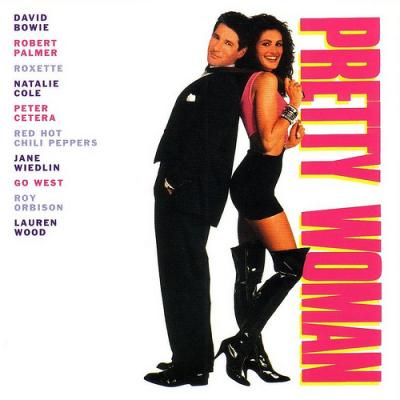
"Pretty Woman" Soundtrack Lyrics
Movie • 1990
Track Listing
Natalie Cole
David Bowie
Go West
Jane Wiedlin
Roxette
Robert Palmer
Peter Cetera
Christopher Otcasek
Lauren Wood
Roy Orbison
Red Hot Chili Peppers
“Pretty Woman (Original Motion Picture Soundtrack)” – Album Guide to Tracks and Key Scenes
Overview
A fairy tale about class and consent with a rock-pop mixtape? That paradox is the hook. Pretty Woman turns Rodeo Drive into a chorus line and a penthouse into a music box. Big feelings, bigger hooks — the soundtrack does the Cinderella work while the film winks.
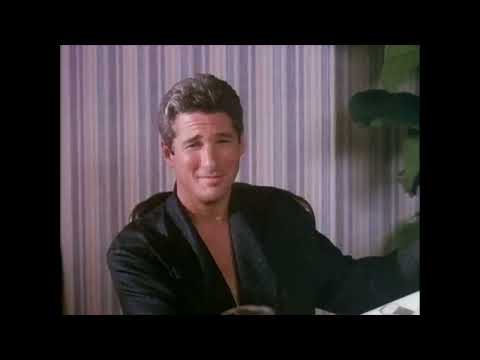
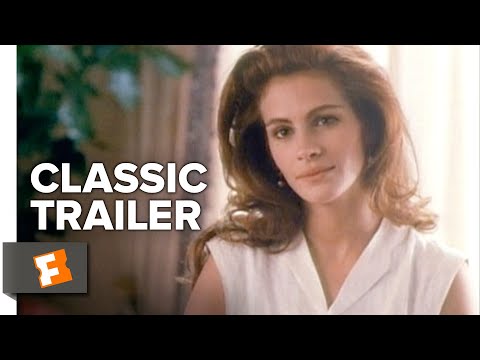
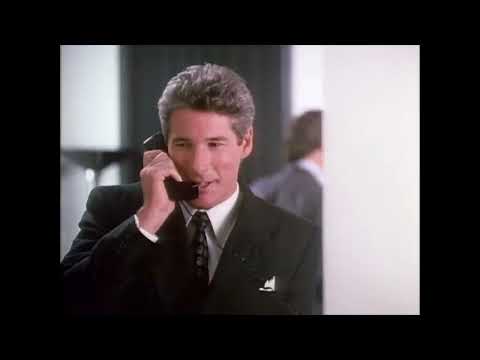
The story is simple: Vivian (Julia Roberts), a quick-witted Hollywood Boulevard sex worker, and Edward (Richard Gere), a corporate raider with expensive blind spots, strike a deal and stumble into romance. Songs function like neon chapter headings: a strutting opener, a shopping-spree anthem, a final-act power ballad that feels like closing credits for an entire era.
What makes the album distinct is its split personality used with intent — front-foot, glossy pop for transformation and public spectacle, then slower, breathy material for intimacy. The compilation stitches Roy Orbison’s title cut to brand-new radio smashes (Roxette, Go West) and dance-floor polish (Bowie’s “Fame ’90” remix), while the film itself threads in opera and baroque cues to mirror its “fallen woman” fairy-tale DNA.
Genres & phases: radio-ready pop — makeover and momentum; remixed classic rock — money and status; adult-contemporary ballads — quiet confessions; opera/baroque — mirrors of the plot; late-80s alt/funk — messy nightlife and afters.
How It Was Made
The album arrived March 13, 1990 on EMI with a compact 40-odd minutes of radio hitters. According to Wikipedia, it spun off multiple singles and went triple-platinum in the U.S., led by Roxette’s reworked “It Must Have Been Love,” which topped the Hot 100 in June 1990.
Score duties fell to James Newton Howard, whose love theme (“He Sleeps”) supplies orchestral warmth between the needle-drops. In editorial, sleek song entrances are used as visual punctuation — hard cuts to hooks, then quick fades to dialogue, a Garry Marshall signature that keeps scenes buoyant.
Licensing leans aspirational but accessible: veteran icons (Roy Orbison, David Bowie) sit beside then-current pop/rock names (Go West, Natalie Cole, Peter Cetera). As listed by Discogs, the standard album sequence corrals 11 cuts; the movie features several additional pieces (Prince, Verdi, Vivaldi) beyond the LP.
Tracks & Scenes
“The King of Wishful Thinking” — Go West
Where it plays: opening credits sequence, as L.A. sets the board — valet lines, fast goodbyes, a city that never stops selling (non-diegetic).
Why it matters: it’s the movie’s thesis in a grin: denial as armor, optimism as fuel.
“Wild Women Do” — Natalie Cole
Where it plays: Rodeo Drive shopping beats; Vivian re-enters boutiques with new leverage, salespeople recalibrate (source-adjacent montage bed).
Why it matters: swagger restored. The lyric flips judgment into autonomy — a character turn scored as a strut.
“Oh, Pretty Woman” — Roy Orbison
Where it plays: the iconic shopping-spree montage — dresses twirl, bags swing, the city applauds (non-diegetic).
Why it matters: title, plot, and image click into one pop-cultural GIF — instant myth.
“Fallen” — Lauren Wood
Where it plays: a tender suite of moments around Vivian’s return to the hotel and her rapport with the manager; the camera lingers as public performance drops (non-diegetic).
Why it matters: first unguarded warmth — the ballad breathes space into the fairy tale.
“No Explanation” — Peter Cetera
Where it plays: end-credits rotation (first of the final credit songs), sending the couple out on a glossy, grown-up note (non-diegetic).
Why it matters: lets the story exhale; adult-contemporary sheen as happily-ever-after.
“Show Me Your Soul” — Red Hot Chili Peppers
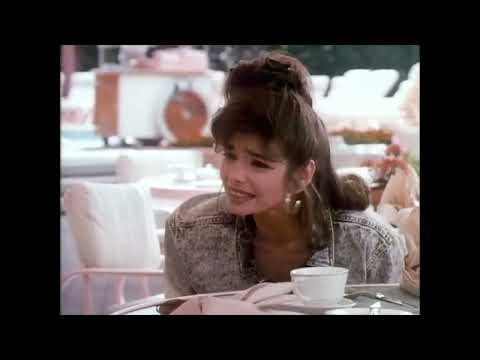
Where it plays: a club-world interlude with Vivian and Kit; noise, neon, and a nudge of danger (non-diegetic/ambient source).
Why it matters: the movie remembers where Vivian started — funk as gravity.
“Fame ’90” — David Bowie
Where it plays: slick city montage beats — limos, elevators, money moving (non-diegetic).
Why it matters: fame and appetite as texture; it’s the sound of Edward’s world.
“Real Wild Child (Wild One)” — Christopher Otcasek
Where it plays: late-night Los Angeles, street-level energy; plays into the club/party palette (non-diegetic).
Why it matters: adds youthful voltage to a story about reinvention.
“It Must Have Been Love” — Roxette
Where it plays: the separation beat, when things fall apart before they’re allowed to mend; a city-at-dawn sadness (non-diegetic).
Why it matters: the definitive rom-com power ballad — heartbroken, widescreen, unforgettable.
“Kiss” — Prince & The Revolution
Where it plays: bathtub scene — Vivian sings along, unaware she has an audience; flirtation becomes comic timing (source: in-scene playback/sing-along).
Why it matters: playfulness opens the door to intimacy — a pop classic used as character study.
Vivaldi — “The Four Seasons” (selections)
Where it plays: elegant dinner cues with clients; string brightness underscores etiquette tests (diegetic background).
Why it matters: money as music — baroque manners before the inevitable faux pas.
Verdi — La traviata (selections)
Where it plays: the opera house evening; Vivian sees her own story in Violetta and can’t hold back tears (diegetic performance).
Why it matters: the mirror text — a courtesan, a bargain, a heart. The movie says the quiet part out loud.
Notes & Trivia
- Richard Gere’s late-night piano piece in the penthouse was improvised; he earned a tiny “composed by” nod for it.
- Roxette’s “It Must Have Been Love” was originally a 1987 single — reworked for the film, then became a U.S. #1.
- James Newton Howard’s love theme (“He Sleeps”) became a 90s date-night staple on film-score compilations.
- Verdi’s La traviata is the film’s secret spine — a 19th-century tale of a courtesan refracted into a 1990 rom-com.
- Not every song in the movie made the LP; the album focuses on 11 radio-leaning cuts.
Music–Story Links
When Vivian is treated like furniture, the soundtrack turns loud and glossy — “Wild Women Do,” “Oh, Pretty Woman” — music that reclaims the room. When the mask slips, ballads arrive: “Fallen” softens edges, “It Must Have Been Love” faces loss. Edward’s world is chrome and glass, so “Fame ’90” and sleek instrumentals sell distance and control. The opera sequence is the hinge — once Vivian recognizes herself in Violetta, the score nudges aside the chart hits to let the story breathe.
Reception & Quotes
Commercially, the album was a juggernaut; according to Wikipedia, U.S. sales reached triple-platinum and the compilation landed high on 1990’s year-end charts. Critics often credit the music with turning a studio rom-com into a pop moment that defined its year.
“A machine for making feelings bigger — songs placed like exclamation points.” Album retrospectives
“That title cue didn’t just sell a montage — it named the movie.” Critic roundups
“Howard’s theme stitches the fairy tale together between the hits.” Score features
Interesting Facts
- “King of Wishful Thinking” and “It Must Have Been Love” both became signature songs for their artists thanks to the film push.
- Prince’s “Kiss” is a diegetic sing-along — one of the film’s most quoted meet-cute beats.
- The album omits James Newton Howard’s score cues; only songs appear on the standard release.
- Opera choice wasn’t random — La traviata (The Fallen Woman) echoes Vivian’s arc point-for-point.
- Multiple pressings and later vinyl reissues keep the title in print; collectors chase early EMI copies.
Technical Info
- Title: Pretty Woman (Original Motion Picture Soundtrack)
- Year: 1990 (film & album)
- Type: Compilation soundtrack (various artists); separate original score by James Newton Howard (not on LP)
- Label: EMI
- Key placements: Go West — “The King of Wishful Thinking”; Natalie Cole — “Wild Women Do”; Roy Orbison — “Oh, Pretty Woman”; Roxette — “It Must Have Been Love”; Peter Cetera — “No Explanation”; Red Hot Chili Peppers — “Show Me Your Soul”; David Bowie — “Fame ’90”; Christopher Otcasek — “Real Wild Child (Wild One)”; Lauren Wood — “Fallen”; Prince — “Kiss”; Verdi — La traviata (selections); Vivaldi — The Four Seasons (selections).
- Notable scene cues: Opening credits (“King of Wishful Thinking”); tub sing-along (“Kiss”); makeover & spree (“Oh, Pretty Woman” / “Wild Women Do”); breakup (“It Must Have Been Love”); end credits (“No Explanation”).
- Availability: widely streaming; multiple vinyl/CD issues; film includes additional music beyond the 11-track LP.
Questions & Answers
- Is the title song actually in the shopping montage?
- Yes — Roy Orbison’s “Oh, Pretty Woman” powers the Rodeo Drive spree and the movie’s brand.
- Which version of “Fame” is used?
- The 1990 remix “Fame ’90,” cut to fit the film’s sleek, moneyed textures.
- Why isn’t the orchestral score on the album?
- The commercial LP focuses on songs; James Newton Howard’s cues are in the film only.
- Where does “It Must Have Been Love” land in the story?
- Over the heartbreak phase — a quiet, early-morning ache before the final gesture.
- Does the movie use opera for a reason?
- Yes — La traviata mirrors Vivian’s arc, turning a date into a narrative mirror.
Canonical Entities & Relations
| Subject | Relation | Object |
|---|---|---|
| Garry Marshall | directed | Pretty Woman (1990 film) |
| James Newton Howard | composed | Pretty Woman (original score) |
| EMI | released | Pretty Woman (Original Motion Picture Soundtrack) |
| Go West | performed | “The King of Wishful Thinking” (opening credits) |
| Natalie Cole | performed | “Wild Women Do” (shopping sequences) |
| Roy Orbison | performed | “Oh, Pretty Woman” (montage) |
| Roxette | performed | “It Must Have Been Love” (breakup cue) |
| Peter Cetera | performed | “No Explanation” (end credits) |
| Red Hot Chili Peppers | performed | “Show Me Your Soul” (club milieu) |
| David Bowie | performed | “Fame ’90” (city/status montage) |
| Giuseppe Verdi | wrote | La traviata (opera sequence) |
| Antonio Vivaldi | wrote | The Four Seasons (dinner background) |
Sources: Wikipedia (soundtrack & chart/certification notes), Discogs (track sequence/pressings), WhatSong & soundtrack indexes (scene placements), People Magazine features (piano/behind-the-scenes), opera guides for La traviata context.
According to Wikipedia, the album hit triple-platinum in the U.S. and “It Must Have Been Love” reached #1 in June 1990. As listed by Discogs, common pressings carry 11 tracks on EMI. Per WhatSong/industry indexes, placements like “Kiss” (bathtub) and Vivaldi/Verdi cues occur in-scene, with “King of Wishful Thinking” at the open and “No Explanation” in the end credits.
November, 19th 2025
A-Z Lyrics Universe
Cynthia Erivo Popular
Ariana Grande Horsepower
Post Malone Ain't No Love in Oklahoma
Luke Combs Good Riddance (Time of Your Life)
Green Day Bye Bye Bye
*NSYNC You're the One That I Wan
John Travolta & Olivia Newton-John I Always Wanted a Brother
Braelyn Rankins, Theo Somolu, Kelvin Harrison Jr. and Aaron Pierre The Power of Love
Frankie Goes to Hollywood Beyond
Auli’i Cravalho feat. Rachel House MORE ›