Soundtracks:  A B C D E F G H I J K L M N O P Q R S T U V W X Y Z #


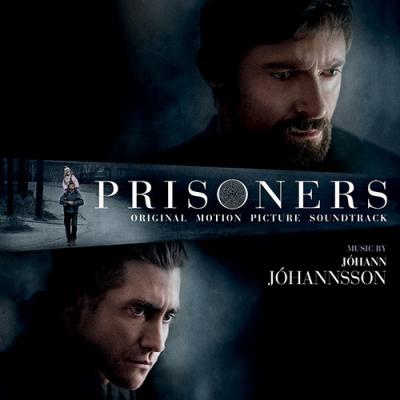
Prisoners Album Cover

"Prisoners" Soundtrack Lyrics

Movie • 2013

Track Listing


“Prisoners (Original Motion Picture Soundtrack)” – Album Guide to Tracks and Key Scenes

Prisoners 2013 trailer still: rain-streaked windshield, blue-red police wash over Detective Loki
Prisoners — original score album, 2013

Overview

Where do you put music in a film that stares at darkness this long? Jóhann Jóhannsson answers with restraint. His Prisoners score sits like winter air: strings that hover, organs that breathe, a distant choir that sounds more like memory than comfort. The effect is cold, mournful, and—crucially—human.

The story spirals from a Thanksgiving disappearance into obsession: Keller Dover digs a moral hole; Detective Loki keeps looking for a door. The album follows that moral weather—processional chords for grief rituals, low drones for suspicion, and sudden percussive heartbeats when violence breaks the hush. Titles such as “The Candlelight Vigil,” “The Tall Man,” and “Through Falling Snow” map cleanly to the film’s dread-soaked beats.

Distinctive here: it’s almost all score. Only a few needle-drops surface in the movie, which makes Jóhannsson’s palette carry unusual weight for a major-studio thriller. According to WaterTower Music, the official release collects sixteen cues (≈55 minutes), sequenced to echo the investigation’s steady, sick momentum.

How It Was Made

Composer & sessions: Jóhann Jóhannsson wrote three core themes (“The Keeper,” “I Can’t Find Them,” “Through Falling Snow”) and let variations grow around them—process he described as building “poetic counterpoint” to the horror onscreen. Recording took place at AIR Studios London with additional work at Remote Control Productions and Black Saloon; Ben Foster conducted, Geoff Foster recorded, and Mandy Parnell mastered.

Sound-world & instruments: Strings and organ are the spine, with color from ondes Martenot and Cristal Baschet (Thomas Bloch), solo violin (Thomas Bowes), and solo cello (Caroline Dale). The music leans toward hymn and lament rather than standard thriller bombast, which is why the quiet hurts.

Album & credits: Released by WaterTower Music (with ASG) in mid-September 2013; music supervision by Deva Anderson. As listed on Apple/Spotify, digital editions run sixteen tracks, mirroring the studio sequence.

Trailer frame: Keller Dover in a gray downpour as the score swells like distant thunder
Inside the sessions: AIR Studios strings, organ, and rare timbres (ondes Martenot, Cristal Baschet).

Tracks & Scenes

“The Lord’s Prayer” — Jóhann Jóhannsson
Where it plays: early in the film, a slow procession of harmony as the community tightens around the missing girls; the cue also frames private moments of resolve and denial (non-diegetic).
Why it matters: establishes the score’s ritual quality—sacred shape without comfort.

“I Can’t Find Them”
Where it plays: Keller’s panic hardens into obsession; the string bed grows tense as he starts following hunches alone (non-diegetic).
Why it matters: the score’s grief motif, stripped of warmth and left to pace.

“The Candlelight Vigil”
Where it plays: the town gathers under wax and winter breath; faces flicker, hope thins (non-diegetic).
Why it matters: communal sorrow in slow motion; you can hear the cold.

“Surveillance Video”
Where it plays: Loki combs footage; a pulse builds under CRT glow as new patterns emerge (non-diegetic).
Why it matters: procedural patience—the music turns watching into work.

“Escape”
Where it plays: RV perimeter and pursuit; sirens smear across the frame as the orchestra snaps into muscles (non-diegetic).
Why it matters: one of the score’s rare adrenaline spikes; restraint makes it hit harder.

“The Tall Man”
Where it plays: the case widens—basements, boxes, mazes; the harmony goes slate-gray (non-diegetic).
Why it matters: villain color without melodrama—flat affect that terrifies.

“Following Keller”
Where it plays: Loki starts shadowing Dover; two obsessions circle each other in rain and headlights (non-diegetic).
Why it matters: the score finally lets the detective and the father share a pulse.

“Through Falling Snow”
Where it plays: the long drive and hospital run—the windshield becomes a light show of sirens and sleet, faces lit in blue (non-diegetic).
Why it matters: Jóhannsson’s most cathartic cue here; grief and relief collide.

“The Keeper”
Where it plays: revelation in the house and the pit; the organ shows its teeth as the narrative closes its trap (non-diegetic).
Why it matters: moral gravity—no triumph, just consequence.

Diegetic needle-drop: “Put Your Hand in the Hand” — Ocean
Where it plays: heard in-world during a kidnapper’s drive; the lyric—simple, pious—curdles against what we’re seeing (diegetic, on radio/character lips).
Why it matters: one sunny gospel-pop tune makes the film’s evil feel colder.

Headlights on wet asphalt; a police cruiser slices the night as strings surge
Key cues: ritual grief, patient procedure, sudden violence—and one chilling in-world song.

Notes & Trivia

  • Music supervision by Deva Anderson; the score album is exclusively Jóhannsson’s work.
  • Rare timbres: ondes Martenot and Cristal Baschet (performed by Thomas Bloch) add glass-and-air color.
  • Soloists include Thomas Bowes (violin) and Caroline Dale (cello); Ben Foster conducted.
  • Villeneuve minimized temp tracks—Jóhannsson wrote early pieces that survived into the final cut.
  • The score later appeared on several “Best of 2013” lists for film music.

Music–Story Links

Grief scenes receive processional harmony (ritual, community). Loki’s investigation gets patient ostinatos (procedure, pattern-seeking). Keller’s descent trades melody for weight—organ and low strings that feel like concrete. When action arrives (“Escape,” the hospital run), rhythm finally speaks, then recedes. The diegetic gospel-pop drop is the needle that pricks the film’s skin: evil humming along to something cheerful.

Reception & Quotes

Critics called the score “haunting” and “mournful,” noting how it refuses cheap jolts. Year-end lists tucked it alongside the season’s prestige releases. Per Wikipedia’s compilation of reviews, Variety singled it out as striking “the right haunting, mournful notes.”

“Quiet devastation—sacred shadows instead of thriller fireworks.” Score roundups
“A lyrical counterweight to brutality.” Composer interviews, 2013–2014
“The hospital drive cue is shattering.” Fan/critic capsules
Candlelight vigil: faces in amber, winter breath in the dark, strings like a low prayer
Reception: a spare, hymn-haunted score that holds the film’s moral weight.

Interesting Facts

  • The album’s opener and closer form a liturgy: “The Lord’s Prayer” to “The Keeper.”
  • Digital/streaming editions run 16 tracks (~55 minutes); vinyl pressings followed that winter.
  • Jóhannsson’s use of organ is more chapel than church—soft stops, breath, distance.
  • Only a handful of source songs appear in-film; the gospel-pop “Put Your Hand in the Hand” is the standout.
  • The rain-lashed hospital run (“Through Falling Snow”) remains a fan-favorite cue for its release of tension.

Technical Info

  • Title: Prisoners (Original Motion Picture Soundtrack)
  • Year: 2013 (film & album)
  • Type: Feature-film score (16 cues) with minimal source music in the film
  • Composer/Producer: Jóhann Jóhannsson
  • Music Supervisor: Deva Anderson
  • Studios: AIR Studios London; Remote Control Productions; Black Saloon
  • Key instruments: Strings, organ; ondes Martenot & Cristal Baschet (Thomas Bloch); solo violin (Thomas Bowes); solo cello (Caroline Dale)
  • Label: WaterTower Music (with ASG)
  • Release: mid-September 2013; digital/CD; later vinyl pressings
  • Selected placements (sample): “The Lord’s Prayer” (community rituals); “I Can’t Find Them” (obsession sets in); “The Candlelight Vigil” (public grief); “Surveillance Video” (Loki studies tapes); “Escape” (RV operation); “The Tall Man” (maze of leads); “Following Keller” (two paths collide); “Through Falling Snow” (hospital run); “The Keeper” (pit and payback). Diegetic: “Put Your Hand in the Hand” (Ocean) during abductor’s drive.
  • Availability: widely streaming; WaterTower listing confirms official sequence.

Questions & Answers

Who composed the score?
Jóhann Jóhannsson—his first studio feature with Denis Villeneuve before Sicario and Arrival.
Are there many songs, or mostly score?
Mostly score. The few source songs hit hard because the soundtrack stays sparse.
What’s the song that plays in-world and feels wrong on purpose?
“Put Your Hand in the Hand” by Ocean—its sunny gospel tone clashes with the abductor’s actions.
Where can I hear the album?
Streaming services carry the 16-track release; the WaterTower page lists the official sequence.
Why does the music feel “sacred” without being sentimental?
Jóhannsson leans on organ, choir-like voicings, and slow processions—ritual shapes with no easy comfort.

Canonical Entities & Relations

SubjectRelationObject
Jóhann Jóhannssoncomposed & producedPrisoners (Original Motion Picture Soundtrack)
Denis VilleneuvedirectedPrisoners (2013 film)
Deva Andersonmusic-supervisedPrisoners (2013 film)
WaterTower Music / ASGreleasedPrisoners (Original Motion Picture Soundtrack)
Ben FosterconductedPrisoners score recordings
Thomas BlochperformedOndes Martenot & Cristal Baschet on the score
Oceanperformed (diegetic)“Put Your Hand in the Hand” (in film)

Sources: WaterTower Music (official album/track list); Wikipedia (score credits, studios, release window, reception); Apple Music/Spotify (availability, runtime); IMDb/Metacritic credits (music supervision & performers); song index/transcript notes for “Put Your Hand in the Hand.”

November, 19th 2025

'Prisoners' is a 2013 American thriller film directed by Denis Villeneuve from a screenplay written by Aaron Guzikowski. Get more info: Wikipedia, Internet Movie Database
A-Z Lyrics Universe

Lyrics / song texts are property and copyright of their owners and provided for educational purposes only.