Soundtracks:  A B C D E F G H I J K L M N O P Q R S T U V W X Y Z #


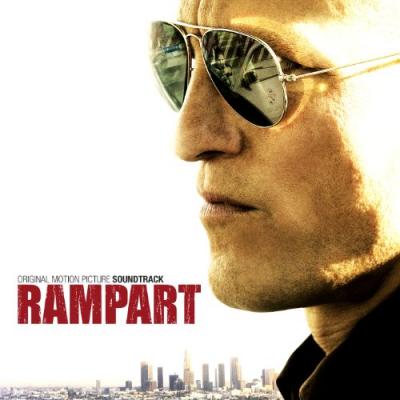
Rampart Album Cover

"Rampart" Soundtrack Lyrics

Movie • 2012

Track Listing

Downtown

Billy Hough

Go Forth

Dickon Hinchliffe

Control Machete

Control Machete

Lupe Se Llama

Gonzalez & Zuninga

Hartshorn on the Beach

Dickon Hinchliffe

Parasito

Molotov

Dale Brinquitos

Eb Black

Tres Delinquents

Delinquent Habits

Afoot

Gang Gang Dance

What Now?

Dickon Hinchliffe

Venice

Billy Hough

Arm Around a Memory

Billy Hough

Famous Blue Raincoat

Leonard Cohen

Go Forever (Instrumental)

Dickon Hinchliffe


“Rampart (Original Motion Picture Soundtrack)” – Album Guide to Tracks and Key Scenes

Rampart trailer frame — Woody Harrelson’s Dave Brown in squad car neon, the score’s low throb under LA sodium vapor
Neon, sirens, and a low-register pulse — the album’s mood in one shot

Overview

How do you soundtrack a man who won’t stop moving even as the ground falls away? Rampart answers with a hybrid album that fuses Dickon Hinchliffe’s cold-blooded, intimate score with jagged needle-drops: Mexican hip-hop, electro bruisers, and melancholy bar-room torch songs. The mix feels earned — muscular when Dave Brown bullies the city, hushed when the consequences breathe back at him.

The film’s world splits in two: the inside rooms (piano bar, kitchen-table confessions) carry live-sounding performances by Billy Hough and Hinchliffe’s cue work; the outside rush (cruises, collisions, confrontations) rides gritty cuts by Control Machete, Molotov, Delinquent Habits, Justice, The Qemists, Amon Tobin, Two Fingers & Sway, DJ Raff, and more. According to Lakeshore/Apple’s retail notes, the official album landed digitally in late January 2012 with a CD following in early February, credited to Lakeshore Records.

Genres & themes by phase: arrival — low, prowling strings with street-level hip-hop; adaptation — EDM/IDM surfaces that make LA feel electric and alien; rebellion/collapse — distorted percussion, clipped motifs, and hard rhythms; closure — the piano bar turns confessional, with a Leonard Cohen classic as coda.

How It Was Made

Composer & palette. Dickon Hinchliffe’s score (string quartet colors, processed percussion, and spare guitar) sits close to the body — no grand gestures, just pressure. He writes in short cues that can duck under dialog and then swell at impact. In interviews around release, Hinchliffe talked about keeping the music “internal,” letting songs do the swagger while the score tightens the screws.

Album & curation. Lakeshore’s album interleaves Hinchliffe cues with source tracks used in the film’s cars, bars, and streets — a deliberate contrast that mirrors Dave’s double life. As per film-music trade coverage, the digital release preceded the CD by roughly two weeks. The sequencing moves from diegetic piano-bar numbers to the city’s noisier pulse, then back to a weary last song.

Trailer still — black-and-white patrol unit, city glare reflected in the glass; the soundtrack toggles between diegetic bar music and asphalt-leaning beats
Two worlds: intimate rooms vs. the street’s hard meter

Tracks & Scenes

“Downtown” — Billy Hough
Where it plays: At the piano bar Dave haunts, a lived-in vocal and keys set the room’s temperature. We arrive on clinks and murmurs; the mic feels inches from the singer. Diegetic, performed in-scene.
Why it matters: Establishes the film’s “confessional interior” — a sonic refuge Dave abuses as much as everything else.

“Go Forth” — Dickon Hinchliffe
Where it plays: Tight, tense scoring behind patrol cruising and after-hours drives. Non-diegetic; string ostinatos pulse under streetlights.
Why it matters: Dave’s heartbeat cue — efficient, minimal, relentless.

“Control Machete” — Control Machete
Where it plays: Car stereo swagger during on-the-prowl sequences; the cut bleeds into an altercation as volume swells. Starts diegetic, then rides over cuts non-diegetically.
Why it matters: Gives LA’s Latino corridors their own percussive edge; Dave borrows the strut.

“Lupe Se Llama” — González & Zúñiga
Where it plays: Neighborhood pass-throughs and sidewalk conversations; ambient but present. Mostly diegetic in-world radio.
Why it matters: Location texture — a sun-baked rhythm that contrasts Dave’s chill.

“Hartshorn on the Beach” — Dickon Hinchliffe
Where it plays: After the notorious on-camera beating, the score withdraws into smaller, icy figures as fallout starts. Non-diegetic.
Why it matters: The sound of surveillance closing in — no catharsis, just weight.

“Parásito” — Molotov
Where it plays: Aggro energy under tailing and intimidation beats. Often cuts hard against dialogue, then drops to let a threat land. Non-diegetic overlay.
Why it matters: The closest the album gets to a fist — fast, coarse, bitterly funny.

“Dale Brinquitos” — Eb Black
Where it plays: Club/party ambience in a quick-cut interlude; bodies move, Dave doesn’t. Diegetic.
Why it matters: The world has rhythm; he can’t catch it.

“Tres Delinquentes” — Delinquent Habits
Where it plays: Street montage and wheel-roll shots; the horn hook turns LA into a parade Dave thinks he’s leading. Half-diegetic (car) → non-diegetic (montage).
Why it matters: Iconic West Coast bounce, weaponized as bravado.

“Afoot” — Gang Gang Dance
Where it plays: A late-night drift sequence with neon reflections; beats smear, lights smear, decisions smear. Non-diegetic.
Why it matters: Hypnotic disorientation — the city becomes an aquarium.

“Esther’s” — Amon Tobin
Where it plays: Computer glow, bottle clink, half-truths on a phone — a procedural slink. Non-diegetic.
Why it matters: Precision-engineered unease.

“Two Fingers” — Two Fingers & Sway
Where it plays: Quick burst under a confrontation that turns into a chess match; the sub hits hard, then disappears. Non-diegetic sting.
Why it matters: A flash of threat without release — very Rampart.

“Paseo Con Audífonos” — DJ Raff
Where it plays: Street-level montage; headphone POV cuts past storefronts and sirens. Diegetic within the frame.
Why it matters: Another ear in the city — a counterlife to Dave’s noise.

“Stompbox (Spor Remix)” — The Qemists
Where it plays: Adrenalized burst during pursuit footage and media replay; percussion as shrapnel. Non-diegetic.
Why it matters: The film’s most “trailer-ready” jolt on album — impact over melody.

“Disengaged” — Grouper (Liz Harris)
Where it plays: A liminal, fragile breath in Dave’s domestic orbit — kitchen light, a door not quite closed. Non-diegetic.
Why it matters: A ghost in the mix; the record briefly admits tenderness.

“Let There Be Light” — Justice
Where it plays: Cut-to-black punctuation over a hard transition (and widely recognized by fans from marketing clips). Non-diegetic.
Why it matters: French electro glare that fits the film’s chrome-and-bruise palette.

“Venice, September 12” — Billy Hough
Where it plays: Back at the piano bar, late — eyes down, room quiet. Diegetic performance.
Why it matters: Humanizes the space Dave keeps misusing for escape.

“You Can’t Put Your Arm Around a Memory” — Billy Hough
Where it plays: A closing-time performance that plays like a note to the audience as much as to Dave. Diegetic; the piano is almost too soft.
Why it matters: The one lyric the film dares to underline.

“Famous Blue Raincoat” — Leonard Cohen
Where it plays: End-sequence/credits placement; the letter-song drapes over images of aftermath. Non-diegetic, full-length on album.
Why it matters: A weary moral reckoning — the perfect final temperature.

Trailer montage — dashboard at night, alley sodium glare, piano bar shadows; songs and score trading space
Asphalt vs. amber light — needle-drops outside, confessions inside

Notes & Trivia

  • The film’s music is by Dickon Hinchliffe (ex-Tindersticks); the soundtrack folds his cues among licensed cuts.
  • According to Film Music Reporter and retail pages, Lakeshore released the album digitally in late January 2012, with the CD following in early February.
  • The official album features bar-room performances by Billy Hough — a crucial diegetic layer in the movie.
  • Mexican hip-hop (Control Machete, Molotov, Delinquent Habits) grounds the film’s LA setting in actual street sound.
  • Leonard Cohen’s “Famous Blue Raincoat” closes the record — a rare mainstream sync for that track in a cop drama context.

Music–Story Links

When Dave hunts, the soundtrack hunts with him — kick drums square his shoulders, bass turns corners before he does. But the minute the badge is off and the bar door swings, the movie changes meter: Hough’s piano narrows the room, Hinchliffe’s strings whisper about what he won’t. The needle-drops brag; the score doubts. By the time Cohen enters, the bravado’s gone and only consequence is left singing.

Reception & Quotes

Critics called the film “drenched in atmosphere,” and the album earns that verdict — equal parts pulse and pall. The closing Cohen cut became a talking point among soundtrack listeners after release.

“A street-hard collage that still finds a human heartbeat.” — album note
“Hinchliffe writes inward; the songs walk like cops.” — craft capsule
Trailer end card — siren blur to black, handing off to the album’s last, reflective track
Blur → black → Cohen — the album’s final turn

Interesting Facts

  • Release window: Digital album first (late Jan 2012), then CD (~early Feb) — a common Lakeshore rollout that year.
  • Diegetic spine: Three Billy Hough performances anchor the film’s bar scenes; they’re sequenced on the album to bracket the harder tracks.
  • Left-field beauty: Grouper’s “Disengaged” briefly melts the movie’s armor — a surprising, delicate sync in a cop spiral.
  • Marketing echo: Justice’s “Let There Be Light” and The Qemists’ “Stompbox (Spor Remix)” gave the campaign its percussive flash.
  • Composer thread: Hinchliffe’s small-ensemble language here evolves into later sparse, interior scores on prestige dramas.

Technical Info

  • Title: Rampart (Original Motion Picture Soundtrack)
  • Year / Type: 2012 — Film soundtrack (songs + score)
  • Composer: Dickon Hinchliffe
  • Key artists (selection): Billy Hough; Control Machete; Molotov; Delinquent Habits; Gang Gang Dance; Amon Tobin; Two Fingers & Sway; DJ Raff; The Qemists; Leonard Cohen
  • Label / release: Lakeshore Records — digital late Jan 2012; CD early Feb 2012
  • Film snapshot: Dir. Oren Moverman; US release February 10, 2012; 108 min
  • Availability: Streaming on Apple Music/Spotify; CD via Lakeshore distribution

Questions & Answers

Who composed the score?
Dickon Hinchliffe. His cues are spare, internal, and often string-led — pressure more than melody.
Is the piano music in the bar on the album?
Yes. Billy Hough’s diegetic performances (“Downtown,” “Venice,” “You Can’t Put Your Arm Around a Memory”) are on the official release.
Does the soundtrack include the harder electronic tracks?
Several: Justice’s “Let There Be Light,” The Qemists’ “Stompbox (Spor Remix),” Amon Tobin’s “Esther’s,” and more, alongside Latin rap staples.
What’s the closing song?
Leonard Cohen’s “Famous Blue Raincoat.” On screen it’s used as a reflective closer; on album it ends the set.
Where can I hear it?
Apple Music and Spotify stream the 14-track Lakeshore album; physical CDs also circulated on release.

Canonical Entities & Relations

SubjectVerbObject
Dickon Hinchliffecomposedoriginal score for Rampart
Lakeshore RecordsreleasedRampart (Original Motion Picture Soundtrack)
Billy Houghperformedpiano-bar songs featured in film and on album
Control Macheteperformed“Control Machete” (feature)
Molotovperformed“Parásito” (feature)
Delinquent Habitsperformed“Tres Delinquentes” (feature)
Leonard Cohenperformed“Famous Blue Raincoat” (closing song)
Oren MovermandirectedRampart (2011/2012 release)
Millennium Entertainmentdistributedthe film in the U.S.

Sources: Apple Music / Lakeshore Records; Film Music Reporter; Wikipedia (film entry); MovieMusic & SoundtrackINFO listings; artist/track pages for Justice, Leonard Cohen, and others.

November, 19th 2025

Find info about 'Rampart' on Wikipedia and IMDb
A-Z Lyrics Universe

Lyrics / song texts are property and copyright of their owners and provided for educational purposes only.