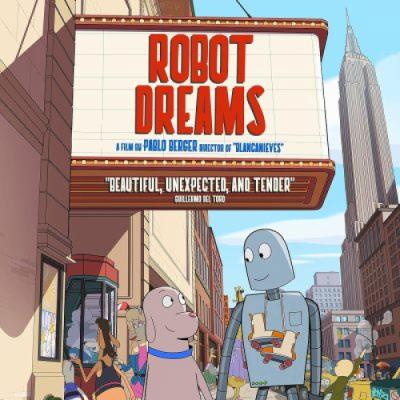
"Robot Dreams" Soundtrack Lyrics
Movie • 2024
Track Listing
Canelita Medina
Geronimo And The Apaches
Richard Myhill
Reagan Youth
Earth, Wind & Fire
Buck Owens
T La Rock
E. Dozor
The Feelies
William Bell
Ayma Ziordia
Imade Saputra
"Robot Dreams (Original Motion Picture Soundtrack & Songs)" – Album Guide to Tracks and Key Scenes
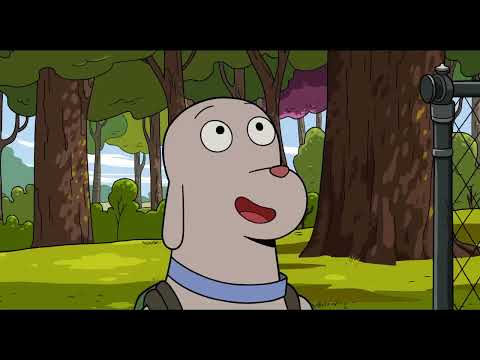
Overview
How do you score a film with no dialogue and a heart that never shuts up? Robot Dreams answers with a two-part vocabulary: Alfonso de Vilallonga’s tender, nimble score and a crate-digger’s mix of late-’70s/’80s New York cuts. Arrival → adaptation → rebellion → collapse: the music carries the talking for Dog and Robot, translating glances into melodies and city noise into memory.
The film’s central pop leitmotif is Earth, Wind & Fire’s “September,” first as a shared joy and later as a long-distance postcard. Around it, Vilallonga threads short, lyrical cues — whistled fragments, vibraphone, small-combo rhythm — that let silence do half the work. The balance is exact: songs sketch the world outside (street corners, laundromats, Halloween parties), while score keeps us inside the friendship.
Distinctiveness? A wordless movie that sings anyway. Period source tracks map neighborhoods and subcultures; jazz-soul instrumentals cradle dreams and regrets. According to Apple Music’s album notes, the official soundtrack album arrived in late 2023 under Milan Records, collecting 29 concise cues in a film-order flow — the editorial spine you feel scene to scene.
Genres & themes by phase: meet-cute summer — disco/soul & breezy funk (freedom, optimism); separation & seasons — minimalist jazz colors and ambient city source (distance, routine); reckonings & reunions — “September” returns in multiple guises (memory, acceptance), with chamber textures (clarity, bittersweet grace).
How It Was Made
Composer Alfonso de Vilallonga writes with economy: short motifs, bright timbres (vibes, piano, reeds), and occasional whistling that feels hand-made. The cues are built to sit with picture — some under a minute — because the film breathes by montage. The production team licensed a compact but vivid set of period pieces that read as “heard” New York: record-store bins, stoop radios, a PRAM of genres rolling past.
Milan Records issued the score album internationally; the film itself opened territory by territory over 2023–2024 before NEON’s U.S. rollout. As Soundtracki’s cue logs show, the album is complemented on screen by numerous source cues and a few trailer-specific edits of “Flowerland.”
Tracks & Scenes
“September” — Earth, Wind & Fire
Where it plays: [~00:11] Dog and Robot hit a public rink; the song explodes into their first shared language as crowds gather. It returns near the climax [~01:31] as a private echo — Robot cues it again, and Dog’s body remembers before his mind does. Non-diegetic in the rink; later it’s source-like within the world of memory.
Why it matters: It’s the friendship’s pulse — joy, then nostalgia — the needle-drop that binds seasons together.
“September” — Peter Bence (piano version)
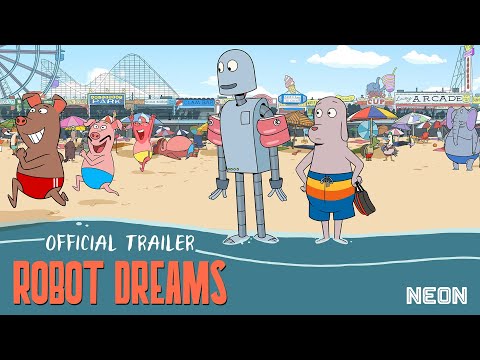
Where it plays: [~00:16] Beach day. Same melody, different skin: a solo-piano arrangement floats over waves as Dog and Robot splash and settle. Non-diegetic.
Why it matters: Reharmonized memory — the motif becomes a private refrain rather than a public anthem.
“I Hate Hate” — Reagan Youth
Where it plays: [~00:08] Robot waves to a sidewalk punk crowd blasting the track; the camera bops with the beat as they speed-walk past. Diegetic, a streetside blast of downtown attitude.
Why it matters: Plants us in real subculture, not postcard New York. It’s texture and time stamp.
“Let’s Go” — The Feelies
Where it plays: [~01:03] Duck zips Dog across town on a scooter, then out to fish. The propulsive jangle keeps wheels and heart moving. Diegetic-adjacent needle-drop fused to montage.
Why it matters: Movement equals coping; the song lends Dog some borrowed momentum.
“Happy” — William Bell
Where it plays: [~01:15 & ~01:23] First on a car radio en route to the junkyard, then again while walls get painted. It’s hands-dirty optimism, source in both scenes.
Why it matters: A soulful shrug at repetition — labor, then small renewal.
“Hip Hug-Her” — Booker T. & The M.G.’s
Where it plays: [~01:18] A refurb montage gives Robot a second chance, the organ riff ticking like a workshop metronome. Non-diegetic needle-drop blended with effects.
Why it matters: Cool competence; groove as redemption engine.
“Breakdown” — T La Rock
Where it plays: [~00:47] Dog follows a mischievous snowman through town; old-school hip-hop threads the chase. Diegetic from street speakers into non-diegetic under the cut.
Why it matters: Urban playfulness — the film’s humor keeps pace with its pain.
“A Bailar El Son” — Canelita Medina
Where it plays: [~00:07] First big walk together; the city turns their stroll into a festival. Source cue rolling out of a storefront.
Why it matters: A welcome — New York as global mixtape.
“(It’s A) Monster’s Holiday” — Buck Owens
Where it plays: [~00:31] Halloween needle-drop while Dog spins a record at home; costumes, candy, and a room lit orange. Diegetic.
Why it matters: Domestic warmth before winter closes in.
“Bucket Drums” — John Bryant
Where it plays: Street performance bed used across city transitions — a touch of sidewalk virtuosity.
Why it matters: Busker rhythm = lifeblood; the city keeps time for our leads.
Score highlights — Alfonso de Vilallonga
Where it plays: “Whistling Danny Boy” [~00:57] as Robot tunes himself to birdsong; “Rusty Robot” [~00:21] over the fateful beach goodbye; “Was It a Dream?” [~00:25 & ~01:28] bracketing an arrest and a later streetside memory; “Flowerland” in dream-ballet mode and a tap-dance trailer variant.
Why it matters: Micro-cues = macro-feelings. Short forms that carry seasons, daydreams, what-ifs.
Trailer notes: The official trailers lean on Vilallonga’s “Flowerland” (and a tap-dance variant) plus snatches of “September.”
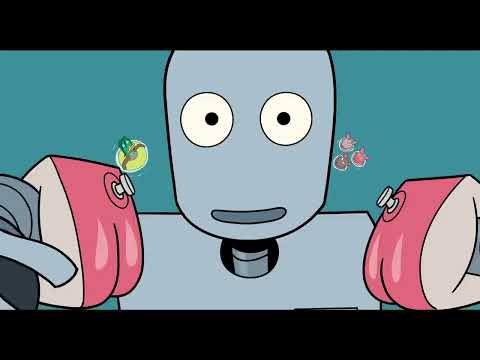
Music–Story Links
When Dog and Robot first roll onto the rink, “September” flips the lights from everyday to magical; when it comes back, the same hook stings — memory as melody. Source cues in storefronts (“A Bailar El Son,” Reagan Youth’s blast, old-school hip-hop) don’t just set year and borough; they define Dog’s world-as-heard, which is how a silent film talks.
Vilallonga’s cues track interior weather. “Rusty Robot” freezes the horizon line; “Whistling Danny Boy” reframes curiosity as hope; “Was It a Dream?” scores the ache of recognition. The Feelies’ “Let’s Go” nudges Dog forward, while William Bell’s “Happy” honors the small labor of starting over. The needle-drops aren’t winks — they are scaffolding for choices.
Notes & Trivia
- The film is intentionally wordless; music and sound design carry dialogue-level weight.
- Milan Records released the official score album internationally in late 2023 with 29 tracks.
- “September” appears multiple times, including a climactic reprise that recontextualizes the opening joy.
- Yes, that’s The Feelies — the scooter sequence name-checks a cult NYC favorite.
- Busker percussion (“Bucket Drums”) threads scene changes with pure street energy.
Reception & Quotes
U.S. critics singled out how music replaces dialogue and how “September” becomes a memory machine rather than a mere needle-drop. AP and Polygon both emphasize how the film’s no-words approach turns songs into emotional wayfinders.
“A wordless charmer where ‘September’ becomes a heartbeat.” AP capsule
“Music and motion do the talking — and it’s eloquent.” Streaming review
Interesting Facts
- The OST’s cue lengths average under two minutes — built for montage and gesture.
- “Flowerland (Tap Dance Version)” appears in marketing materials, not just in-film.
- The album credits license “September” alongside chamber recordings — big pop beside small rooms.
- Street-source moments jump genres (salsa to punk to hip-hop) — a sonic map of 1980s NYC.
- Whistling shows up as instrumentation — a human breath in a story about mechanical bodies.
- Score piano parts were tracked with jazz players; you hear it in the touch.
- U.S. theatrical release (NEON) began May 31, 2024; the album pre-dated it by months.
Technical Info
- Title: Robot Dreams
- Year / Type: 2024 (U.S. release) — Feature film
- Composer: Alfonso de Vilallonga
- Label / Album: Milan Records — Robot Dreams (Original Motion Picture Soundtrack) — 29 cues
- Key Needle-Drops: “September” — Earth, Wind & Fire; “Let’s Go” — The Feelies; “I Hate Hate” — Reagan Youth; “Hip Hug-Her” — Booker T. & The M.G.’s; “Happy” — William Bell; “Breakdown” — T La Rock; “A Bailar El Son” — Canelita Medina
- Trailer ID (figures): YouTube —
DD4WBGptMSw(NEON) - Notable Placements (by moment): Rink debut & reprise — “September”; Scooter date — “Let’s Go”; Halloween at home — Buck Owens; Refurb montage — Booker T. & The M.G.’s; Junkyard & repaint — William Bell
Questions & Answers
- Who composed the score?
- Alfonso de Vilallonga, whose concise, melody-forward cues carry the film’s wordless storytelling.
- What song becomes the leitmotif of the friendship?
- “September” by Earth, Wind & Fire — introduced at the rink and reprised later with new meaning.
- Is there an official soundtrack album?
- Yes. Milan Records released a 29-track album collecting Vilallonga’s score cues.
- Does the film use a lot of licensed songs?
- It uses a selective but varied set — punk, funk, soul, salsa, and indie — as in-world texture around the score.
- When did it open in the U.S.?
- May 31, 2024 (NEON), after earlier 2023 releases in Spain and France.
Canonical Entities & Relations
| Subject | Relation | Object |
|---|---|---|
| Pablo Berger | directs | Robot Dreams (film) |
| Alfonso de Vilallonga | composes score for | Robot Dreams (film) |
| Milan Records | releases | Robot Dreams (Original Motion Picture Soundtrack) |
| NEON | distributes (U.S.) | Robot Dreams (film) |
| Earth, Wind & Fire | perform | “September” (recurring needle-drop) |
| The Feelies | perform | “Let’s Go” (scooter sequence) |
| Reagan Youth | perform | “I Hate Hate” (street scene) |
| Booker T. & The M.G.’s | perform | “Hip Hug-Her” (refurb montage) |
| William Bell | performs | “Happy” (car radio & paint scene) |
| T La Rock | performs | “Breakdown” (downtown chase) |
Sources: Apple Music album page; Soundtracki cue log; Wikipedia film entry; AP review; Polygon feature.
November, 19th 2025
A-Z Lyrics Universe
Cynthia Erivo Popular
Ariana Grande Horsepower
Post Malone Ain't No Love in Oklahoma
Luke Combs Good Riddance (Time of Your Life)
Green Day Bye Bye Bye
*NSYNC You're the One That I Wan
John Travolta & Olivia Newton-John I Always Wanted a Brother
Braelyn Rankins, Theo Somolu, Kelvin Harrison Jr. and Aaron Pierre The Power of Love
Frankie Goes to Hollywood Beyond
Auli’i Cravalho feat. Rachel House MORE ›