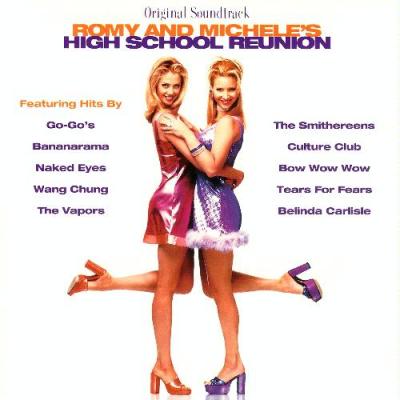
"Romy And Michele's High School Reunion" Soundtrack Lyrics
Movie • 1997
Track Listing
The Go-Go's
Berlinda Carlisle
The Go-Go's
Bananarama
Naked Eyes
Wang Chung
The Vapors
The Smithereens
Culture Club
Bow Wow Wow
Tears for Fears
"Romy and Michele’s High School Reunion — Music From and Inspired by the Motion Picture" – Album Guide to Tracks and Key Scenes
Overview
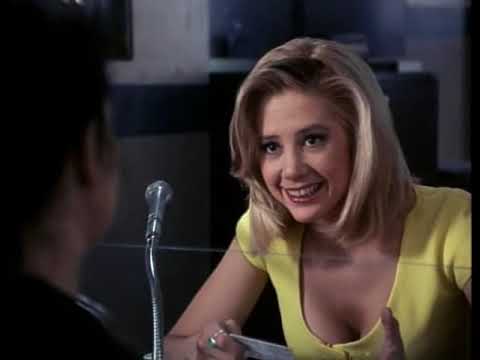
What happens when a candy-colored coming-of-age memory meets a razor-sharp friendship comedy? A soundtrack that flips between mall-pop sugar and heartfelt slow dances — and somehow makes both feel true. Romy and Michele’s High School Reunion (1997) turns ‘80s/’90s radio into character, motive, and punchline all at once.
The film tracks two best friends who reinvent themselves for a ten-year reunion, then abandon the ruse and choose authenticity. The needle-drops mirror that arc: glossy confidence up front; awkward, earnest emotion by the end. The opener bursts with punchy alt-pop swagger; the finale soft-lands on a prom-slow classic that says exactly what the characters can’t.
Across 90 brisk minutes, the music leans into nostalgia without laziness. Familiar hits arrive with pointed timing — a club banger to telegraph performative bravado, a synth-pop chestnut to sting a flashback, and a pristine power ballad to consecrate an unlikely, three-person dance.
Genres & themes in phases: new-wave and sunshine pop — pose and perform; Eurodance — fake it ‘til you make it; soft-rock and post-punk — memory stings; and finally an ‘80s pop torch song — forgiveness, chosen family. It’s costume design for the ear.
How It Was Made
The original score is by guitarist-composer Steve Bartek, whose cues stitch between needle-drops with fizzy, pastel energy. Music consulting/supervision on the feature involved Nora Felder, early in a career that would later become synonymous with high-impact syncs. Hollywood Records issued two companion albums in 1997 — an initial soundtrack followed by a “More Music” volume — because the movie leans so heavily on period songs that one disc couldn’t cover the vibe.
Licensing sharpened the storytelling: the team pursued specific iconic cuts for exact beats (most famously the finale dance). Some on-screen songs never made the CDs due to rights and timing quirks, which is why fans remember key moments that aren’t on the original album — a feature, not a bug, of ‘90s soundtrack practice.
Tracks & Scenes
“Just a Girl” — No Doubt
Where it plays: Over the opening credits as the camera orients us in sun-splashed Los Angeles, the duo’s day-glow world clicking into place (approx. 00:00–02:00). Non-diegetic; a thesis statement in guitar stabs.
Why it matters: The hooky defiance frames Romy and Michele’s bravado — a wink that the film will ride bubblegum and bite.
“Be My Lover” — La Bouche
Where it plays: At a nightclub as Romy and Michele hunt for attention in clubwear (approx. 00:10–00:13). Diegetic, thudding through the room while the camera scans would-be suitors; the scene cuts around the song’s chorus pulses.
Why it matters: Eurodance = performative confidence; the women are workshopping “successful” versions of themselves.
“Blood and Roses” — The Smithereens
Where it plays: In a 1987 flashback at school (approx. 00:18–00:21). Non-diegetic but mixed like a hallway PA; the bassline underlines adolescent dread as the A-Group prowls.
Why it matters: A darker guitar mood contrasts the neon aesthetic — memory isn’t soft-focus for everyone.
“Don’t Get Me Wrong” — The Pretenders
Where it plays: Over a mid-film transition when optimism surges and then wobbles (approx. 00:40). Non-diegetic montage connector.
Why it matters: The lyric’s hedged joy fits the movie’s “fake it, then face it” rhythm.
“Y.M.C.A.” — Village People
Where it plays: On the dance floor at the reunion as the crowd loosens up (approx. 01:04). Diegetic, DJ-spun, with characters miming letters and grinning in relief.
Why it matters: Mass-participation silliness levels the social field — a corporate party anthem turned communal reset.
“Addicted to Love” — Robert Palmer
Where it plays: Brief needle-drop during the reunion festivities (approx. 01:06). Non-diegetic blast pinpointing performative sex appeal.
Why it matters: A glossy rock cliché becomes a joke about glossy adulthood clichés.
“Time After Time” — Cyndi Lauper
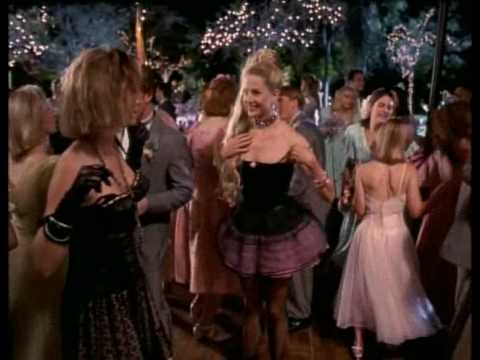
Where it plays: Twice: first, foreshadowing in the 1987 prom memory; and at the reunion’s emotional apex (approx. 01:18–01:21), when Romy, Michele, and Sandy perform the surreal, tender three-person routine. Non-diegetic that feels diegetic — everyone in the room surrenders to the moment.
Why it matters: It’s the movie’s heart — a love song to friendship that forgives the past and blesses the future.
“Everybody Have Fun Tonight” — Wang Chung
Where it plays: As energy builds toward the reunion road-trip and later on the party floor (scattered cues around 00:55 and 01:02). Non-diegetic/party diegesis blend.
Why it matters: Irony and sincerity collide; the lyric commands fun precisely when everyone’s faking it.
“She Blinded Me with Science” — Thomas Dolby
Where it plays: A cheeky needle-drop attached to Sandy Frink’s glow-up presence (around 01:15). Non-diegetic accent.
Why it matters: Geek to chic: one synth squiggle sells a decade of transformation.
“Cruel Summer” — Bananarama
Where it plays: A sun-baked transitional cue as the friends reassess their plan (late first act). Non-diegetic.
Why it matters: A deceptively bright song about pressure — exactly their headspace.
Trailer songs & non-album moments
Where they play: Marketing mixes lean on upbeat ‘80s/’90s cuts and snippets of dialogue; the theatrical trailer teases the film’s high-gloss pop palette.
Why it matters: Not every track heard on screen or in marketing appears on the 1997 CDs — a classic ‘90s mismatch that sent fans crate-digging.
Notes & Trivia
- Two separate 1997 albums were released; a later two-disc reissue bundled them.
- Several on-screen songs (including the opener and the finale ballad) are not on the first CD.
- The film’s composer, Steve Bartek, was Oingo Boingo’s longtime guitarist — explains the pop-surreal sheen.
- Music consultant/supervisor Nora Felder’s first feature gig — a calling card she’d more than live up to later.
- The reunion dance was designed around a single, specific ‘80s ballad — emotions first, then choreography.
Music–Story Links
When Romy and Michele strut into the club to Eurodance, the sound is a costume: they’re wearing confidence they haven’t earned. A flashback guitar dirge later punctures the gloss — memory hurts more than neon suggests. And when Sandy arrives, a nerd-to-tycoon synth cue reframes him as both the past and the exit door.
The finale’s slow dance literalizes the film’s thesis: you can’t out-swagger your teenage scars, but you can re-choreograph them with your people. The song says “if you’re lost, you can look and you will find me”; the movie answers by staging friendship as a pas de trois.
Reception & Quotes
Initial critical response was mixed-positive; cult-classic status followed as the soundtrack and costumes aged into millennial comfort food. Reappraisals routinely single out the music choices and that delirious final dance. According to a later oral history, the film’s pop instincts were deliberate, not accidental.
“Brightest and goofiest… not afraid to cut loose with the weirdest choreography.” Roger Ebert, 1997
“Candy-colored… cheerful, giddy fun.” Janet Maslin, The New York Times
“Smarter than it looks.” The A.V. Club
Interesting Facts
- Two discs, two moods: the second volume (“More Music”) fills in party-floor energy the first disc skimmed.
- Omissions by design: some signature cues stayed off the CDs; the film mix sequences them for story, not album flow.
- LA vibe, Tucson memories: sun-baked visuals + jangly guitars sell the West-coast gloss even when scenes flash to Arizona.
- Dance scene afterlife: the finale routine became a wedding-request meme for one of the stars.
- Playlist archaeology: official and semi-official playlists now help fans reconcile on-screen cues with the commercial albums.
- Label muscle: Disney’s Hollywood Records handled the releases; cross-division synergy helped with a few key licenses.
Technical Info
- Title: Romy and Michele’s High School Reunion — Music From / More Music From the Motion Picture
- Year: 1997 (feature film); original soundtrack street date mid-April 1997; companion volume later in 1997
- Type: Movie soundtrack (compilations) + original score cues
- Composer (score): Steve Bartek
- Music supervision/consulting: Nora Felder (with additional music editorial and Disney music exec oversight)
- Label(s): Hollywood Records
- Notable placements: “Just a Girl” (opening), “Be My Lover” (club), “Blood and Roses” (1987 flashback), “Y.M.C.A.” (reunion floor), “Time After Time” (finale dance)
- Release context: U.S. theatrical release April 1997; soundtrack issued to coincide with release; follow-up volume four months later
- Availability: Original CDs and reissue packages circulate; many cues stream in curated playlists.
Questions & Answers
- Why do some famous songs from the movie not appear on the first soundtrack CD?
- Licensing and sequencing — the album had to clear and fit a marketable runtime; later releases and playlists bridge the gap.
- Who composed the score cues that tie the needle-drops together?
- Steve Bartek, whose pop-surreal textures keep the tone buoyant between hits.
- Who wrangled the source music?
- Nora Felder worked on the film’s music consulting/supervision, helping align pivotal syncs with character beats.
- What’s the big dance song at the reunion?
- Cyndi Lauper’s “Time After Time” — the emotional centerpiece of the movie’s final movement.
- Did the trailer reflect the movie’s music vibe?
- Yes — it teased bright ‘80s/’90s pop textures and the film’s candy-coated energy.
Canonical Entities & Relations
| Subject | Verb | Object |
|---|---|---|
| David Mirkin | directed | Romy and Michele’s High School Reunion (film) |
| Steve Bartek | composed score for | Romy and Michele’s High School Reunion (film) |
| Nora Felder | served as | music consultant / supervisor (feature) |
| Hollywood Records | released | Original Soundtrack (1997) & More Music From the Motion Picture (1997) |
| No Doubt | performed | “Just a Girl” (opening cue) |
| Cyndi Lauper | performed | “Time After Time” (finale dance) |
| Wang Chung | performed | “Everybody Have Fun Tonight” (party/reunion cues) |
| Village People | performed | “Y.M.C.A.” (reunion floor) |
| The Pretenders | performed | “Don’t Get Me Wrong” (transition/montage) |
| The Smithereens | performed | “Blood and Roses” (1987 flashback) |
Sources: soundtrack album notes; Hollywood Records listings; Discogs & retail track data; Wikipedia production/soundtrack sections; A.V. Club reappraisal; major-press oral histories; playlist notes verified by the film’s music supervisor.
November, 19th 2025
A-Z Lyrics Universe
Cynthia Erivo Popular
Ariana Grande Horsepower
Post Malone Ain't No Love in Oklahoma
Luke Combs Good Riddance (Time of Your Life)
Green Day Bye Bye Bye
*NSYNC You're the One That I Wan
John Travolta & Olivia Newton-John I Always Wanted a Brother
Braelyn Rankins, Theo Somolu, Kelvin Harrison Jr. and Aaron Pierre The Power of Love
Frankie Goes to Hollywood Beyond
Auli’i Cravalho feat. Rachel House MORE ›