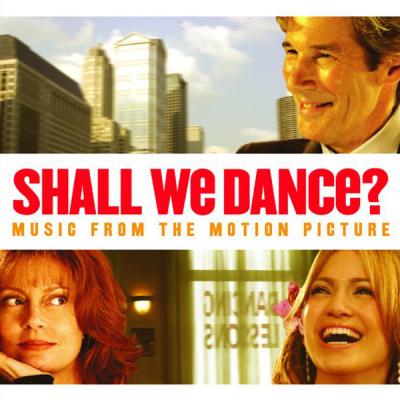
"Shall We Dance" Soundtrack Lyrics
Movie • 2004
Track Listing
Pussycat Dolls
Go Tan Project
John Altman
John Altman
Gizelle D'Cole and Pilar Montenegro
Peter Gabriel
Jamie Cullum
Rachel Fuller
Mya
"Shall We Dance? (Music from the Motion Picture)" – Album Guide to Tracks and Key Scenes
Overview
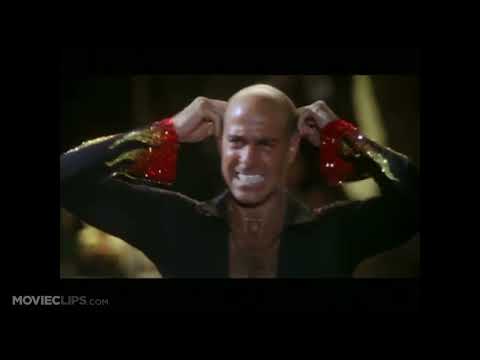
What if midlife restlessness could be counted in eight? The 2004 remake of Shall We Dance? treats ballroom as therapy — arrival, adaptation, rebellion, collapse — while its soundtrack spins romance and restraint into a glossy, crowd-pleasing mix.
The album balances modern pop with classic ballroom staples. The Pussycat Dolls flip “Sway” into a shimmying opener; Gotan Project’s “Santa Maria (Del Buen Ayre)” scorches the floor during tango set-pieces; John Altman’s arrangements (“España cañí,” “Perfidia,” “Moon River”) keep competitions and lessons grounded in tradition. A tender capstone — Peter Gabriel’s “The Book of Love” — turns confession into a slow dance you can exhale to.
Across the film, songs behave like scene partners: cues enter on turns, punchlines lilt on percussion, and character beats settle in the quiet between phrases. As per the official album listings, the compilation gathers 15 cuts that mirror the movie’s tonal swing from flirtation to commitment.
Genres & themes, in phases: nuevo-tango & downtempo — temptation and discipline; vintage ballroom & easy-listening — etiquette and inhibition; pop-Latin — release and playful bravado. Translation: darker tangos = interior conflict; standards = public face; pop hooks = the unbuttoning.
How It Was Made
Director Peter Chelsom leans into ballroom’s built-in dramaturgy. Gabriel Yared provides original score architecture; John Altman handles on-screen dance cues and classic arrangements. Executive music production and clearances bridge pop, Latin standards, and orchestral cues so the film can cut from office fluorescent light to studio mirror without sonic whiplash.
On the album side, Casablanca/Universal package the film’s identifiable moments — from Pussycat Dolls’ sleek “Sway” to the club-cool of Gotan Project — with Altman’s ballroom staples and the modern torch of “The Book of Love.” According to AllMusic’s release notes, the soundtrack streeted in mid-October 2004 to coincide with the U.S. theatrical run.
Tracks & Scenes
“Sway” — The Pussycat Dolls
Where it plays: Prominently in marketing and as a film needle-drop tied to ballroom club energy; edited for montages and end-card rhythms rather than a single continuous scene.
Why it matters: Sets the album’s pop-Latin temperature — flirty, confident, a wink at the movie’s premise that dance might fix what words can’t.
“Santa Maria (Del Buen Ayre)” — Gotan Project
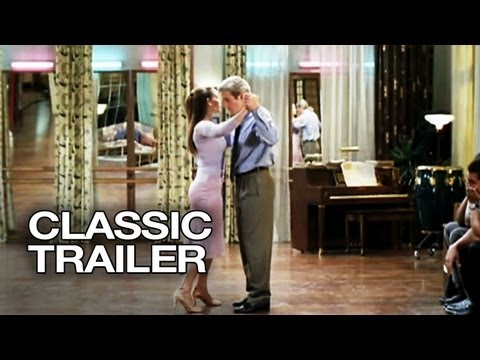
Where it plays: The signature tango sequence: John (Richard Gere) and Paulina (Jennifer Lopez) close the studio late. Lights dim, heels click, their frame tightens; she leads with stillness before a knife-clean pivot. The track’s bandoneón and beats coil around their restraint until the final hold breaks into applause from the shadows.
Why it matters: Desire sharpened into discipline. The modern tango texture makes their chemistry feel dangerous, not nostalgic.
“España cañí” — John Altman
Where it plays: Competition and rehearsal flashes; a paso-doble-friendly flourish under quick edits of capes, posture checks, and counting off between partners.
Why it matters: Old-school ballroom bravado. The cue sells the arena stakes — this isn’t just therapy anymore; it’s a sport.
“Perfidia” — John Altman
Where it plays: Lesson sequences that tease romance but stay proper — the camera lingers on hands settling into frame, then cuts to feet tracing boxes on polished wood.
Why it matters: A bittersweet standard that lets the film speak in glances. Etiquette first, feelings later.
“Moon River” — John Altman
Where it plays: Studio slow-dance interludes and dinner-dance ambience; a soft-focus breather after a charged rehearsal.
Why it matters: The soundtrack’s gentlest exhale — a reminder that the film is a love story about a marriage, not an affair.
“I Wanna (Shall We Dance)” — Gizelle D’Cole & Pilar Montenegro
Where it plays: Party-floor montage, with students and instructors cutting loose after drills; quick inserts of spins, dips, and joyful mistakes.
Why it matters: Comic relief with hips — it rebalances the movie after its most brooding tango beats.
“The Book of Love” — Peter Gabriel
Where it plays: Late-film reconciliation stretch and into credits; the camera favors small gestures — a rose, a half-smile on a train platform, a hand finally offered without fear of being refused.
Why it matters: A cue about choosing — marriage as choreography you keep learning together.
Trailer cues
Where they play: The theatrical trailers lean on “Sway” hooks and orchestral swells to frame the film as date-night buoyant with just-spicy-enough tango heat.
Why they matter: They sell the film’s promise: elegance, embarrassment, then elation — in under three minutes.
Notes & Trivia
- Two composers on the film: Gabriel Yared (score) and John Altman (on-screen dance cues/arrangements).
- The soundtrack opens with The Pussycat Dolls’ “Sway,” not the 1954 Dean Martin standard recording.
- Gotan Project’s “Santa Maria (Del Buen Ayre)” became a go-to tango for studio showcases after the film’s release.
- Several ballroom classics on the album are newly arranged for the movie rather than archival masters.
- The compilation was issued by Casablanca/Universal to align with the U.S. theatrical release window.
Music–Story Links
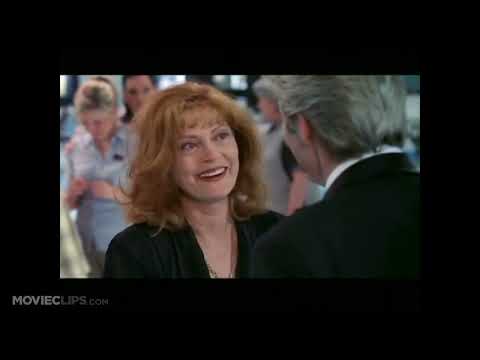
When John first steps into the studio, the soundtrack keeps to standards — politeness as protection. As lessons intensify, nuevo-tango intrudes; “Santa Maria (Del Buen Ayre)” reframes Paulina not as a crush but as a standard to meet. During competition beats, brass and snare-driven cues make ballroom feel like an arena. And when Beverly and John find their way back to each other, “The Book of Love” lets the movie whisper what the dialogue only circles.
Reception & Quotes
Reviewers called the soundtrack a smooth hybrid — high-gloss pop for marketing, elegant ballroom for narrative. The album has lived on as a social-dance starter kit: tango, rumba, waltz, foxtrot — all reachable in one disc.
“A particularly likable compilation anchored by a sleek ‘Sway’ and a show-stopping nuevo-tango.” album roundups
“Pop polish meets proper posture — the music does half the acting.” film-music columns
“If you’re learning ballroom, this CD is a cheat sheet.” dance-studio chatter
Interesting Facts
- Peter Gabriel’s “The Book of Love” is a cover of The Magnetic Fields’ 1999 song — the film popularized it for first dances.
- Jamie Cullum’s “I Could Have Danced All Night” appears on the album, tipping a hat to Broadway lineage.
- Altman’s “España cañí” and “Perfidia” are cut to competition-friendly lengths for tight editorial timing.
- Label copy credits Casablanca/Universal; physical pressings list multiple producers due to the mix of originals and arrangements.
- Some retail listings group the album under “Latin/Downtempo/Soundtrack” because of the tango and lounge balance.
Technical Info
- Title: Shall We Dance? (Music from the Motion Picture)
- Year: 2004
- Type: Film Soundtrack (Compilation)
- Composers: Gabriel Yared (original score), John Altman (dance cues/arrangements)
- Key songs featured: “Sway” — The Pussycat Dolls; “Santa Maria (Del Buen Ayre)” — Gotan Project; “The Book of Love” — Peter Gabriel; classic ballroom cues arranged by John Altman
- Label: Casablanca Music/Universal (marketed by Universal Records)
- Release date: October 12, 2004 (U.S.)
- Availability: Streaming/digital and CD; standard 15-track configuration widely available
Questions & Answers
- Who handles the film’s “original” music?
- Gabriel Yared provides the score framework; John Altman supplies arranged ballroom staples and several on-screen cues.
- Which track underscores the famous tango between Gere and Lopez?
- Gotan Project’s “Santa Maria (Del Buen Ayre),” the film’s most-remembered dance showcase.
- Is the “Sway” on the album the Dean Martin version?
- No — it’s a contemporary recording by The Pussycat Dolls cut for the movie.
- Where does “The Book of Love” appear?
- Late in the film and into the credits, framing reconciliation with a slow-dance glow.
- Can I use the album for social-dance practice?
- Yes — it spans tango, rumba/bolero mood pieces, foxtrot/ballroom standards, and pop-Latin, all at workable tempos.
Canonical Entities & Relations
| Subject | Verb | Object |
|---|---|---|
| Miramax Films | distributed | Shall We Dance? (2004) in U.S. theaters |
| Gabriel Yared | composed | original score for Shall We Dance? (2004) |
| John Altman | arranged/composed | on-screen ballroom cues and classic themes |
| Casablanca Music / Universal | released | Shall We Dance? (Music from the Motion Picture) soundtrack (2004) |
| Gotan Project | performed | “Santa Maria (Del Buen Ayre)” (tango showcase) |
| The Pussycat Dolls | performed | “Sway” (album opener) |
| Peter Gabriel | performed | “The Book of Love” (cover of The Magnetic Fields) |
Sources: AllMusic album page; Casablanca/Universal retail listings (Apple Music, Spotify, Amazon); Discogs entry with credits; IMDb soundtrack/credits; Wikipedia film page; Miramax trailer channel.
November, 27th 2025
A-Z Lyrics Universe
Cynthia Erivo Popular
Ariana Grande Horsepower
Post Malone Ain't No Love in Oklahoma
Luke Combs Good Riddance (Time of Your Life)
Green Day Bye Bye Bye
*NSYNC You're the One That I Wan
John Travolta & Olivia Newton-John I Always Wanted a Brother
Braelyn Rankins, Theo Somolu, Kelvin Harrison Jr. and Aaron Pierre The Power of Love
Frankie Goes to Hollywood Beyond
Auli’i Cravalho feat. Rachel House MORE ›