Soundtracks:  A B C D E F G H I J K L M N O P Q R S T U V W X Y Z #


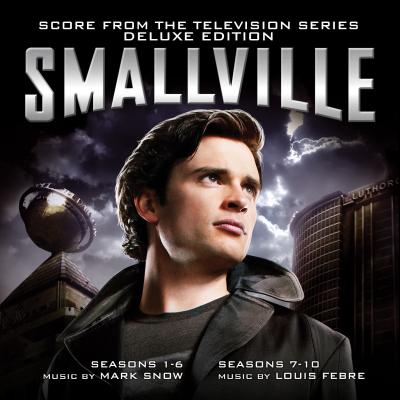
Smallville Album Cover

"Smallville" Soundtrack Lyrics

TV • 2003

Track Listing


"Smallville: The Talon Mix (Original TV Soundtrack)" – Album Guide to Tracks and Key Scenes

Smallville Season One teaser trailer still: Clark Kent on the farm as Remy Zero’s theme sets the tone
Smallville — season one teaser (Warner Bros.) sets the series’ pop-rock palette.

Overview

How do you score a superhero show before the cape? Smallville answers with early-’00s alt-pop: acoustic confessionals for barn-loft heart-to-hearts, glossy radio rock for hallway showdowns, and one instantly iconic theme that feels like wind over cornfields. The 2003 album Smallville: The Talon Mix bottles seasons 1–2 into a coffeehouse-meets-WB-radio time capsule.

Across twelve cuts, the record sketches Clark/Lana longing (Lifehouse), Lex’s restless cool (Phantom Planet), and the show’s gentle irony (Five for Fighting’s “Superman (It’s Not Easy)”). It’s sequenced like a Friday-night in Smallville: pre-game jitters, Talon stage vibes, a late-night drive, and the sunrise after a near-miss.

Distinctive twist: the soundtrack isn’t just from the show; it shows up in the show. Pete literally hands Clark “the Talon Mix” during season 2, folding the album into canon. Genres move in phases—radio alt-rock (motion), acoustic pop (confession), college-rock (edge), and cover-ballad catharsis (closure).

How It Was Made

WB Television and Elektra packaged a various-artists set to match the series’ needle-drop identity. The album arrived February 25, 2003, with enhanced-CD extras (performance clips, a 3-D Smallville map, and promo tie-ins). The press notes even called out in-show band cameos (Vonray; Steadman) to bridge screen and stereo.

Score composers Mark Snow (seasons 1–6) and later Louis Febre shaped the dramatic underscoring, but the retail disc leans into licensed songs that fans were hunting after episodes aired. In other words: an official, binge-able mixtape from the first two seasons.

Trailer frame: cornfields and train trestles; the show’s Americana pop-rock mix in one image
How it was made: Elektra’s compilation meets WB’s in-show music DNA.

Tracks & Scenes

“Save Me” — Remy Zero
Where it plays: Main title across the series; a shorter edit appears on the album. In season 1’s Spring Formal (“Tempest”), Remy Zero even perform diegetically at the Talon before the storm hits (theme; S1 finale performance).
Why it matters: Defines the show’s identity: yearning, kinetic, a plea and a promise.

“Inside Out” — Vonray
Where it plays: Performed in-story at Ryan’s welcome-home party in the Talon (S2E8 “Ryan”). Acoustic on stage; crowd pressed close; Clark and friends soaking a rare happy beat (diegetic performance).
Why it matters: The album’s first single and a perfect “Talon” moment—music as community.

“Island in the Sun” — Weezer
Where it plays: Early-season montage vibes (notably around S1’s “Metamorphosis” era): weekend light through Smallville windows, crush-logic doodled in margins (non-diegetic).
Why it matters: Sun-dappled relief between meteor-freak chaos.

“Superman (It’s Not Easy)” — Five for Fighting
Where it plays: S1 “Stray” coda—Clark shouldering expectations alone. The lyric floats over a barn-loft confession as the camera lingers on a boy who isn’t ready to be a myth (non-diegetic end scene).
Why it matters: On-the-nose? Sure. But it lands—the show’s thesis in soft focus.

“Nuclear” — Ryan Adams
Where it plays: S2 “Rosetta,” the Christopher Reeve episode. After heritage tremors, the track colors Clark’s private aftermath—quiet, adult, a step toward destiny (non-diegetic).
Why it matters: Bridges WB romance with grown-up melancholy.

“Lonely Day” — Phantom Planet
Where it plays: S1 “Stray,” city-curious Lex and small-town Clark orbit each other; the song hums under restless choices and near-confessions (non-diegetic).
Why it matters: Lex gets a soundtrack too—cool, unsettled, charming.

“Fight Test” — The Flaming Lips
Where it plays: S2 “Prodigal,” as family fault lines crack. The airy groove undercuts stubborn pride—Luthor vs. Luthor, Kent vs. secrets (non-diegetic).
Why it matters: A whimsical song weaponized as irony.

“Don’t Dream It’s Over” — Sixpence None the Richer
Where it plays: S2 “Rush” tender beats; the Talon glows warm while friends test limits elsewhere (non-diegetic).
Why it matters: Soft ’80s classic as moral compass—hold the line.

“Wave Goodbye” — Steadman
Where it plays: In-story Talon performance in S2 “Fever,” closing the episode. Pete slides Clark the actual “Talon Mix” CD—art imitating merch, imitating art (diegetic performance; end scene).
Why it matters: The album becomes a prop; the show winks at its own soundtrack.

“I Just Wanna Be Loved” — AM Radio
Where it plays: S2 “Rush,” party energy and bad decisions; neon fizz and consequences incoming (non-diegetic/source blend).
Why it matters: WB-era sugar that makes the crash sting more.

“Everything” — Lifehouse
Where it plays: Recurs in S1 (Pilot, “Metamorphosis,” “Rogue,” “Tempest”). Most memorably as a barn-loft close—Clark and Lana share a breath while the chorus swells (non-diegetic; multiple episodes).
Why it matters: The Clark/Lana sound. Period.

“Time After Time” — Eva Cassidy
Where it plays: S1 “Crush” end scene—quiet grace after danger; time stands still long enough to choose kindness (non-diegetic).
Why it matters: A cover that feels like a prayer—comfort food for Smallville’s heart.

Talon coffeehouse mood from the teaser: stage lights and small-town night
Tracks & Scenes: the Talon as a character—stage, café, confessional.

Notes & Trivia

  • The album title nods to Lana’s coffeehouse; several bands play there in-story (Vonray in “Ryan,” Steadman in “Fever”).
  • Enhanced-CD bonuses included a 3-D town map and performance clips tied to the show’s venues.
  • “Save Me” exists on the disc as a shorter TV-style version—distinct from Remy Zero’s album cut.
  • “Superman (It’s Not Easy)” nearly became the theme before “Save Me” won out.
  • The follow-up compilation, The Metropolis Mix, arrived later to cover the show’s mid-run era.

Music–Story Links

When Clark chooses honesty, the show favors bare, breathy vocals (Cassidy, Lifehouse). When secrets pile up, shiny radio rock puts on a brave face (Weezer, AM Radio). Lex scenes often hum with stylish restlessness (Phantom Planet). And whenever the community rallies at the Talon, diegetic performances pull the characters—and us—into the same room.

Reception & Quotes

The compilation landed right in the WB zeitgeist—mall-CD era packaging, fan-friendly extras, and tracks viewers were already chasing episode by episode. Fan sites chronicled every placement; the CD gave those searches an official spine.

“The official soundtrack… packed with added-value components worthy of, well, Superman!” label press text
“Some of the music from ‘Ryan’ can be found on the Smallville soundtrack.” episode music guide
Trailer end card with WB branding; Remy Zero’s theme resolves on the logo
Reception & legacy: a fan-guided mixtape turned official artifact.

Interesting Facts

  • Street date was February 25, 2003—one week after the episode “Fever” name-checked the album on screen.
  • The CD/press kit tied into DC’s Smallville comics and YA novels via unlock codes.
  • Lifehouse’s “Everything” became a recurring needle-drop across big Clark/Lana moments.
  • Mark Snow’s score (later Louis Febre’s) wove in subtle nods to John Williams’ classic Superman motifs—never on the Talon Mix, but crucial to the show’s sound.
  • A second volume, The Metropolis Mix, later leaned on seasons 4–5 cuts.

Technical Info

  • Title: Smallville: The Talon Mix (Original TV Soundtrack)
  • Year: 2003
  • Type: Various-artists compilation (songs featured in seasons 1–2)
  • Release: February 25, 2003 (CD; enhanced content)
  • Label: Elektra Records (with WB Television/Tollin-Robbins tie-ins)
  • Key recordings: Remy Zero — “Save Me”; Vonray — “Inside Out”; Weezer — “Island in the Sun”; Five for Fighting — “Superman (It’s Not Easy)”; Ryan Adams — “Nuclear”; Phantom Planet — “Lonely Day”; The Flaming Lips — “Fight Test”; Sixpence None the Richer — “Don’t Dream It’s Over”; Steadman — “Wave Goodbye”; AM Radio — “I Just Wanna Be Loved”; Lifehouse — “Everything”; Eva Cassidy — “Time After Time”
  • In-show appearances: Vonray live in “Ryan”; Steadman live in “Fever”; the CD prop appears in “Fever.”
  • Availability: Streamable; original Elektra CD circulates widely on secondary markets.

Questions & Answers

Is this album mostly songs we heard in the show?
Yes. It focuses on licensed tracks used across seasons 1–2, including several Talon performances.
Does “Save Me” appear in its full version?
The disc uses a shorter TV-style edit (the single/album version is longer).
Where does the album show up in the series?
In S2 “Fever,” Pete hands Clark a “Talon Mix” CD at the end—an in-universe nod to the release.
Who handled the show’s score?
Mark Snow scored seasons 1–6, with Louis Febre taking over as primary composer from season 7.
Is there a follow-up soundtrack?
Yes. Smallville: The Metropolis Mix arrived later, leaning on mid-run songs.

Canonical Entities & Relations

SubjectVerbObject
WB Televisionreleased (with Elektra)Smallville: The Talon Mix (2003)
Mark SnowcomposedOriginal score for Smallville (seasons 1–6)
Louis Febrebecame primary composerSmallville (from season 7)
Remy Zeroperformed“Save Me” (series theme)
Vonrayperformed“Inside Out” at the Talon (S2E8)
Steadmanperformed“Wave Goodbye” at the Talon (S2E16)
Elektra RecordsissuedSmallville: The Talon Mix CD

Sources: KryptonSite press/track list and episode music guides; Smallville Wiki (season music & Talon Mix page); AllMusic (release date/duration); Amazon/Spotify listings; IMDb episode soundtracks (“Ryan,” “Fever”); MoviesOST episode entry.

November, 27th 2025


A-Z Lyrics Universe

Lyrics / song texts are property and copyright of their owners and provided for educational purposes only.