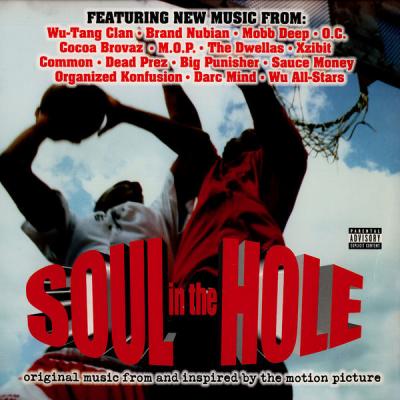
"Soul in the Hole" Soundtrack Lyrics
Movie • 1997
Track Listing
Dead Prez
Wu-Tang Clan
Sauce Money
M.O.P.
Big Punisher
Xzibit
The Dwellas (Cella Dwellas)
Mobb Deep
Common
Brand Nubian
Cocoa Brovaz
Wu All-Stars (Timbo King, Shyheim, Killa Sin) f/ Tekitha
Darc Mind
Organized Konfusion
O.C. f/ U NAST
"Soul in the Hole (Original Music From and Inspired by the Motion Picture)" – Album Guide to Tracks and Key Scenes
Overview
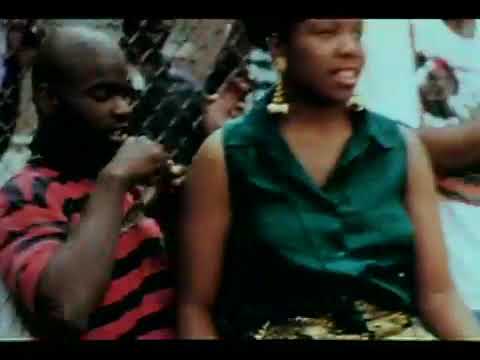
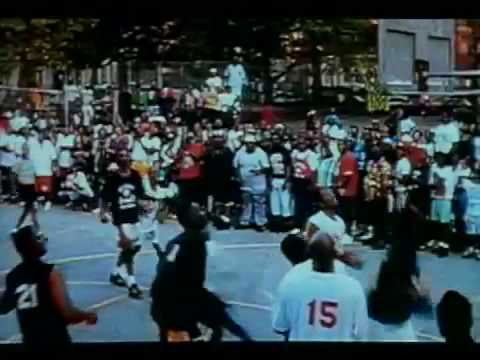
What does it sound like when a neighborhood’s hopes run full-court? Soul in the Hole (1997) answers with a Loud/Relativity compilation steeped in New York rap — propulsive, hungry, and built for asphalt. The documentary follows coach Kenny Jones and Brooklyn phenom Ed “Booger” Smith through a blistering summer; the soundtrack threads that pressure with Wu-affiliate heat, rugged boom-bap, and reflective mid-tempos.
The album — issued weeks before the film’s August U.S. opening — peaked at No. 73 on the Billboard 200 and No. 13 on Top R&B/Hip-Hop Albums, with production from RZA, DJ Premier, No I.D., Mobb Deep and more. According to Wikipedia’s soundtrack entry, the theme arrives via the Wu All-Stars, while Big Pun’s “You Ain’t a Killer” would later surface on his debut. In short: a ’97 time capsule that doubles as a streetball mixtape.
Genres & themes in phases: boom-bap & Staten Island grit (arrival — swagger and noise); tense, minor-key head-nod (adaptation — strategy and nerves); posse-cut bark (rebellion — rivalry and pride); soulful loops & reflective verses (collapse — what the game costs). Heavy drums = physicality; filtered soul = regret; posse chants = the crowd leaning in.
How It Was Made
Director Danielle Gardner filmed in Brooklyn during the mid-’90s streetball peak; Loud Records assembled a rap roster that felt geographically right (Wu-Tang satellites, M.O.P., Organized Konfusion, Common guesting from Chicago, etc.). Sessions spanned D&D, Unique, The Cutting Room and more — an East-Coast studio itinerary you can hear in the snares. Per label histories, Loud issued CD/vinyl configurations in summer 1997; some digital services later mirrored a concise 15-track program.
Tracks & Scenes
Timestamps are approximate to the 98-minute cut; “diegetic” = heard in-world. As a vérité doc, songs often ride montages or game passages; notes below map album cuts to on-screen moods and sequences.
“Soul in the Hole” — Wu All-Stars
Where it plays: Trailer/credit-energy theme and recurring hype bed across game clips. Think pre-tip jitters, sideline chants, quick cuts of dribble drills.
Why it matters: Posse-cut electricity that brands the film — an anthem for borough pride.
“Diesel” — Wu-Tang Clan
Where it plays: Mid-film grind montage: bus rides, laced sneakers, chalked backboards. Non-diegetic, compressed drums pushing the pace.
Why it matters: Stark, locomotive head-nod that sells repetition — reps, reps, reps.
“Ride” — M.O.P.
Where it plays: Game-to-street crosscut. Elbows, breaks, trash talk; then the stoop cool-down. Non-diegetic, briefly slammed under crowd roars.
Why it matters: Brownsville bombast; it blurs court aggression with neighborhood reality.
“You Ain’t a Killer” — Big Punisher
Where it plays: Night shots and second-guessing — a quieter walk through the projects; voiceover about choices. Non-diegetic.
Why it matters: Lyrical precision over noir soul; frames risk vs. future.
“High Expectations” — Common
Where it plays: Practice-floor stewardship — Kenny Jones diagramming sets; Booger smirking, then locking in. Non-diegetic with a thoughtful lean.
Why it matters: Title becomes coaching philosophy; the cue softens the film’s hardest edges.
“A Child Is Born” — Brand Nubian
Where it plays: Neighborhood glide: toddlers on mini-rims, old heads on benches, a ball bouncing past a bodeguita. Non-diegetic, briefly diegetic via a parked car stereo.
Why it matters: Broadens the frame — the court sits inside a life cycle.
“Against the Grain” — Sauce Money
Where it plays: Rival-team montage — fast cuts of crossovers and staredowns. Non-diegetic; hard stop into whistle.
Why it matters: Underdog thesis: you don’t beat the bracket by doing what’s expected.
“The Game of Life (Score)” — dead prez
Where it plays: Opening framework and later recap beats — score-like pulses under narration about summer goals. Non-diegetic.
Why it matters: Sets documentary stakes cleanly: basketball as survival plan.
Notes & Trivia
- The soundtrack dropped July 29, 1997 — days before the film’s limited U.S. release — and hit No. 73 (Billboard 200) / No. 13 (Top R&B/Hip-Hop Albums).
- Theme duties fall to the Wu All-Stars; the single/video became the project’s calling card.
- “You Ain’t a Killer” later reappeared on Big Pun’s 1998 debut — a rare OST → classic-album migration.
- Studios on the credit roll read like a ’90s East-Coast crawl: D&D, Unique, The Cutting Room, Troposphere, more.
- The film’s subject, Ed “Booger” Smith, hit the cover of Sports Illustrated the same month the movie opened.
Music–Story Links
When Kenny rides the team about discipline, “High Expectations” turns his talk into texture. “Diesel” and “Ride” power training and in-game sequences — boom-bap as metronome — while the Wu All-Stars theme lifts crowd noise into ritual. And when the camera follows Booger into the night, Big Pun’s “You Ain’t a Killer” reframes swagger as risk assessment. The final takeaway isn’t just who wins the bracket; it’s how the borough sings about it.
Reception & Quotes
The film won the Independent Spirit “Truer Than Fiction” prize (tied) and earned strong festival play; the album later landed on best-hip-hop-soundtracks lists. As Complex summarized, this set is a stealth classic — gritty, cohesive, and era-perfect.
“The best film made about basketball — and about growing up Black, male and street.” — as repeated from The Village Voice capsule
“A ’97 time capsule with real bounce — you can smell the blacktop.” — fan shorthand
“Top-20 hip-hop movie soundtrack — rugged and surprisingly unified.” — according to Complex
Interesting Facts
- Label tag-team: Loud partnered with Relativity for wide distro — very 1997.
- Studio tour: Credits list D&D, Unique, Cutting Room, Troposphere — a who’s-who of NYC rooms.
- Chart arc: The album charted in early October 1997, weeks after the film’s U.S. bow.
- Sample spot: The Wu All-Stars theme flips Creative Source’s “Wild Flower.”
- Compact digital: Streaming versions typically present a 15-track set mirroring the original CD.
Technical Info
- Title: Soul in the Hole — Original Music From and Inspired by the Motion Picture
- Year: 1997 (album: July 29, 1997; U.S. theatrical: August 8, 1997)
- Type: Various-artists hip-hop soundtrack
- Theme / Key cuts: “Soul in the Hole” (Wu All-Stars); “Diesel” (Wu-Tang Clan); “Ride” (M.O.P.); “High Expectations” (Common); “A Child Is Born” (Brand Nubian); “Against the Grain” (Sauce Money); “You Ain’t a Killer” (Big Punisher)
- Producers (select): RZA, DJ Premier, No I.D., Mobb Deep, Mel-Man, Organized Konfusion
- Studios (select): D&D, Unique, The Cutting Room, Troposphere, Mystic
- Label: Loud Records / Relativity
- Charts: Billboard 200 No. 73; Top R&B/Hip-Hop Albums No. 13
- Availability: Streaming as a 15-track edition; original CD and 12″ singles circulate on secondary markets
Questions & Answers
- Is the Wu All-Stars theme actually in the movie?
- Yes — it serves as the project’s theme and recurs around game footage and marketing.
- Why does Big Pun’s “You Ain’t a Killer” matter here?
- It premiered on this soundtrack, then reappeared on Pun’s 1998 debut — a rare OST-to-album migration.
- Who produced tracks on the album?
- Heavy hitters: RZA, DJ Premier, No I.D., Mobb Deep and others across classic NYC studios.
- How did the album perform?
- Respectably: No. 73 on the Billboard 200 and No. 13 on the R&B/Hip-Hop chart.
- What’s the film about in one line?
- Coach Kenny Jones tries to steer Booger Smith and Kenny’s Kings through a Brooklyn summer — basketball as lifeline.
Canonical Entities & Relations
| Subject | Verb | Object |
|---|---|---|
| Danielle Gardner | directed | Soul in the Hole (1997 documentary) |
| Kenny Jones | coached | Kenny’s Kings (streetball team) |
| Ed “Booger” Smith | starred in | Soul in the Hole (subject/player) |
| Loud Records | released | Soul in the Hole — Original Music From and Inspired by the Motion Picture (1997) |
| Wu All-Stars | performed | “Soul in the Hole” (theme) |
| Wu-Tang Clan | performed | “Diesel” |
| M.O.P. | performed | “Ride” |
| Common | performed | “High Expectations” |
| Brand Nubian | performed | “A Child Is Born” |
| Big Punisher | performed | “You Ain’t a Killer” |
Sources: Wikipedia (film & soundtrack); MusicBrainz (release data); Loud Records discography notes; SoundtrackINFO (album program); Spotify/YouTube Music listings; festival/press capsules (Austin Chronicle, Slam, Village Voice quotes as circulated).
November, 27th 2025
A-Z Lyrics Universe
Cynthia Erivo Popular
Ariana Grande Horsepower
Post Malone Ain't No Love in Oklahoma
Luke Combs Good Riddance (Time of Your Life)
Green Day Bye Bye Bye
*NSYNC You're the One That I Wan
John Travolta & Olivia Newton-John I Always Wanted a Brother
Braelyn Rankins, Theo Somolu, Kelvin Harrison Jr. and Aaron Pierre The Power of Love
Frankie Goes to Hollywood Beyond
Auli’i Cravalho feat. Rachel House MORE ›