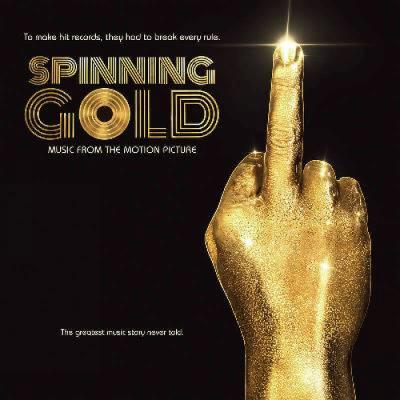
"Spinning Gold" Soundtrack Lyrics
Movie • 2023
Track Listing
Pink Sweats
Jason Derulo
Wiz Khalifa
Sam Nelson
Tayla Parx
Ledisi
Tayla Parx
Sam Nelson
Jeremy Jordan
Alec Benjamin
Pink Sweats
Tayla Parx
Wiz Khalifa
Romell
Jeremy Jordan
Pink Sweats
Gaskarth
Jeremy Jordan
Jeremy Jordan
"Spinning Gold (Music From the Motion Picture)" – Album Guide to Tracks and Key Scenes
Review
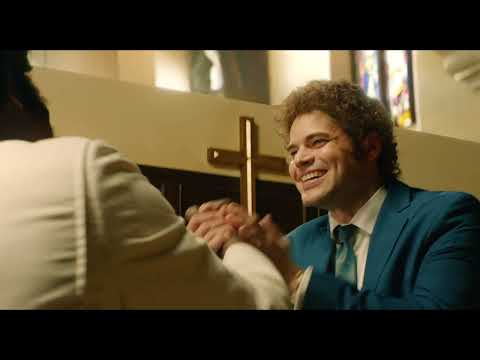
How do you turn the messy rise and fall of a 1970s record label into something that feels like a greatest-hits party and a cautionary tale at the same time? Spinning Gold (Music From the Motion Picture) tries to answer that by letting the songs do most of the talking. Across its covers and originals, the album walks through Neil Bogart’s career at Casablanca Records, where disco, funk, soft soul and bombastic rock all crash into each other under a haze of ambition, debt, and glitter. You hear a label trying to will itself into existence in every brass stab, falsetto hook and guitar squeal.
As a companion to the film, the soundtrack plays like a jukebox musical told from the control room. Cast members step into the shoes and microphones of Donna Summer, Gladys Knight, the Isley Brothers, Parliament and Kiss, re-cutting their classics in shiny, modern productions while the story races through risky deals and personal chaos. When it works, the album feels like being dropped into a 1970s studio at 3 a.m. while everyone is half-broke, half-ecstatic and convinced the next take might change their lives.
Genre-wise, the record moves in distinct phases that mirror Bogart’s arc. Early pop and bubblegum textures sketch his hustler roots; gospel and piano-driven soul show his vulnerability; then come the big-room disco and funk workouts – the “bet it all” phase – where strings, synths and basslines swagger harder than the balance sheet ever could. Stadium rock anthems track the label’s bravado, while softer ballads and the closing originals hint at regret and legacy. Disco gloss equals hustle, P-Funk grind equals risk, and those aching piano ballads are where the myth drops and the man peeks through.
How It Was Made
The film is a family project, and the soundtrack follows suit. Writer-director Timothy Scott Bogart tells the story of his father Neil, while Neil’s son Evan “Kidd” Bogart serves as executive music producer, composer and music supervisor alongside producer Harvey Mason Jr. and Atlantic Records. The main album is a compilation of new recordings by the cast – Jason Derulo, Wiz Khalifa, Tayla Parx, Ledisi, Pink Sweat$, Jeremy Jordan and others – reimagining Casablanca and Buddah Records staples with modern production and carefully cleared rights. A separate score album by Evan Bogart and Justin Gray focuses on recurring themes like “Neil’s Theme” and “Century Plaza,” tying together montages, breakdowns and epilogue beats with sleek orchestral-meets-pop textures.
Tracks & Scenes
Below are some of the key musical moments – both from the official Atlantic soundtrack and from cues that never made the main album – with when and how they play in the film.
“Oh Happy Day” (Jeremy Jordan)
- Where it plays:
- Starts right at the opening of the film, around 0:01. Neil’s voiceover folds into this church-choir standard as we see his younger self and the idea of music as salvation. The performance plays non-diegetically over a montage of childhood memories and early missteps, then fades as we jump forward to adult Neil already chasing the next big thing.
- Why it matters:
- The gospel roots set up the “music as religion” frame the movie keeps returning to. Having Jeremy Jordan sing it grounds Neil as a true believer first, hustler second, and it makes his later compromises sting more.
“For The People” (Retro City All-Stars)
- Where it plays:
- Heard early, around 0:07, over Neil’s story about the first launch party in Los Angeles for Casablanca Records. The track scores a chaotic house-party montage: cheap decorations, half-interested industry guests, and a label that exists mostly on bravado. It is diegetic – blasting through speakers as Neil and his crew hustle the room – and then bleeds into background as conversations take over.
- Why it matters:
- This cue never appears on the main commercial soundtrack, but it nails the “fake it till you make it” mood. It also contrasts nicely with the polished classics later, showing how far the company has to climb.
“It’s Your Thing” (Jason Derulo)
- Where it plays:
- First appears around 0:36 as Neil works in the studio with his client, chasing a version of the Isley Brothers’ hit that could actually put the label on the map. On screen, the scene flips between tight vocal booth shots and Neil pacing in the control room, giving notes between takes. The song also shows up in trailers, paired with fast cuts of artists, boardrooms and neon-lit clubs to sell the film’s “anything could happen” energy.
- Why it matters:
- Derulo’s slick vocal runs and updated production signal how the soundtrack treats these songs: not museum pieces, but living catalog. Dramatically, it’s the “we might really have something here” moment that justifies Neil’s reckless optimism.
“Love to Love You Baby” (Tayla Parx)
- Where it plays:
- First turns up around 0:16 as Neil listens to a new singer in a small club – Donna Summer, still shy and unshaped. Later, at about 1:41, the same song pulses through a party as guests slowly realize how hypnotic and provocative it is; by 1:51, Neil and his team are in the studio, stretching it into an extended disco odyssey while strobes and smoke fill the frame. It shifts from diegetic club performance to non-diegetic montage, then back to diegetic as the record playback fills the studio.
- Why it matters:
- This is the “bet everything on one track” sequence. Parx’s breathy performance sells Donna’s transformation into the Queen of Disco, and the way the film keeps returning to the song underlines how a single risk can drag a struggling label into the spotlight.
“Shout It Out Loud” (Sam Nelson Harris & Casey Likes)
- Where it plays:
- Shows up around 0:09 as Neil introduces his newest band, Kiss, on stage. The camera hangs on their first explosive performance: white face paint, pyrotechnics and a crowd that doesn’t quite know what to do with them yet. The song plays diegetically as live sound, then continues over a mini-montage of early touring misery and scathing reviews.
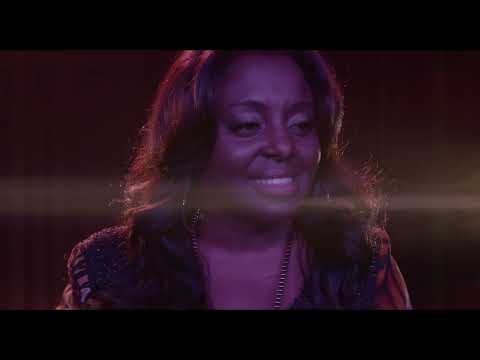
- Why it matters:
- It frames Kiss not as instant legends but as a gamble. The energy of the performance – especially the shouted chorus – mirrors Neil’s pitches to skeptical executives: noisy, over the top, impossible to ignore.
“Ain’t No Sunshine” (Pink Sweat$)
- Where it plays:
- Arrives around 0:50 while Neil narrates falling for Joyce. We see them in quiet moments – hotel corridors, phone calls, late-night office confessions – as this stripped-back soul cover plays non-diegetically. The film often dips the dialogue under the vocal for a verse, then brings it back up into the bridge as the couple negotiates the messy overlap of business and romance.
- Why it matters:
- Instead of a glossy disco track, the choice of Bill Withers’ classic underlines the cost of Neil’s decisions. Pink Sweat$ leans into the ache rather than the nostalgia, giving the film a rare, honest pause.
“Midnight Train to Georgia” (Ledisi)
- Where it plays:
- Heard around 0:59 in a pivotal piano session. Neil hammers out ideas while Gladys Knight (played by Ledisi) sings. The camera circles them in a near-continuous take, watching Neil tweak lyrics and feel while the melody locks into place. It plays partly diegetic – we hear the room sound and pedal noises – and then swells into full-mix production as the scene morphs into a vision of the finished record.
- Why it matters:
- This is one of the rare scenes that actually dramatizes the grind behind a hit. Ledisi’s powerhouse vocal hints at the emotional realism the film occasionally reaches, and the song becomes shorthand for Neil’s ability to hear potential before others do.
“Rock And Roll All Nite” (Sam Nelson Harris & Casey Likes)
- Where it plays:
- Comes roaring in around 1:07 during a Kiss concert sequence. We see the band finally commanding a roaring crowd, with the camera cutting between stage chaos, kids losing their minds in the cheap seats, and Neil watching from the wings with equal parts pride and panic about the label’s finances. The track is diegetic in-concert sound but is mixed like a music video, with slowed-down shots of lighters and crowd-surfing.
- Why it matters:
- It marks the moment Casablanca stops being just a scrappy outfit and becomes a cultural force. The song also anchors trailers, signaling to casual viewers that the movie delivers the big rock moments they expect.
“Beth” (Alex Gaskarth)
- Where it plays:
- First at about 1:24, underscoring Beth putting her daughter to bed, then again near 1:59 as Neil explains letting Kiss release this tender ballad on their album. In both scenes, the camera lingers on domestic spaces – bedrooms, kitchens, empty hallways – while the ballad floats above, almost like a letter being read aloud to the family he keeps neglecting.
- Why it matters:
- The song links Neil’s personal and professional lives: it is both a business decision and an apology in musical form. Gaskarth’s softer delivery contrasts with the band’s louder material, emphasizing the cost of all that pyrotechnic glory.
“Cherry On Top” (Jeremy Jordan)
- Where it plays:
- An original song that shows up around 0:28 as Neil sings on the sidewalk with a crowd gathering around. The camera plays it like street theatre: people stop, dance, and toss in loose change while traffic flows behind them. It starts diegetically with just voice and a small band, then the full arrangement folds in as the scene transitions into a more polished showcase.
- Why it matters:
- The track acts as Neil’s internal theme song – brash, charming, slightly desperate. As a new composition written specifically for the film, it stitches the jukebox feel together and lets Jordan step out from behind the covers.
“Dim All the Lights” (Tayla Parx)
- Where it plays:
- At roughly 1:54, we hit Donna Summer’s first big live concert. The song starts as she walks toward the stage, muffled through dressing-room walls. Once she steps into the spotlight, the mix opens up: we see crowd shots, glittering outfits, and Neil watching from the side as if he knows this is the make-or-break night. The number plays out almost in full as a diegetic performance.
- Why it matters:
- This is where the film finally shows what all the late-night studio sessions were building toward. Parx’s vocal rides the line between homage and reinterpretation, and the scene sells Donna as the label’s beating heart.
“Last Dance” (Jeremy Jordan & Tayla Parx)
- Where it plays:
- Arriving around 2:05, this is the big finale: Donna and Neil sharing one last performance. It begins in-scene with Donna on stage, lights dimmed to a warm gold, and Neil joining her in a bittersweet duet. As the film moves into its closing montage – deals signed, relationships frayed, records spinning – the song continues non-diegetically over superimposed text and epilogue images. The same cover also plays in trailer cuts, framing the movie as both celebration and goodbye.
- Why it matters:
- “Last Dance” doubles as farewell to an era and to Neil’s version of himself. It is the clearest statement that the soundtrack is about memory, not strict historical accuracy – the characters singing their own mythology into being.
“Greatest Time (Spinning Gold)” (Jeremy Jordan & Cast)
- Where it plays:
- Used over the end credits from about 2:08 onwards. After the emotional weight of “Last Dance,” the film pivots into this original ensemble number, cutting between studio photos, archival-style footage, and stylized credits. The track is non-diegetic but plays like a curtain-call bow, with different cast voices sliding in for lines and ad-libs.
- Why it matters:
- It functions as the thesis statement: whatever the business fallout, these years felt like the greatest time to the people inside Casablanca’s bubble. Musically, it blends disco, pop and Broadway uplift – fitting for a project that often feels halfway between biopic and stage musical.
Notes & Trivia
- Several early party cues (“For The People,” “Get Yourself Together,” “Silhouettes,” “Wooly Bully,” “Yummy, Yummy, Yummy”) appear in the film but not on the main Atlantic soundtrack, showing up instead in expanded playlists and cue sheets.
- The commercial soundtrack focuses on the cast’s covers of Casablanca-linked hits and Bill Withers standards, while a separate score album by Evan Bogart and Justin Gray handles the more intimate, theme-driven cues like “Neil’s Theme” and “Neil’s Epilogue.”
- Trailer music leans heavily on the new versions of “It’s Your Thing,” “Rock And Roll All Nite” and “Last Dance,” positioning the film as a high-energy jukebox ride even though the movie itself spends long stretches on deals and debts.
- Scenes built around “Midnight Train to Georgia,” “Love to Love You Baby,” “Beth” and “Last Dance” double as short, self-contained origin myths for each song, compressing real-world histories into punchy, movie-friendly vignettes.
- The music often continues over fourth-wall-breaking narration from Neil; in practice that means some dialogue lines are mixed almost like backing vocals underneath tracks such as “Lean On Me” and “Who Is He (And What Is He To You).”
Reception & Quotes
Critically, Spinning Gold the film landed softly: reviewers praised the wall-to-wall music but felt the story played like a highlight reel, flattening the wild rise and fall of Casablanca Records into a sometimes plodding, hagiographic portrait. Audience response has been warmer where nostalgia runs deep – especially among listeners who grew up with these records and enjoy seeing them reframed by contemporary singers.
The soundtrack itself gets much kinder treatment. Critics repeatedly point out that even when the film stumbles, the covers and arrangements are big, polished and crowd-pleasing, with multiple reviewers essentially recommending that you skip the movie and spin the album instead. Fans of the original artists tend to be split: some miss the raw, 70s production grit, while others enjoy hearing Parliament, Donna Summer, Gladys Knight and Kiss refracted through modern pop and R&B voices.
“A fairly flat telling of a true story that was far more colorful and entertaining in real life.” Rotten Tomatoes critics consensus
“Spinning Gold is an over the top, frenetic and mostly true… three ring circus of top hits and how they were made.” T.J. Callahan, AWFJ
“The screenplay fails to capture the ‘how’… Luckily, the film has a brilliant soundtrack of countless hits that defined a generation.” Movie Scene Canada
“For anyone with even a vague knowledge of its subject… the idea that this story could be dull seems almost impossible. And yet…” RogerEbert.com
Interesting Facts
- The project was in development for decades; at various points Justin Timberlake and Spike Lee were linked to earlier incarnations before Timothy Scott Bogart took the director’s chair himself.
- Evan “Kidd” Bogart – Neil’s son – pulls triple duty as executive producer, music supervisor and composer, making the soundtrack as family-driven as the script.
- The main album dropped digitally via Atlantic on March 31, 2023, day-and-date with the U.S. theatrical release, reinforcing the movie’s “soundtrack of your life” marketing angle.
- A limited gold-vinyl edition of the album was pressed for Record Store Day 2023, capped at just a few thousand copies and aimed squarely at collectors of 70s revival wax.
- Many of the cast members – Wiz Khalifa, Tayla Parx, Pink Sweat$, Jason Derulo, Ledisi – are playing their musical heroes and also singing their catalog, so the covers double as in-character performances.
- Separate from the song compilation, the score album (released under the production banner Hero Entertainment) focuses on recurring motifs for Neil, Beth, Joyce and the label itself, giving quieter scenes their own musical identity.
- The film openly admits to bending the truth, including in some music-creation scenes; it plays like a myth about how these songs feel to fans rather than a strict documentary about how they were actually written.
- Because of licensing realities, you hear the cast’s versions of Casablanca staples far more than original masters, which makes the soundtrack function as both tribute and subtle reboot of the catalog.
Technical Info
- Title: Spinning Gold (Music From the Motion Picture)
- Year: 2023
- Work type: Film soundtrack compilation plus separate original score
- Associated film: Spinning Gold (biographical drama about Casablanca Records founder Neil Bogart)
- Film runtime: Approx. 137 minutes
- Primary composers (score): Evan “Kidd” Bogart, Justin Gray
- Featured performers (songs): Jason Derulo, Wiz Khalifa, Sam Nelson Harris, Casey Likes, Tayla Parx, Ledisi, Pink Sweat$, Jeremy Jordan, Alex Gaskarth, Trevis Romell Harris, and others
- Music supervision / production: Evan “Kidd” Bogart (executive music producer, music supervisor, composer); Harvey Mason Jr. (executive music producer); additional supervision and clearances by industry veteran Deborah Mannis-Gardner
- Label & catalog: Digital and standard physical releases via Atlantic Recording Corporation in partnership with Spinning Gold, LLC; gold-vinyl edition issued through Rhino/Atlantic for Record Store Day 2023
- Digital soundtrack release: March 31, 2023 (19 tracks of songs performed by the cast, including “It’s Your Thing,” “Give Up the Funk,” “Bad Girls,” “Midnight Train to Georgia,” “Ain’t No Sunshine,” “Love to Love You Baby,” “Rock And Roll All Nite,” “Cherry On Top,” “Last Dance,” and “Greatest Time (Spinning Gold)”)
- Score album: Separate release featuring cues like “Neil’s Theme,” “Century Plaza” (Parts 1 and 2), “Dream These Walls Away” and “Neil’s Epilogue,” credited to Evan Bogart & Justin Gray
- Release context: Film released theatrically in the United States on March 31, 2023; soundtrack timed to premiere alongside the film; score album released shortly afterward
- Notable placements (selected): “Love to Love You Baby” for Donna Summer’s breakout sequence; “Rock And Roll All Nite” and “Beth” for Kiss’s rise and domestic fallout; “Midnight Train to Georgia” and “Ain’t No Sunshine” for key creative and romantic turning points; “Last Dance” and “Greatest Time (Spinning Gold)” for the finale and credits
- Availability: Streaming on major platforms (Apple Music, Spotify, YouTube Music and others); physical CD and limited gold-vinyl LP available through select retailers and Record Store Day participating shops
- Chart / legacy notes: While not a blockbuster chart juggernaut, the soundtrack is often cited as the most consistently praised element of the film, especially among fans of 70s disco, funk and rock.
Key Contributors
| Subject | Relation | Object |
|---|---|---|
| Timothy Scott Bogart | directs | Spinning Gold (film) |
| Timothy Scott Bogart | writes | Spinning Gold screenplay |
| Neil Bogart | founds | Casablanca Records |
| Evan “Kidd” Bogart | composes score for | Spinning Gold |
| Justin Gray | co-composes score for | Spinning Gold |
| Evan “Kidd” Bogart | serves as | executive music producer and music supervisor |
| Harvey Mason Jr. | serves as | executive music producer |
| Deborah Mannis-Gardner | handles | music supervision and clearances |
| Jeremy Jordan | portrays | Neil Bogart |
| Jeremy Jordan | performs on | “Oh Happy Day,” “Cherry On Top,” “Last Dance,” “Greatest Time (Spinning Gold)” |
| Tayla Parx | portrays | Donna Summer |
| Tayla Parx | performs | “Bad Girls,” “Love to Love You Baby,” “Dim All the Lights,” “Last Dance” |
| Wiz Khalifa | portrays | George Clinton |
| Wiz Khalifa | performs | “Give Up the Funk (Tear the Roof Off the Sucker),” “Mothership Connection” |
| Jason Derulo | portrays | Ron Isley |
| Jason Derulo | performs | “It’s Your Thing” |
| Ledisi | portrays | Gladys Knight |
| Ledisi | performs | “Midnight Train to Georgia” |
| Pink Sweat$ | portrays | Bill Withers |
| Pink Sweat$ | performs | “Ain’t No Sunshine,” “Lean On Me,” “Who Is He (And What Is He To You)” |
| Sam Nelson Harris & Casey Likes | portray | members of Kiss |
| Sam Nelson Harris & Casey Likes | perform | “Shout It Out Loud,” “Rock And Roll All Nite” |
| Atlantic Recording Corporation | releases | Spinning Gold (Music From the Motion Picture) |
| Hero Entertainment / Boardwalk Entertainment Group | produce | Spinning Gold (film) |
Questions & Answers
- Is the Spinning Gold soundtrack mostly original recordings or new covers?
- It is almost entirely new recordings by the cast and guest artists, re-imagining Casablanca and related 70s tracks, plus a couple of original songs written for the film.
- Is there a separate score album, or is everything on one release?
- There are two main releases: the song-driven compilation on Atlantic and a separate score album featuring Evan Bogart & Justin Gray’s instrumental cues.
- How close do these covers stay to the classic 70s versions?
- Arrangements usually keep the core melodies and hooks but modernize production, tempos and vocal phrasing, leaning more toward glossy pop and R&B than strict period recreation.
- Which songs are most important if I only have time for a few?
- For the movie’s core arc, start with “Love to Love You Baby,” “Midnight Train to Georgia,” “Rock And Roll All Nite,” “Beth,” “Last Dance” and “Greatest Time (Spinning Gold).”
- Do any tracks play in the trailers but not exactly the same way in the film?
- Yes. Trailer cuts lean hard on the covers of “It’s Your Thing,” “Rock And Roll All Nite” and “Last Dance,” sometimes edited into mash-up style montages that feel punchier than the scenes they’re drawn from.
Sources: Atlantic / Rhino press materials; film and soundtrack listings; soundtrack scene databases; Apple Music and Spotify album pages; major review outlets (Rotten Tomatoes, RogerEbert.com, AWFJ, Movie Scene Canada).
November, 27th 2025
A-Z Lyrics Universe
Cynthia Erivo Popular
Ariana Grande Horsepower
Post Malone Ain't No Love in Oklahoma
Luke Combs Good Riddance (Time of Your Life)
Green Day Bye Bye Bye
*NSYNC You're the One That I Wan
John Travolta & Olivia Newton-John I Always Wanted a Brother
Braelyn Rankins, Theo Somolu, Kelvin Harrison Jr. and Aaron Pierre The Power of Love
Frankie Goes to Hollywood Beyond
Auli’i Cravalho feat. Rachel House MORE ›