Soundtracks:  A B C D E F G H I J K L M N O P Q R S T U V W X Y Z #


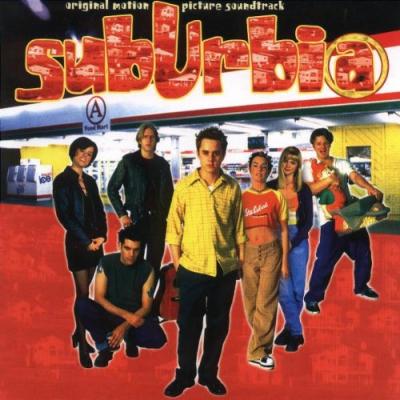
Suburbia (1997 Film) Album Cover

"Suburbia (1997 Film)" Soundtrack Lyrics

Movie • 1997

Track Listing


"SubUrbia (Original Motion Picture Soundtrack)" – Album Guide to Tracks and Key Scenes

SubUrbia official trailer thumbnail with the convenience-store parking lot at night
SubUrbia — official trailer, 1996/1997

Overview

What does a one–night hang in a parking lot sound like? Richard Linklater’s SubUrbia answers with a mixtape of alt-rock heavyweights and new material from Sonic Youth. The film — adapted from Eric Bogosian’s play — parks its characters outside a convenience store and lets conversations, fights, and small implosions spool out until dawn. The soundtrack becomes the oxygen: catalog heat (Beck, Superchunk, Skinny Puppy, Butthole Surfers, Flaming Lips), a Gene Pitney oldie in ironic drag, and several original Sonic Youth cuts that feel purpose-built for these fluorescent hours.

The mood toggles between sneer and ache. Sonic Youth’s contributions thread through like marginal notes — brittle guitars, sleepy menace, sudden lift — while the compilation’s other picks tag character ego and era. Phases: alt/indie noise — bravado and static; electronica/post-punk — alienation and stalled motion; vintage pop — a cruel wink at small-town judgment; and instrumental SY sketches — the inner monologues nobody says aloud.

How It Was Made

Linklater wanted a soundtrack that could stand alone. Sonic Youth supplied new recordings for the film (alongside a Thurston Moore solo cut), and the album gathered peers of the mid-90s alternative vanguard. Randall Poster supervised music, with Robin Urdang coordinating — a team known for threading needle-drops through character drama. The album landed via Geffen Records on the U.S. release weekend in February 1997.

Production stayed mostly on one Austin set, so songs act like scene changes and temperature shifts. The opener slaps you with an old hit to define the town; the closer lets Sonic Youth walk you out, dazed but awake.

Trailer still of the Circle A parking lot with the core group clustered around the dumpster
One night, one corner — the soundtrack does the traveling

Tracks & Scenes

Selected placements with scene context. (Diegetic = heard by the characters.)

“Town Without Pity” (Gene Pitney)

Where it plays:
Opening montage — bleak strip malls and dusty lots as night settles on Burnfield. Non-diegetic.
Why it matters:
Old-Hollywood melodrama thrown against new-American ennui; the title is the joke and the thesis.

“Bee-Bee’s Song” (Sonic Youth)

Where it plays:
Used as a recurring mood cue around Bee-Bee’s appearances and quiet beats by the store. Non-diegetic.
Why it matters:
Names the character and mirrors her fragility; chiming guitars as a warning light.

“Feather in Your Cap” (Beck)

Where it plays:
Early-film credits/use as the friend group drifts into position outside the Circle A. Non-diegetic; languid tempo.
Why it matters:
Beck’s bittersweet drawl sets a slack, self-aware tone — success feels far away, maybe imaginary.

“Does Your Hometown Care?” (Superchunk)

Where it plays:
Mid-evening energy spike while Pony’s return reorders the social pecking order. Semi-diegetic bleed from car/radio into montage.
Why it matters:
The title is an arrow; it points directly at Jeff’s insecurity and Sooze’s itch to leave.

“Sunday” (Sonic Youth)

Where it plays:
End-credits lead track — after the last dawn-light reversals, the guitars bloom and carry you out. Non-diegetic.
Why it matters:
Written for the film; later re-cut for a Sonic Youth album. Here it lands like a sober sunrise — clarity, not closure.

“Tabla in Suburbia” (Sonic Youth)

Where it plays:
Late-night drift cue between confrontations; percussive pattern under parking-lot stasis. Non-diegetic.
Why it matters:
Makes stillness feel tense — a rhythm for the nothing that keeps happening.

“Human Cannonball” (Butthole Surfers)

Where it plays:
Rowdier bar/van-night momentum as plans go sloppy. Source energy fading into editorial use.
Why it matters:
Chaotic bravado for bad ideas — the song is the impulse, not the conscience.

“Hot Day” (The Flaming Lips)

Where it plays:
Pre-dawn comedown; a breath of melancholy after fights and boasts. Non-diegetic.
Why it matters:
Softens the hangover — a humane cushion before the credits hit.
Trailer frame of the limo arrival that reshuffles the friend group’s dynamics
When Pony pulls up, the album shifts gears — swagger cuts through the slacker fog

Notes & Trivia

  • SubUrbia premiered in 1996 (NYFF) and opened in U.S. theaters February 7, 1997 — the soundtrack streeted the same day on Geffen.
  • Sonic Youth contributed new recordings specifically for the film (plus a Thurston Moore solo track).
  • “Sunday” debuted here and later reappeared in a different version on Sonic Youth’s 1998 album A Thousand Leaves.
  • Beck’s “Feather in Your Cap” turns up in single/compilation discographies as a SubUrbia version; it’s been noted as previously unreleased there.
  • Music supervision by Randall Poster — a frequent Linklater/Miramax/Sony Pictures Classics collaborator in the 90s.

Music–Story Links

Linklater stages most of the film on one square of asphalt — songs do the location changes. “Town Without Pity” frames Burnfield as judging and small; you can hear the shrug in every cutaway. When the limo arrives, the tempo jumps: Superchunk and SY’s taut instrumentals let Pony’s fame feel invasive, not inspiring. And the end-credits handoff to “Sunday” turns the final image into a morning-after pulse — no epiphany, just a steadier heartbeat.

Reception & Quotes

The movie drew generally positive notices, and the album earned cult-favorite status among 90s alt-rock heads. Critics and fans often single out the opening/closing song choices as neat bookends of irony and relief.

“Dark, intense and disturbing.” — Roger Ebert on the film
“‘Sunday’ hit here first — then morphed on the band’s next album.” — Music press retrospectives
Trailer end card used here to suggest the credits roll over Sonic Youth’s guitars
Credits roll: Sonic Youth’s “Sunday” carries the last word

Interesting Facts

  • Label of record: The soundtrack dropped on Geffen Records.
  • Poster/Urdang team: Randall Poster supervised; Robin Urdang coordinated — you can feel the curation.
  • Sonic Youth everywhere: Multiple SY tracks appear, including “Bee-Bee’s Song” and “Tabla in Suburbia,” plus Thurston Moore’s “Psychic Hearts.”
  • From screen to catalog: “Sunday” later got a Harmony Korine–directed video featuring Macaulay Culkin.
  • Beck’s rarity: This “Feather in Your Cap” is the version most fans first found on the SubUrbia album.

Technical Info

  • Title: SubUrbia — Original Motion Picture Soundtrack
  • Year: Film 1996 (festival) / 1997 (U.S. release); album 1997
  • Type: Feature film — comedy-drama
  • Composers/Primary contributors: Sonic Youth (new songs for film); additional artists include Beck, Superchunk, Girls Against Boys, U.N.K.L.E., Butthole Surfers, The Flaming Lips, Boss Hog, Skinny Puppy, Gene Pitney
  • Music supervision: Randall Poster; music coordinator Robin Urdang
  • Label: Geffen Records
  • Release context: U.S. theatrical release February 7, 1997; soundtrack released in tandem
  • Availability: Streaming/digital (various territories), legacy CD; several tracks also appear on artists’ own releases
  • Notable placements (selected): “Town Without Pity” (opening), “Feather in Your Cap,” “Bee-Bee’s Song,” “Sunday” (end credits)

Questions & Answers

Who put the soundtrack together?
Music supervisor Randall Poster, with Robin Urdang coordinating clearances and cues.
Did Sonic Youth write new music for the film?
Yes — several tracks were recorded specifically for SubUrbia, including the version of “Sunday” used in the film.
What song opens the movie?
Gene Pitney’s “Town Without Pity,” used to frame Burnfield with vintage irony.
Is “Sunday” the end-credits song?
Yes — it leads the credits, later reappearing (in a different version) on Sonic Youth’s A Thousand Leaves.
Which label released the album?
Geffen Records issued the soundtrack in 1997.

Key Contributors

EntityRelation
Richard Linklaterdirected the film; shaped the music’s narrative role
Eric Bogosianwrote the screenplay (from his play)
Sonic Youthcomposed/performed new songs; multiple placements
Thurston Moorecontributed “Psychic Hearts” (solo)
Beckcontributed the soundtrack-version of “Feather in Your Cap”
Randall Postermusic supervisor
Robin Urdangmusic coordinator
Geffen Recordsreleased the soundtrack album
Sony Pictures ClassicsU.S. distributor for the film

Sources: Discogs master/release pages for track lineup & label; Wikipedia film entry (soundtrack section; release dates); Metacritic credits (music supervision); Amazon retail listing (track highlights); Sonic Youth archive pages (notes on “Bee-Bee’s Song”/“Sunday”); contemporary criticism noting opening montage use of “Town Without Pity”; Wired feature on “Sunday”’s later album version; Rotten Tomatoes/Ebert for reception context; official trailers.

November, 27th 2025


A-Z Lyrics Universe

Lyrics / song texts are property and copyright of their owners and provided for educational purposes only.