Soundtracks:  A B C D E F G H I J K L M N O P Q R S T U V W X Y Z #


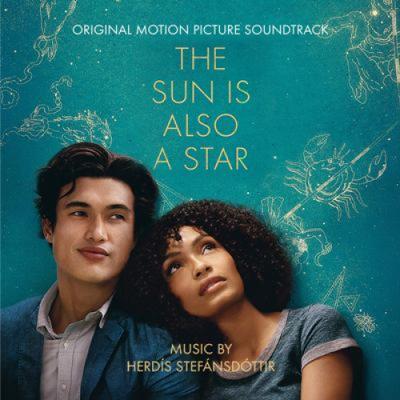
Sun is Also a Star Album Cover

"Sun is Also a Star" Soundtrack Lyrics

Movie • 2019

Track Listing


"The Sun Is Also a Star (Original Motion Picture Soundtrack & Score)" – Album Guide to Tracks and Key Scenes

Official trailer thumbnail for The Sun Is Also a Star with Natasha and Daniel against a New York skyline
The Sun Is Also a Star — official trailer, 2019

Overview

Can a one-day romance sound like the whole city? The Sun Is Also a Star answers with a borderless playlist and a tender, modern score. The songs jump from Kingston rocksteady to K-indie classics to Afrobeats and American pop — a collage that mirrors Natasha (Jamaican-American) and Daniel (Korean-American) as they orbit each other through New York. Composer Herdís Stefánsdóttir threads it all with translucent motifs — synths, strings, and heartbeat percussion — that keep the film moving hour by hour.

Genres map to phases: Rocksteady & soul for family histories and memory; global pop & club for the day’s serendipity; alt-folk & indie for those breath-held pauses; and intimate score cues for fated pivots (Grand Central, the planetarium, the four-minute stare). It’s a cosmopolitan mixtape that treats immigration, chance, and first love as part of the same rhythm.

How It Was Made

The production released two official albums: a score set by composer Herdís Stefánsdóttir (18 tracks; 33 minutes) and a collection of song placements used throughout the film’s scenes and marketing (not gathered as one retail “various artists” album, but heavily promoted via singles like Bazzi’s “Paradise”). The score album arrived in May 2019 on Sony Masterworks, licensed from MGM/Warner Bros., and spotlights cue titles that double as beat markers (“Grand Central,” “Planetarium,” “Four Minute Stare,” “Five Years Later”). Music supervision prioritized artists with immigrant roots or global reach, aligning the soundtrack with the story’s themes.

Trailer still of Natasha and Daniel crossing Midtown with yellow cabs in motion blur
Global crate-digging + intimate score — the city as a love song in many languages

Tracks & Scenes

Song placements with scene context. (Diegetic = heard in-world; timestamps ≈ to common home releases when available.)

“Come” (Jain)

Where it plays:
Opening moments as Natasha leaves her apartment to start a last-chance day in NYC. Non-diegetic.
Why it matters:
A bright, border-hopping pop stride — the city turns on like a switch.

“Father’s Child” (Michael Kiwanuka)

Where it plays:
Daniel on his bed, notebook open, sketching out lines before fate nudges him toward Natasha. Non-diegetic.
Why it matters:
A soul-gospel ache that frames expectation vs. desire — Daniel’s private thesis.

“Pounds” (Tunji Ige)

Where it plays:
After spotting Natasha on the train, Daniel bolts after her onto the street; urban adrenaline kicks in. Non-diegetic.
Why it matters:
The chase finds its tempo — quick, restless, curious.

“Sentah (feat. Bryte)” (Mina)

Where it plays:
Daniel leaves his house and strides into the day; later threads in street-level sequences. Non-diegetic.
Why it matters:
Afro-club friction that sells city energy and possibility.

“Beautiful Rivers and Mountains / Moon Watching” (Shin Joong-Hyun & The Men)

Where it plays:
Inside the Bae family shop and in cultural beats around Koreatown; the film nods to Korean psych-pop lineage. Diegetic/ambient.
Why it matters:
Heritage on vinyl — Daniel’s family world has its own groove.

“Get Free (feat. Amber Coffman)” (Major Lazer)

Where it plays:
Train to Koreatown after they visit Daniel’s parents’ store — two kids suspended over decisions they can’t control. Non-diegetic.
Why it matters:
A longing hook about escape and gravity; the lyric fits their 24-hour clock.

“Crimson and Clover” — two versions

Where it plays:
(a) Joe Wong arrangement for Daniel’s karaoke room performance; diegetic, he sings to Natasha. (b) Tommy James & The Shondells original appears in marketing and echoes the karaoke setup.
Why it matters:
Performance as flirtation — and a sly time capsule to soften the modern sheen.

“Don’t Stay Away” (Phyllis Dillon)

Where it plays:
Over Natasha’s narration of how her parents met; a rocksteady postcard of the life they built. Non-diegetic.
Why it matters:
Warmth and diaspora — the cue connects present stakes to a past romance.

“Here With Me” (Susie Suh & Robot Koch)

Where it plays:
After Natasha gets Daniel’s number from his brother, their reunion beat floats on this track. Non-diegetic.
Why it matters:
A hush between storms — fragile, electronic lull.

“she ready (feat. PnB Rock)” (Lil Yachty)

Where it plays:
In and around the Bae family shop sequence — swaggering source flavor that brushes the aisles. Semi-diegetic.
Why it matters:
Quick shot of contemporary hip-hop inside a multigenerational space.

“Fantasy” (Ali Farka Touré & Toumani Diabaté)

Where it plays:
~00:43 — as Natasha and Daniel drift through the NASA/space museum; hands in pockets, eyes up. Non-diegetic.
Why it matters:
String-and-guitar dialogue for two orbits aligning.

“Paradise” (Bazzi)

Where it plays:
Plays over end-credits and in promotional spots; a neon, late-spring swoon after the day is done. Non-diegetic.
Why it matters:
The campaign’s sugar rush; it leaves you in the glow.

Score highlights by Herdís Stefánsdóttir

  • “Grand Central” / “Subway” / “Daniel Spots Natasha” — clipped percussion + hovering strings for the meet-cute machinery.
  • “Planetarium” — the synth pad blossoms; destiny feels scientific.
  • “Four Minute Stare” — a suspended, nearly breathless cue that times the airport experiment.
  • “Five Years Later” — soft reprise and release; memory becomes forecast.
Trailer frame of the couple riding the Roosevelt Island tram above the East River
Song globe-trotting, score close-miking — a 24-hour mixtape across the city

Notes & Trivia

  • The original score album (18 tracks, ~33 minutes) was released May 2019 on Sony Masterworks via license from MGM/Warner Bros.
  • Music supervision leaned international: Jamaican rocksteady (Phyllis Dillon), Korean psych-pop (Shin Joong-Hyun), West African guitar (Ali Farka Touré), U.S. rap/pop (Lil Yachty, Bazzi), French pop (Jain).
  • “Crimson and Clover” appears as Daniel’s karaoke moment (arr. Joe Wong) and as the classic Tommy James cut in marketing.
  • Bazzi’s “Paradise” was promoted in official clips and social posts tied to the film’s release.
  • The score was written while the composer was pregnant; she’s spoken about how that shaped the music’s intimacy.

Music–Story Links

Natasha’s day starts with Jain — globe-pop that sounds like movement. Daniel’s inner tug gets Kiwanuka’s soul tremor. When heritage enters the frame (the shop; Koreatown), vintage Korean cuts hum like wallpaper; when memory enters, Phyllis Dillon’s rocksteady makes past and present rhyme. The planetarium quiets into pure score so we can hear the question: is fate physics or feeling? And at the airport, “Four Minute Stare” holds breath and time, letting the end-credits “Paradise” feel like a second, bittersweet sunrise.

Reception & Quotes

Reviews singled out the global track curation and the small, beating-heart score; culture pieces connected the soundtrack’s immigrant voices to the film’s themes.

“A border-crossing playlist that mirrors the story’s immigrant roots.” — release-week feature
“Stefánsdóttir’s cues are intimate, present-tense — they breathe with the scenes.” — composer profile
“From rocksteady to K-psych to Bazzi’s pop sugar, the mix sells a whole city in a day.” — soundtrack round-up
Trailer end card with pastel cosmic lettering and New York blocks behind
End credits drift into “Paradise” — the mixtape doesn’t stop when the day does

Interesting Facts

  • Score album first: the officially packaged release is the score; the needle-drops live across artist catalogues and studio promos.
  • Two “Crimson and Clover”s: Daniel’s karaoke version is a fresh arrangement; the 1968 classic turns up in marketing and playlists.
  • Playlist DNA: the curated songs spotlight immigrant artists/heritage — an intentional echo of the leads’ families.
  • Scene labels as track names: the score cues (“Grand Central,” “Planetarium,” “Four Minute Stare”) double as a breadcrumb trail of the day.
  • Global crate: Mina & Bryte’s Ghana/UK club cut, Ali Farka Touré’s desert blues, and Shin Joong-Hyun’s psych-pop sit comfortably beside U.S. radio pop.

Technical Info

  • Title: The Sun Is Also a Star — Original Motion Picture Soundtrack (score)
  • Year: 2019
  • Type: Feature film — teen romance/drama
  • Composer: Herdís Stefánsdóttir
  • Music supervision: Warren Fischer
  • Labels: Sony Masterworks (score; licensed from MGM/Warner Bros.)
  • Selected song placements: “Come” (Jain); “Father’s Child” (Michael Kiwanuka); “Sentah” (Mina feat. Bryte); “Pounds” (Tunji Ige); “Don’t Stay Away” (Phyllis Dillon); “Crimson and Clover” (Joe Wong karaoke arrangement / Tommy James & The Shondells classic); “Here With Me” (Susie Suh & Robot Koch); “Get Free” (Major Lazer); “Fantasy” (Ali Farka Touré & Toumani Diabaté); end-credits “Paradise” (Bazzi).
  • Score highlights: “Grand Central,” “Planetarium,” “Four Minute Stare,” “Five Years Later.”
  • Availability: Score on major platforms; songs via artist releases and official film promos.

Questions & Answers

Is there a single “various artists” album for the songs?
No — the official retail release is the score. The needle-drops appear via artist catalogs and studio promos.
Who composed the original score?
Herdís Stefánsdóttir. Her 18-track album mirrors the film’s 24-hour structure.
Which song closes the film?
Bazzi’s “Paradise” plays over the end credits and in promotional clips.
What’s the karaoke song Daniel sings?
“Crimson and Clover” — a fresh arrangement within the scene, echoing the classic Tommy James version used in marketing.
Does the soundtrack reflect the film’s immigrant themes?
Yes — curation foregrounds global artists (Jamaican rocksteady, Korean psych-pop, West African guitar, Afro-club) alongside U.S. pop/hip-hop.

Key Contributors

EntityRelation
Herdís Stefánsdóttircomposer; score album artist
Warren Fischermusic supervisor
Ry Russo-Youngdirector
Warner Bros. Pictures / MGM / Alloy Entertainmentstudios/distributor
Jain“Come” — opening needle-drop
Michael Kiwanuka“Father’s Child” — Daniel’s interior beat
Phyllis Dillon“Don’t Stay Away” — family backstory
Shin Joong-Hyun & The Menvintage Korean psych-pop textures (shop/K-town)
Ali Farka Touré & Toumani Diabaté“Fantasy” — museum drift
Bazzi“Paradise” — end-credits & campaign single

Sources: official trailer and studio promos; composer/album listings (Apple Music, Spotify); music-department credits; scene-by-scene song guides; soundtrack features highlighting the immigrant-rooted curation; reviews discussing music’s role.

November, 27th 2025


A-Z Lyrics Universe

Lyrics / song texts are property and copyright of their owners and provided for educational purposes only.