Soundtracks:  A B C D E F G H I J K L M N O P Q R S T U V W X Y Z #


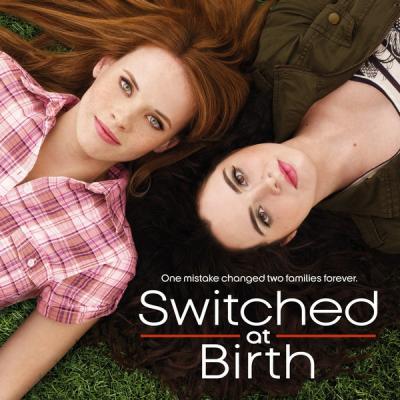
Switched At Birth Album Cover

"Switched At Birth" Soundtrack Lyrics

TV • 2011

Track Listing


"Switched at Birth (Music from the TV Series)" – Album Guide to Tracks and Key Scenes

Switched at Birth (2011) official trailer still with Bay and Daphne facing the truth in a family meeting
Switched at Birth — official series trailer imagery, 2011

Overview

What does a teen/family drama sound like when half its conversations are in silence? Switched at Birth builds a musical world that respects quiet — indie folk and soft-lit pop for vulnerability, handclap soul and coffeehouse grooves for everyday motion, and a modest guitar-and-piano score that never competes with sign language.

The premise (two girls discover they were accidentally switched, families collide) could have leaned syrupy. Instead, the soundtrack acts like a good friend: it listens, then nudges. Early episodes lean on earnest singer-songwriters and alt-pop to track Bay’s restless art-kid energy and Daphne’s shifting loyalties; later runs fold in clubby cues and road-movie textures as the Carlton School storylines expand. The show’s “all-ASL” episode even pares music down to breath and heartbeat, proving restraint can be the boldest needle-drop of all.

Genres in phases: indie folk / dream-pop — intimacy, regret; acoustic pop — warmth and reconciliation; neo-soul / lite-funk — city bustle, montage energy; diegetic band cues — identity onstage; quiet score motifs — the emotional baseline.

How It Was Made

John Swihart set the show’s musical DNA (theme and score motifs) with understated guitars, keys, and small ensemble colors, later joined at times by additional composer support to scale specific arcs. Music supervision across the run prioritized song storytelling: familiar names (Christina Perri, Katie Herzig) sit next to rising indie voices (Cary Brothers, Lucy Schwartz, Daphne Willis), and the network maintained official playlists to surface cues for fans between episodes.

Switched at Birth trailer frame: Kansas City visuals cutting to ASL dialogue, score kept minimal
Behind the scenes choice — keep the score small so ASL stays front and center

Tracks & Scenes

“Scary Fragile” (Butterfly Boucher)

Where it plays:
Pilot vibe-setter. Over early Bay/Daphne cross-cutting, the song’s elastic pulse frames art class vs. neighborhood rhythms. Non-diegetic; opening stretch.
Why it matters:
The lyric mood (“breakable but brave”) is a thesis for both girls at the moment the secret is surfacing.

“Best Day of Your Life” (Katie Herzig)

Where it plays:
S1 early drive scene with Bay and Kathryn; a sunshine interlude that abruptly contrasts with the family reveal. Non-diegetic; short excerpt.
Why it matters:
Irony with a smile — optimism underscoring a day that won’t be “best,” exactly… just pivotal.

“My Shoes” (Daphne Willis)

Where it plays:
First-act montage as Bay tests boundaries and Daphne works a shift. Non-diegetic.
Why it matters:
On-the-nose title that works: empathy and perspective are the show’s core lessons.

“Jar of Hearts” (Christina Perri)

Where it plays:
S1E4 “Dance Amongst Daggers” — during the fundraiser’s most emotional beat, as glances and conflicting loyalties churn across the floor. Non-diegetic, near the climax of the gala.
Why it matters:
Big feelings, small gestures. The piano line gives the scene breathing room while the families renegotiate trust.

Diegetic band cues: “All I Want Is” / “Sunshine” (Lucas Grabeel)

Where it plays:
S1E4 — Toby/Emmett/Wilke perform onstage at the Kennish fundraiser; the camera keeps cutting from amps to ASL to footwork. Fully diegetic; multi-minute set.
Why it matters:
Identity through performance. Sound and silence occupy the same frame, which is the show in miniature.

“Belong” / “Disappear” (Cary Brothers)

Where it plays:
Mid-season transitions and confession beats — phone calls, doorways, unmade decisions. Non-diegetic.
Why it matters:
Whisper-intimate vocals as truth serum; the songs soften standoffs without dodging consequences.

“We Will March On” (Cathy Heller)

Where it plays:
Hopeful montage as characters realign post-argument; classroom and kitchen cross-cuts. Non-diegetic; late-episode glow.
Why it matters:
A literal step-forward cue — useful in a show about learning new ways to be a family.

Cornerstone episode: “Uprising” (ASL-only hour)

Where it plays:
S2E9 — nearly wall-to-wall silence in terms of lyrics; music is sparse, percussive, and environmental as students occupy Carlton School for the Deaf. Diegetic elements (doors, feet, signs) lead; underscoring only breathes in at turning points.
Why it matters:
The most radical “music” choice: restraint. By muting pop needle-drops, the episode lets ASL be the soundtrack.
Switched at Birth trailer still: fundraiser gala with live band and intercut signing conversations
Fundraiser night — a rare network-TV showcase for diegetic band + ASL cross-rhythms

Notes & Trivia

  • The score’s author, John Swihart, also penned the show’s theme; the palette stays intentionally small so hands and faces can lead scenes.
  • Network-curated playlists kept track of featured songs each season — handy in lieu of a traditional OST album.
  • Episode “Uprising” (2013) was produced almost entirely in ASL, timed to the 25th anniversary of Gallaudet’s “Deaf President Now.”
  • The show frequently spotlights local-club textures (Lucy Schwartz, Daphne Willis) alongside radio-known names (Christina Perri).
  • Several cues are diegetic — performed in-universe by Toby/Emmett’s band at school events.

Music–Story Links

When Bay and Daphne first orbit each other, airy indie tracks frame the uncertainty — music as safe distance. At the Kennish gala, diegetic band cues (“All I Want Is,” “Sunshine”) give us identity in motion, while Perri’s “Jar of Hearts” pours focus on ruptured trust. Later, as the Carlton storyline swells, the show strips songs away in “Uprising”; silence becomes the score, and every cut to hands and faces hits like a cymbal crash. The playlists aren’t just catchy — they chart who listens, who speaks, and who finally signs the truth.

Reception & Quotes

Critics singled out the show’s ASL aesthetics — including how music retreats to let language take the spotlight — and praised the balance of sincere family drama with formal experimentation.

“First mainstream series with multiple deaf regulars and scenes shot entirely in ASL.” Series overview
“The soundtrack can be syrupy, [but] the show’s undertow is strong.” The New Yorker
“An all-ASL hour — political, formal, and riveting.” Episode reviews
Switched at Birth trailer shot: Carlton School corridor, quiet tension before a sit-in
“Uprising” — when the soundtrack is mostly silence and resolve

Interesting Facts

  • No single OST: There’s no one official album; Freeform maintained rolling playlists covering featured songs.
  • Promo music: The network used additional tracks in trailers/promos (e.g., songs by The Strange Familiar).
  • Placement magnets: Cary Brothers, Lucy Schwartz, and Katie Herzig recur across early seasons.
  • Diegetic identity: Toby/Emmett/Wilke stage performances make band life a story engine.
  • ASL episode timing: “Uprising” aired the week the series highlighted the legacy of Gallaudet’s DPN protests.

Technical Info

  • Title: Switched at Birth — TV soundtrack (songs & score selections)
  • Year: 2011–2017 (series run)
  • Type: Television series — song placements + original score
  • Composer: John Swihart (theme & series score)
  • Music Supervision: Wendy Levy (series), with network music exec oversight during later seasons
  • Key placements (selected): Christina Perri “Jar of Hearts”; Katie Herzig “Best Day of Your Life”; Daphne Willis “My Shoes”; Cary Brothers “Belong” / “Disappear”; Butterfly Boucher “Scary Fragile”; Cathy Heller “We Will March On”; multiple diegetic songs performed by Lucas Grabeel’s on-screen band.
  • Availability: No single OST; official/curated streaming playlists cover seasons; individual tracks on digital services.
  • Context: Freeform/ABC Family series set around Kansas City; notable ASL-only episode “Uprising” (S2E9).

Questions & Answers

Is there an official soundtrack album?
No single album — the network and fans maintain playlists collecting featured songs across seasons.
Who composed the score?
John Swihart, who also wrote the theme; the score keeps arrangements small to respect ASL-led scenes.
Which episode uses little to no pop music?
“Uprising” (S2E9), the ASL-only hour — music is minimal by design.
What’s the most famous needle-drop?
Christina Perri’s “Jar of Hearts” in the S1 fundraiser episode — a definitive early emotional cue.
Are any songs performed on screen?
Yes. Toby/Emmett’s band performs at school events and fundraisers; those cues are fully diegetic.

Key Contributors

EntityRelation
John SwihartComposer — series theme & score motifs
Wendy LevyMusic Supervisor — song clearances/curation across seasons
Freeform / ABC FamilyNetwork — commissioned and promoted music via official playlists
Lizzy WeissCreator/Showrunner — approved musical tone tied to ASL-first storytelling
Lucas Grabeel (as Toby)Performer — diegetic band songs at school/fundraiser scenes

Sources: Series overview and ASL/awards notes; official trailers; episode “Uprising” listings/reviews; episode music guides and fan-curated scene notes; artist pages noting SAB placements; official/curated playlists; ring/track aggregators for recurring cues.

November, 27th 2025

'Switched at Birth' is an American teen/family drama television series. Read about this series on Wikipedia and Internet Movie Database
A-Z Lyrics Universe

Lyrics / song texts are property and copyright of their owners and provided for educational purposes only.